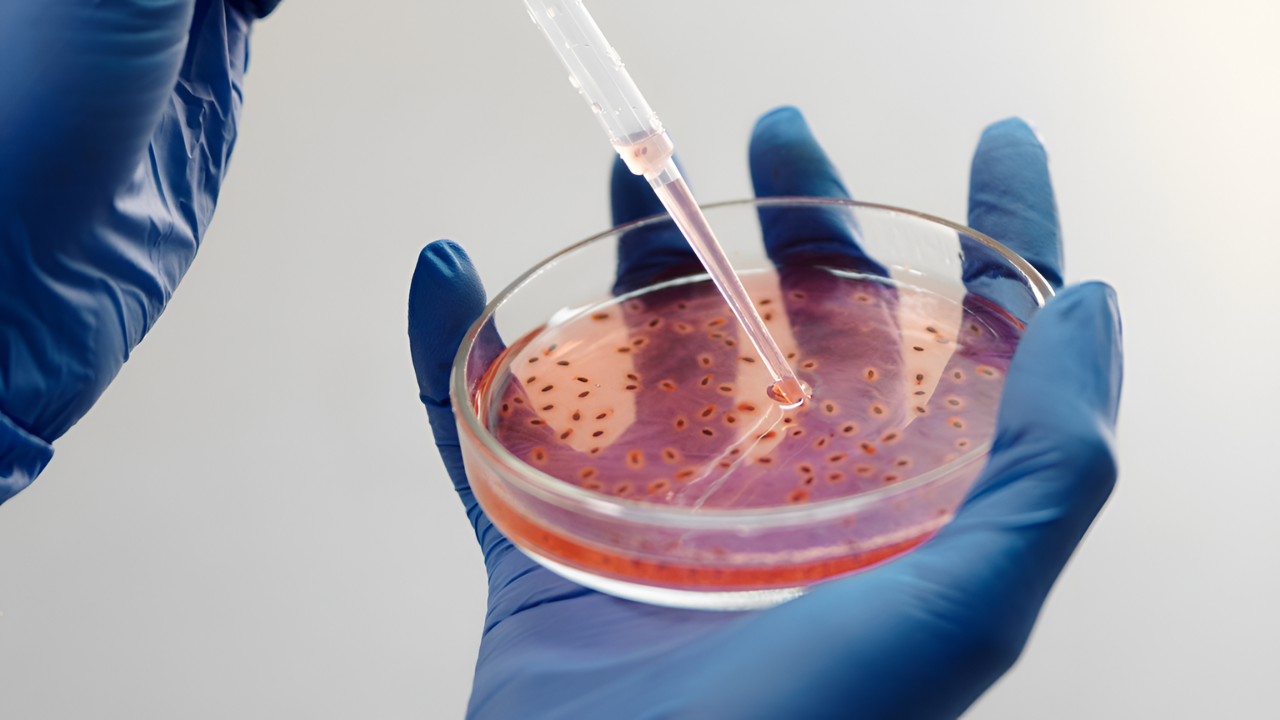
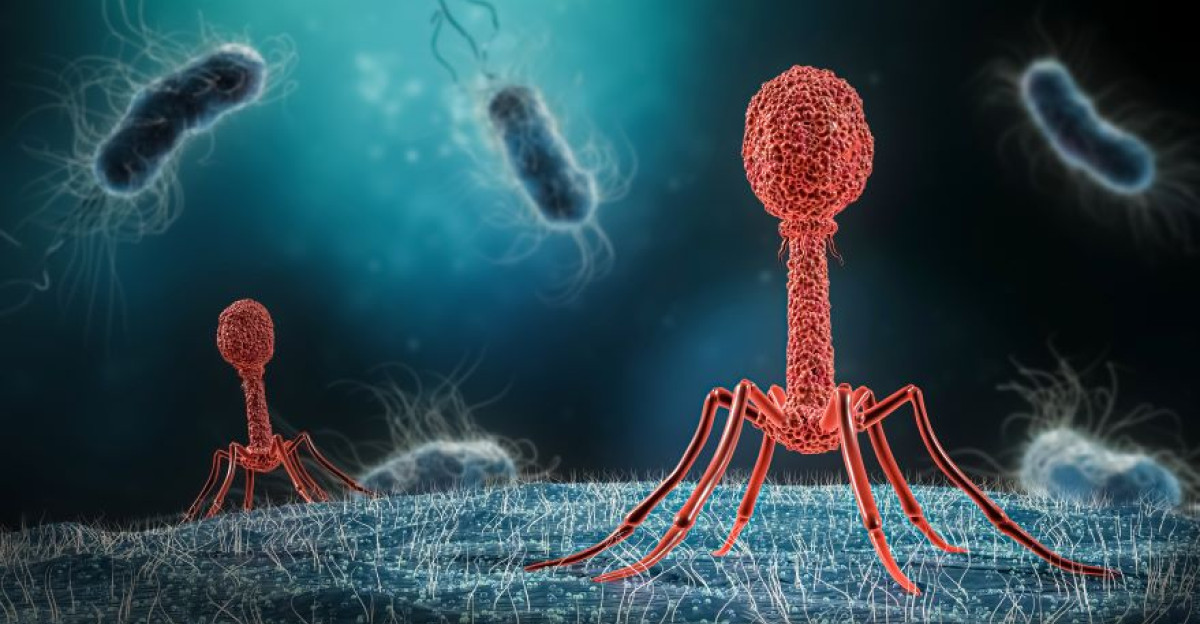
In the weightless void of the International Space Station, viruses underwent a transformation that could redefine the fight against untreatable infections. Researchers from the University of Wisconsin–Madison, backed by the Defense Threat Reduction Agency, exposed T7 bacteriophages to microgravity, yielding mutations that sharpened their assault on drug-resistant E. coli—the primary culprit behind urinary tract infections.
This space-evolved edge addresses a dire threat: antibiotic resistance strikes 2.8 million Americans yearly, drains $4.6 billion from healthcare, and claims 35,000 lives. The World Health Organization projects 39 million global deaths by 2050 if trends persist. Pathogens like E. coli and MRSA evolve faster than new drugs emerge, pushing scientists to uncharted territories like orbital evolution for phage therapies—viruses engineered to hunt bacteria precisely, sidestepping broad-spectrum antibiotics.
Why Space for Phage Evolution
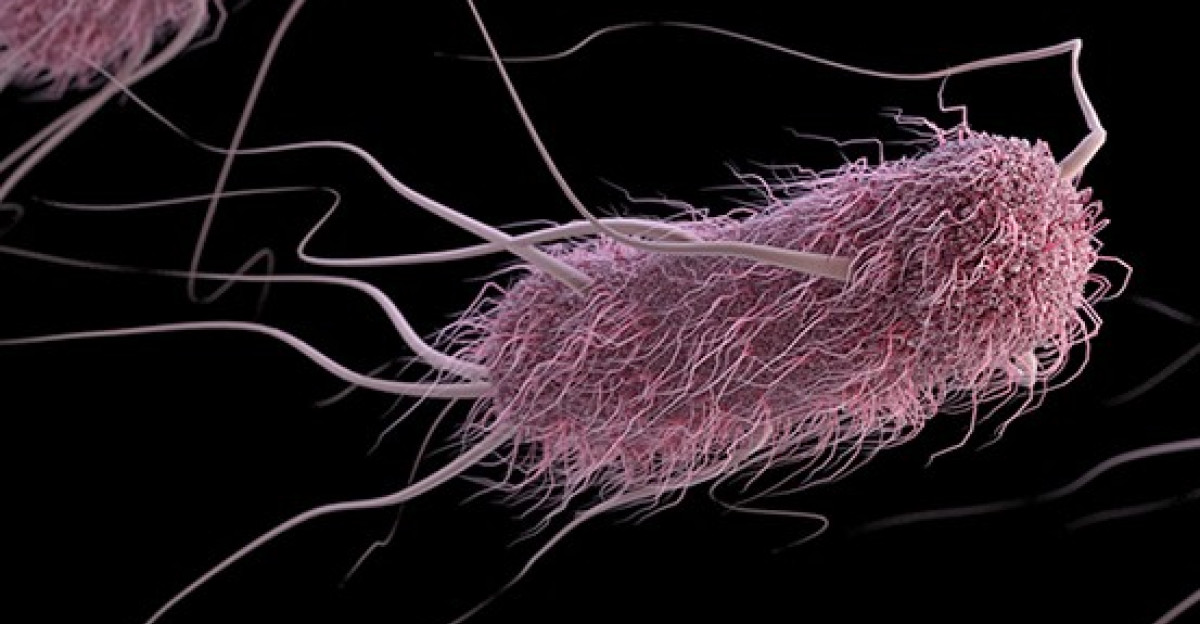
Microgravity disrupts conventional biology, unlocking mutations absent on Earth. The Wisconsin team aimed to harness this for phages that dismantle resistant strains untouchable by standard treatments. Returned to labs, these altered viruses proved deadlier against E. coli, validating space as a lab for biomedical leaps. The experiment spotlights phages as antibiotic complements, especially for stubborn infections post-surgery or in vulnerable patients.
Industry Ripples and Market Shifts
Pharmaceutical leaders took notice. Armata Pharmaceuticals propelled its anti-Staphylococcus aureus phage to Phase 3 trials, while Locus Biosciences accelerated similar efforts. Biotech investment surged in phage production, diagnostics, and tools like susceptibility tests. Contract manufacturers retooled bioreactors for scale-up, and firms such as Illumina and Oxford Nanopore gained from demand for resistance-profiling genomics. Traditional antibiotic makers face headwinds as phages disrupt entrenched markets, though investors poured into phage stocks post-study, with Armata seeing sharp gains.
Workforce and Policy Momentum

Biotech hubs in San Francisco and Boston buzz with demand for fermentation experts and lab technicians crafting custom phages for trials. Wages climb for those in this supply chain battling superbugs. Militarily, the Pentagon eyes phages for biowarfare defense, fearing infections sidelining troops or infrastructure. Congress and the CDC boosted antimicrobial funding, positioning phages central to national security strategies.
Broader Horizons: Environment, Equity, and Behavior
Agriculture stands to gain: phages could replace antibiotics in livestock, curbing resistance spread to water and food chains. Aquaculture and wastewater treatments may follow, fostering sustainable pathogen control. Patients worldwide adapt, questioning antibiotics, embracing stewardship, and favoring antibiotic-free foods. Hospitals tighten protocols. Yet inequities loom—in high-resistance nations like India, costly phages risk bypassing the poor without fair pricing and IP reforms. Global bodies push for access ensuring innovations reach hardest-hit areas.
The path ahead hinges on clinical trials, manufacturing scale, safety proofs, and regulatory nods. Space-phage insights propel phage therapy toward routine use, but equitable rollout remains key. As nations like Germany, Canada, and China ramp microgravity research, competition and collaboration will shape whether this orbital breakthrough eases the resistance crisis or widens divides. The voyage from station to sickbed tests resolve across healthcare, economies, and borders.
Sources:
“Microbes mutated in space hint at biomedical benefits to humans on Earth.” University of Wisconsin–Madison News, 13 Jan 2026.
“Antimicrobial Resistance Facts and Stats.” Centers for Disease Control and Prevention, 4 Feb 2025.
“CDC partners estimate healthcare cost of antimicrobial‑resistant infections.” Centers for Disease Control and Prevention Public Health Stories, 4 Feb 2025.
“Viruses that evolved on the space station and were sent back to Earth were more effective at killing bacteria.” Live Science, 18 Jan 2026.