In a Houston bankruptcy court, U.S. Bankruptcy Judge Alfredo Perez approved $400 million in emergency financing for Saks Global on January 15, 2026, after 7.5 hours of debate, sidelining Amazon’s $475 million preferred equity stake despite the company’s strenuous objections.
Amazon’s attorney expressed deep skepticism about Saks’ future, underscoring the stakes in this rapid retail unraveling. The ruling came just two days after Saks Global entered Chapter 11 with $3.4 billion in debt, marking the swift downfall of a much-hyped luxury merger.
From Merger Hype to Bankruptcy Collapse
Thirteen months before the filing, Saks completed its $2.7 billion acquisition of Neiman Marcus on December 23, 2024, backed by Amazon as a key investor. The move aimed to forge a dominant U.S. luxury retail force combining Saks Fifth Avenue, Neiman Marcus, and Bergdorf Goodman. Instead, it amplified existing struggles, piling on unsustainable debt from $2.2 billion in high-yield junk bonds, $925 million in asset-based loans, and $275 million in seller financing.
Moody’s Ratings vice president Mickey Chadha pinpointed the core issue: two individually strained companies merged while layering massive debt, creating an untenable capital structure from day one.
Amazon’s Stake Becomes a Total Loss
Amazon now deems its full $475 million investment presumptively worthless in regulatory disclosures, its most prominent retail setback. The package included 23% preferred equity and a deal mandating $900 million in referral fees over eight years for a “Saks at Amazon” luxury storefront. That platform failed to attract customers, highlighting Amazon’s long-standing challenges penetrating high-end fashion.
Luxury analyst Jackson Parsey explained the mismatch: Amazon’s model thrives on convenience, price competition, and broad access—fundamentals at odds with luxury’s demand for exclusivity, controlled channels, and premium experiences.
Operational Breakdown and Vendor Fallout
By summer 2025, debt payments drained cash flow, leading Saks to delay supplier bills. CEO Marc Metrick’s February pledge to settle overdue amounts in 12 installments fell short, prompting Chanel, Gucci, Louis Vuitton, and others to halt shipments. Holiday shelves emptied, sealing an operational crisis.
The bankruptcy listed 10,001 to 25,000 creditors with $3.4 billion in claims. Unsecured leaders include Chanel at $136 million, Kering at $59.9 million, and LVMH at $26 million. Tech firms like Meta ($12 million) and Google ($9.6 million) also await payments, alongside beauty groups Estée Lauder ($16 million), Puig ($12 million), and Beiersdorf ($22.2 million).
Integration failures worsened the spiral. Merging merchandising systems disrupted inventory at Neiman Marcus and Bergdorf Goodman during peak holiday demand. By August 2, 2025, stock dropped 9% year-over-year, with $550 million short of projections.
Restructuring Push and Leadership Shakeup
Judge Perez greenlit $1.75 billion in debtor-in-possession financing: $1 billion from Pentwater Capital and Bracebridge Capital, $240 million from Bank of America-led asset lenders, and $500 million for post-bankruptcy exit. This super-priority funding prioritizes new lenders over Amazon and vendors.
In a key hire, Geoffroy van Raemdonck returned as CEO on filing day, 13 months after departing Neiman Marcus post-acquisition—where he had steered it through 2020 bankruptcy. He reassembled his prior team: CFO Brandy Richardson, President Darcy Penick, and Chief of Global Brand Partnerships Lana Todorovich.
Saks executive chairman Richard Baker’s track record drew scrutiny: this marks his fourth major retail failure, including Lord & Taylor’s 2020 liquidation, Zellers’ closure, Hudson’s Bay’s 2025 Canadian exit, and now Saks Global. Critics cite his focus on real estate sales over store viability.
Amazon continues legal challenges, citing Saks’ budget misses, cash burn, and unpaid invoices. Pending motions seek a trustee or examiner amid ongoing talks.
Industry-Wide Shifts and Future Paths
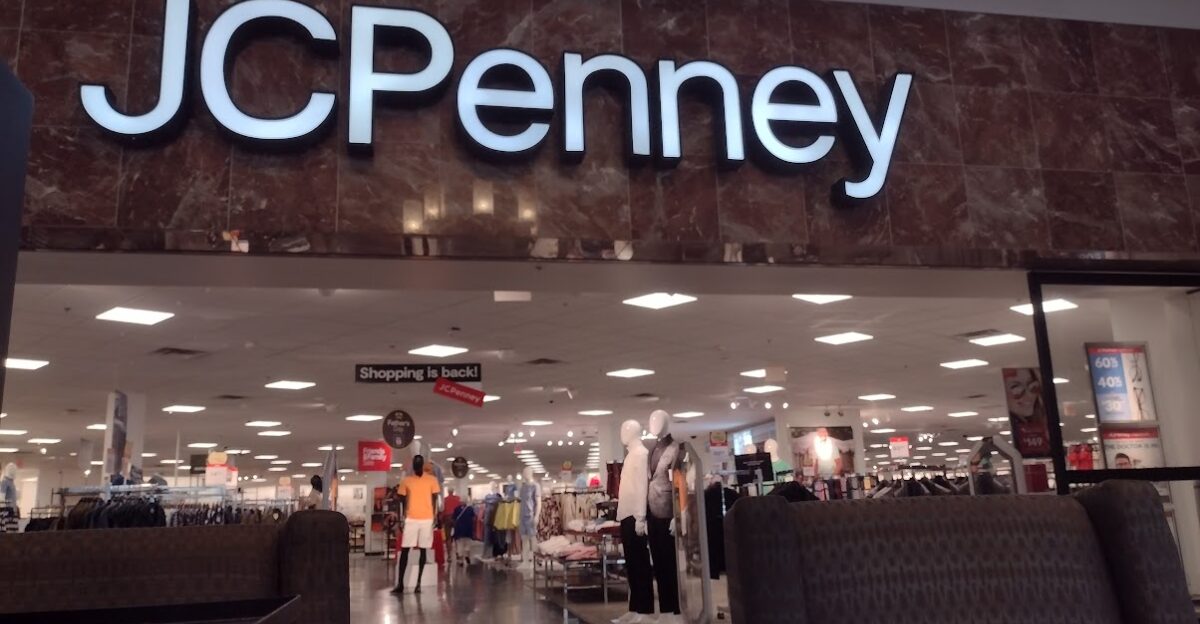
Saks’ collapse caps a department store exodus: Neiman Marcus (2020), J.C. Penney (2020), and Lord & Taylor (2020). Nordstrom stands as the lone major independent luxury chain, squeezing wholesale options for brands.
This unfolds amid luxury’s first contraction since 2008, down 2% in 2024 after losing 50 million customers from 2022-2024 due to 52% price hikes since 2019. Équité CEO Daniel Langer called it a pivot signal: brands like Chanel, LVMH, and Kering will ramp direct boutiques and online sales.
All 70 stores stay open initially, honoring gift cards and payroll, though footprint reviews signal 20-30% cuts. Analysts see three paths: debt-to-equity swap, asset sales like standalone Bergdorf Goodman, or conglomerate buyout— with equity recovery typically 0-7%, dooming Amazon.
Columbia’s Mark Cohen foresaw a protracted creditor clash given diverse interests. Amazon’s flop echoes past ventures like Kozmo.com and Fire Phone but underscores luxury’s resistance to its scale-driven playbook. Envision Horizons CEO Laura Meyer noted: luxury demands an approach counter to Amazon’s norms.
The outcome will reshape luxury distribution, testing brands’ self-reliance as traditional middlemen fade.
Sources:
“Amazon says Saks investment is worthless after bankruptcy.” CNBC, January 15, 2026.
“Saks Global files for bankruptcy protection.” CNBC, January 14, 2026.
“Chanel, Kering top luxury who’s who of Saks Global unsecured creditors.” Reuters, January 14, 2026.
“Saks acquisition of Neiman Marcus led to bankruptcy.” CNBC, January 15, 2026.
“Amazon Loses Fight To Block Saks Bankruptcy Financing.” Yahoo Finance, January 17, 2026.
“From luxury powerhouse to the brink: how Saks’ big merger bet failed.” Reuters, January 8, 2026.