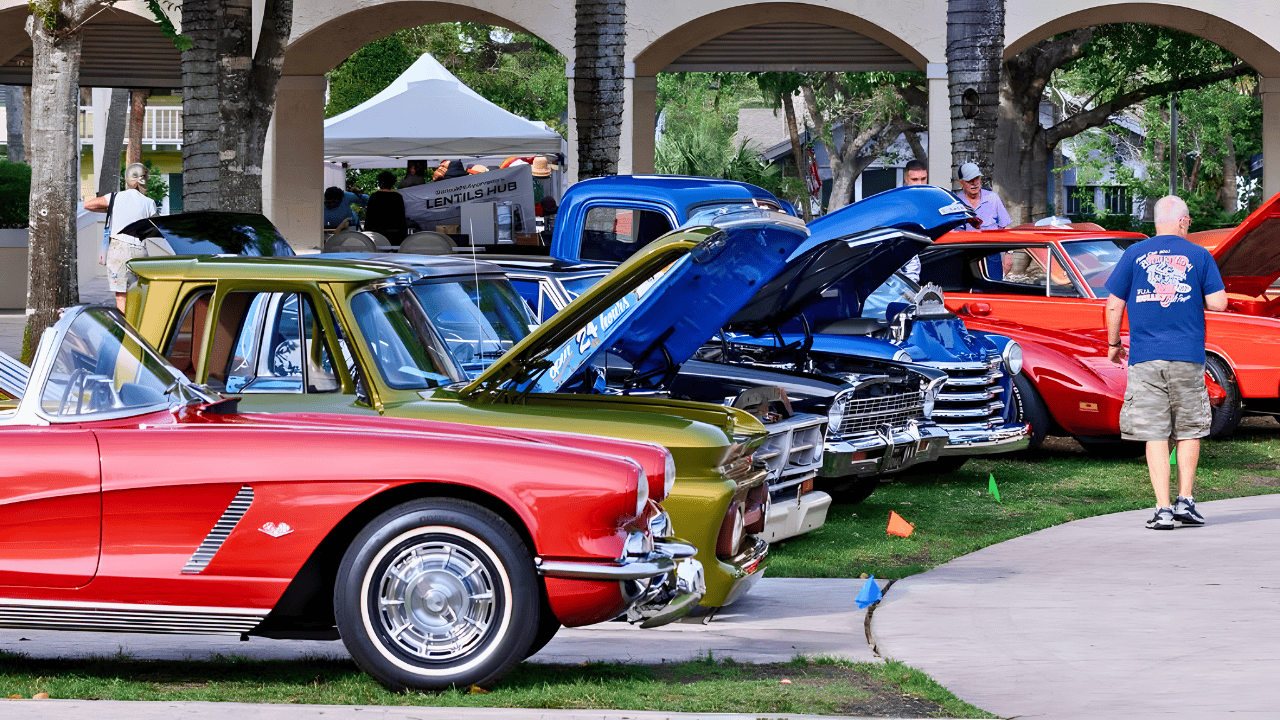
A 1970 Plymouth HEMI ‘Cuda sold for $2.25 million, cementing ultra-rare muscle cars as exclusive wealth assets. Only 14 convertible models survive globally, placing these machines in another economic stratosphere. Collector demand has skyrocketed, pricing most families out. Today’s rarest muscle cars are more than performance icons—they’re generational wealth markers. Let’s look into what makes these machines impossibly rare.
When Muscle Cars Became Art
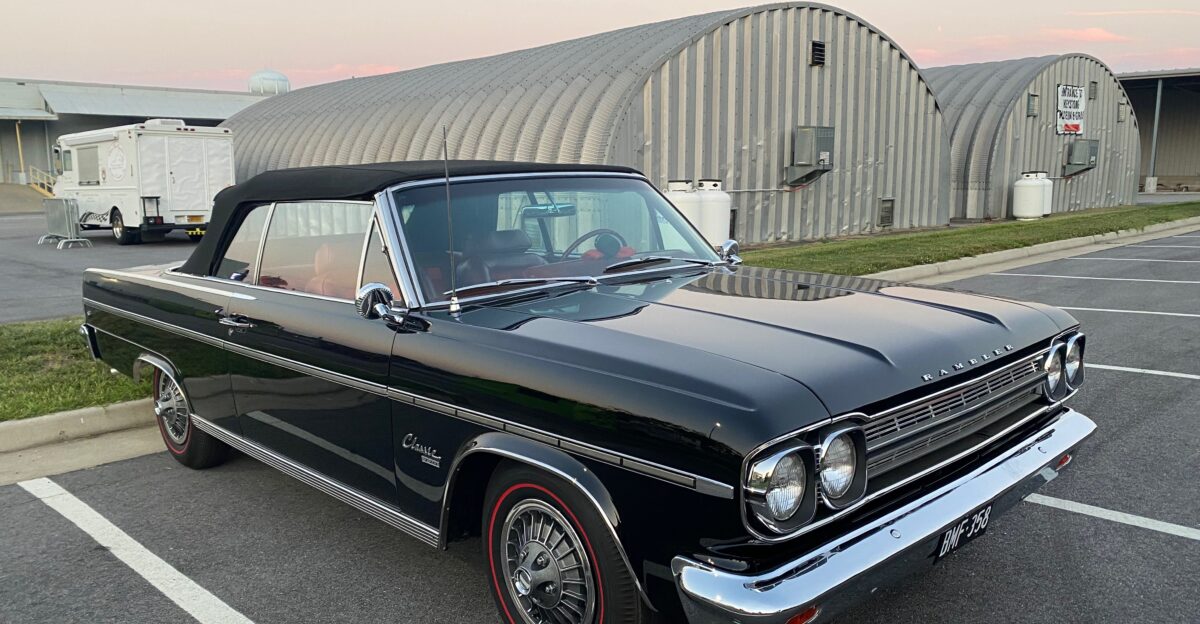
The classic muscle car era, roughly 1963 through 1971, produced unforgettable machines. Yet the rarest models were often ultra-limited. Reasons included NASCAR homologation, fuel uncertainty, or corporate racing initiatives. Ford produced hundreds of thousands of Mustangs, while some variants were limited to just 2 units. These calculated rarities now command auction prices exceeding $3 million, revealing the early value of scarcity.
A Market Transformed By Wealth
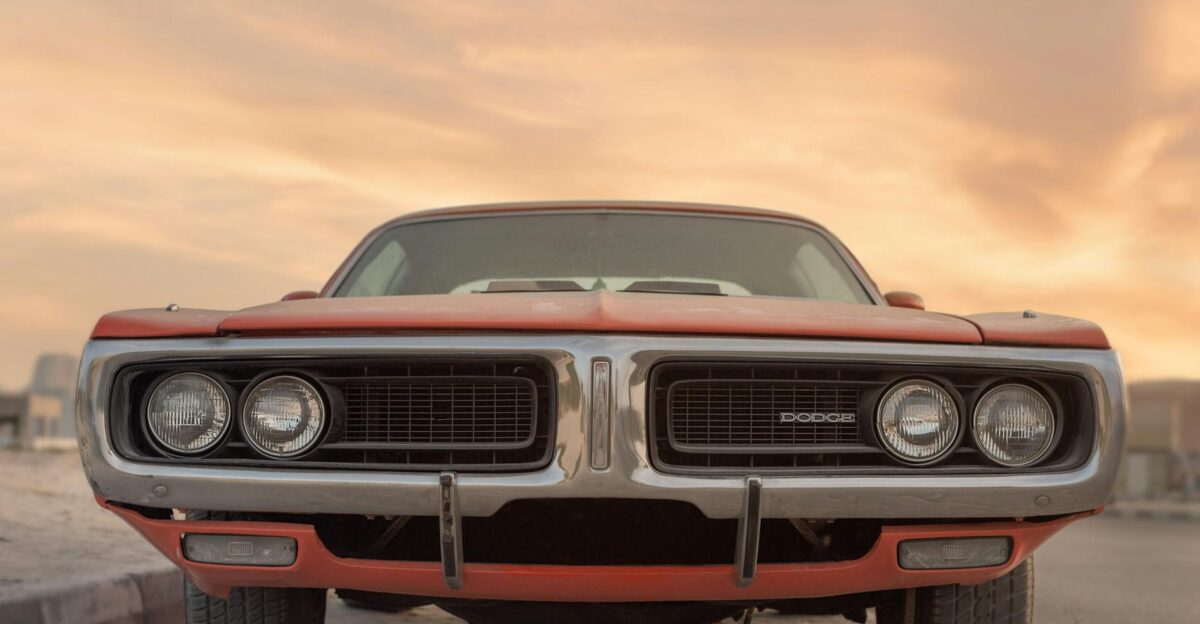
Vintage muscle cars evolved from working-class vehicles to billionaire-tier collectibles. Some have appreciated 15,000% since original purchase. Auctions like Mecum and Barrett-Jackson track record-breaking prices: $700,000 to $3.2 million. Cars once affordable for mechanics are now inaccessible for middle-class enthusiasts. Scarcity, nostalgia, and financial opportunity collide, making these machines prized investments. Wealth has transformed what were simple performance cars into symbols of status.
The Homologation Wars
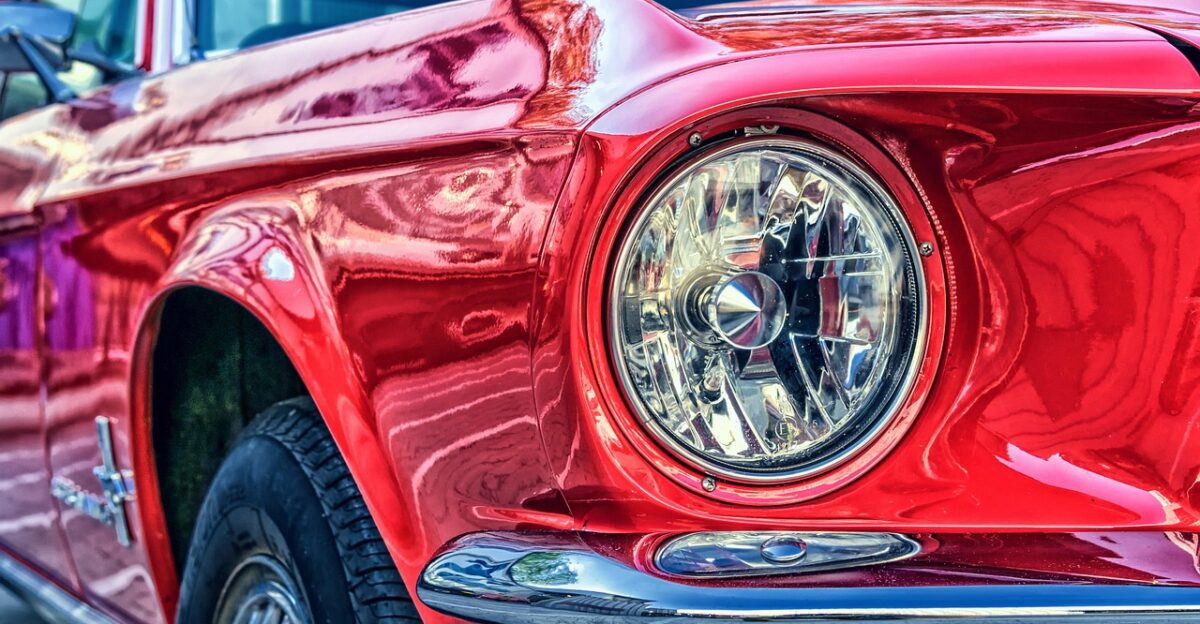
Ultra-rare models were often built to win races, not sell on streets. NASCAR and NHRA required minimum production runs—typically 500–800 units. The 1969 Ford Boss 429 Mustang, 1963 Chevy Impala Z11, and 1969 Dodge Charger Daytona were created solely for competition. After racing seasons, many vanished. Rediscovered decades later, these cars now command fortunes, illustrating how racing rules inadvertently created the world’s rarest street-legal muscle cars.
Survival Against Impossible Odds
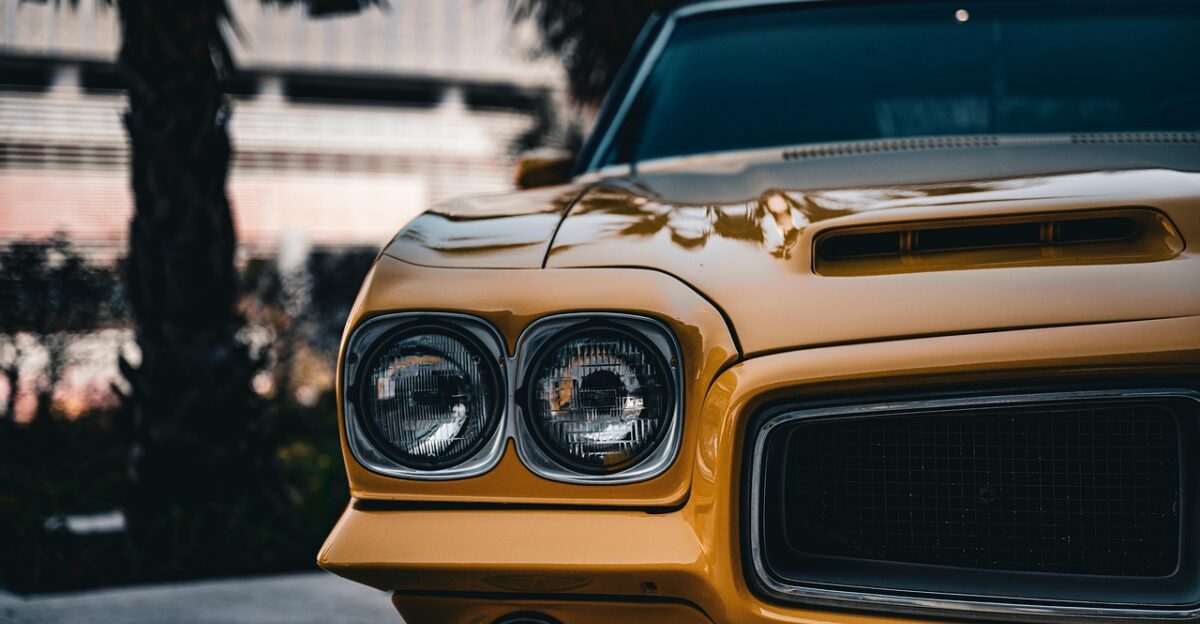
Most ultra-rare cars were destroyed or scrapped. Racers crashed them; rust claimed countless examples. The 1971 HEMI ‘Cuda? Only 11–12 were produced, with 8–9 surviving. The 1969 Corvette ZL1? Only 2 were sold, survival uncertain. Each remaining car represents luck, proper care, and timing. Finding one feels like archaeological discovery. These survivors are the foundation for today’s legendary list of 10 untouchable muscle cars.
Meet The Untouchables
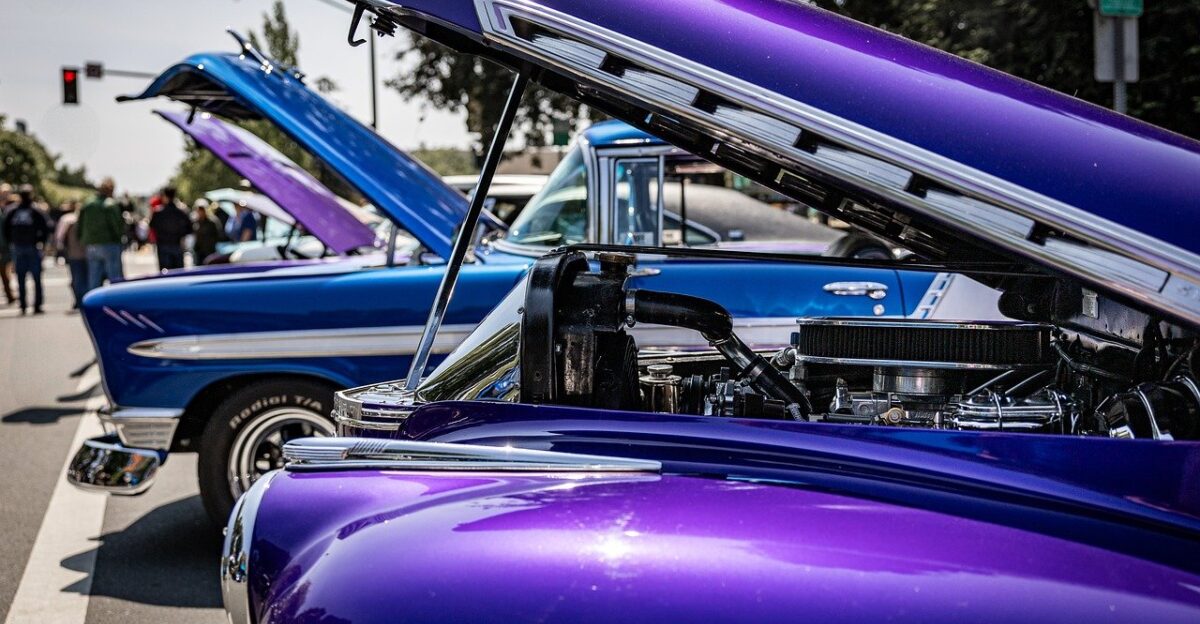
These 10 vehicles define muscle car rarity. Their stories span corporate ambition, racing heritage, and manufacturing accidents. Combined value exceeds $500 million. They appear at elite auctions, pursued by collectors, museums, and syndicates. Production numbers fall below 100 units, with survival rates under 50%. Current values exceed $1 million. Appreciating this lineup shows why these cars are the ultimate automotive treasures.
1. The 1969 Chevrolet Corvette ZL1—Only 2 Ever Sold
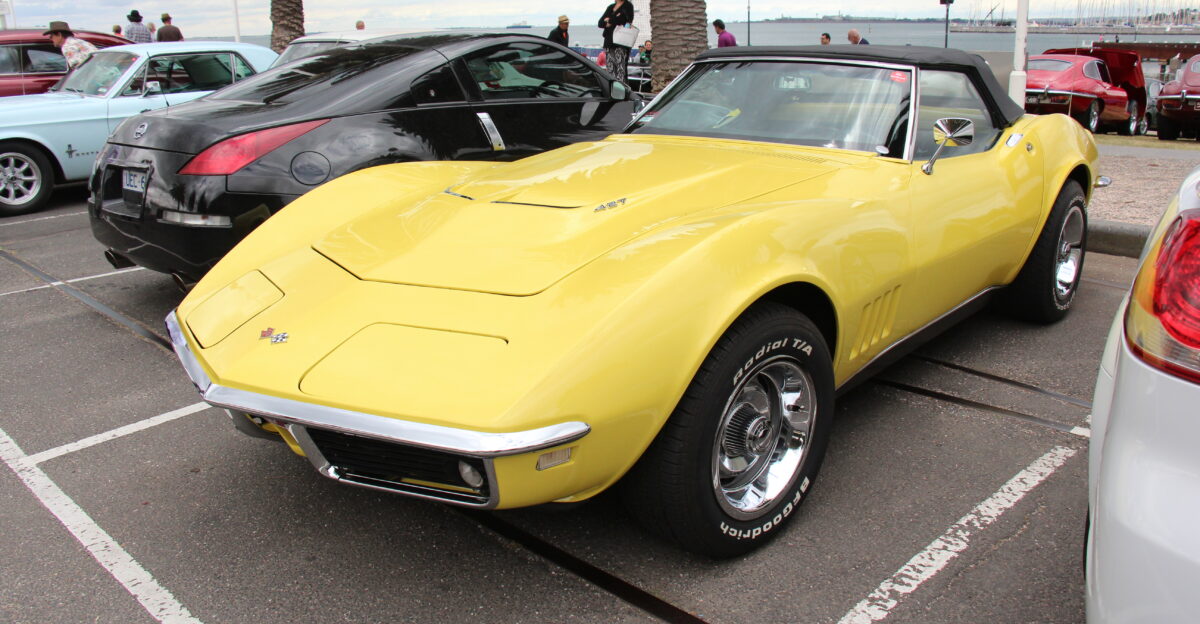
The holy grail Corvette: only 2 sold to customers. Chevrolet’s all-aluminum 427-cubic-inch ZL1 V8 produced 560+ horsepower. Total cost: $10,050, with the engine alone at $4,718. Built for Can-Am racing, most engines went into race cars or COPO Camaros. Today, the 2 surviving Corvettes fetch $3.2 million each. Even automotive historians marvel at how such scarcity drives value exponentially.
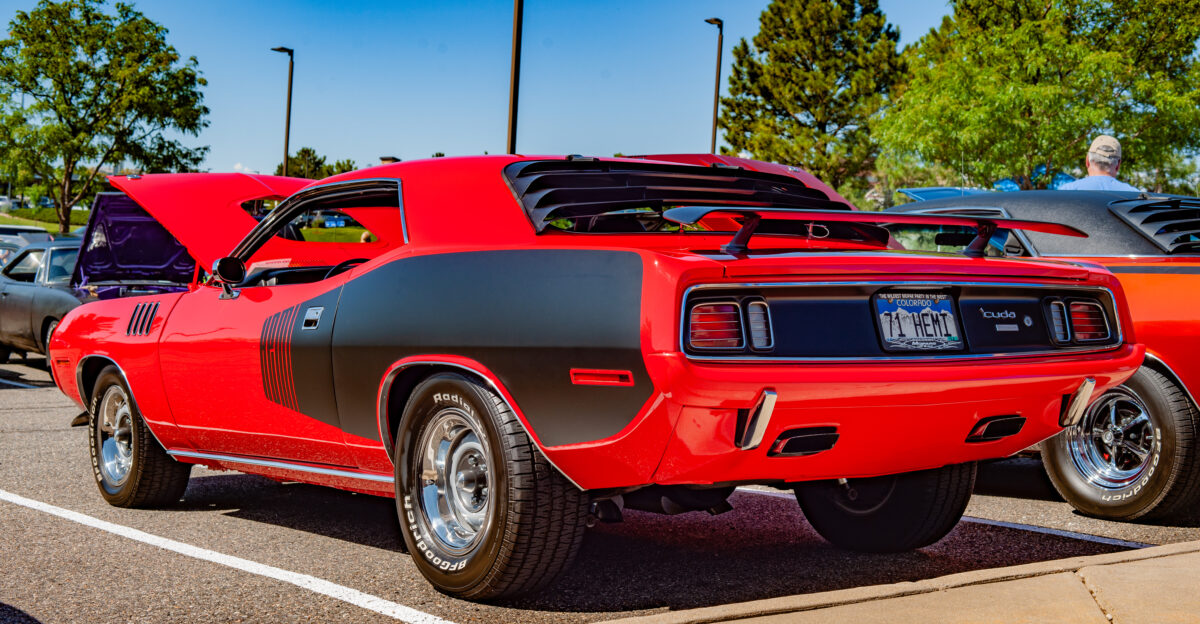
2. The 1971 Plymouth HEMI ‘Cuda Convertible—The Rarest Production Muscle Car
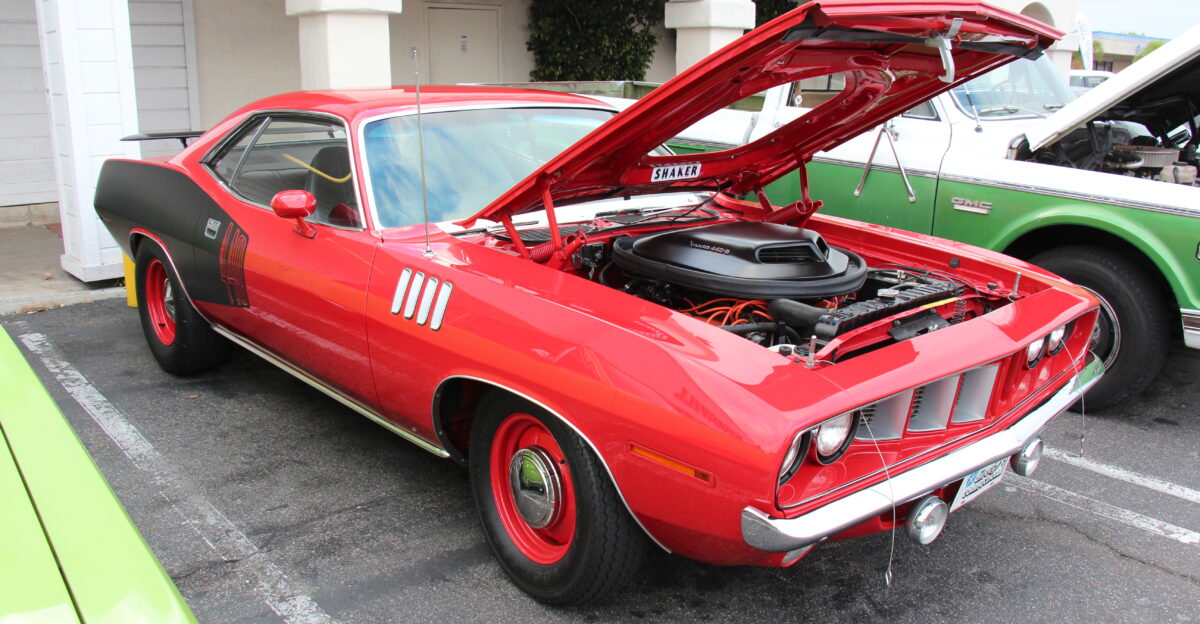
Federal regulations and insurance ended the muscle car boom in 1971. Plymouth made only 11–12 HEMI ‘Cuda convertibles. Five were exported; three had 4-speed manuals, the rest automatics. With 425 horsepower and 490 pound-feet torque, these machines were monstrous. Fewer than 10 survive today. One sold for $3.5 million in 2014. Mecum estimates current value at $4.2 million, proving rarity dictates astronomical worth.
3. The 1970 Plymouth HEMI ‘Cuda Convertible—The Mythical Beast
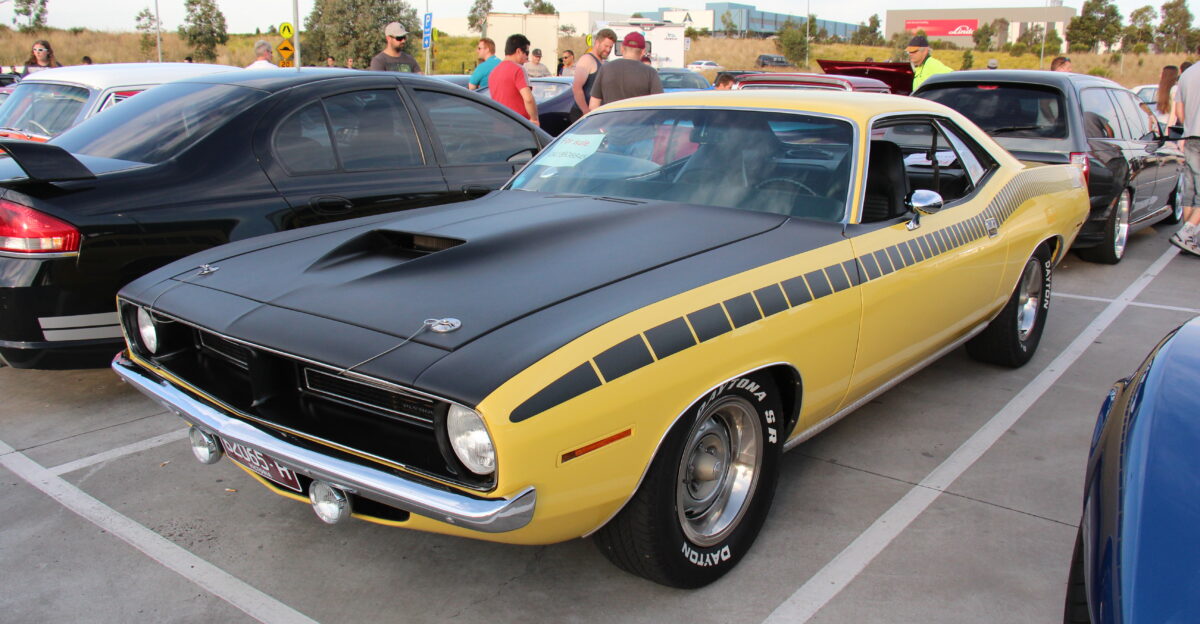
Fourteen convertibles exist today. Peak availability came in 1970 before regulations crushed the market. 426-cubic-inch HEMI engines produced extreme power. Original MSRP: $3,200; current value: $2–$2.25 million. The 2015 Mecum Monterey sale hit $2.25 million. Mopar enthusiasts document each survivor. Finding one is like unearthing treasure. Museums compete for custody. Collectors consider owning a ‘Cuda a lifetime achievement.
4. The 1963 Chevrolet Impala Z11—Chevy’s Hush-Hush Drag Weapon
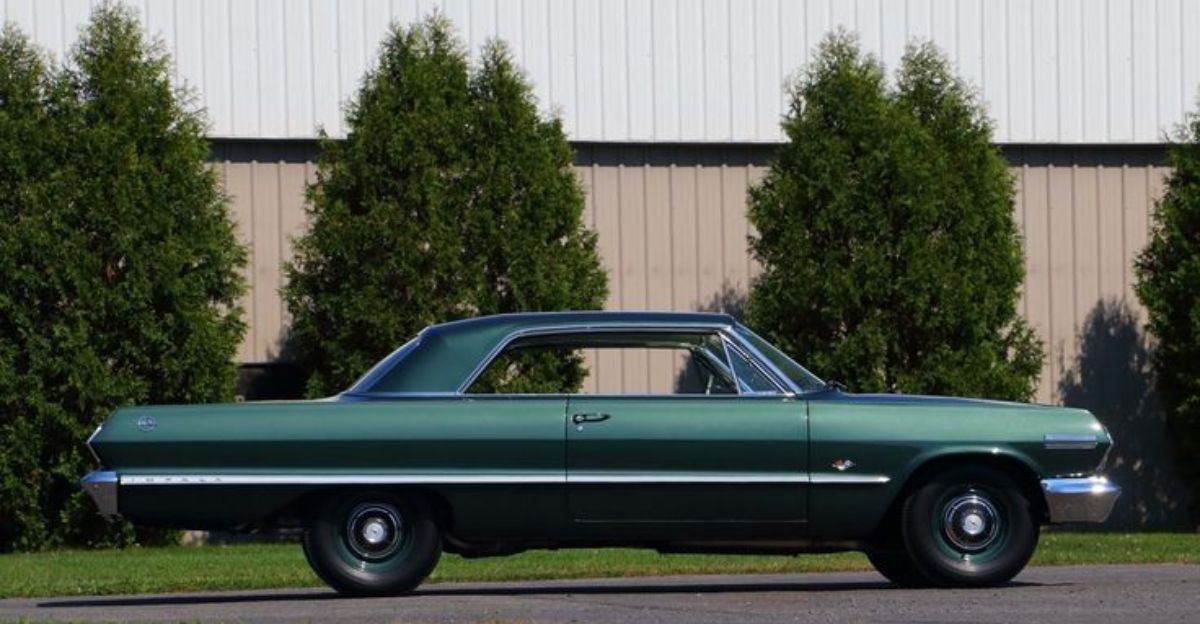
Only 57 Z11s were made via COPO. The 427-cubic-inch “W-Series” V8 produced 500+ horsepower. Aluminum body panels and stripped interiors reduced weight. Many raced to destruction; survivors are rare. Auctions fetch seven-figure prices. The Z11 represents Chevrolet’s ultimate factory drag car, designed to dominate the 427 Galaxies. Today, these legendary machines command valuations of $432,500+, blending history with modern collector demand.
5. The 1969 Chevrolet Camaro ZL1—Only 69 Built Worldwide
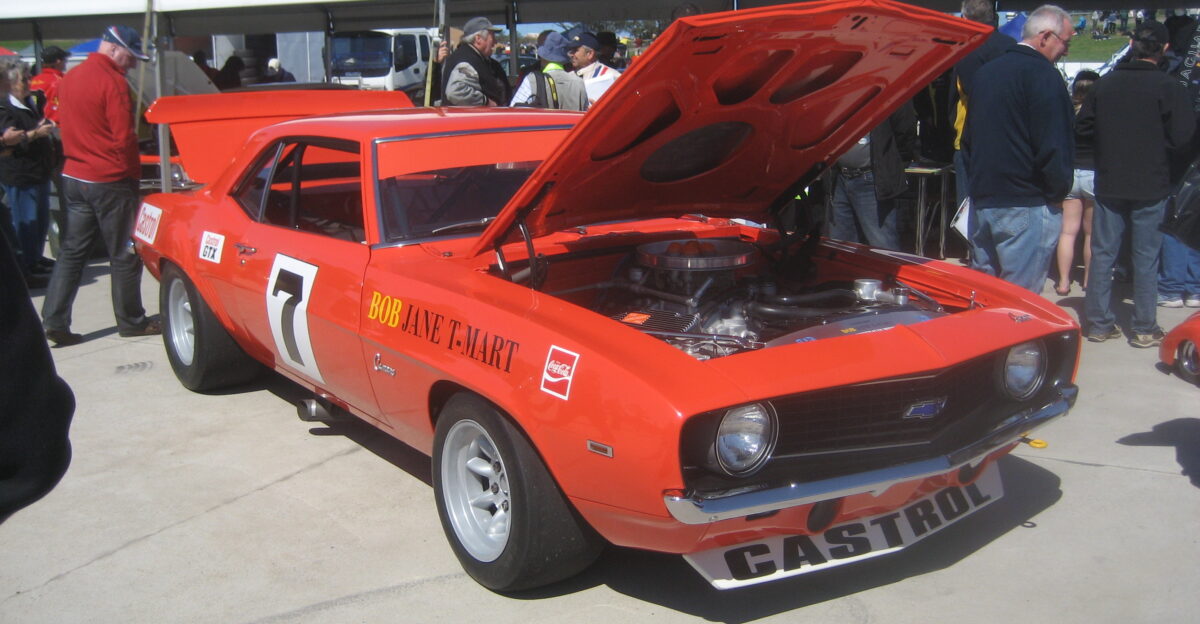
Chevrolet produced 69 COPO 9560 ZL1 Camaros, 50 ordered by one dealership. Big-block engine: official 430 horsepower, actual 550+. Original MSRP: $7,200 plus $4,160 for the engine. Total cost exceeded $11,000, equivalent to a luxury sedan today. A 1969 ZL1 sold for $1,094,500 at Barrett-Jackson. Appreciation: 15,097% since purchase. The ZL1 is the rarest big-block Camaro, a mechanical and financial legend.
6. The 1968 Dodge Hemi Dart LO23—The Factory Drag Car
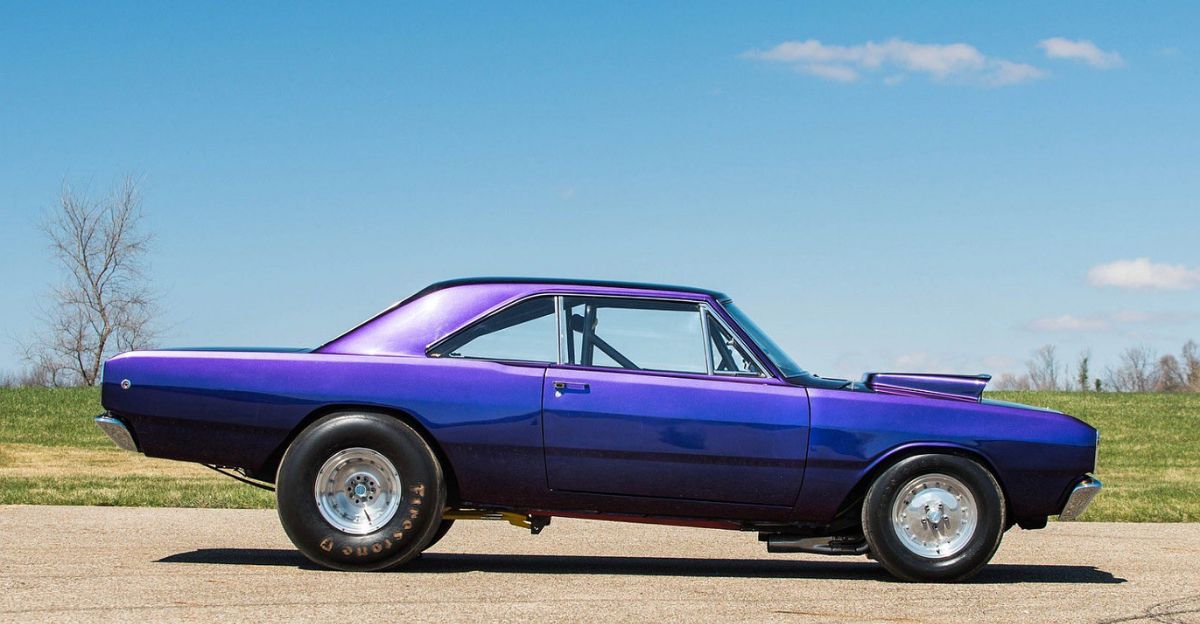
Dodge built 80 Hemi Dart LO23s for NHRA drag racing. Lightweight fiberglass, aluminum, and stripped interiors defined them. Original MSRP: $5,146; today: $220,000–$302,500. The 2022 Mecum Kissimmee sale set $302,500 for the most original. Delivered as “sold as-is” racers, many perished on tracks. About 40–50 survive. The LO23 epitomizes Dodge’s drag racing commitment, combining rarity, performance, and historical significance.
7. The 1967 Shelby GT500 Super Snake—One-Of-One Prototype
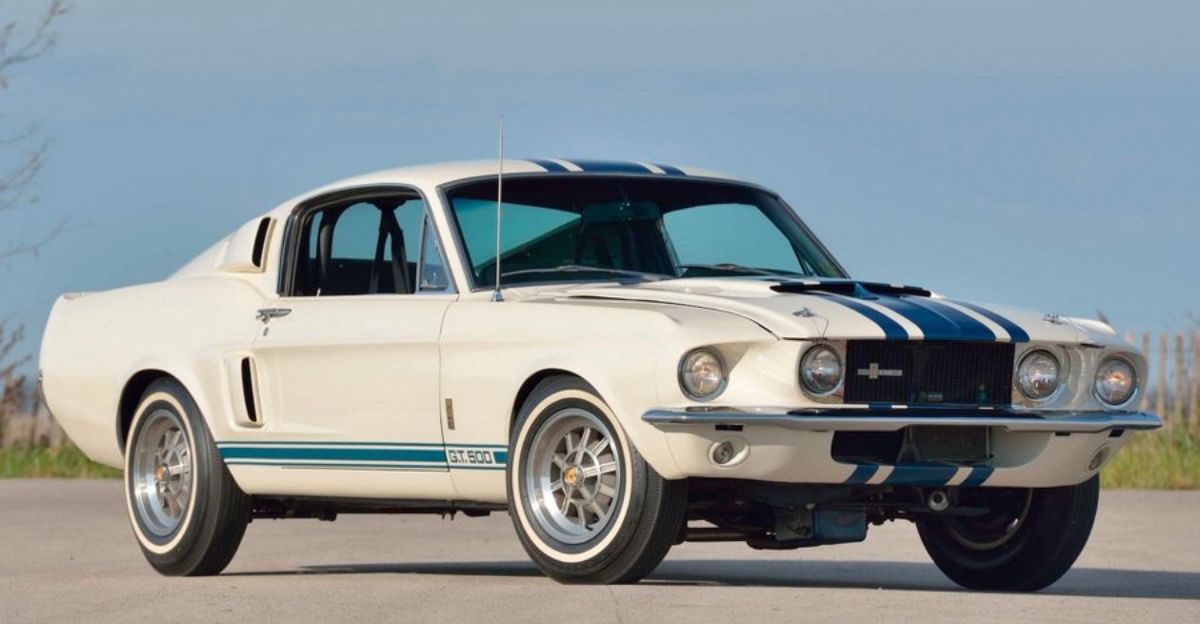
Carroll Shelby built one Super Snake in 1967, twin 427-cubic-inch engines producing 800+ horsepower. Whether it was ever driven remains debated. Production never extended beyond this prototype. 2013 Mecum sale: $1.3 million; 2019: $2.2 million. Only the original commands these stratospheric prices. The Super Snake represents the wildest “what-if” in muscle car history, blending prototype audacity with extreme rarity.
8. The 1970 Dodge Challenger R/T HEMI Convertible—Only 9 Built
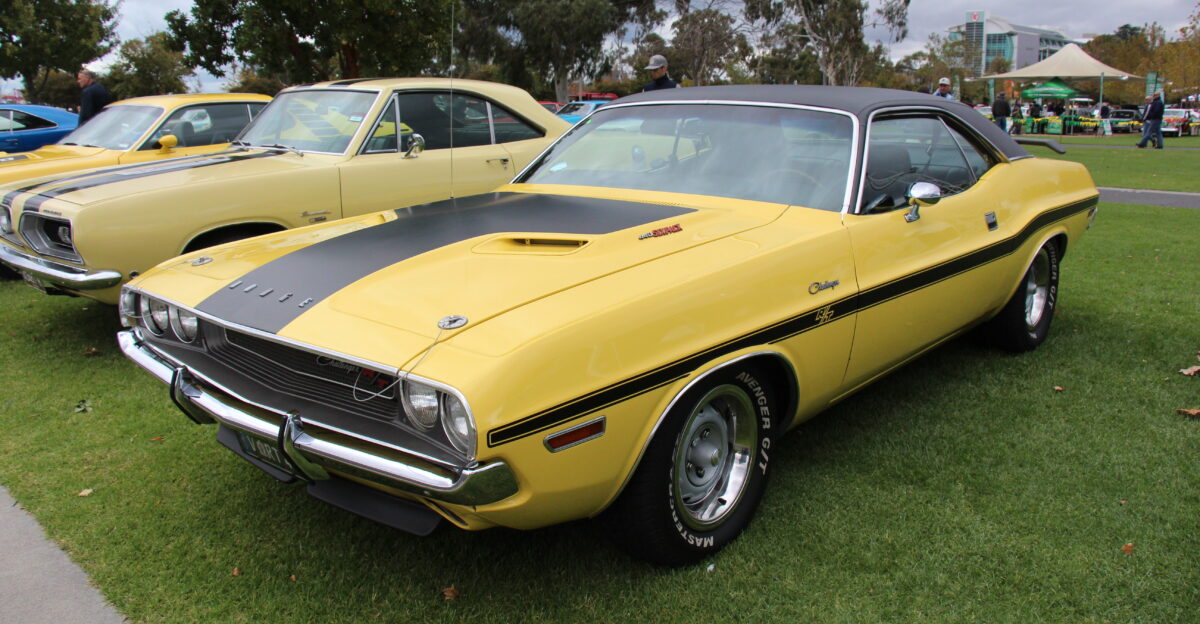
Dodge made 963 R/T convertibles in 1970, only 9 with 426 HEMI engines. 425 horsepower, 490 pound-feet torque. MSRP: $3,600; current value $1.5–$2 million. Almost every survivor is personally documented by enthusiasts. With 0.01% of total production, these convertibles are peak E-body exclusivity. Discovering one today is akin to automotive archaeology, an extremely rare glimpse at muscle car perfection.
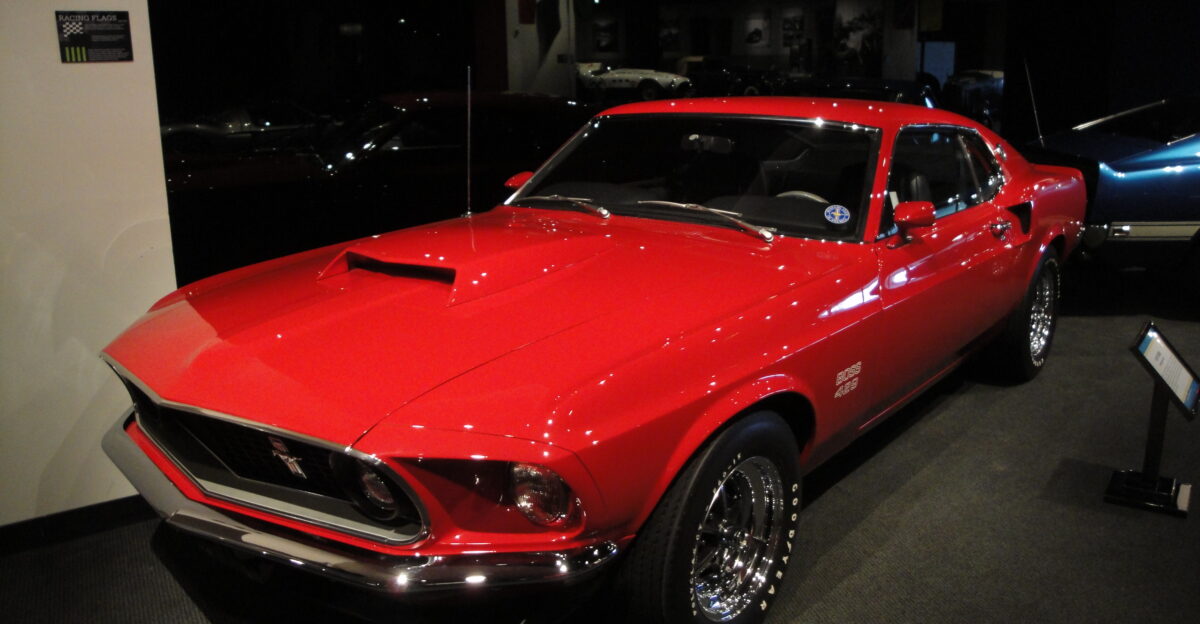
9. The 1969 Ford Mustang Boss 429—859 Purpose-Built NASCAR Homologation Vehicles
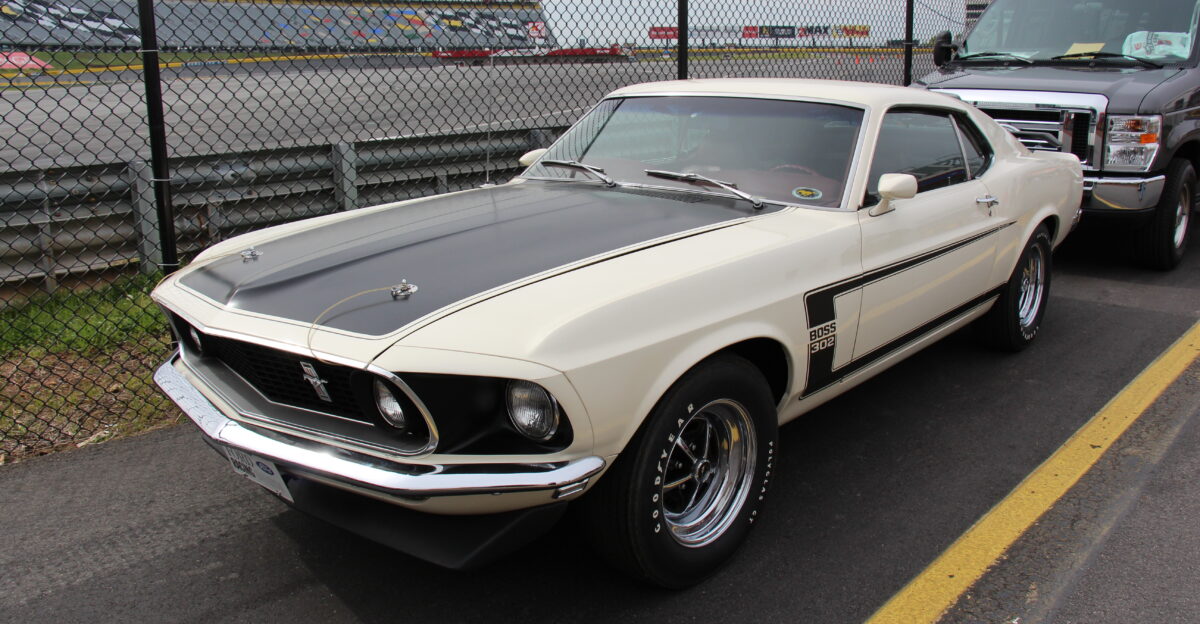
Ford built 859 Boss 429 Mustangs in 1969 to satisfy the 500-unit NASCAR minimum. Kar Kraft hand-assembled each. Engine: 375 horsepower officially, actual 500+ with tuning. MSRP: $4,740; current value: $240,000–$550,000. Low-mileage cars exceed $550,000. The Boss 429 won 26 NASCAR races. While less rare than other entries, it offers serious collectors an attainable step into ultra-rare muscle car ownership.
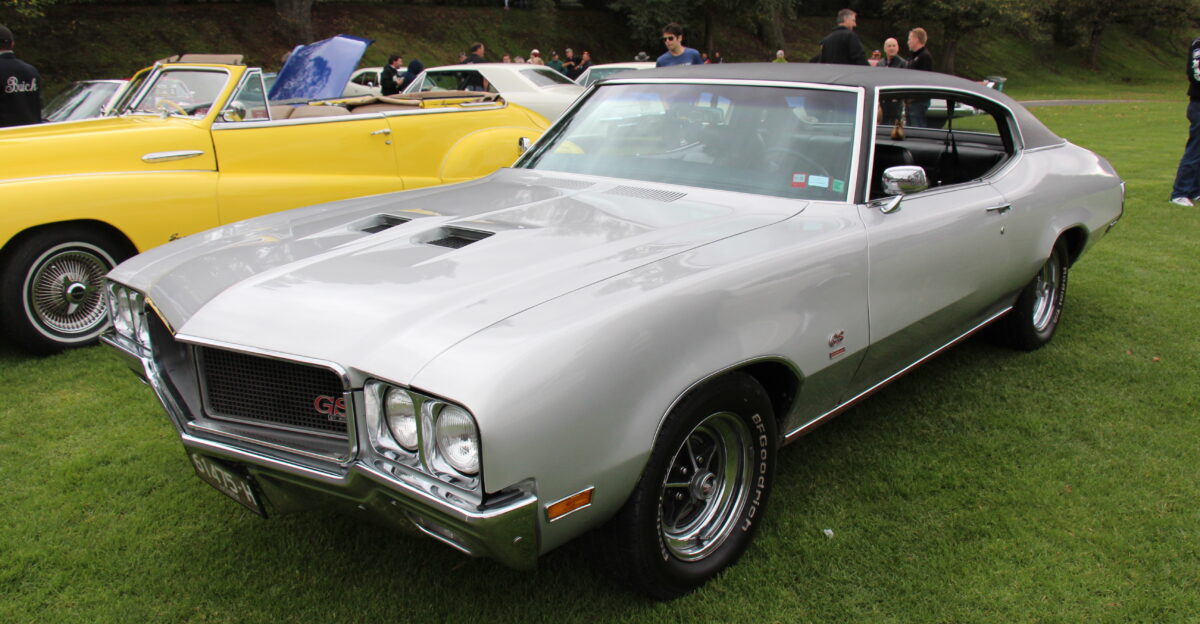
10. The 1970 Buick GSX Stage 1—The Gentleman’s Muscle Car
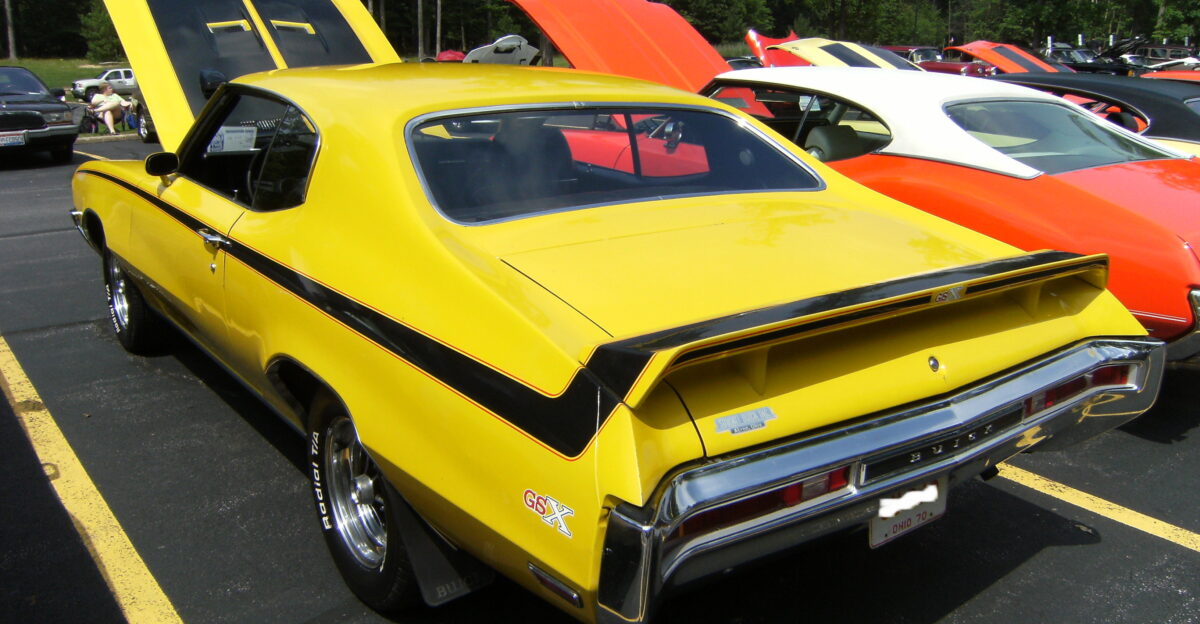
Only 400 GSX Stage 1s were built in 1970. Luxurious yet powerful, 455-cubic-inch V8 produced 360 horsepower officially, 500+ pound-feet torque. MSRP: $5,674; Hagerty values pristine examples at $172,000. Apollo Yellow or Saturn Yellow only. Production dropped sharply after 1970: 124 in 1971, 44 in 1972. GSX Stage 1 combined luxury and NASCAR-level performance, offering exceptional value compared to rarer competitors.
The Market’s Brutal Lesson: Scarcity Equals Wealth
These 10 cars prove scarcity drives exponential value. Corvette ZL1? Only 2 sold. HEMI ‘Cuda? 11–12 produced. Rust, accidents, and neglect destroyed countless others. Collectors estimate fewer survivors than originally built. Attrition transforms these cars into irreplaceable artifacts. Classic car values now rise 8–15% annually; some appreciate 15,000%+ over decades. These machines are no longer cars—they’re generational wealth.
Why Collectors Fight For These Machines
Billionaires, museums, and investment funds fight for acquisitions. Auctions like Mecum and Barrett-Jackson trigger global attention. Prices rise predictably: $2 million today may be $3 million tomorrow. Historical significance is paramount. The 1963 Z11, 1969 Boss 429, and 1970 HEMI ‘Cuda embody unrestricted American engineering. Museums preserve them as mechanical art. Collectors pursue them as ultimate trophies and investment vehicles.
The Collector’s Dilemma: Beauty Versus Investment
Ownership demands careful preservation. Temperature-controlled garages, specialized insurance, and maintenance exceed $50,000 annually for prime examples. Driving risks catastrophic depreciation. Museums display vehicles safely; collectors juggle enjoyment and preservation. A $2 million HEMI ‘Cuda generates returns in storage but offers no driving thrill. Elite collectors often split strategies: display at events while maintaining pristine condition, balancing joy and financial protection.
The Final Word: Untouchable Legacy
These 10 vehicles are the apex of muscle car collecting. Combined value: over $500 million. Total production: under 2,500; surviving cars: 1,200–1,500. For most, these cars exist only in magazines and livestreams. They are automotive legends, preserved meticulously by wealthy collectors and museums. They capture vanished American culture, frozen in fiberglass, steel, and performance for future generations.
Sources
1969 Chevrolet Camaro ZL1 Valuation Tools. Hagerty Valuation Tools, 2024
Numbers-Matching 1967 Corvette L88 Auction Record. Motor Authority, 2023
First Drive: 1967 Shelby GT500 Super Snake Continuation. Motor Trend, 2017
Dodge Drops the A-Bomb: 1968 HEMI Dart Documentation. DodgeGarage, 2018
1 of 3 Prototypes: The Ford Torino King Cobra History. Silodrome, 2023