
Researchers at the University of Wisconsin–Madison, funded by the Defense Threat Reduction Agency (DTRA), sent T7 bacteriophages to the International Space Station (ISS). The space-evolved viruses developed mutations that improved their ability to target drug-resistant E. coli, the bacterium responsible for urinary tract infections (UTIs).
This breakthrough could help address antibiotic resistance, a growing crisis that affects 2.8 million Americans annually, costing the healthcare system $4.6 billion and causing approximately 35,000 deaths each year. The study sets in motion potential ripple effects across healthcare, policy, and military preparedness.
Why It’s Happening: The Cause

Antibiotic resistance is accelerating, with drug-resistant pathogens like E. coli and MRSA outpacing the development of new drugs. The World Health Organization warns that, by 2050, resistance could lead to 39 million deaths worldwide.
To combat this, researchers at the University of Wisconsin turned to space, hoping microgravity’s altered conditions could expose new evolutionary pathways. Their goal was to design phage therapies to complement antibiotics and target infections that traditional treatments can no longer address.
Direct Consumer Impact

A woman recovering from surgery faces an infection resistant to antibiotics—this is becoming more common as superbugs emerge. Once treatable, routine infections like UTIs are now becoming serious threats, particularly when caused by multidrug-resistant bacteria.
As interest in phage therapy grows, consumers are increasingly inquiring about antibiotic alternatives. A demand for phage therapy is emerging, and hospitals are quietly preparing to explore new infection control strategies.
Pharmaceutical Companies Scramble
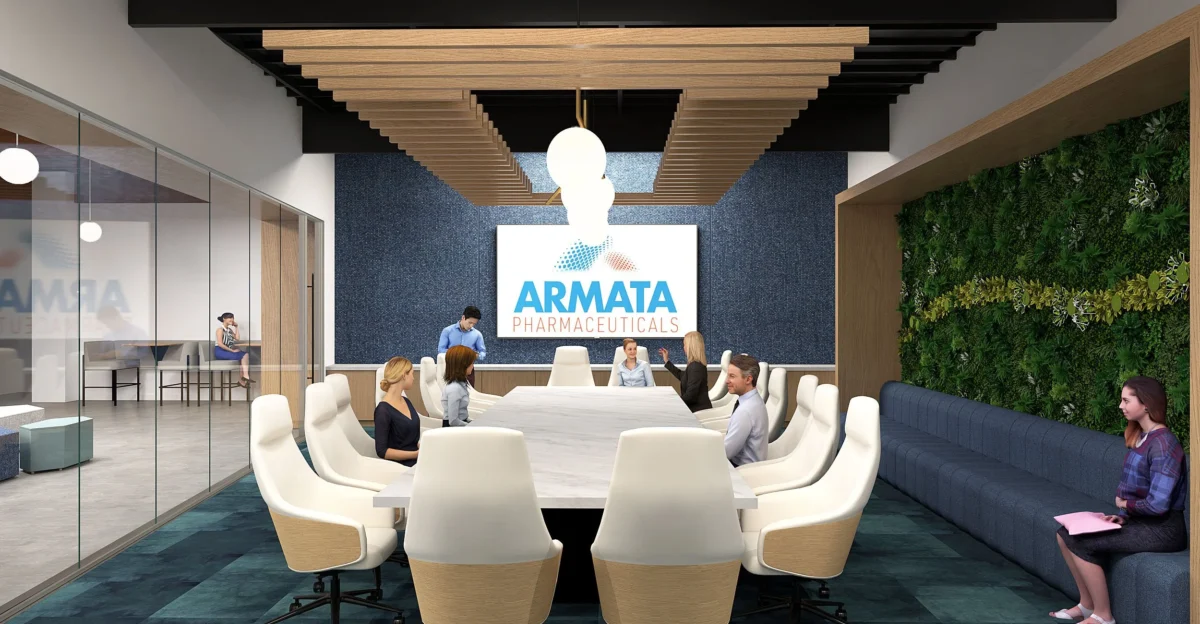
The Wisconsin discovery has made waves in pharmaceutical boardrooms. Companies such as Armata Pharmaceuticals and Locus Biosciences are fast-tracking their phage-based products. Armata is advancing its phage therapy for Staphylococcus aureus to Phase 3 clinical trials.
Meanwhile, biotech firms are investing heavily in phage research as the market for these novel treatments expands. The space-driven breakthrough helps validate phage therapy as a legitimate solution, prompting regulators and the pharmaceutical industry to take notice.
Adjacent Markets Boom
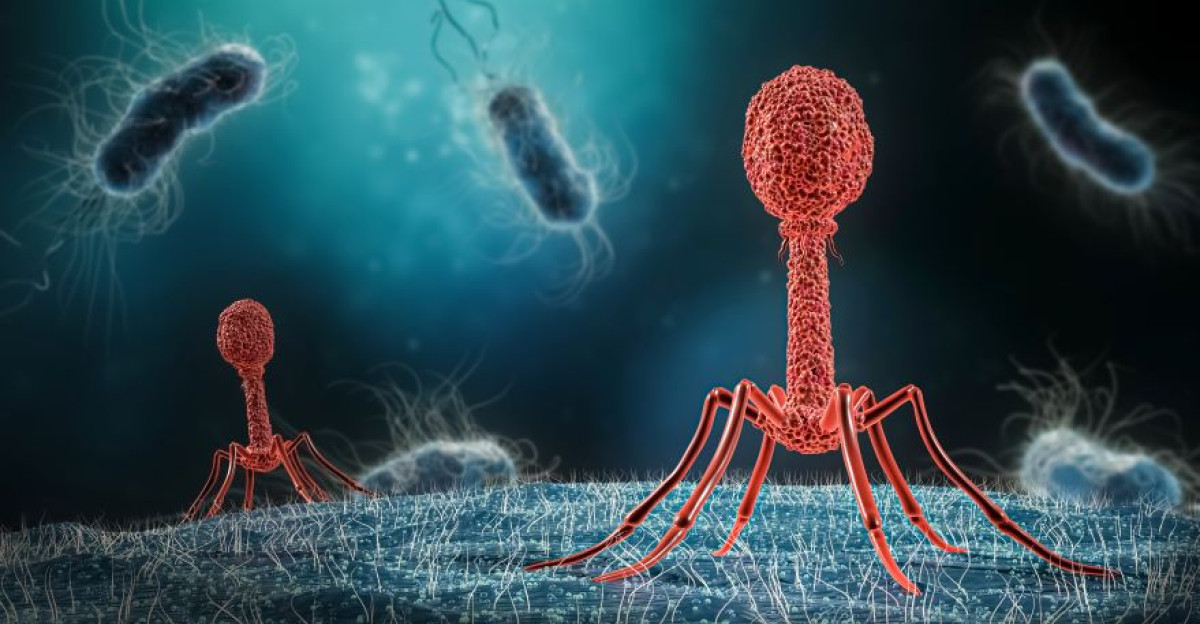
With the development of phage therapy accelerating, the diagnostic sector is rapidly expanding. Companies focused on creating phage-susceptibility tests are attracting more investment. Contract manufacturers are adapting bioreactor systems to scale up phage production.
Diagnostic labs are investing in microbiology tools to map bacterial resistance and match phages to infections. The phage therapy industry is driving a new wave of growth in biotech, creating new opportunities in diagnostics, manufacturing, and support services.
International Trade and Competitiveness
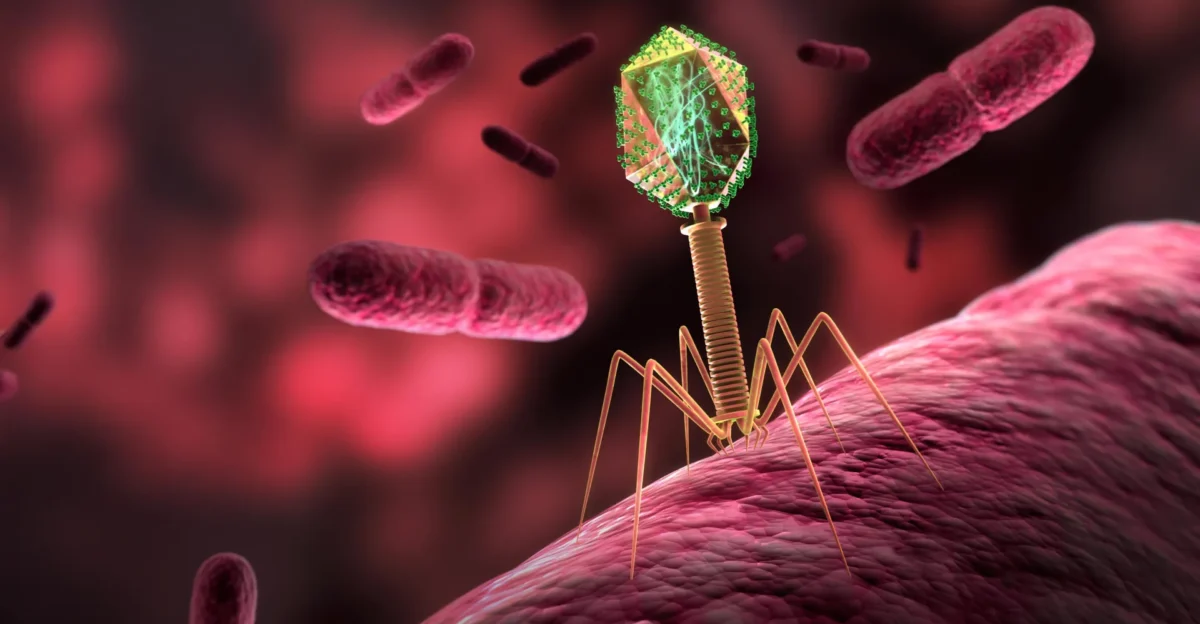
The Wisconsin study signals to international research powers that space-based biomedical research is a frontier worth exploring. Countries like Germany, Canada, and China are increasing their investments in microgravity research, aiming to make similar discoveries.
As phage research becomes more prominent, it enhances global collaborations and stirs competition. Nations with high rates of antibiotic resistance, like India, see potential in phage therapies as solutions to their growing crisis.
The Human Story—Workers in the Phage Supply Chain
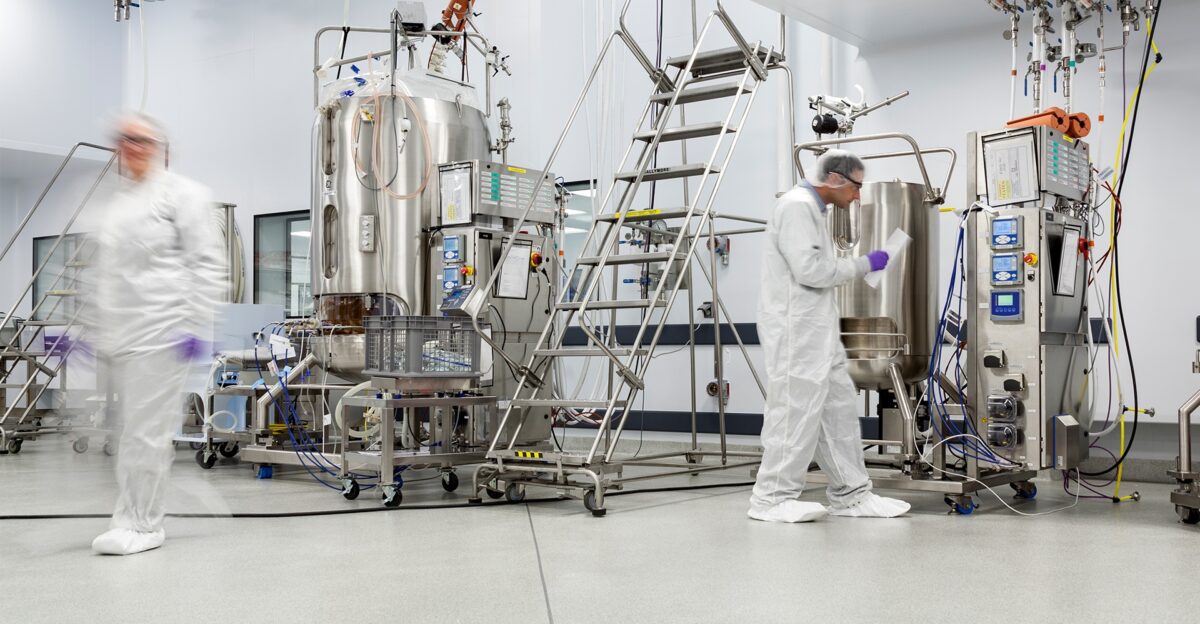
The rise of phage therapy brings new career opportunities for biotechnicians and lab staff. Workers skilled in fermentation and phage production are now in high demand. Technicians at phage manufacturing centers handle custom viral preparations, ensuring that new therapies reach clinical trials.
As demand for phage products increases, specialized workers in biotech hubs like San Francisco and Boston are seeing rising wages and job security. The space experiment is directly impacting the global workforce dedicated to fighting antibiotic-resistant infections.
Policy and Military Preparedness Shift

The Pentagon’s involvement in funding space-phage research reflects the serious threat that antibiotic resistance poses to national security. Drug-resistant infections could incapacitate military personnel and disrupt critical infrastructure. The U.S. Department of Defense (DOD) now views phage therapy as an essential tool in biowarfare defense.
The CDC and Congress have increased funding for antimicrobial resistance research, with phages becoming a focal point for future biodefense strategies. This discovery underscores the need for nontraditional countermeasures in national security.
Inflation and Healthcare Costs Tighten

Antibiotic-resistant infections cost the U.S. healthcare system $4.6 billion annually. Phage therapy presents potential cost savings by reducing hospital stays and preventing complications from resistant infections. If phages prove effective at scale, healthcare providers could reduce reliance on expensive antibiotics.
However, clinical trials, manufacturing challenges, and cost-effectiveness require thorough examination. The Wisconsin discovery demonstrates that space-evolved phages could alleviate some of the economic burden, although much work remains.
Lifestyle and Health Behavior Changes

As drug resistance becomes more prevalent, consumers are changing their health behaviors. Patients are asking more questions about antibiotics and exploring alternatives like phage therapy. Food companies are emphasizing “antibiotic-free” products, and hospitals are adopting stricter infection control measures.
This shift is part of a broader movement toward antimicrobial stewardship—reducing unnecessary antibiotic use and promoting healthier lifestyles to combat resistance. The space discovery adds momentum to this cultural pivot, focusing on prevention and precision in treatment.
Environmental and Sustainability Implications

Phage therapy also has environmental implications, especially in agriculture. Rather than using antibiotics in livestock feed, targeted phages could reduce bacterial infections in cattle and poultry. This shift could prevent the contamination of water supplies and reduce resistance in environmental microbes.
Wastewater and aquaculture systems may also adopt phage treatments to minimize pathogen loads without resorting to chemical antibiotics. The Wisconsin study shows how space-driven evolutionary insights can provide more sustainable solutions for microbial control.
Global Perception and Medical Inequity

In countries like India, where antibiotic resistance rates are high, the Wisconsin discovery offers both hope and concern. While phage therapy provides a solution to growing resistance, access remains an issue. Expensive phage treatments could be out of reach for patients in low-income countries unless intellectual-property strategies and pricing structures are addressed.
Global health organizations are advocating for equitable access to new therapies, ensuring that innovations like space-evolved phages benefit the most affected populations worldwide.
Unexpected Winners and Losers

The phage therapy breakthrough benefits certain industries, particularly biotech firms like Armata Pharmaceuticals and Locus Biosciences. Diagnostic companies such as Illumina and Oxford Nanopore are gaining traction as genomic sequencing and resistance profiling grow in importance.
On the other hand, traditional antibiotic manufacturers may face challenges if phage therapy becomes mainstream. The shift toward phage-based treatments could reduce demand for older antibiotics and disrupt established pharmaceutical markets.
Financial Markets and Investor Guidance

Following the release of the Wisconsin study, biotech stocks, particularly Armata Pharmaceuticals, saw significant gains. Investors are enthusiastic about phage therapy’s potential, but experts urge caution. Clinical trials and regulatory hurdles remain.
Financial advisors recommend a balanced approach, suggesting some capital be invested in phage-focused firms and some in more diversified biotech companies. The Wisconsin discovery adds another layer to the evolving market, highlighting the high stakes of these groundbreaking therapies.
Forward Reflection: The Next Frontier

The Wisconsin experiment demonstrated that space alters the evolution of viruses, offering a new avenue for developing phage therapies against drug-resistant infections. However, translating these results into routine patient care requires overcoming challenges in manufacturing, safety, and regulation.
The next steps include clinical trials and scaling up production to meet demand. As other nations launch similar research, the future of phage therapy depends on proving its effectiveness and ensuring equitable access for all. The journey from space to healthcare is just beginning.
Sources:
“Microbes mutated in space hint at biomedical benefits to humans on Earth.” University of Wisconsin–Madison News, 13 Jan 2026.
“Antimicrobial Resistance Facts and Stats.” Centers for Disease Control and Prevention, 4 Feb 2025.
“CDC partners estimate healthcare cost of antimicrobial‑resistant infections.” Centers for Disease Control and Prevention Public Health Stories, 4 Feb 2025.
“Viruses that evolved on the space station and were sent back to Earth were more effective at killing bacteria.” Live Science, 18 Jan 2026.