
The things designed to signal wealth often do the opposite. While Americans face record financial strain—with 48% reporting increased money stress in 2026 and average unsecured debt hitting $33,000—a documented pattern emerges: visible status symbols actually broadcast financial insecurity to genuinely wealthy observers.
A former financial analyst turned writer identified eight behaviors that paradoxically reveal struggling budgets rather than affluence, revealing how conspicuous consumption has become a poverty signal in plain sight.
1. Loud Designer Logos

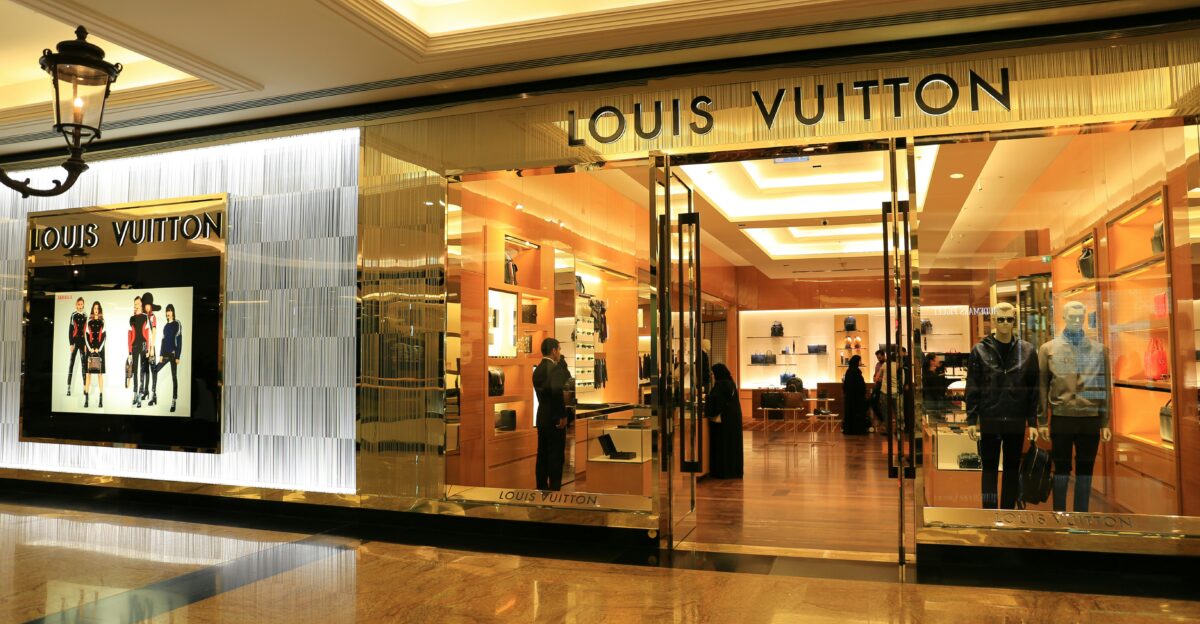
Big logos feel like a shortcut to perceived status, but research shows the opposite effect. Individuals with lower financial self-esteem are significantly more likely to purchase items displaying visible logos—a pattern financial analysts recognize as insecurity signaling.
Logo-heavy belts, bags, and jackets often read as someone seeking external validation rather than feeling secure in their status.
Genuine wealth tends toward discretion: understated fabrics, unmarked luxury, and “inconspicuous consumption” that doesn’t announce itself.
2. Overly Flashy Cars
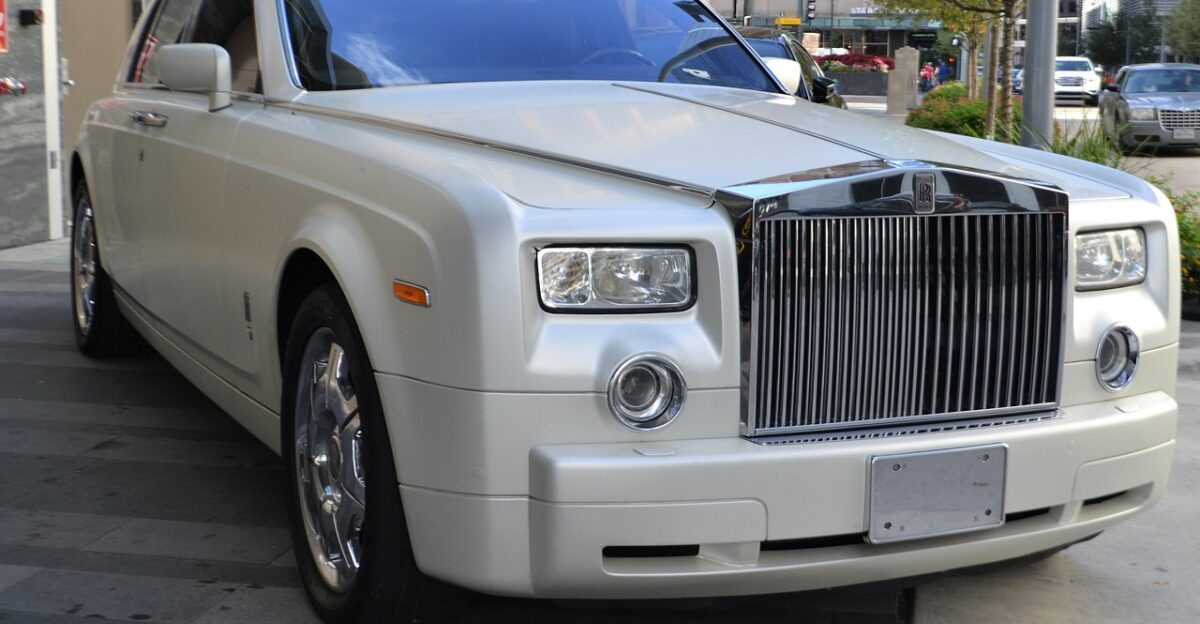
Record numbers of Americans are stretching into unsustainable auto loans. As of Q4 2025, 20.3% of new car buyers committed to $1,000+ monthly payments—a level approaching financial crisis territory.
The article notes: “Stretching payments, high-interest loans, or leasing purely for appearances sends a signal of financial strain, not success.”
Auto loan delinquency rates are climbing, while genuinely wealthy individuals often drive reliable but “boring” vehicles, prioritizing function over appearance.
3. Obsessive Price-Tag Talk

Constantly mentioning how much something costs—the “$900 jacket” phenomenon—functions as a subtle plea for approval.
Research confirms: talking about price is often a way of asking for acknowledgment.
This behavior signals insecurity about whether the purchase was justified or truly within reach. Financially secure individuals rarely broadcast expenditures; they demonstrate ease by treating purchases as unremarkable. Price-broadcasting reveals underlying doubt about financial position.
4. Trend-Chasing
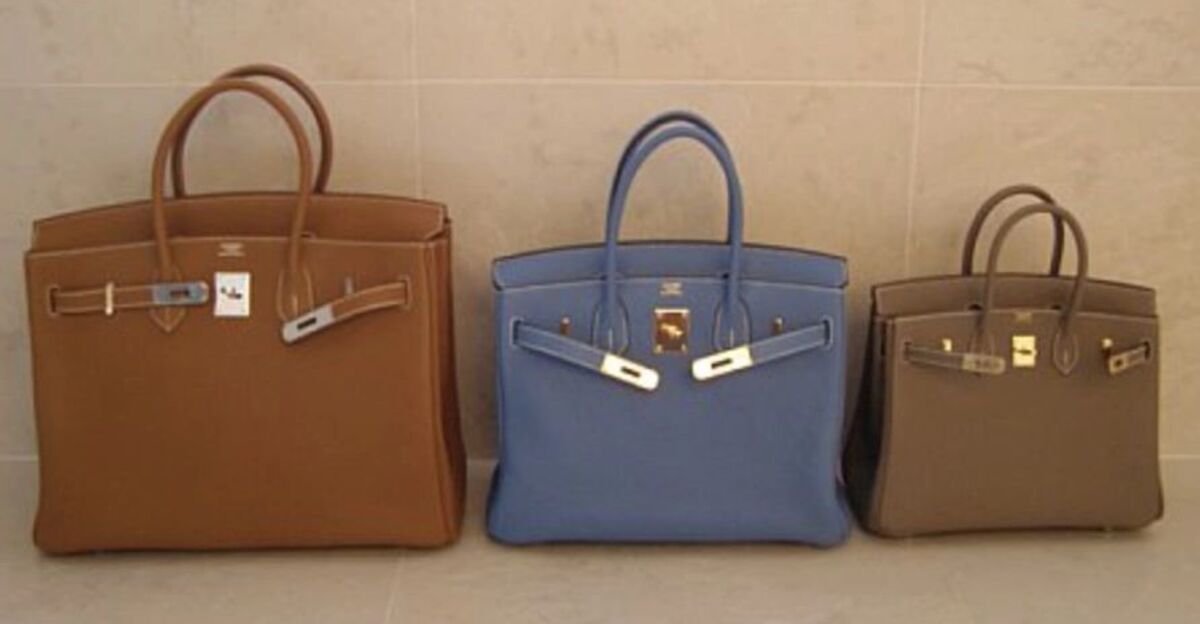
Constantly updating wardrobes to match every microtrend signals someone looking outward for cues on how to be perceived rather than inward for self-confidence.
This behavior—replacing functional items with fashionable ones—strains budgets while broadcasting insecurity.
Academic research on status-seeking behavior shows lower-income consumers disproportionately chase trends, spending higher percentages of their income on items signaling temporary status. The pattern leaves budgets bleeding while trends fade monthly.
5. Performative Luxury Experiences

Over-the-top luxury experiences—particularly those documented and shared publicly—often indicate financial strain rather than genuine wealth.
Academic studies reveal conspicuous consumption increases with debt burden; consumers with higher status-signaling motivation carry 108% more delinquent credit card debt.
Performative experiences (expensive restaurants, luxury vacations, high-end events) frequently result from borrowing rather than genuine financial capacity, creating a visible-but-vulnerable appearance of affluence.
6. Over-Accessorizing

Layering multiple logos, designer pieces, and statement accessories simultaneously signals insecurity more than sophistication. The psychology is clear: stacking status symbols suggests worry that any single item won’t communicate wealth effectively.
Genuinely affluent individuals typically embrace minimalism—one quality piece rather than five branded items.
Over-accessorizing reflects anxiety about being perceived as insufficiently wealthy, creating the opposite impression among discerning observers who recognize the signal as financial desperation masked as style.
7. Mocking “Cheap” Things

Publicly dismissing discount stores, secondhand shopping, or budget brands reveals insecurity about financial position. Paradoxically, genuinely wealthy people “happily shop at discount stores, buy secondhand” without embarrassment—they value function and value over appearance.
Those who mock cheaper alternatives often do so because they’re financially dependent on appearing wealthy; genuine wealth permits authenticity.
This behavior signals that the observer equates consumption level with self-worth, a vulnerability only visible to those who’ve transcended that equation.
8. Equating Consumption with Success

The belief that buying expensive things equals being successful represents the core trap. This confusion drives the entire cycle: lower-income consumers spend disproportionately on status goods, increasing debt burden, while appearing wealthy without achieving it.
Academic research confirms: “Status signaling often happens amongst people earning less, who then spend a higher percentage of their pay on status goods.”
This final signal reveals the psychological foundation undergirding all seven previous signals—the fundamental miscalibration between consumption and actual financial security.
The Financial Reality Behind the Signals
Americans are experiencing acute financial strain precisely when status-signaling is most visible. In 2025-2026, 72% of Americans experienced financial setbacks, 55% reported feeling overwhelmed by finances, and 69% of middle-income households said their income is falling behind living costs.
Simultaneously, average unsecured debt hit a record $33,000 in December 2025, with credit card debt averaging $11,413 and rising 4.34% year-over-year.
This backdrop reveals the eight signals not as style choices but as symptomatic behaviors—survival mechanisms in an economy where appearance increasingly substitutes for actual security.
Why Conspicuous Consumption Traps Lower-Income Households
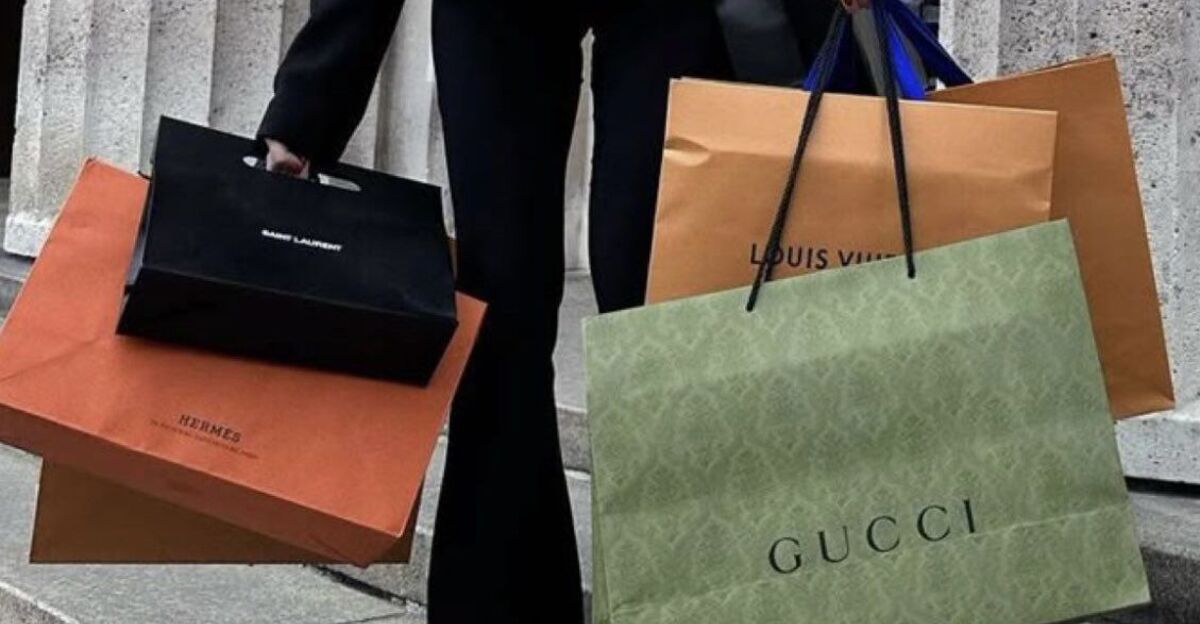
The academic mechanism is clear and documented: conspicuous consumption increases with inequality. “When inequality is high, people devote more resources to the pursuit of goods that can function as signals of one’s wealth,” according to peer-reviewed research.
Critically, this behavior is “powerful among individuals with a low rank among peers”—precisely those least able to afford it.
Status-signaling borrowing creates a vicious cycle: individuals increase debt seeking to appear financially secure, but the increased debt broadcasts the opposite. The trap is structural, not individual.
The 108% Debt Penalty of Status-Seeking

The quantified cost of status-signaling is staggering. Consumers with higher conspicuous motivation carry 7% more credit card debt and—critically—108% more delinquent credit card debt than those who prioritize functional consumption. This isn’t marginal: it’s a behavioral marker of financial distress.
Research from Singapore’s consumer transaction dataset demonstrates “costly borrowing increases with conspicuous consumption, and that this is driven by low-income subjects.”
The 108% delinquency premium reflects not a lifestyle choice but financial instability masked by a branded appearance.
The Psychological Mechanism: Financial Worries and Status Anxiety

Financial worries aren’t separate from status-signaling; they’re its root cause. National health research involving 22,682 Americans found financial worries are “significantly associated with higher psychological distress.”
This psychological distress then drives compensatory behaviors—acquiring status symbols to externally project the security the individual lacks internally.
The cycle perpetuates: financial insecurity breeds anxiety, which drives consumption of status goods, which increases debt, which intensifies financial insecurity. Breaking the cycle requires recognizing the signal for what it is: evidence of underlying stress, not evidence of wealth.
Historical Context: Conspicuous Consumption as Concept

The pattern Avery White identifies isn’t new; it echoes Thorstein Veblen’s 1899 concept of “conspicuous consumption.” Veblen observed wealthy individuals using visible consumption to demonstrate status—but he distinguished between those actually possessing wealth and those mimicking it.
Modern research reveals the inverse: in high-inequality societies, lower-income populations disproportionately engage in conspicuous consumption precisely because they lack the security wealth provides.
The “fake rich” pattern represents not individual failure but a predictable economic response to inequality, one documented across cultures and centuries.
The Generational Wealth Distinction

One of the article’s most revealing points: those with generational wealth exhibit opposite behaviors. “People with real money tend to value discretion…Many intentionally drive boring vehicles…happily shop at a discount store, buy secondhand.”
This isn’t false modesty; it reflects security. Generational wealth removes the need to signal status through consumption because security is internalized.
The distinction between status-seekers and genuinely affluent individuals is behavioral, not economic—and that behavioral difference becomes visible precisely through consumption patterns and public statements about money.
The Middle Class Vulnerability Paradox

Research shows the middle class—not the poorest populations—are most vulnerable to conspicuous consumption traps. “Studies have reported the middle class as the most immediately vulnerable to debt,” and “more than half of South Africa’s middle class are unable to meet their debt commitments consistently.”
The paradox: middle-class individuals have enough income to access credit but insufficient security to resist status-signaling debt.
Working-class Americans are “more likely to fall behind on bills, carry debt and turn to risky payment tools.” The trap targets those with just enough reach to grasp but not enough stability to maintain.
The Cultural Inversion: What “Real Luxury” Actually Is

Avery White’s conclusion inverts traditional status hierarchies: “Ease is the real luxury. Not the logo. Not the car. Not the post. Ease.”
This captures a fundamental shift. Genuine luxury—in the eyes of those who possess it—isn’t visible consumption but invisible security: time freedom, low stress, financial options, health, and the psychological ease of knowing obligations are met.
This definition of luxury is inaccessible through consumption; it requires the opposite—restraint, delayed gratification, and the security that comes from living below one’s means rather than performing beyond them.
The Recognition Gap: What Wealthy Observers Actually Notice
The article’s crucial insight: “Genuinely wealthy observers” recognize these eight signals as markers of financial insecurity precisely because they’ve experienced the internal security that allows you to stop signaling externally.
A junior analyst “dripping in logos” next to a partner in a “plain sweater and scuffed boots” reveals the gap—the logos signal, the plainness exudes. This recognition gap explains why status-signaling is most visible among lower-income populations seeking to be perceived as wealthier: the wealthy have already decoded the signal.
The appearance of wealth broadcast through consumption is recognized by genuine wealth as evidence of its absence.
The Escape: Recognizing the Signals as Signals

Awareness of these eight behaviors is itself a psychological tool. Recognizing logo-heavy purchases, flashy vehicles, and price-broadcasting as signs of underlying financial anxiety rather than indicators of success creates space for different choices.
Research on financial behavior change shows that understanding the psychological mechanism—the “why” behind the impulse—enables conscious decision-making.
The eight signals aren’t character flaws; they’re adaptive responses to inequality and insecurity. Recognizing them as such allows individuals to redirect energy toward actual financial security rather than its performance.
The Broader Crisis: When Budgets Bleed Nationally

These eight signals aren’t individual style choices; they’re symptoms of a national financial crisis. With 48% of Americans reporting increased financial stress entering 2026, average unsecured debt at a record $33,000, and 69% of middle-income households reporting income falling behind costs, the “fake rich” pattern isn’t marginal—it’s mainstream.
The crisis reveals itself through consumption patterns: what people buy when they can’t afford stability. Understanding these eight signals isn’t about judging; it’s about recognizing that financial strain is broadcasting itself through every logo, every flashy car, every price mention.
The real question isn’t whether these signals exist—it’s whether society can address the inequality driving them.
Sources:
VegOut Magazine – “8 things lower-middle-class people think look expensive that scream ‘trying too hard’ to anyone with real money” – January 18, 2026
NerdWallet – “2025 Household Credit Card Debt Study” – January 2026
Edmunds – “Auto Finance Report Q4 2025” – January 2026
Singapore Consumer Transactions Study – “Conspicuous Consumption and Household Indebtedness” – 2021
World Bank – “Borrowing to Keep Up with the Joneses: Inequality, Debt, and Conspicuous Consumption” – 2023
National Health Interview Survey – “Financial Worries and Psychological Distress Analysis” – 2022