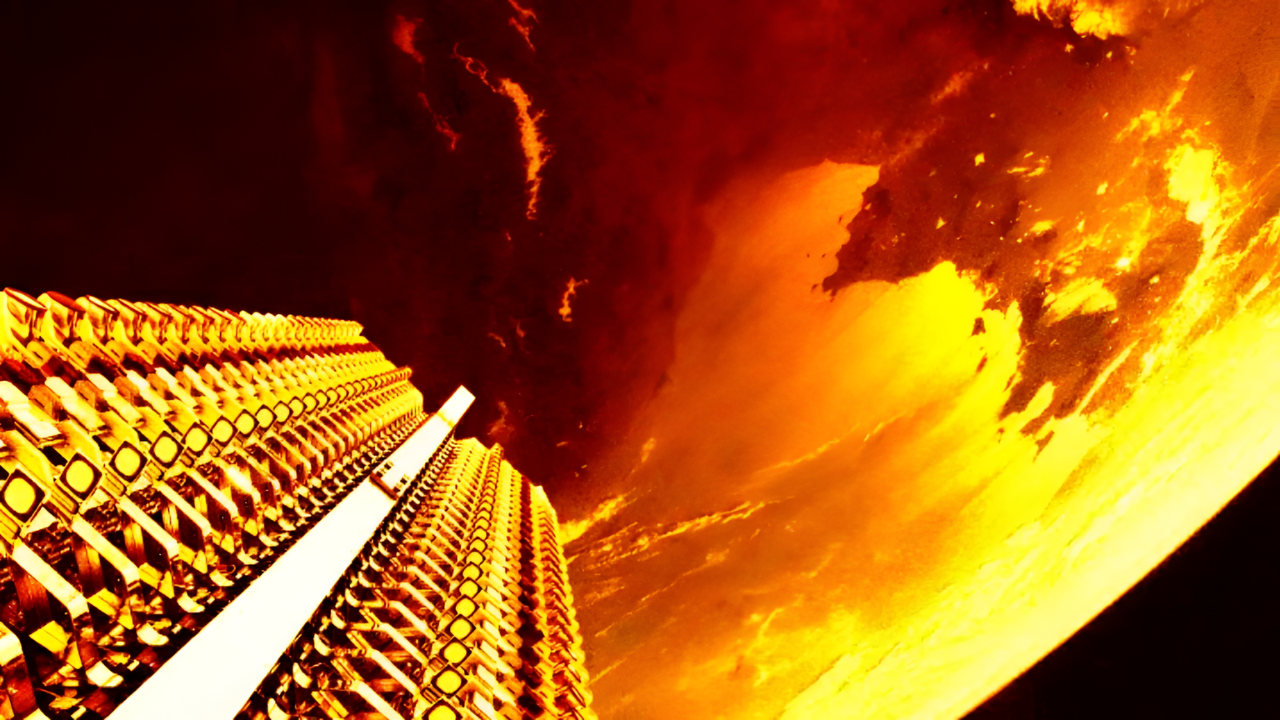
In May 2024, a colossal geomagnetic storm—the strongest in over two decades—lit up skies from Switzerland to the American Midwest, exposing the thin line between modern technology and solar fury. Active region NOAA 13664 unleashed 12 X-class flares during its Earth-facing passage, earning a G5 extreme rating, the first since 2003, and testing infrastructure from farms to flight paths.
For 94 straight days, from April 16 to July 18, 2024, ESA’s Solar Orbiter and NASA’s Solar Dynamics Observatory tracked NOAA 13664 through three full Sun rotations. This record observation, led by researchers at ETH Zurich and published in Astronomy & Astrophysics in January 2026, captured the region’s birth, growth, decay, and hidden magnetic twists in unprecedented detail, reshaping models of solar eruptions.

Yet the data exposed a stark limit: even with such scrutiny, scientists could not pinpoint the timing or scale of its outbursts, highlighting gaps in flare prediction akin to earthquake forecasting. Sunspots like NOAA 13664 pack magnetic energy rivaling thousands of nuclear blasts, their tangled fields prone to snapping violently.
Facing Earth in May, this complex polarity hotspot hurled disturbances across 93 million miles of space, sparking auroras and ionospheric chaos. Unlike the 2003 Halloween storms that blacked out Sweden and sidelined satellites, this event built on Solar Cycle 25’s climb toward a 2024-2026 peak, when such blasts grow more probable.
Separating Fact from Fiction: The 2022 Starlink Incident
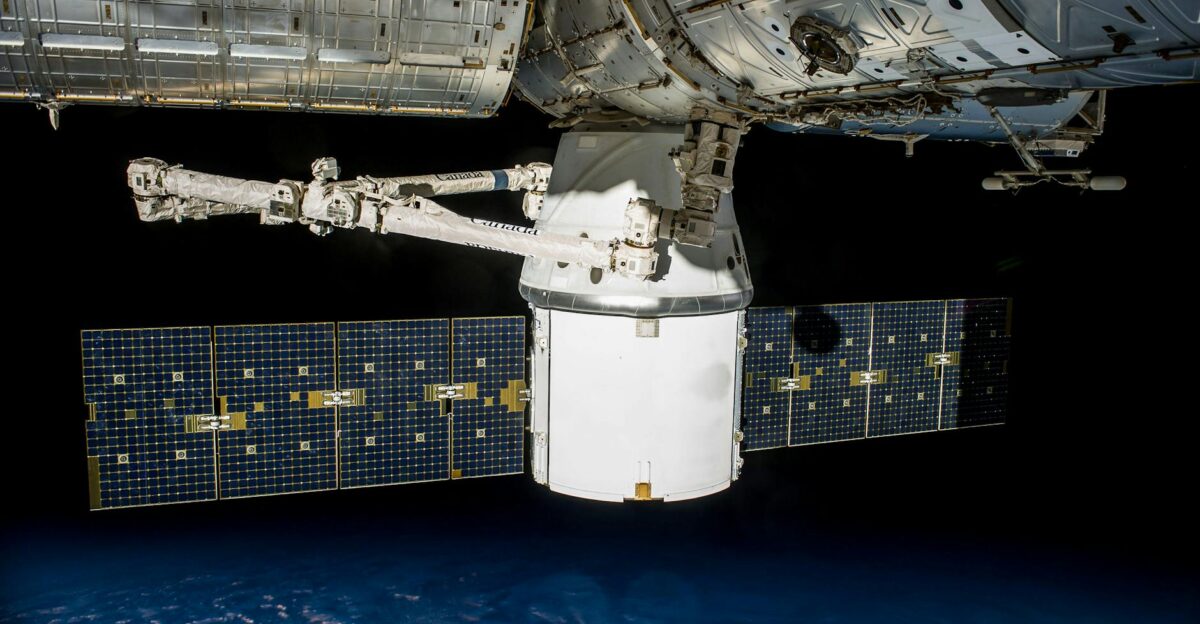
Confusion lingers from a separate 2022 incident: SpaceX’s February 3-4 launch of 49 Starlink satellites into a low 200-kilometer orbit coincided with a mild G1 storm the next day. Atmospheric drag doomed 38 craft, unable to ascend—a deployment misstep during forecasted unrest, not a constellation crisis.
The 2024 G5 storm, far fiercer, affected satellites through increased atmospheric drag and operational disruptions—forcing spacecraft into safe mode and causing degraded service—but did not result in satellite losses. Headlines often merge the events, skewing perceptions of vulnerability and severity.
The distinction matters: the 2022 loss stemmed from a deployment decision during a minor storm, while the 2024 extreme event demonstrated that well-positioned satellites can withstand even G5 conditions with operational impacts but without catastrophic failure.
Agricultural and Infrastructure Disruptions

Midwest farmers bore the brunt on May 10-11, as flare-induced ionospheric ripples scrambled GPS in John Deere’s StarFire RTK systems, halting autonomous tractors and drones mid-planting. In Minnesota, Nebraska, and across the Corn Belt, machines idled at field edges; farmers called it unprecedented.
Kansas State University agricultural economist Terry Griffin pegged losses at $500 million—roughly 0.1% of U.S. farm output—from delayed sowing and yield hits in a vital 24-48 hour planting window. Rail operators watched for geomagnetically induced currents that plague signals in past storms, but U.S. lines held firm under NOAA alerts, with power grids reporting only minor voltage dips thanks to precautions.
Transatlantic flights veered south to dodge polar radiation and radio blackouts, while satellite firms reduced power or safe-moded craft. Northern telecoms saw brief glitches, but responses stayed measured, not chaotic.
Future Outlook: Prediction Gaps and Rising Risks
The real jolt: 94 days of data yielded no precise eruption forecast, revealing turbulent magnetic chaos beyond current models. Post-event reviews noted gaps in reaching rural users with advance warnings, despite three-day NOAA alerts; equipment makers eyed backups, but resilience varied from big utilities to small co-ops.
As Solar Cycle 25 reached its maximum in October 2024, with activity persisting through 2025, another G5 or worse looms, potentially blacking out grids in high-demand seasons or upending harvests. A Carrington-level hit could tally $1-2 trillion in U.S. damages, per National Academy estimates. With observation advancing but prediction lagging, the focus shifts to hardening patchwork defenses—balancing costs against inevitable solar strikes that test our increasingly technology-dependent civilization.
Sources:
NOAA Space Weather Prediction Center, May 2024 and December 2025 briefings
NASA Solar Dynamics Observatory and Heliophysics Division reports
ESA Solar Orbiter mission data, January 2026
ETH Zurich Department of Physics research; Kontogiannis et al., Astronomy & Astrophysics, January 2026
New York Times, “Solar Storm Disrupts Some Farmers’ GPS Systems,” May 13, 2024
USDA impact assessments, June 2024
Agriculture Dive analysis, May 2024
SpaceX press releases and blog, February 2022