On January 15, 2026, Spotify announced its third consecutive price increase, pushing Individual Premium subscriptions from $11.99 to $12.99 monthly—a full $3 more than the $9.99 rate that held steady for 12 years until July 2023. The timing proves notable: just three weeks after co-CEOs Gustav Söderström and Alex Norström assumed leadership on January 1, following founder Daniel Ek’s transition to Executive Chairman. The increases, effective with February billing cycles, affect all major subscription tiers. Duo plans jump from $16.99 to $18.99, Family plans rise from $19.99 to $21.99, and Student plans climb from $5.99 to $6.99—marking increases between 8.3% and 16.7% across the board.
From Red Ink to Record Profits

Spotify achieved a critical financial milestone in 2024, posting $1.5 billion in operating profit—its first profitable year since launching in 2011. Third-quarter 2024 results alone delivered €454 million ($485 million) in operating income, demonstrating the company’s profitability trajectory. The company reached these figures through aggressive cost management: workforce reductions, lower marketing budgets, and gross margins expanding to 32.2%. This strategic pivot from user acquisition to profit optimization now shapes pricing decisions. With 281 million Premium subscribers as of Q3 2025, analysts project the latest increase could generate $425 million to $1 billion in additional annual revenue**—a substantial boost to the company’s bottom line**.
Competitive Pressure and Market Position
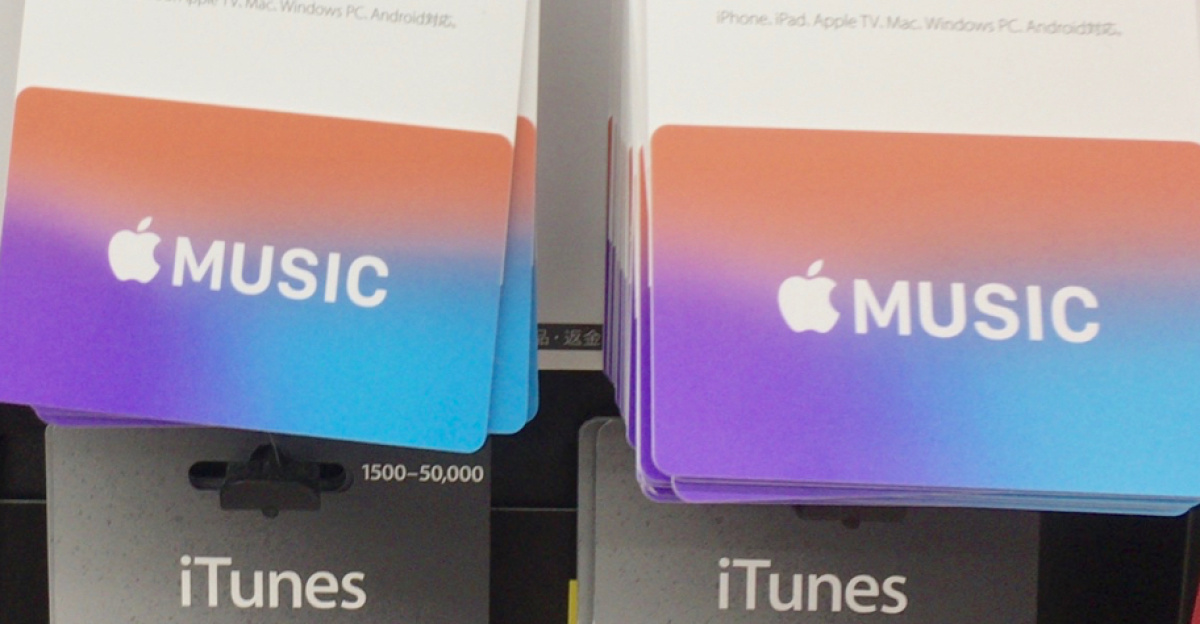
Spotify now charges $12.99 monthly—$2 more than Apple Music, Amazon Music Unlimited, and Tidal, all priced at $10.99. For families, the gap widens: Spotify Family costs $21.99 versus Apple’s $16.99, creating a $60 annual premium. Amazon bundles music with Prime memberships at $10.99 for Prime subscribers, adding further competitive pressure. Despite superior playlist curation and discovery algorithms, Spotify’s price advantage has vanished. The company defended the increases by citing value delivery to artists and subscribers, though it faces mounting competition from platforms offering similar catalogs at lower price points.
Subscription Fatigue Reaches Breaking Point
American households now allocate $70 monthly to streaming services—up $22 from 2024—as entertainment costs climb faster than inflation. One-third of subscribers cancelled at least one service in 2024, with price sensitivity cited as the primary driver. Research indicates 66% of music listeners struggle to afford their current subscriptions, while 19% of Spotify users surveyed indicated they might cancel following the January announcement.
The streaming economy, which expanded 600% over the past decade, now confronts consumer exhaustion. Spotify attempts to justify premium pricing through audiobook access (15 hours monthly for Premium members) and music videos, which expanded to the US and Canada in December 2025 after launching in beta markets in March 2024. These features mirror competitors’ offerings but may not retain cost-conscious subscribers facing broader economic pressures.
The Leadership Gamble and What Comes Next
Söderström and Norström approved this increase within weeks of taking operational control, betting on historical retention patterns that showed minimal churn following 2023 and 2024 increases. Yet economic conditions differ markedly: household debt levels have risen, and consumer sentiment has weakened compared to mid-2023’s relative stability. Wall Street responded with mixed signals—JPMorgan elevated revenue forecasts while Spotify’s stock declined 4% immediately after the announcement and has dropped 23% over three months. The company continues to forecast strong growth for 2026, maintaining optimistic projections despite subscription fatigue concerns.
The next 90 days will determine whether Spotify correctly calibrated its pricing ceiling or miscalculated consumer tolerance. Churn data from spring 2026 will reveal whether audiobooks, music videos, and platform quality justify a premium over competitors—or whether families battling tighter budgets will consolidate around cheaper alternatives. The outcome carries implications beyond Spotify: it may define how aggressively the entire music streaming industry can push prices before triggering mass defections. For now, Spotify’s new leadership has placed a significant bet that profitability matters more than market share—and that customers will pay substantially more for what they once got for $9.99.
Sources:
Music Business Worldwide, Spotify posts $1.5bn annual operating profit for 2024, 24 Nov 2025
Spotify Newsroom, Spotify Reports Third Quarter 2024 Earnings, 12 Nov 2024
Reuters, Spotify to raise Premium subscription price, 15 Jan 2026
YouGov, How will Spotify subscribers react to another price hike?, 11 Jan 2026
LA Times, Consumers spend $22 more a month for streaming, 21 Nov 2025
MarketBeat, Spotify’s Price Hike: Why Subscribers Will Pay Up, 18 Jan 2026