At 12:30 PM Eastern on January 14, phones across the United States changed at once. Signal bars vanished. In their place appeared a stark label: SOS. Screenshots spread online showing the same message in New York, Texas, California, and the Midwest. City agencies began posting emergency warnings.
Inside hospitals, staff noticed mobile systems stop responding. Within minutes, millions of Verizon customers could not call, text, or load data—some unable even to reach 911. One of the largest U.S. wireless outages in years was unfolding in real time.
The Worst in Years
As reports surged, analysts quickly grasped the scale. Downdetector logged over 175,000 concurrent outage reports at its peak. Experts described this as a core network failure, not a localized disruption. Verizon engineers reportedly struggled for nearly ten hours to identify the cause.
Unlike past incidents tied to a single misconfigured update, this outage hinted at deeper, systemic vulnerability in Verizon’s infrastructure. The scale surpassed AT&T’s February 2024 failure, which peaked at roughly 74,000 concurrent reports.
When Reliability Was the Brand
For decades, Verizon built its reputation on one promise: reliability. “America’s most reliable network” justified premium pricing and long-term customer loyalty. But cracks had been forming. A nationwide outage in late 2024 affected more than 100,000 users.
Then, in November 2025, Verizon laid off 13,000 employees as part of a cost-cutting restructuring under new CEO Dan Schulman. In the wake of January 14’s failure, questions arose about whether the company’s recent cost discipline may have affected its operational resilience.
Pressure Inside the Business
By 2025, Verizon was losing momentum. T-Mobile gained customers with aggressive pricing. AT&T stabilized through steady infrastructure investment. Verizon’s American Customer Satisfaction Index score fell to 75, in the middle of the competitive pack.
Subscriber growth slowed, and Schulman conceded that “price increases without growth are not sustainable.” Leadership faced a strategic choice: invest heavily in resilience or cut costs to protect margins and stock price. The company chose cost discipline. On January 14, the bill came due.
A Nationwide Blackout

The failure was sudden and widespread. Phones across multiple states dropped into emergency-only mode. SOS, meant as a last-resort safety net, became the norm. Even that failed in places.
New York City and Washington, D.C. issued public alerts urging residents to use landlines or other carriers to reach emergency services. Reports poured in from the Northeast, Southern California, Texas, and the Midwest. At 9 PM, Verizon acknowledged the scope, admitting it “did not meet the standard of excellence” customers expect.
Work Came to a Stop

For millions in the gig economy, the outage erased an entire afternoon of income. Rideshare drivers couldn’t receive requests. Food couriers couldn’t accept orders or navigate. Freelancers lost client access.
Social media posts described drivers losing hours of peak-time fares. Hospitals reported delays coordinating care as mobile apps went dark. Doctors struggled to access patient records. The outage wasn’t just inconvenient—it caused real economic disruption that a flat credit could never fully offset.
Trapped in Silence

As hours passed, social media filled with firsthand accounts. Customers described phones flipping in and out of SOS mode every few minutes. Posts circulated from users unable to reach family members.
Healthcare workers reported relying on colleagues with other carriers to coordinate emergencies. A recurring detail cut sharply: nearby AT&T and T-Mobile devices worked fine. Verizon hadn’t just failed—it failed alone, breaking its most important promise at the worst possible moment.
Rivals Sense Blood
Competitors wasted no time. T-Mobile highlighted its J.D. Power network award released the following day and publicly confirmed its systems were operating normally.
AT&T’s messaging was sharp: representatives confirmed their network was unaffected. Industry observers noted the timing gave rivals a rare opening to challenge Verizon’s reliability narrative and attract frustrated customers during a vulnerable moment.
Inside the Failure
Experts debated what went wrong. Leading theories pointed to a software issue in Verizon’s cloud-based core network, possibly tied to a Virtual Network Function update or misconfiguration. Syracuse University professor Lee McKnight described a likely “fat-fingers” scenario during a routine change—human error amplified by tightly interconnected systems.
Cloud-native networks move fast but fail fast. Verizon confirmed it was a software problem—not a cyberattack—but offered few details on the specific cause or whether staffing levels played any role in the delayed diagnosis.
A Fast Fix, Lingering Questions
At 10:24 PM ET, nearly ten hours after the outage began, Verizon announced service restoration. The recovery happened within a single day.
Analysts noted the company had not disclosed the precise cause or detailed timeline of the fix. The lack of transparency allowed uncertainty to harden into mistrust.
The $20 Decision
The next morning, Verizon announced a $20 credit for affected customers—approximately 1.5 million people, according to Fortune. The reaction was swift and hostile. Users calculated it at roughly $2 per hour of lost service.
Social media posts from gig workers described the amount as insufficient given lost income. Healthcare professionals said the credit didn’t begin to address the risk of being unreachable during emergencies.
Leadership Under Fire
Dan Schulman had been CEO for just over 100 days. His mandate was cost-cutting and operational transformation, not heavy infrastructure spending. His predecessor left behind a significant debt burden, limiting capital flexibility.
Yet Schulman’s early decisions—large layoffs and operational streamlining—now faced scrutiny in light of the network failure. Analysts questioned whether a stronger focus on network operations could have prevented the outage. Others argued the failure reflected long-term structural strain. Either way, Schulman’s leadership faced its first defining crisis.
The Frontier Factor
Hovering in the background was Verizon’s $20 billion acquisition of Frontier Communications, closing January 20. The deal aimed to expand fixed-line broadband and offset mobile losses.
But a massive outage days earlier raised reputational and regulatory concerns. Verizon projected adding two million customers through Frontier. Instead, it faced defections. Integrating a major acquisition while restoring trust in the core network became a high-wire act. The outage transformed Frontier from growth engine into stress test.
What Experts Really Fear
Industry analysts offered a blunt assessment: modern mobile networks cannot operate like water or electricity—continuous uptime is unrealistic. But that framing masks a harder truth.
This outage wasn’t unpredictable. Verizon’s 2024 failure, AT&T’s 2024 collapse, and numerous smaller incidents all signaled fragility. Competitive pressure and shareholder demands pushed carriers toward cost minimization, not resilience. The real question was no longer if outages would happen, but how often—and how severe they’d become.
Washington Takes Notice
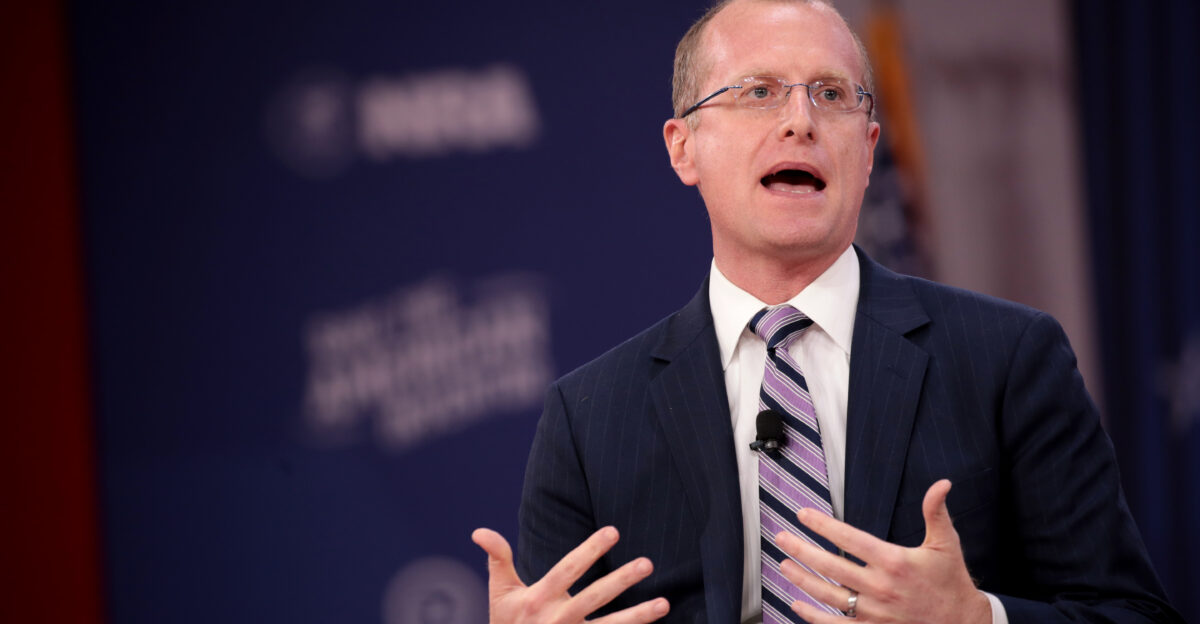
By January 14 evening, FCC Chair Brendan Carr said the agency would review the outage and “take appropriate action.” Commissioner Anna Gomez announced an investigation. Two days later, the House Committee on Homeland Security demanded an FCC briefing, citing national security concerns and Verizon’s lack of public explanation.
The Committee’s letter referenced over 2.3 million outage reports documented across various platforms. As the largest U.S. mobile carrier, Verizon’s failure raised stakes beyond consumer frustration. What began as a service disruption was now a federal oversight issue with potential enforcement consequences.
A Regulatory Opening

The outage landed at a delicate moment for the FCC. Just days earlier, Verizon received a waiver from the 60-day phone-unlocking rule, drawing criticism.
Now lawmakers and advocacy groups pressed for tougher reliability standards, automatic outage compensation, and mandatory service-level agreements—similar to AT&T’s service guarantee. Carr avoided assigning blame but signaled scrutiny. Complaints poured in. For regulators long hesitant to intervene in network operations, January 14 cracked the door wide open.
A Global Warning Sign
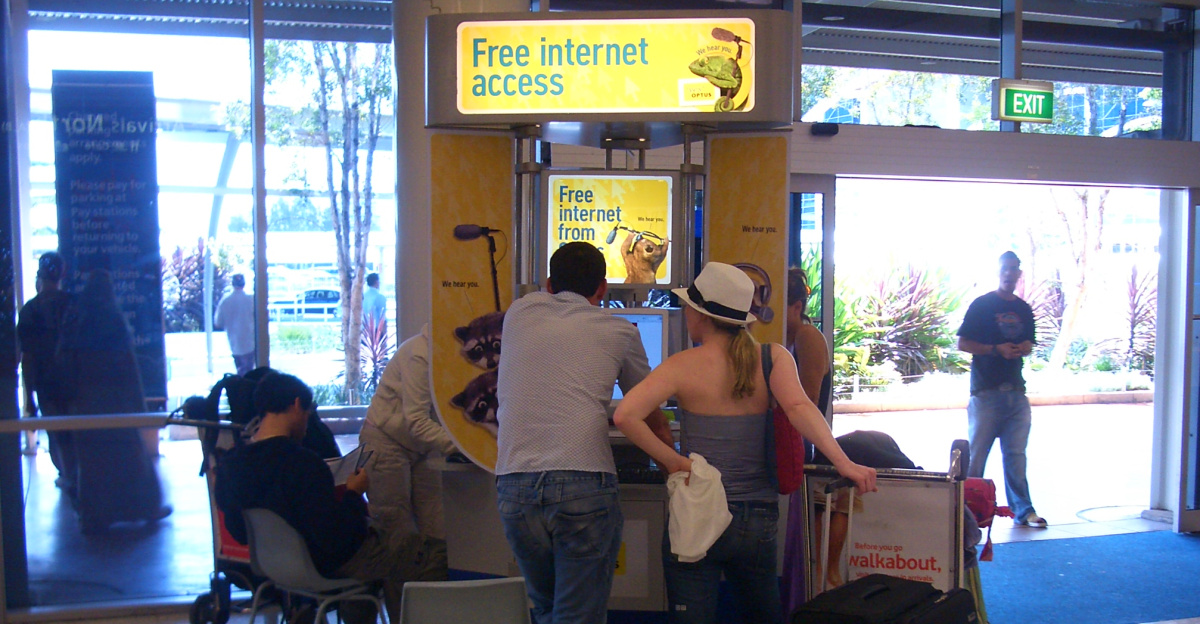
Verizon’s failure mirrored a global pattern. In September 2025, Australia’s Optus outage disrupted emergency calls, with multiple deaths later linked to the incident.
As networks migrate from hardware to cloud-based virtualization, single-point failures grow more dangerous. A flawed software change can ripple nationwide—or worldwide—within minutes. Major vendors like Ericsson, Nokia, and Cisco serve multiple carriers simultaneously. Verizon’s outage wasn’t an anomaly; it was a warning from an industry racing ahead of its own safeguards.
The Switching Moment
In the days after January 14, industry watchers noted signs of potential customer movement. Online discussions about carrier switching intensified on forums and social media.
T-Mobile’s messaging about network stability resonated during the critical period. AT&T’s confirmation of unaffected service drew attention from frustrated users. For Verizon, the $20 credit became a symbol of miscalculation, amplifying rather than containing brand damage.
Three Crises at Once
By late January, Verizon faced a three-front reckoning. Regulators demanded answers. Operational confidence eroded as root cause remained undisclosed.
Competitors capitalized during a crucial expansion phase. Wall Street, once praising cost discipline, began questioning whether layoffs and limited reinvestment were shortsighted. Leadership now had to choose: continue cutting and hope scrutiny fades, or reinvest heavily and accept near-term margin pain.
What January 14 Really Meant
The outage wasn’t a fluke—it was a stress fracture in U.S. critical infrastructure. Consolidation reduced redundancy. Cost-cutting thinned operational capacity. Cloud migration magnified small mistakes into national failures.
Verizon’s $20 credit wasn’t compensation; it was an admission of limits within a business model that assumed failures would stay small. On January 14, they didn’t. The question now isn’t whether another outage will happen—but whether regulators, investors, and carriers will demand resilience before the next one forces the issue again.
Sources:
Verizon, “An update on our network outage”, January 14, 2026
House Committee on Homeland Security, “Chairman Garbarino Requests Briefings from Verizon, FCC Following Nationwide Outage”, January 16, 2026
USA Today, “Verizon to offer credit after outage, service issues. Here’s how to get it”, January 15, 2026
Fortune, “How to get $20 account credit for Verizon outage”, January 15, 2026
CNBC, “Verizon cutting more than 13000 jobs as it restructures”, November 20, 2025