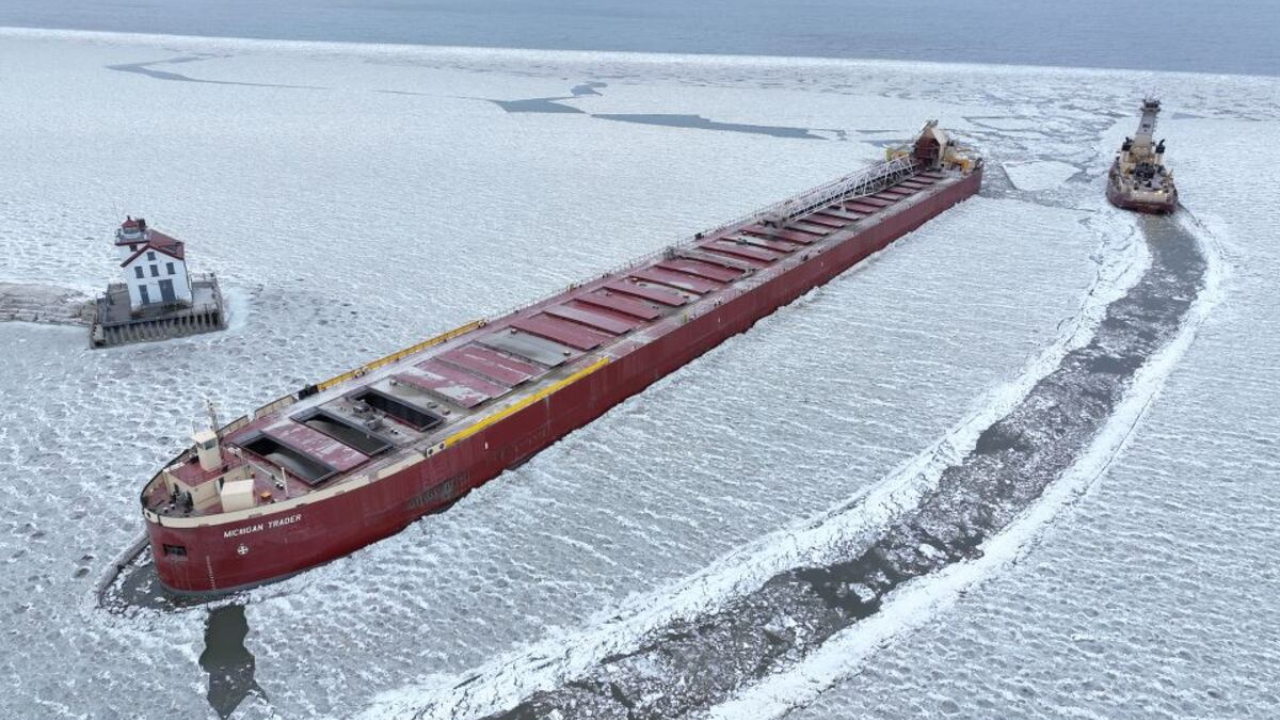
In January 2025, the polar vortex shifted southward, unleashing extreme cold on the Midwest. Chicago saw temperatures dip to –33°F, while Lake Erie was engulfed in 80% ice.
NASA satellites captured ice swirls alongside the city, making the event one of the coldest and most dramatic in the 2024-25 winter. The cold snap also trapped a Canadian freighter in the ice for three days, highlighting the danger of extreme weather.
Polar Vortex and Arctic Amplification

The disruption of the polar vortex was intensified by Arctic amplification, a process where the Arctic warms faster than other regions.
This weakens the jet stream, which normally contains cold air. The resulting cold snap affected multiple states, including Illinois and Ohio. While cold winters aren’t more frequent, scientists warn that warming trends make weather patterns more unpredictable and intense.
Retailers on High Alert: The Initial Impact
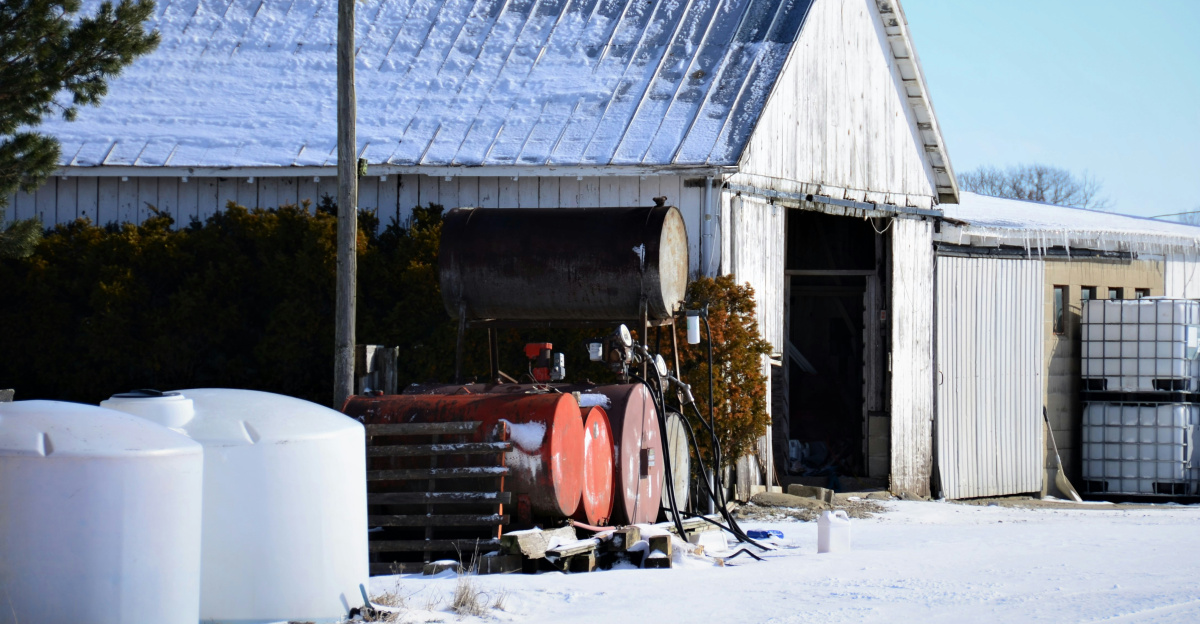
Retail activity surged in the wake of the extreme cold, with residents stocking up on heaters, batteries, and road salt. Retailers in Chicago and Detroit reported longer wait times for heating supplies as customers rushed to prepare.
This spike in demand reflects how consumers respond to unpredictable winter conditions, further stressing supply chains already impacted by the cold.
Logistics and Manufacturing Stalled
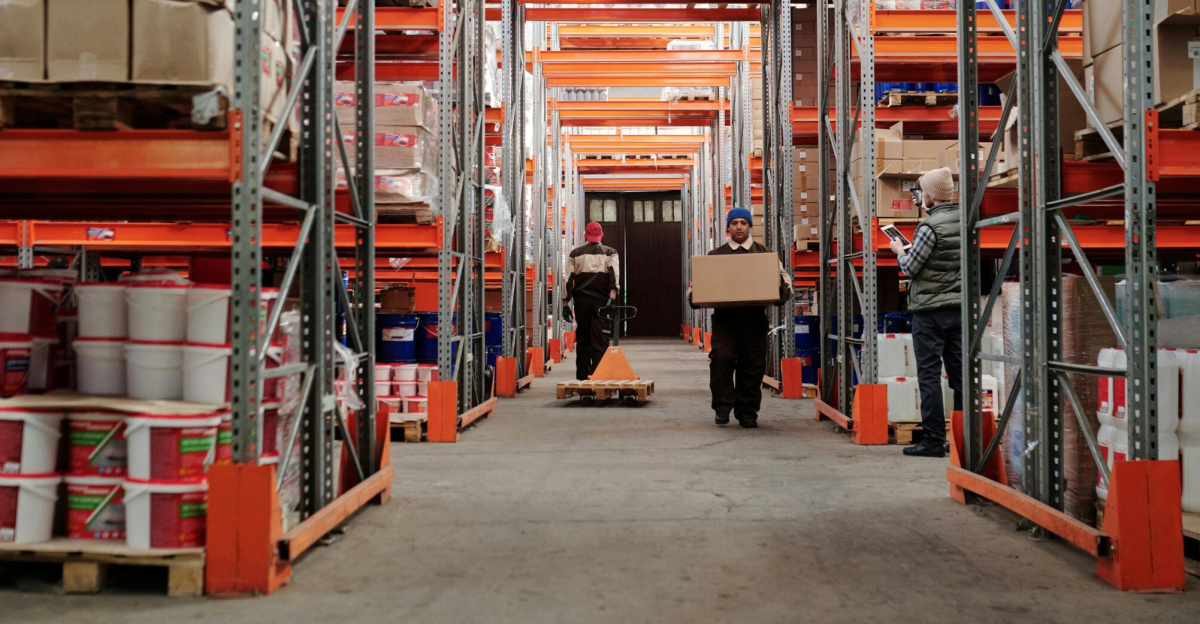
Logistics and manufacturing industries faced significant challenges during the cold snap. With hazardous road conditions and extreme temperatures, operations were delayed across the Midwest.
Rerouting shipments and fuel surcharges became necessary as companies scrambled to keep deliveries on schedule. Manufacturers reported absences as workers struggled to commute in the bitter cold.
Energy Surge: A Strain on Heating Supplies
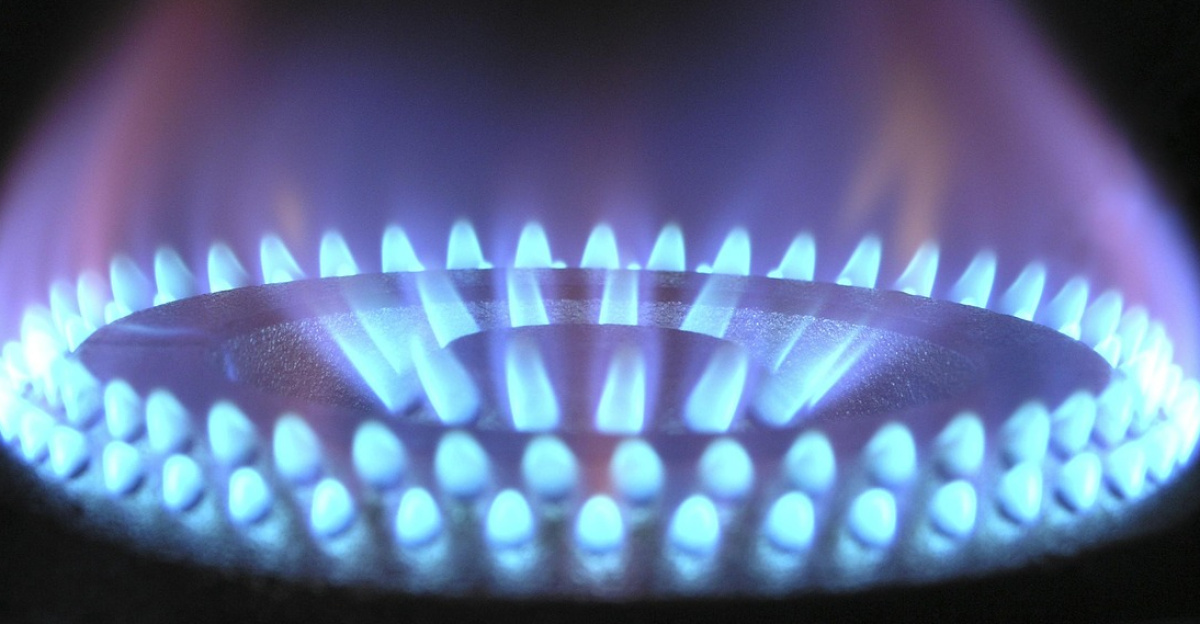
As temperatures plummeted, energy markets experienced an uptick in demand for heating fuel and propane. Distributors faced increased strain, particularly in the Midwest, as households cranked up their heating systems.
Utilities and food processors worked overtime to maintain essential operations, but demand outpaced supply for some regions, especially during the peak cold days.
International Trade Disruption: Freighters Frozen
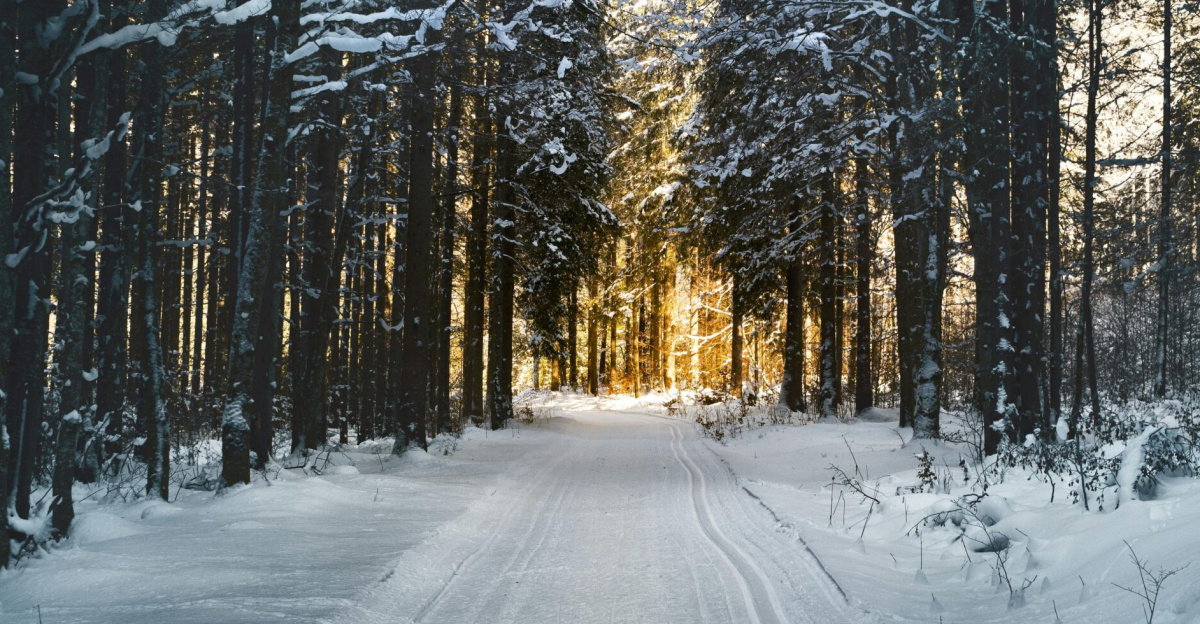
The icy conditions caused a major shipping delay when a Canadian freighter, the Manitoulin, became trapped in 2-foot-thick ice on Lake Erie.
The incident highlighted the vulnerability of Great Lakes shipping routes during extreme cold spells. With frozen lakes blocking shipments, industries depending on these trade routes, including agriculture and manufacturing, experienced significant disruptions.
Crew Safety During Ice Entrapment
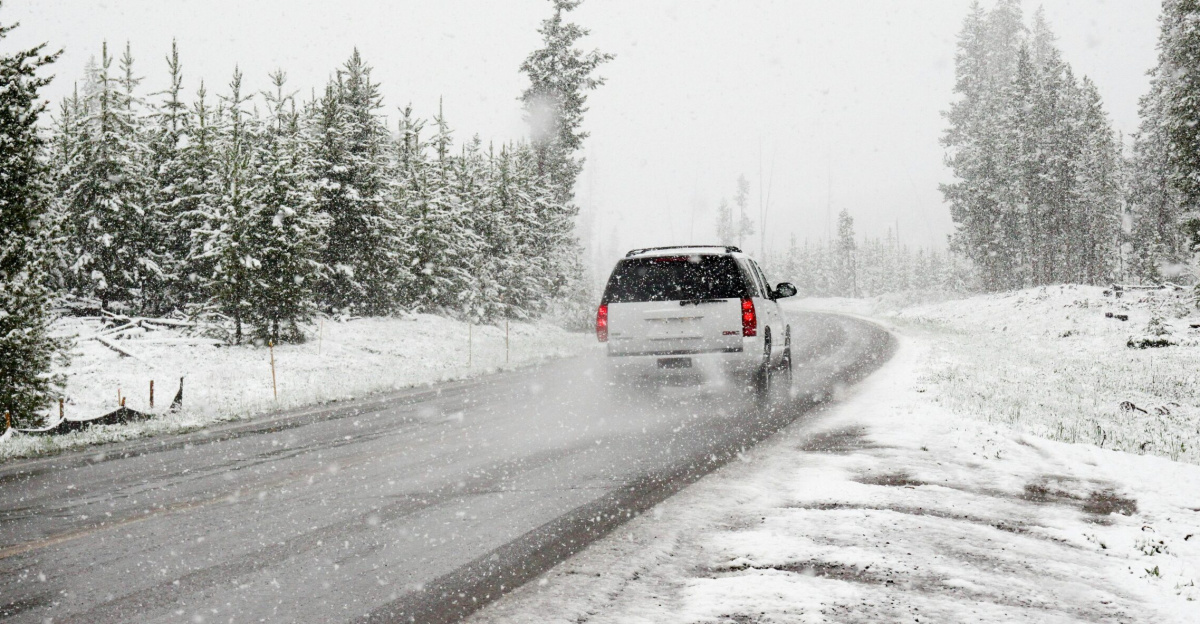
The 17-member crew aboard the Manitoulin endured three days stranded in thick ice, with limited power and emergency supplies.
Rescue efforts, dubbed “Operation Coal Shovel,” involved U.S. Coast Guard and Canadian icebreakers working together to free the ship. Meanwhile, port workers across the Midwest faced delays in accessing warehouses, and emergency services treated cases of frostbite and hypothermia.
Federal and State Responses: Winter Emergencies Declared
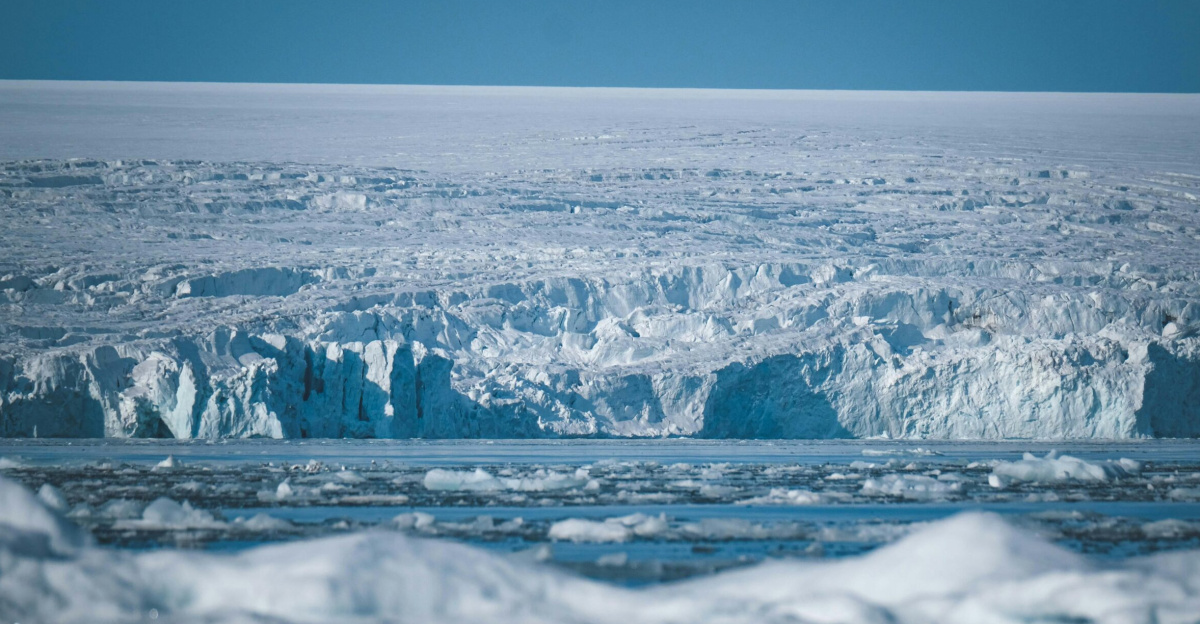
State governors from Illinois, Wisconsin, Michigan, and Ohio declared winter emergencies, activating National Guard units and opening emergency shelters.
FEMA pre-positioned resources in affected cities to help with relief efforts. Warnings from the National Weather Service advised residents of the extreme cold, with temperatures feeling as low as –50°F in some areas, exacerbating the risks posed by the polar vortex.
Economic Impact: Billions in Losses

The cold snap brought significant financial losses across the region. The economic toll of the storm is estimated at $14–$17 billion, including disruptions to transportation, heating costs, and agricultural exports.
Supply chain delays, higher shipping costs, and increased energy usage caused businesses to absorb additional expenses. These added costs highlight how vulnerable industries are to extreme cold waves.
Health Crisis: The Human Toll of Extreme Cold
Hospitals across the region reported numerous cases of hypothermia and frostbite, with wind chills as low as –50°F. Public health agencies activated emergency warming centers, especially for vulnerable populations like the homeless.
The Centers for Disease Control and Prevention issued urgent warnings about the dangers posed by extreme cold, and several fatalities were linked to the storm.
The Paradox: Cold Weather in a Warming World
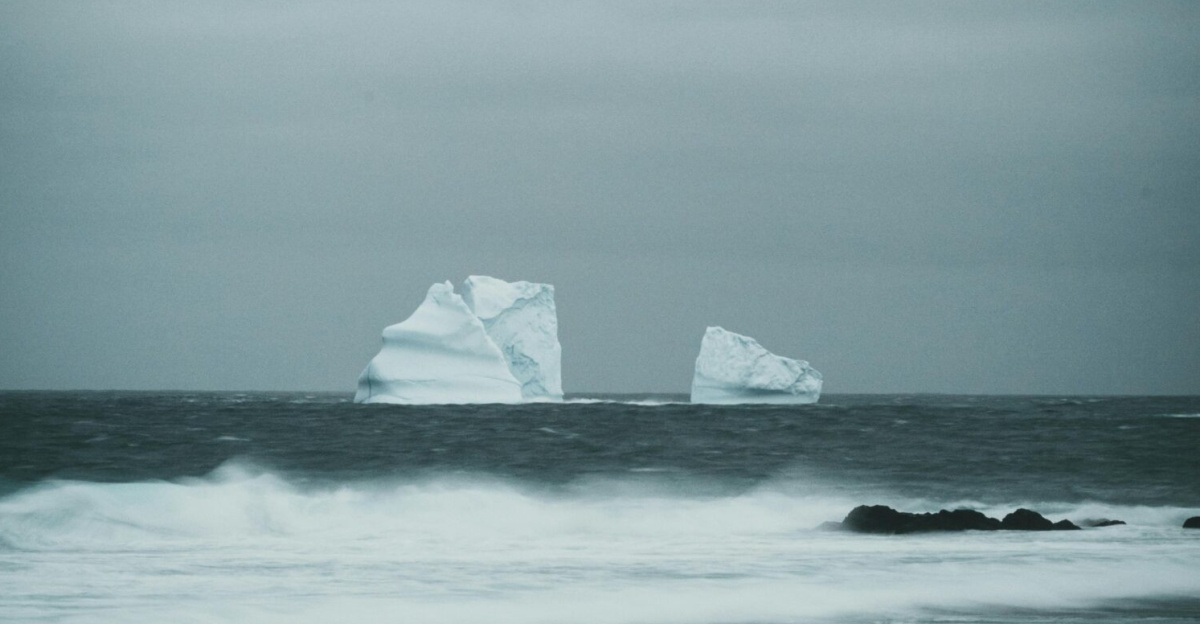
This polar vortex event, although extreme, contradicts assumptions about global warming eliminating cold winters. Researchers highlight how Arctic amplification is linked to these disruptions, which make weather patterns more unpredictable.
While the Arctic warms rapidly, the shifting of the polar vortex causes more frequent, severe cold waves in unexpected regions, challenging predictions of future winter trends.
Infrastructure Vulnerabilities Exposed
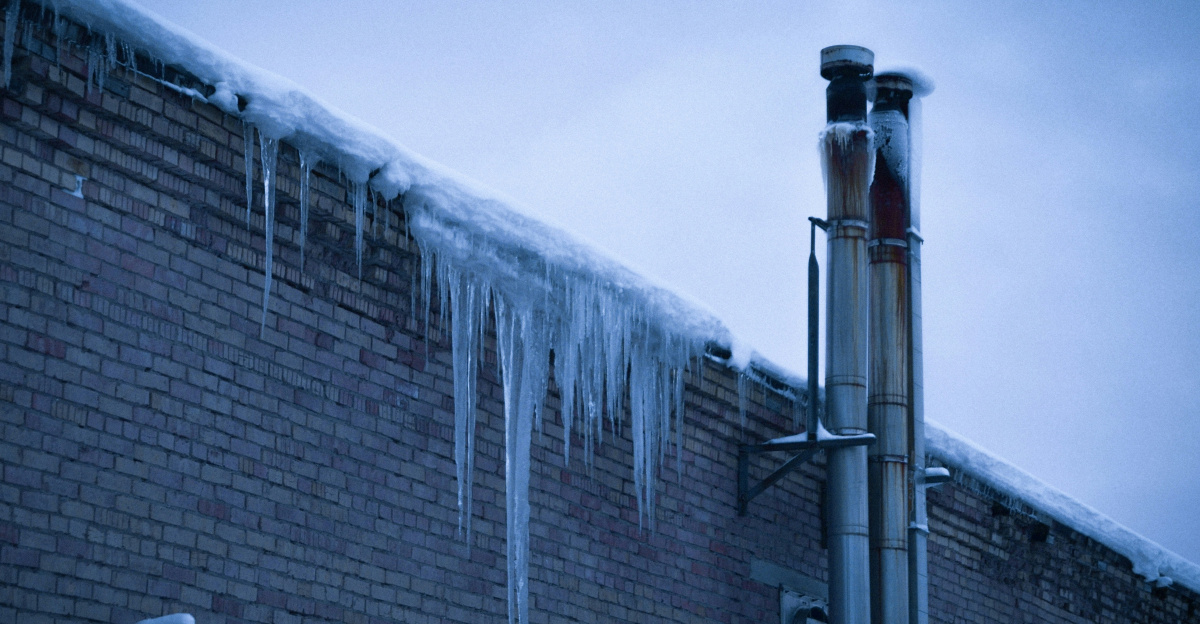
The intense cold and the ice entrapment of the Manitoulin exposed major vulnerabilities in infrastructure. Roads and shipping routes were blocked, while homes and businesses struggled to handle the surge in energy demand.
The event sparked debates about investing in climate-resilient infrastructure to withstand future extreme weather, prompting businesses and governments to reassess their preparedness strategies.
Market Winners and Losers: Industry Impact
Some sectors saw an uptick in business due to the cold snap, including heating suppliers and emergency services. However, industries like airlines, regional retailers, and shipping companies faced significant setbacks.
Airlines grounded flights due to the extreme cold, and retailers struggled with inventory shortages. Logistics firms that rely on just-in-time delivery faced heavy costs due to delays and rerouting.
Risk Management: Strategic Adaptations
Financial experts advised companies to diversify heating fuel sources and invest in better insulation to mitigate the risks of extreme cold.
Risk management strategies focused on business interruption insurance and maintaining emergency stockpiles. With disruptions expected to continue, companies in affected regions are planning for future cold events by investing in more robust infrastructure and diversified supply chains.
Looking Ahead: The Need for Climate Adaptation
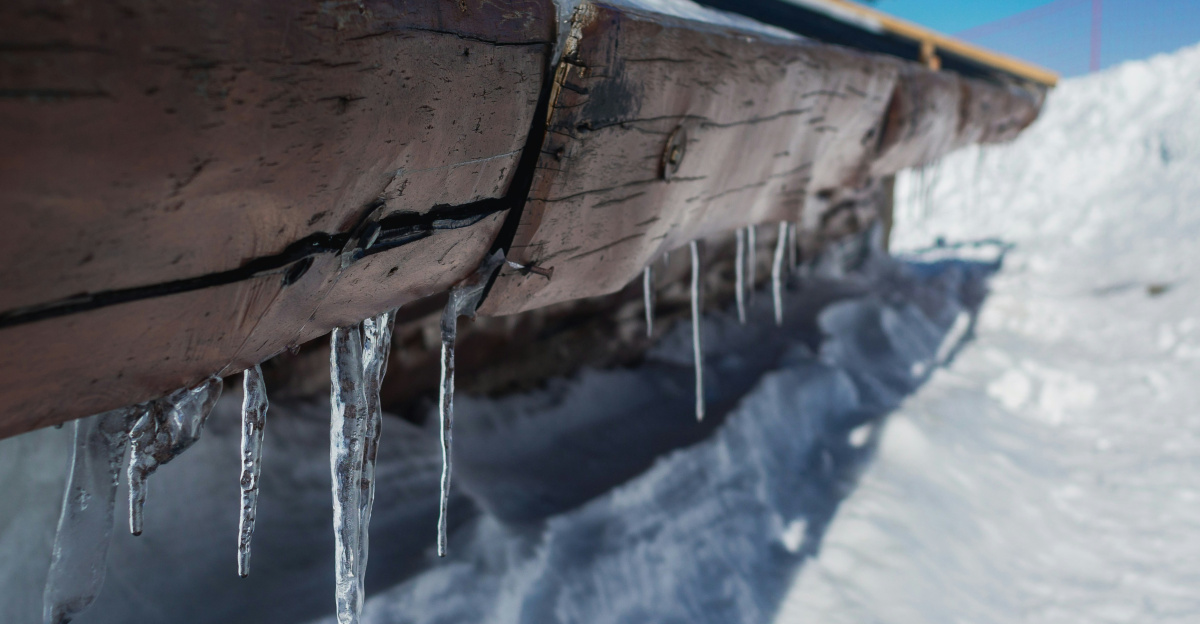
The January 2025 polar vortex event shows that climate change does not eliminate extreme cold—it makes it more unpredictable.
Researchers warn that future Arctic disruptions may continue, requiring better ice-forecasting models and winter-preparedness protocols. As extreme cold becomes more erratic, industries will need to adjust their strategies to ensure resilience in the face of increasingly severe weather events.
Sources:
“January 19-24, 2025: Multiday Cold Spell Featuring Sub-Zero Temperatures and Wind Chills as Cold as -35°F.” National Weather Service, Jan 2025.
“A Chill Over Chicagoland.” NASA Earth Observatory, 28 Jan 2025.
“After 3 Days Trapped in Lake Erie Ice, a Canadian Ship Is Finally Freed.” The New York Times, 25 Jan 2025.
“Assessing the U.S. Climate in January 2025.” National Oceanic and Atmospheric Administration / National Centers for Environmental Information, Feb 2025.