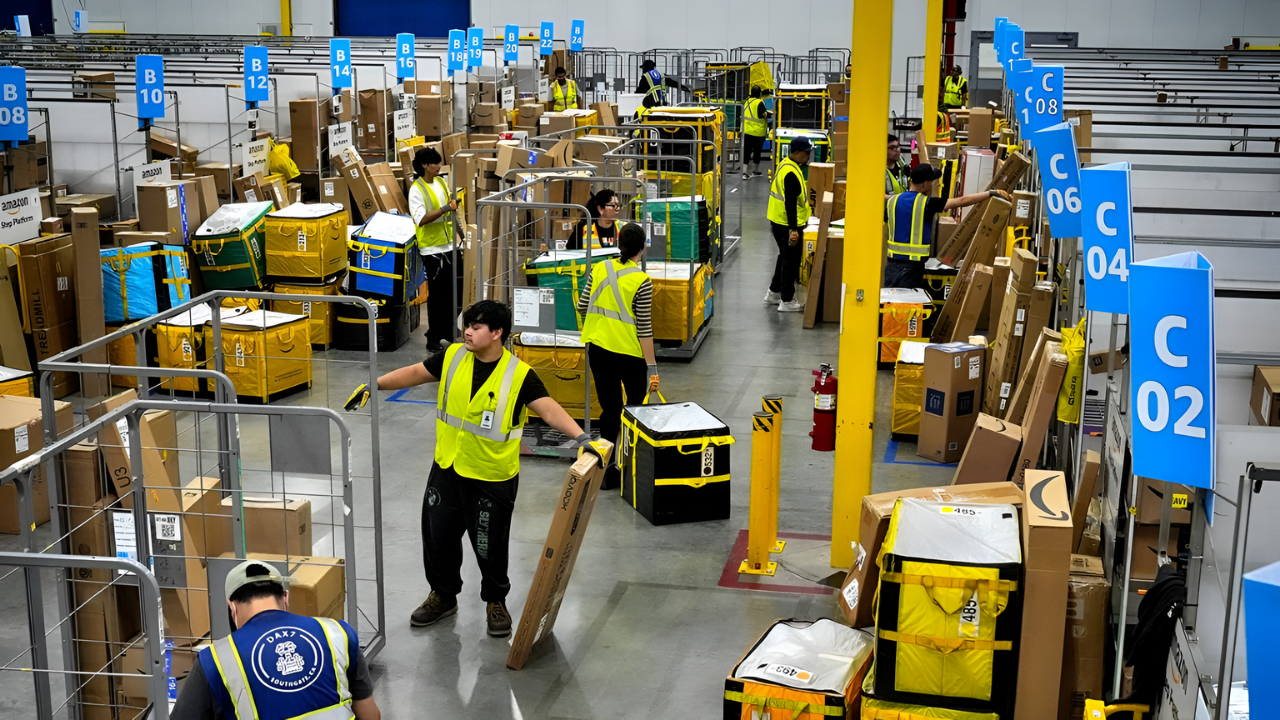
Amazon is moving ahead with fresh layoffs this month, eliminating between 1,001 and 2,500 corporate roles across Washington, California, Virginia, and New Jersey starting as early as January 26, 2026.
The cuts are part of a massive restructuring initially announced in October 2025 that could ultimately affect up to 30,000 positions by May 2026, and the first filings show where it starts.
The January Layoff Wave Hits First

Amazon is cutting between 1,001 and 2,500 jobs starting January 26, 2026. Official WARN Act filings confirm layoffs will begin in Washington state first, with additional reductions expected in California, Virginia, and New Jersey throughout the month. Most affected employees get 90 days to seek internal roles before severance begins. The specific October trigger explains why timing matters.
The Plan Was Set In October

Amazon announced its broader restructuring plan on October 28, 2025, confirming approximately 14,000 corporate roles would be eliminated overall. CEO Andy Jassy said the initiative would build a leaner organization with fewer management layers, speeding work on priorities like artificial intelligence and cloud computing. Reuters sources said total cuts could reach 30,000 by May 2026, but the math gets sharper.
How Big Is 14,000 Really?

The October announcement confirmed Amazon would eliminate approximately 14,000 corporate positions, about 4% of its 350,000-person corporate workforce worldwide. Amazon said it would still hire in strategic growth zones, especially artificial intelligence and AWS. Internal data said over 78% of the first U.S. wave hit L5 to L7 mid-level managers in retail, raising a key question.
Could The Real Total Be 30,000?

Industry sources and analysts estimate total layoffs could reach 30,000 by May 2026, nearly double Amazon’s official acknowledgment. That would exceed the 27,000 jobs cut from late 2022 to early 2023. Reuters reported estimates could “change over time” as priorities shift. January is only the first wave, and the company’s rationale ties directly to AI.
The AI Push Driving Everything

Amazon is committing $100 billion over the next decade to artificial intelligence infrastructure and data centers. “This generation of AI is the most transformative technology we’ve seen since the Internet,” wrote Beth Galetti on October 28, 2025. Andy Jassy has said AI will reduce the corporate workforce. The internal automation forecast hints at the scale.
Managers Take The Hardest Hit

Internal data obtained by Business Insider found over 78% of roughly 7,500 U.S. employees receiving initial notices held L5 to L7 middle-management designations. Over 80% of eliminated retail division roles fell into these categories, aligning with efforts to remove bureaucracy. Jassy previously targeted a 15% improvement in manager-to-employee ratios. For many, the package terms matter as much as the cuts.
The 90-Day Transition Offer

“We’re working hard to support everyone whose role is impacted,” Beth Galetti wrote, describing a 90-day paid transition period. During those 90 days, employees keep pay and benefits while applying internally, with recruiting teams prioritizing internal candidates. Those who do not land roles get severance, outplacement services, extended health coverage, and training access. Yet some accounts of sudden lockouts complicate the promise.
AWS Profits, But Potential Cuts Loom

AWS generated $107.6 billion in 2024 revenue with operating income of $39.8 billion, making it Amazon’s profit engine. Employees told reporters some AWS teams were urged to cut 5% in 2025 and potentially 10% in 2026. AWS is 18% of sales but about 60% of operating profit. “AWS might have a bigger target on its back than we initially thought,” said one employee.
The $100 Billion Spend Behind It

Amazon’s $100 billion decade-long AI investment is its largest strategic commitment. In November 2025, AWS announced $50 billion for AI and high-performance computing serving U.S. government customers, plus $15 billion for a Northern Indiana data center campus. Amazon added 3.8 gigawatts of capacity in 12 months. The scale reshapes budgets, and it also reshapes which teams shrink first.
Retail Takes The Biggest Share

Internal data shows over 80% of initial U.S. layoff notices hit the retail-facing division, including e-commerce, human resources, and logistics teams. Amazon cut 14,000 to 15% of HR staff, affecting recruitment and development functions. Devices and Services also saw reductions tied to Alexa, Echo, and hardware work. At the same time, Amazon is hiring 250,000 seasonal warehouse workers, revealing an unusual split.
Investors Watch The Restructuring Closely
Amazon’s stock saw modest pressure in early January 2026 after layoff news, following a roughly 9.2% surge the prior week in December 2025. Bank of America Securities reiterated a Buy rating on January 12, 2026, with a $303 target, citing AWS AI growth. Analysts flagged a 15% year-over-year contraction in forward EV/EBITDA sentiment. The late-January Q4 2025 earnings report could settle nerves.
It’s Not Just Amazon Cutting Jobs
Amazon’s January cuts land amid a broader wave, with over 100 major U.S. companies filing WARN notices for January 2026 layoffs. FedEx, Verizon, McDonald’s, Nike, Wells Fargo, General Motors, and Spirit Airlines appear on lists. In 2025, U.S. employers announced 1.17 million cuts through November, up 54% from 2024. “This isn’t a sign the whole economy’s falling apart,” a labor analyst told Newsweek. So why is tech leading?
Tech Is Driving The Layoff Cycle

Technology companies led 2025 job cuts with over 153,000 announced layoffs as AI reshaped planning. Intel cut 34,000 jobs, shrinking from 109,000 to about 75,000. Microsoft cut 6,500, about 3% of its 228,000 workforce. Salesforce reduced support by 4,000, citing AI chatbots. California logged 73,499 cuts, around 43% of U.S. tech losses. AI was cited for 54,694 layoffs, but the personal impact feels sharper.
The Moments Workers Say Hurt Most
A software development engineer with 7 years at Amazon wrote on Reddit: “Thought I was a top performer but guess I’m expendable.” Some employees said they were locked out of systems within minutes, losing access to reviews and career records. Kristi Coulter said Amazon “made people relocate, switch their kids’ schools, and bookend their days with traffic for RTO only to lay them off via a 3 a.m. text.” Visa holders described intense 90-day pressure, and one policy change shaped it.
“The World’s Largest Startup” Goal

Amazon wants to operate “like the world’s largest startup,” pushing fewer management layers and more ownership for individual contributors. Jassy backed the idea with a “Bureaucracy Mailbox” for flagging unnecessary processes. Amazon is targeting a 15% reduction in manager-to-employee ratios to flatten org charts. The shift moves decisions closer to frontline execution. But does a leaner structure actually help workers in the 2026 job market?
A Tougher Market For Job Seekers

U.S. unemployment reached 4.6% in late 2025, the highest in 4 years, and Indeed economists expect it to stay elevated in 2026. Job openings fell to 5-year lows, with 0.91 openings per unemployed worker. Long-term unemployment is rising in data analytics, software, and entertainment. AI and cloud roles remain strong, but experts expect a “low-fire, low-hire” environment. That backdrop shapes what Amazon’s next waves could mean.
The Next Waves Could Redefine Amazon
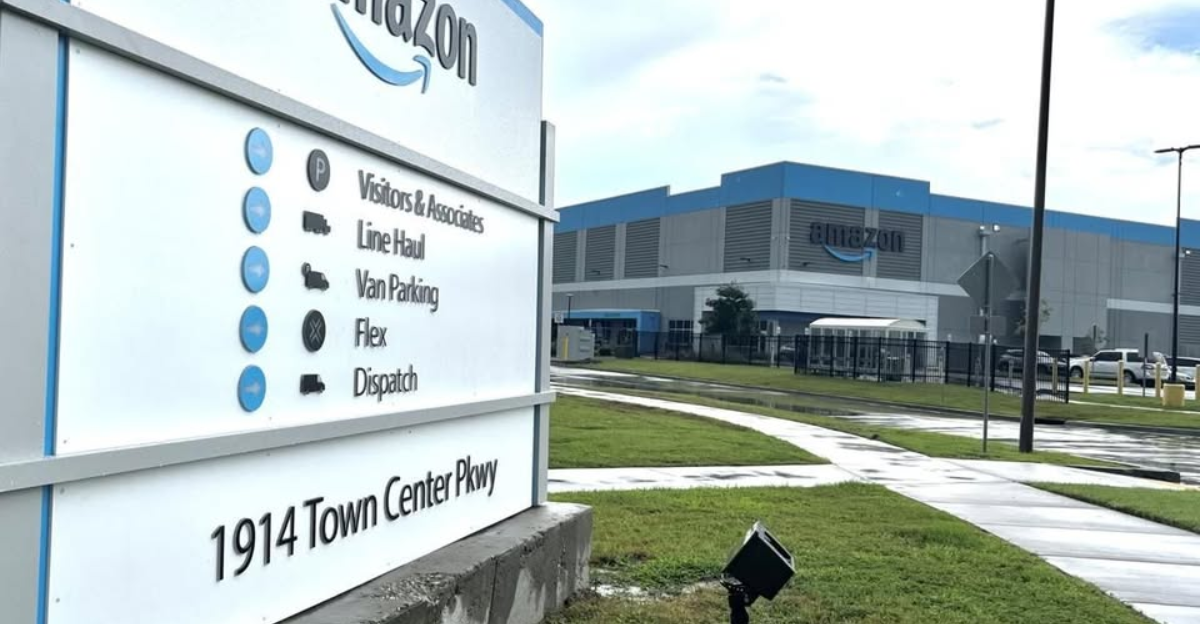
Amazon enters 2026 leaner, with management layers reduced and AI infrastructure spending at record levels. The late-January Q4 2025 earnings report is expected to clarify whether restructuring improves profitability and whether AWS growth is accelerating. Internal communications suggest additional waves could continue through May 2026. The broader tech sector is watching closely, and so are workers weighing whether stability still exists inside Big Tech. The final paper trail shows where these claims originate.
Sources
Amazon Workforce Reduction Statement. About Amazon, October 28, 2025
Worker Adjustment and Retraining Notification Act WARN Filings. WARN Tracker, January 2026
U.S. Department of Labor Initial Jobless Claims Report. U.S. Department of Labor, Week Ending January 3, 2026
Challenger, Gray & Christmas 2025 Job Cut Analysis. Challenger, Gray & Christmas, November 2025
Amazon Q3 2025 Earnings Report. Amazon Investor Relations, October 2025