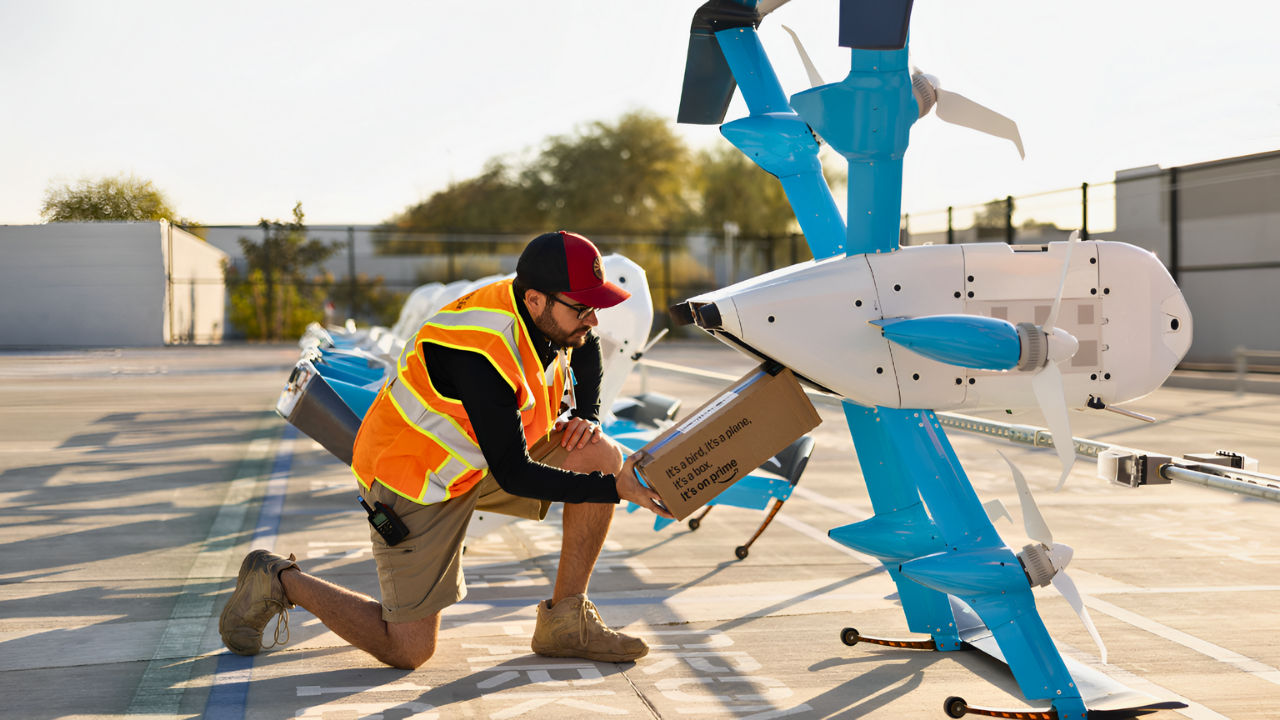
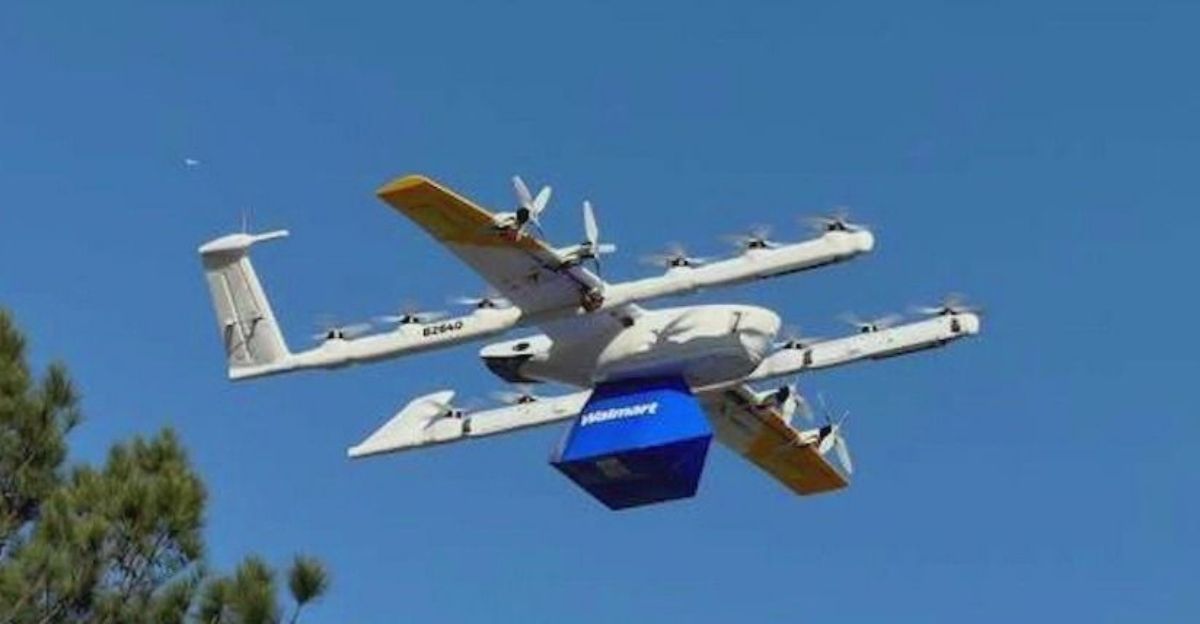
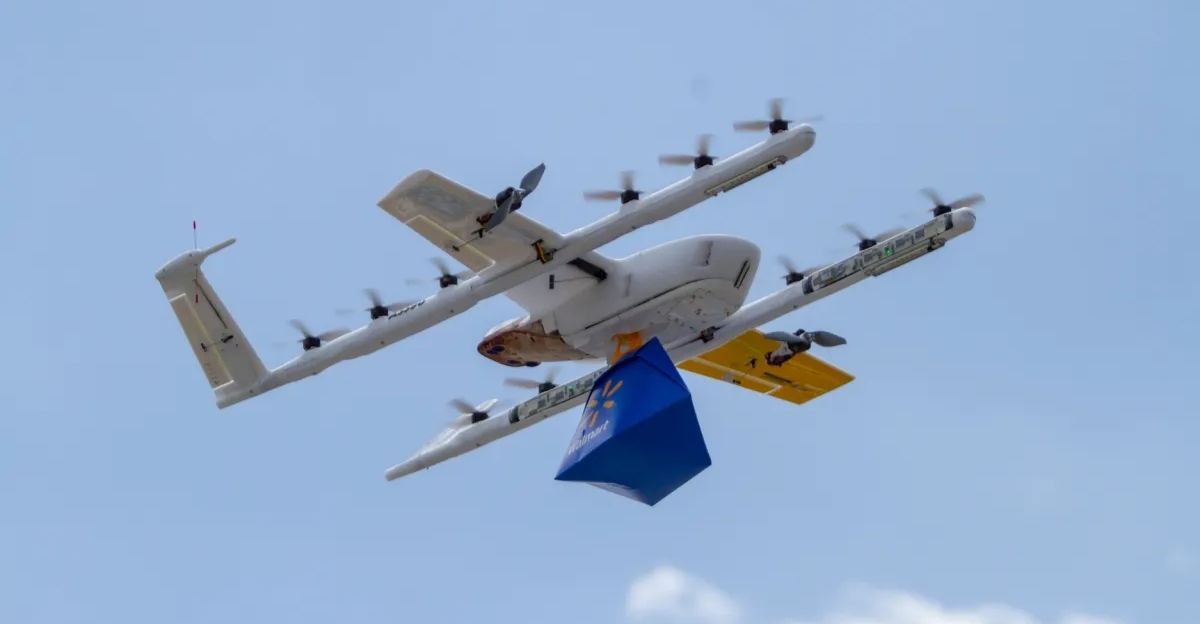
Walmart’s drone delivery network is poised for explosive growth. The retail giant announced plans Sunday to bring aerial package service to 150 additional stores, building what executives call “the world’s largest residential drone delivery service.”
The expansion targets roughly 10% of America’s population within two years.
Rapid Adoption
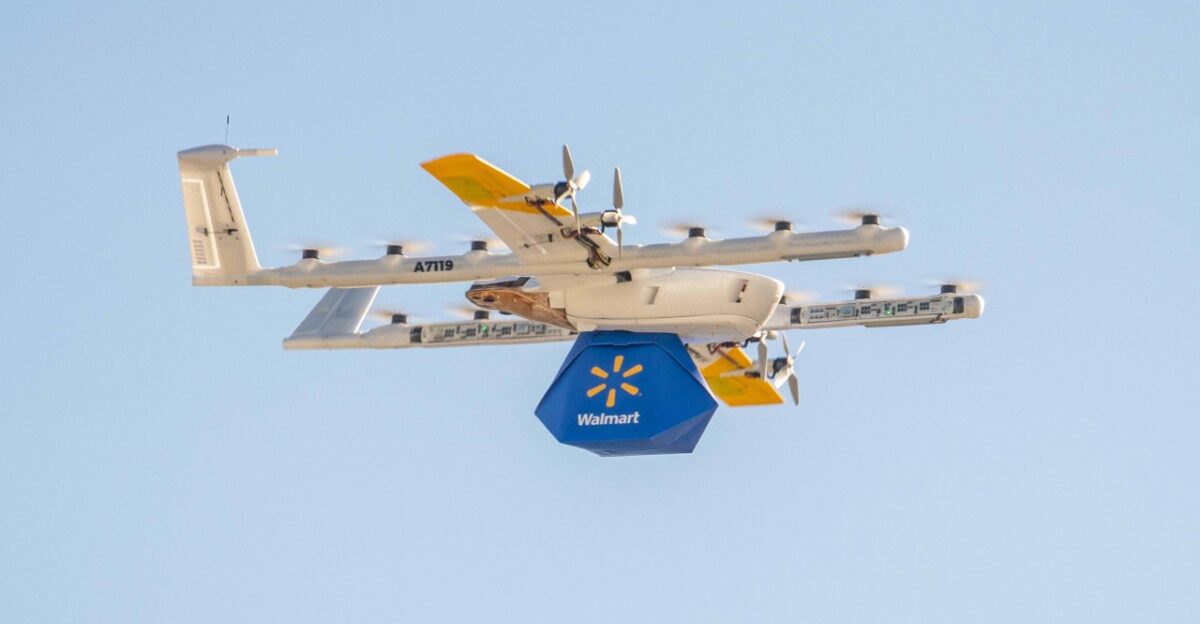
Customer demand is driving the acceleration. Wing reports that its most frequent users in Dallas-Fort Worth and Atlanta markets order multiple times per week.
Eggs, ground beef, and over-the-counter medicine dominate orders, with packages arriving in as fast as 30 minutes.
Three-Year Build
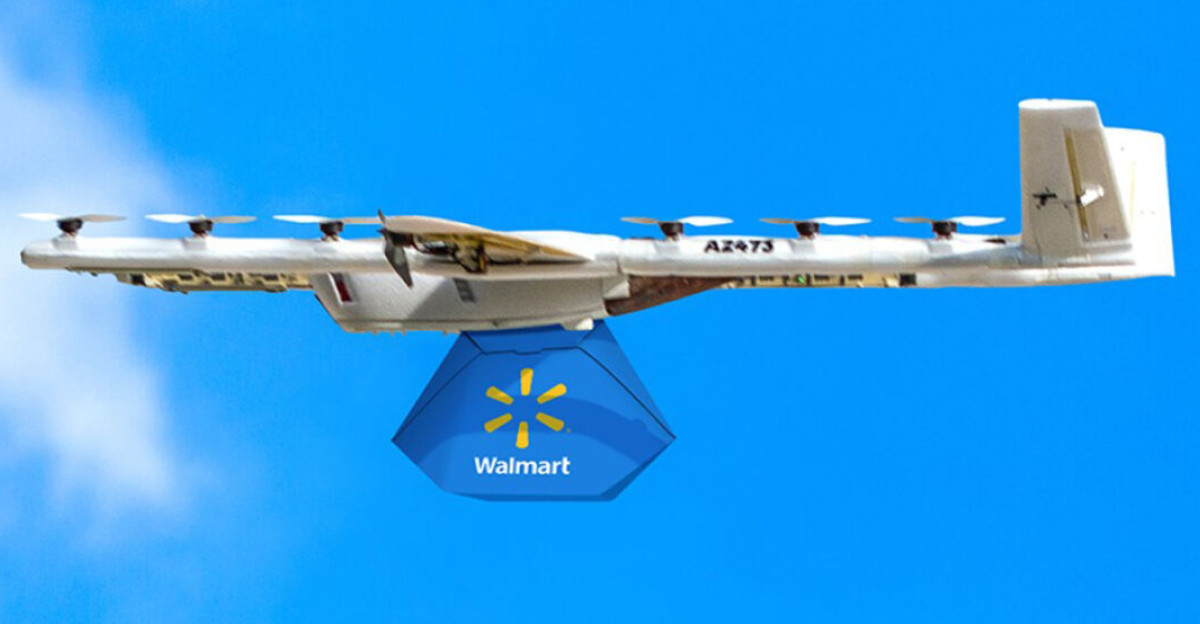
The Walmart-Wing partnership launched in September 2023 with just two Dallas-area stores serving 60,000 households.
By January 2026, the network had grown to approximately 27 operational locations across Texas, Georgia, and Arkansas—18 in Dallas-Fort Worth and 6 in Metro Atlanta, with additional locations planned for expansion throughout 2026 and 2027. The companies have completed over 150,000 deliveries, proving the model’s commercial viability.
Regulatory Tailwinds
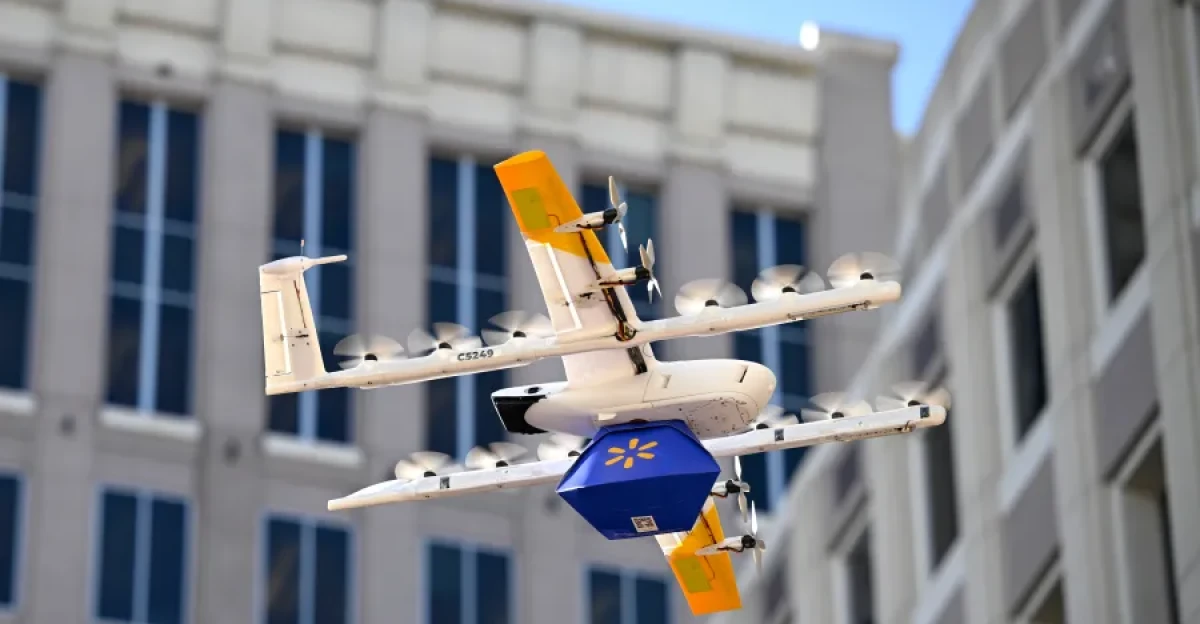
Wing holds a critical advantage: Federal Aviation Administration Part 135 Air Carrier Certification, granted in 2019.
This allows Beyond Visual Line of Sight (BVLOS) operations without requiring spotters to watch each drone. The certification enables one pilot to oversee multiple simultaneous flights from a central operations center.
150 Store Expansion
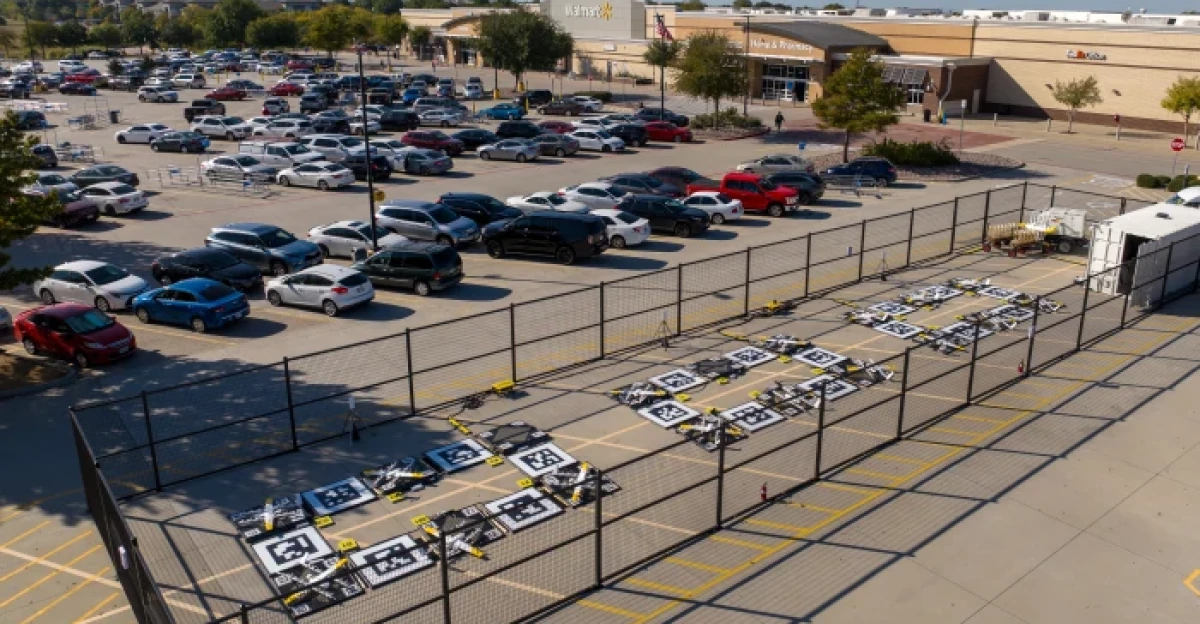
Here’s the timeline reality: Walmart and Alphabet-owned Wing announced the 150-store expansion on January 11, 2026, with the rollout planned “over the next year” through 2027.
Houston launched January 15 as the first new market. Los Angeles, St. Louis, Cincinnati, and Miami will follow throughout 2026–2027, with exact dates yet to be announced.
West Coast Breakthrough
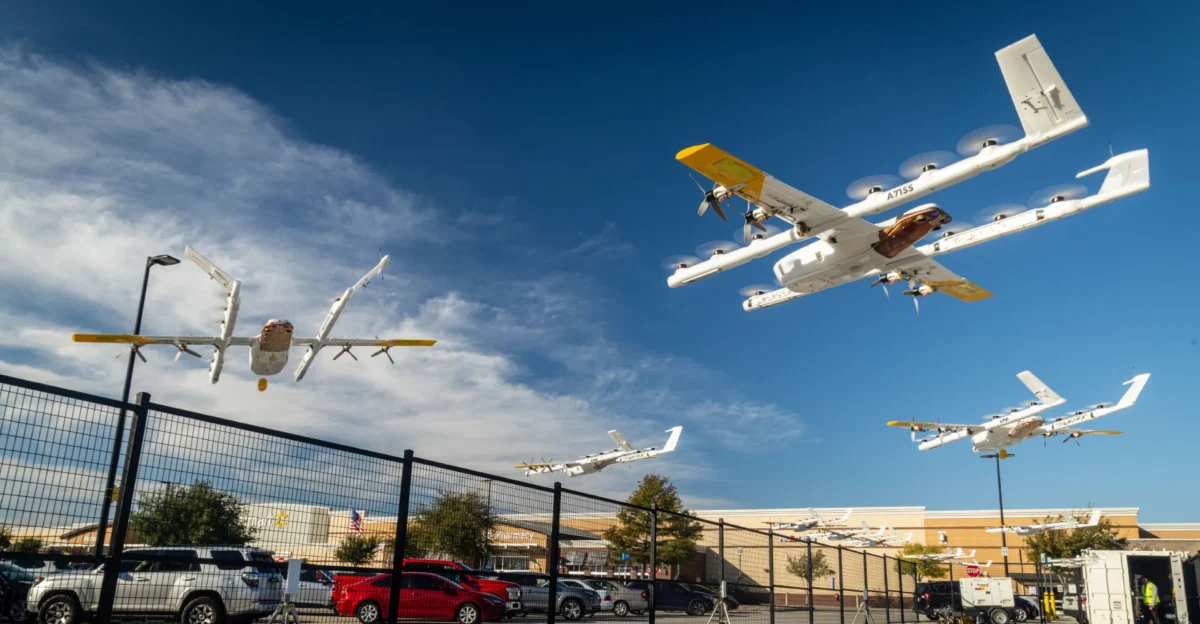
Los Angeles represents a strategic prize: the first West Coast drone delivery hub for Walmart.
The metro area’s 13 million residents and dense suburban geography make it ideal for Wing’s 6-mile delivery radius. However, urban noise concerns and airspace complexity have delayed California launches industry-wide until now.
Customer Voices
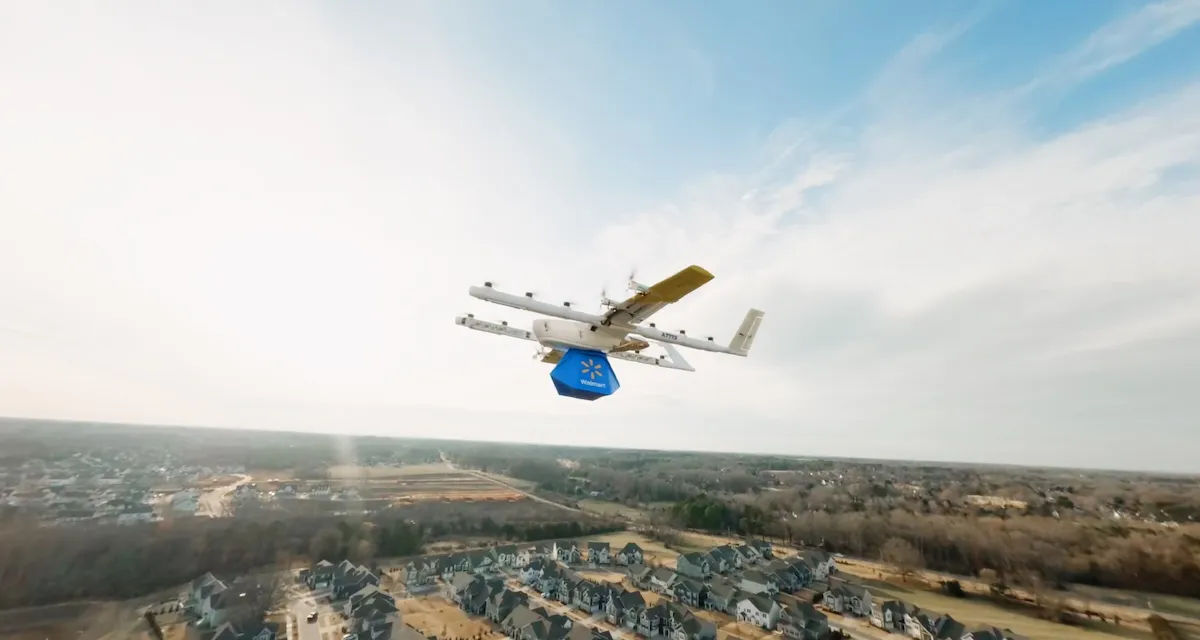
“Drone delivery is crucial for our ability to deliver what customers want, exactly when they want it,” Greg Cathey, Walmart’s Senior Vice President of Digital Fulfillment Transformation, told reporters.
“Whether it’s a last-minute ingredient for dinner or a late-night essential, the strong adoption we’ve seen confirms this is the future of convenience.”
Amazon’s Shadow
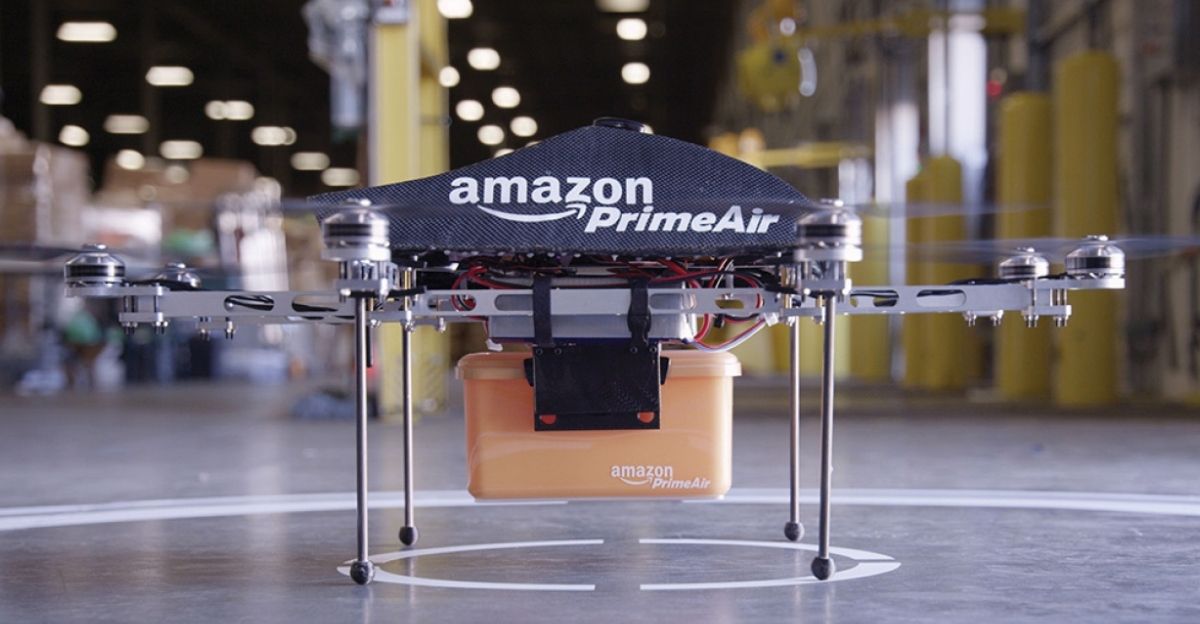
Walmart’s expansion directly challenges Amazon’s Prime Air drone service, which operates in limited California and Texas markets.
Amazon has struggled to scale beyond test zones since 2013, while Walmart leveraged partnerships with Wing and Zipline to reach commercial operations faster. The race now centers on regulatory approvals and consumer acceptance.
Macro Trend: Last-Mile Crisis
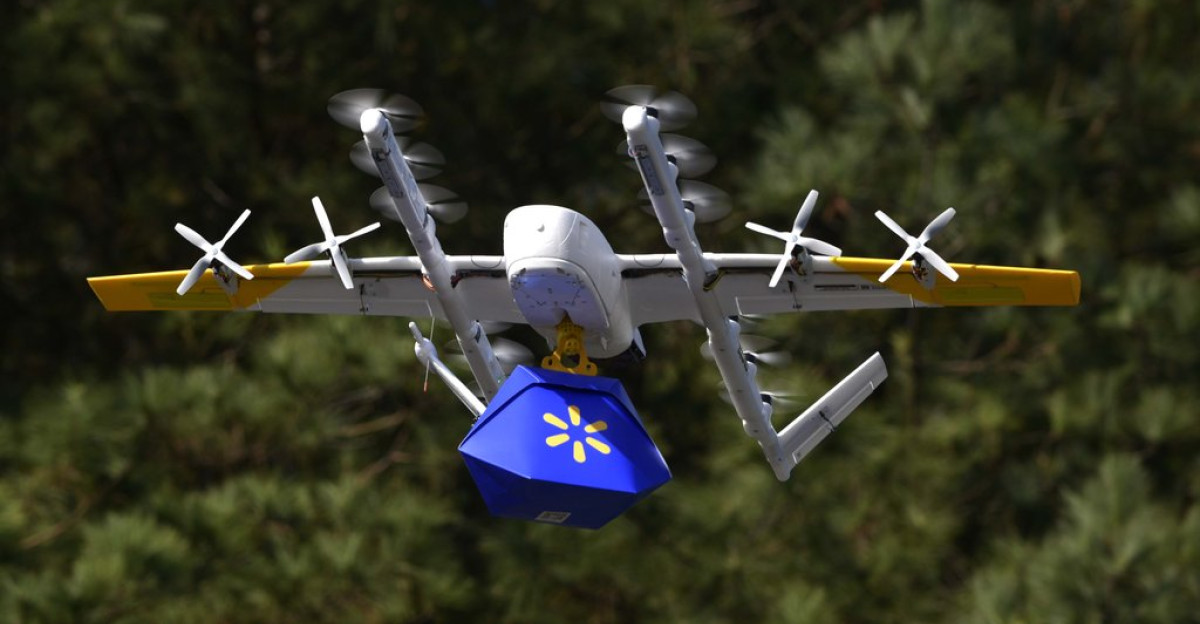
Last-mile logistics represent a major expense in retail delivery, with industry estimates suggesting these costs account for over half of total shipping expenses.
Traffic congestion worsens annually, with urban delivery times increasing significantly since 2020. Wing’s drones bypass roads entirely, cruising at 65 mph to complete 12-mile round trips on single battery charges.
The 40 Million Reality
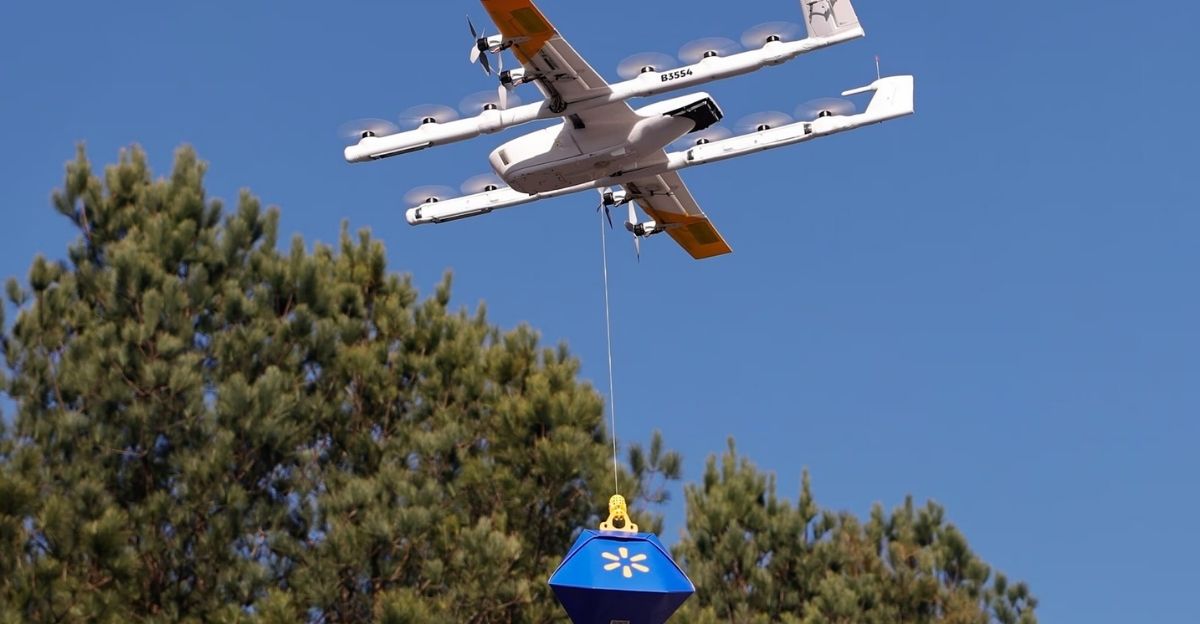
The “40 million Americans” figure represents the projected population within delivery zones once all 270+ stores launch by end-2027, not current operational coverage.
As of January 2026, roughly 120 stores serve several million customers across three states. Geography matters—suburban customers benefit most, as urban high-rises present delivery challenges.
Stakeholder Tensions

Not everyone celebrates drone ubiquity. Noise complaints have emerged in Dallas-Fort Worth neighborhoods, where residents report buzzing sounds during dinner hours.
Wing redesigned propellers to reduce decibels below delivery truck levels, but critics argue cumulative flights create auditory pollution. Local ordinances in some cities restrict flight hours and zones.
Leadership Shift
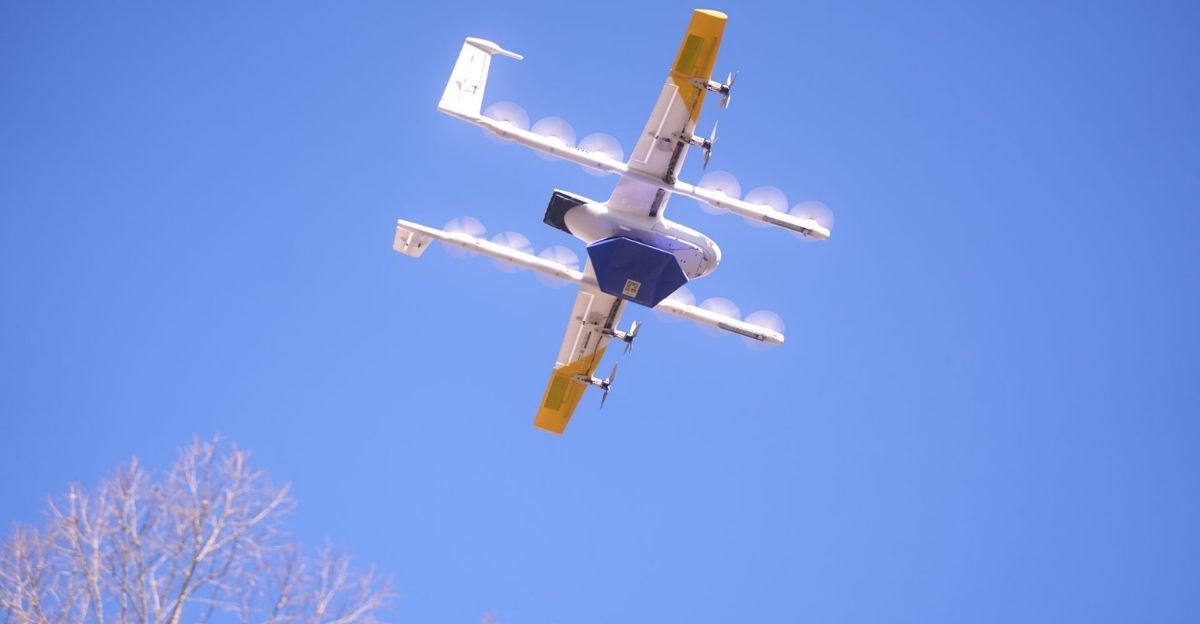
Wing appointed Heather Rivera as Chief Business Officer in August 2025 to oversee the Walmart expansion.
Rivera brings retail logistics expertise and told TechCrunch that Walmart remains Wing’s “primary path to commercial operations,” despite a separate DoorDash partnership. Her mandate: integrate drone delivery seamlessly into Walmart’s existing fulfillment infrastructure without adding personnel.
Strategic Pivot
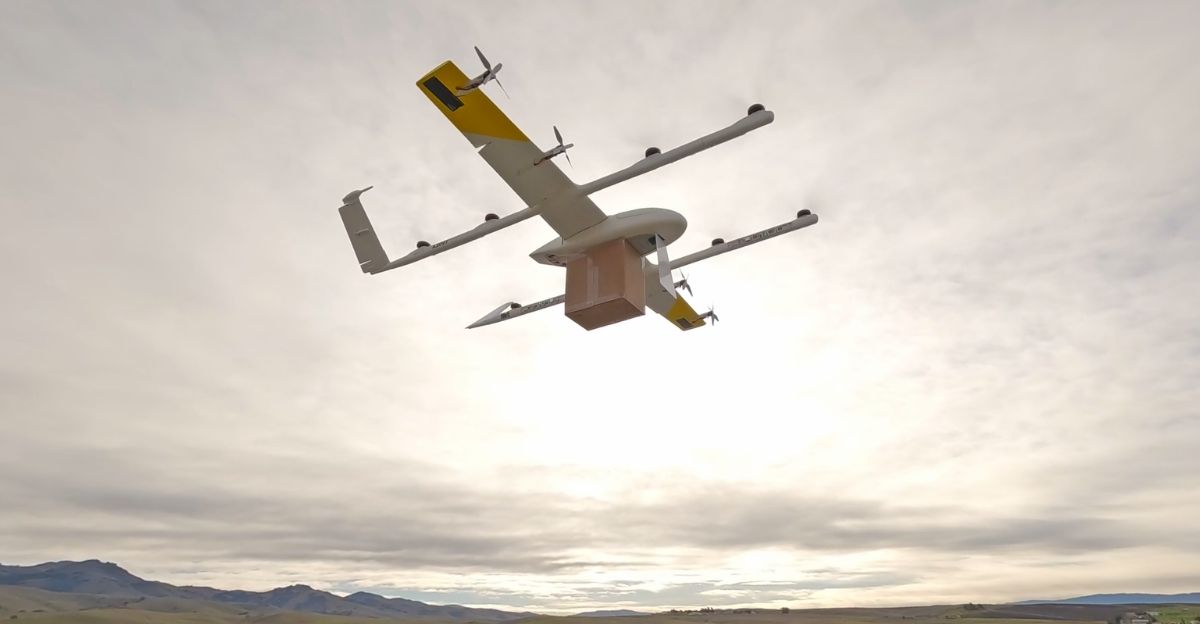
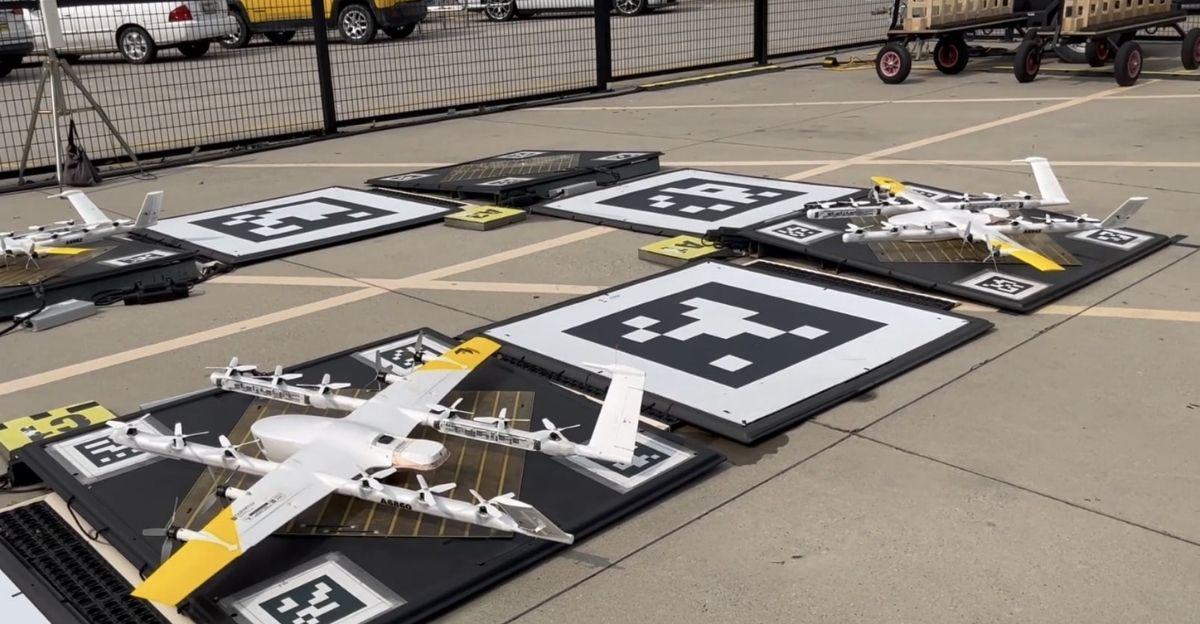
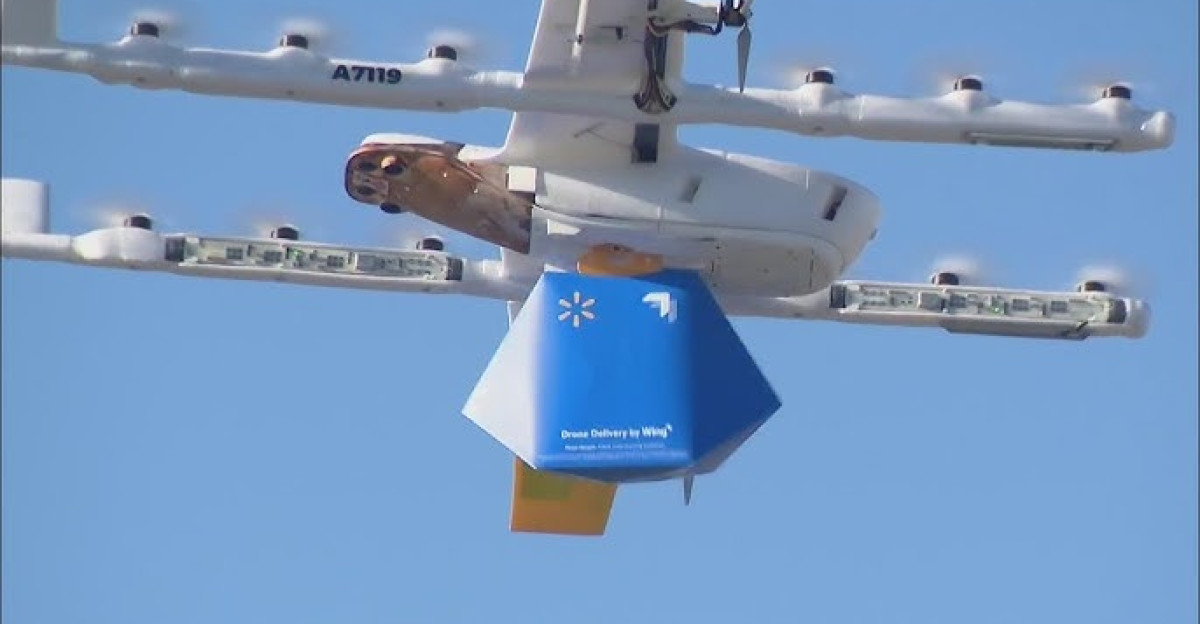
Wing recently completed test flights for larger aircraft carrying 5-pound payloads—double the previous 2.5-pound limit.
The upgrade allows customers to order multiple items or heavier groceries in single trips, addressing a key complaint. The new drones maintain the same 12-mile range while cruising at 65 mph, with FAA approval expected mid-2026.
Expert Skepticism
Logistics analysts question profitability timelines. “Drone delivery requires massive upfront infrastructure—charging stations, regulatory compliance, insurance—while serving limited customer segments,” noted Rich Pleeth, founder of last-mile AI firm Finmile.
He argues drones work best in suburban sprawl, not dense urban cores where most Americans live. Break-even may take years.
The Forward Question
Can Walmart maintain expansion velocity? The company plans to build or remodel over 150 physical stores through 2029 while simultaneously deploying drone infrastructure.
Capital allocation becomes critical: each drone hub requires parking lot retrofits, automated loading systems, and FAA operational specifications amendments. The question isn’t capability—it’s prioritization.
Political Calculus
Drone delivery enters a charged regulatory environment. The FAA aims to launch clearer pathways for longer-distance operations in 2026, but a June 2025 White House executive order demanded faster rulemaking.
Wing and competitors must navigate airspace coordination with manned aircraft, privacy laws varying by state, and local zoning battles over “visual pollution.”
International Ripple
Wing operates on three continents, with established services in Australia and Finland. The U.S. expansion positions Walmart to export the model globally, particularly to suburban markets in Canada, UK, and Latin America.
However, international drone regulations remain fragmented. Europe’s stricter data privacy rules and Asia’s dense urban landscapes present distinct challenges to the suburban-centric U.S. blueprint.
Environmental Angle
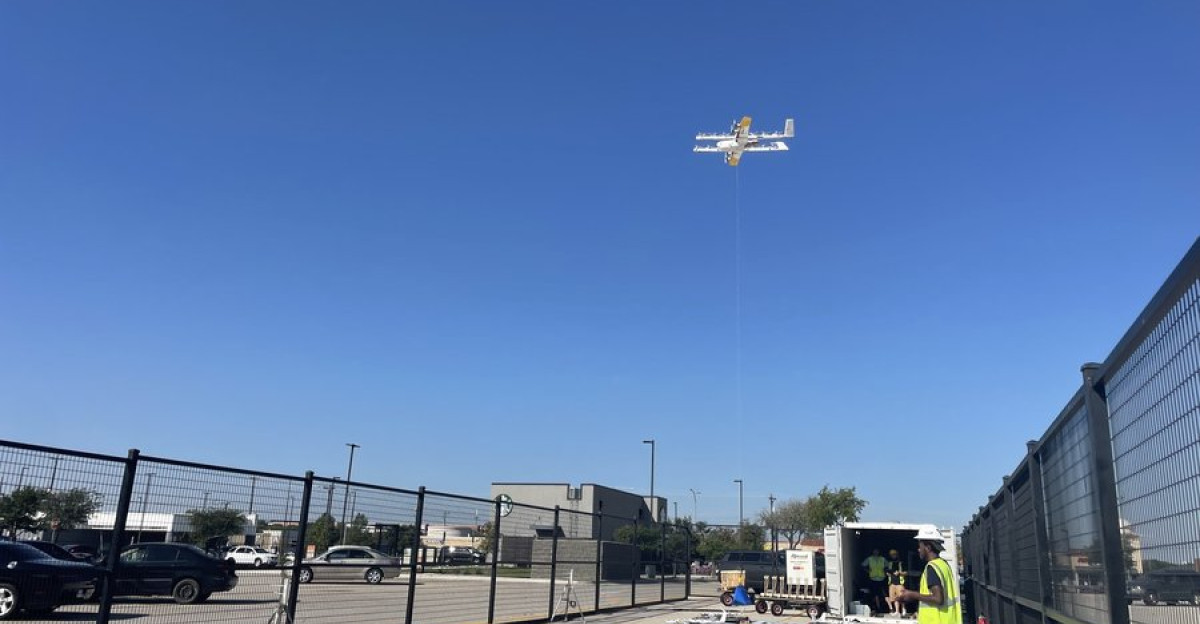
Wing markets drones as eco-friendly alternatives to delivery vans, citing significantly lower carbon emissions per package compared to traditional delivery vehicles.
A single drone running on battery power completes trips that would require starting engines, navigating traffic, and idling. Critics counter that manufacturing batteries and charging infrastructure carry hidden environmental costs. Life-cycle analyses remain contested.
Generational Divide
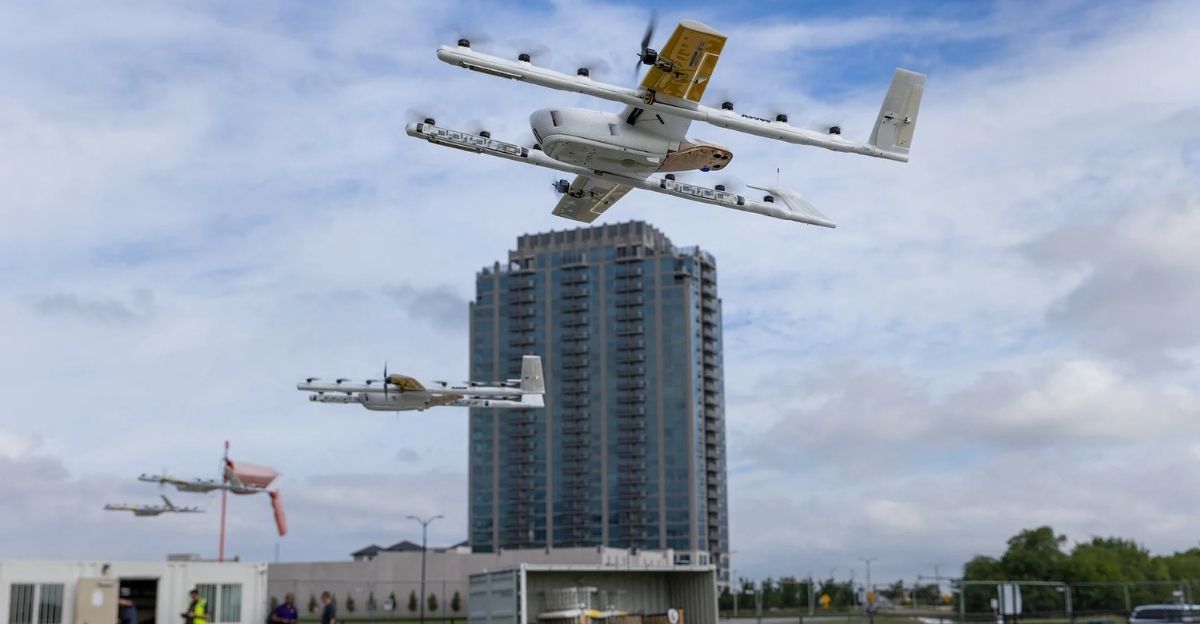
Acceptance of drone delivery varies by demographic. Younger urban consumers generally view it as technological progress, while some older suburban residents express skepticism.
They cite privacy concerns about flying cameras and disruption of neighborhood tranquility. Walmart’s success may hinge on whether convenience overcomes cultural resistance in middle America.
What It Signals
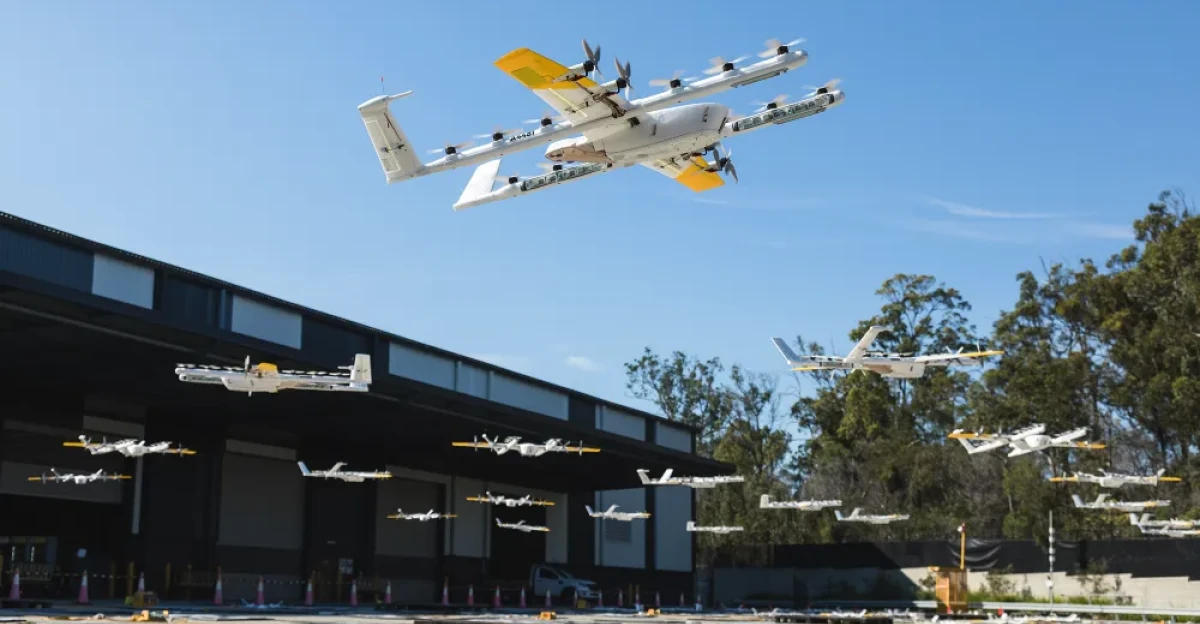
Walmart’s drone commitment represents a bet on infrastructure over incrementalism. While competitors test cautiously, Walmart is embedding aerial delivery into core operations.
Treating it not as novelty but necessity, the 270-store network by 2027 would normalize drones in American skies—or expose the limits of technology to reshape century-old shopping habits. Either way, the retail landscape won’t look the same.
Sources:
Wing (Official), Wing and Walmart expand drone delivery to 150 new stores, January 7, 2026
TechCrunch, Wing to expand drone delivery to another 150 Walmart stores, January 10, 2026
CBS News, Walmart to expand drone delivery to hundreds of stores, January 11, 2026
The Wall Street Journal, Walmart Expanding Drone Delivery to Hundreds More Stores, January 11, 2026
Supply Chain Dive, Walmart, Wing to scale drone delivery operations to 270 stores, January 11, 2026
The Verge, Wing’s drone delivery is coming to 150 more Walmarts, January 11, 2026