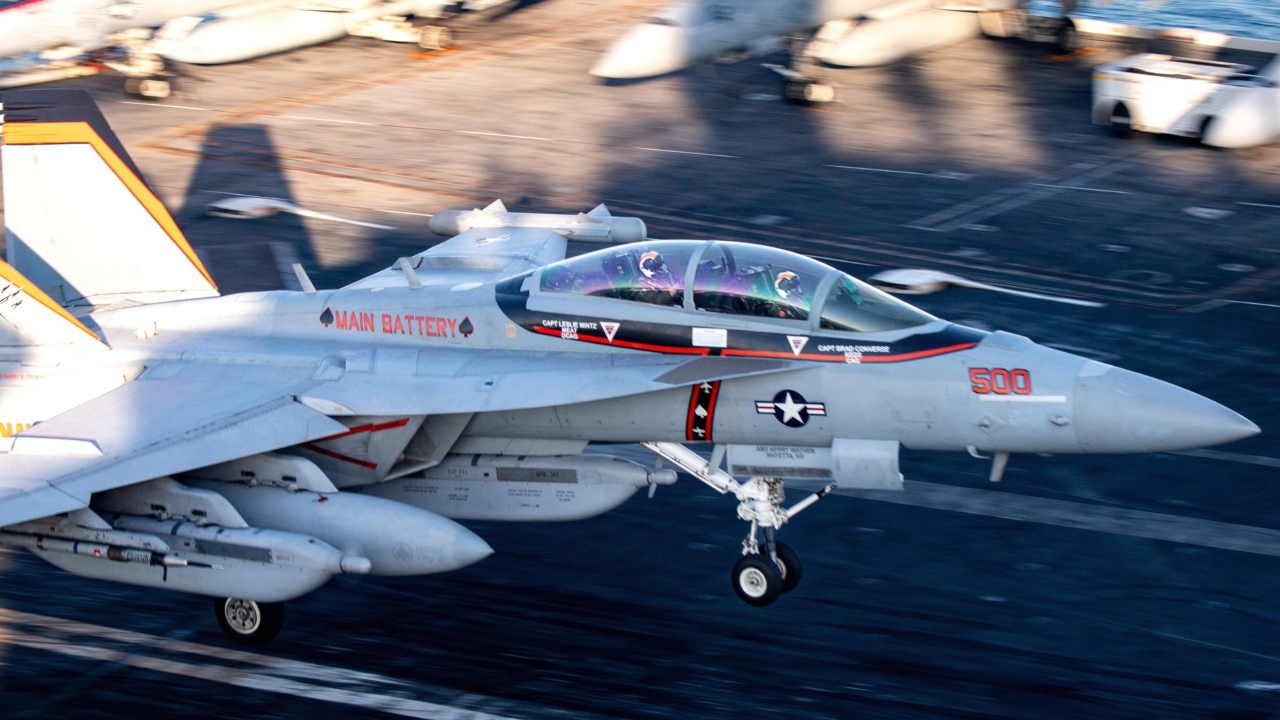
In the predawn hours of January 3, 2026, a massive American aerial armada descended on Venezuela’s capital. More than 150 military aircraft—ranging from stealth fighters to electronic warfare platforms—moved silently toward their objective: extracting Nicolás Maduro from his heavily fortified presidential compound. The authorization came from President Trump mere hours before launch, creating an impossibly tight window for execution. What followed was a masterclass in modern military operations that concluded in just 150 minutes but would reverberate across global defense establishments for years.
Preparation had consumed months. American special operations teams practiced assault scenarios on exact replicas of Maduro’s residence, refining every movement. The challenge was formidable: penetrate one of Latin America’s most sophisticated air defense arrays, extract a head of state from his stronghold, and exit before Venezuelan forces could mount an effective response. This represented the boldest American military incursion into Latin America since Operation Just Cause toppled Manuel Noriega in 1989.
Moscow’s Billion-Dollar Gamble in Caracas
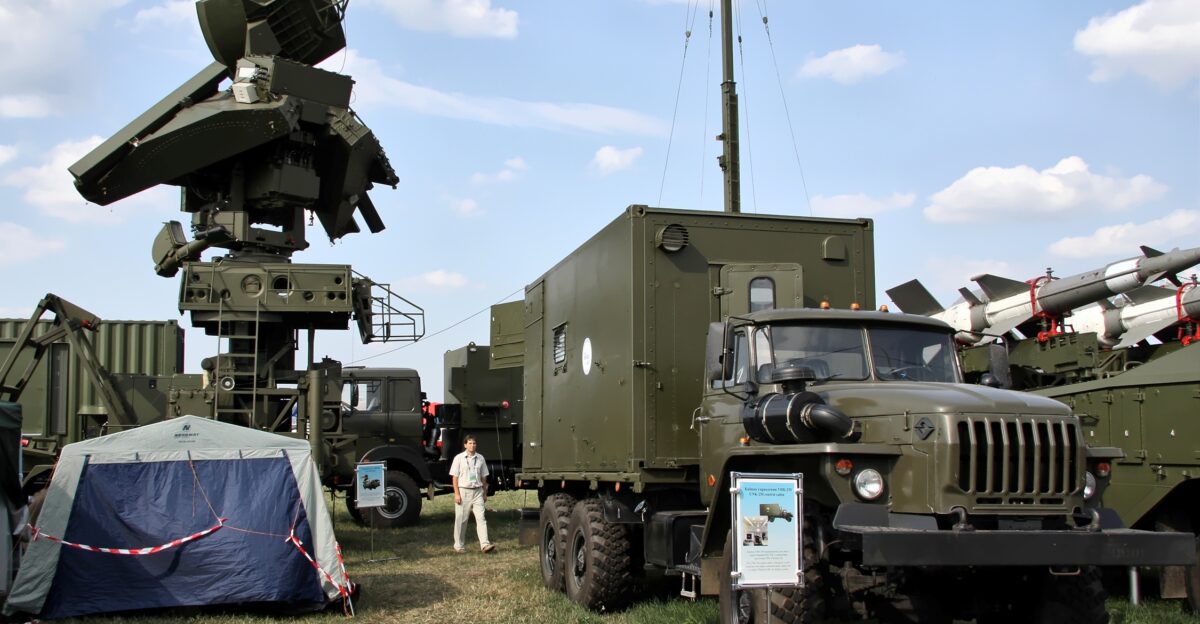
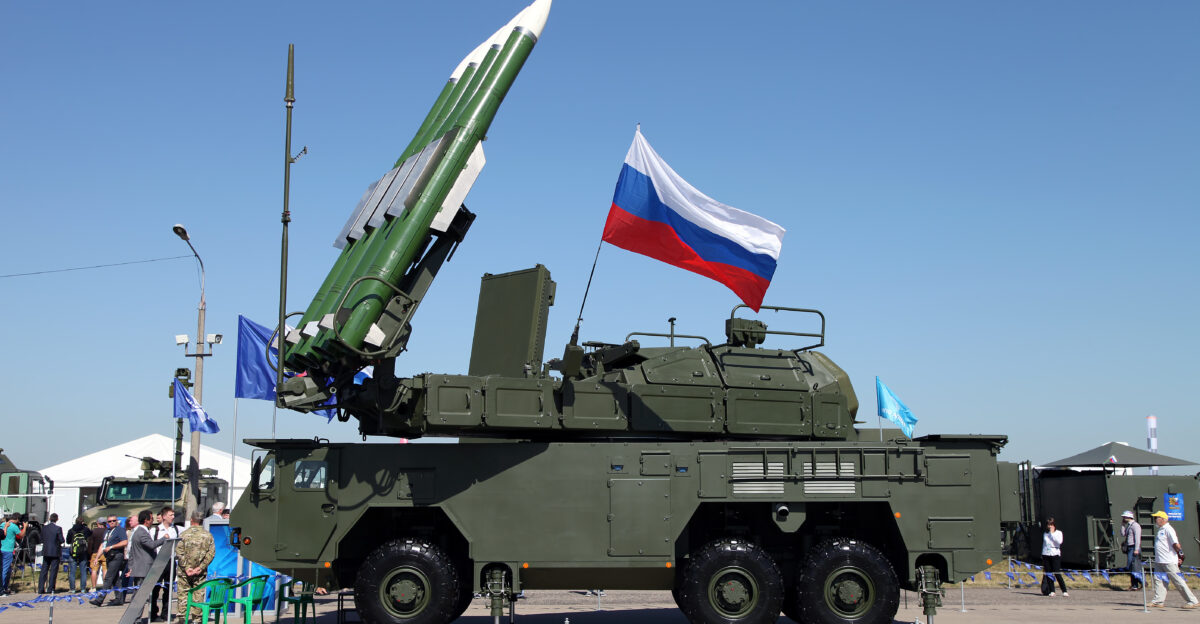
Venezuela’s defensive infrastructure represented a significant Russian investment. Beginning in 2009, Moscow extended a $2.2 billion line of credit that transformed Venezuela’s military capabilities. Caracas acquired advanced S-300VM long-range interceptor missiles, Buk-M2E medium-range systems, upgraded Pechora-2M batteries, and thousands of portable Igla-S surface-to-air missiles. Strategic installations from Fort Tiuna to Higuerote Airport bristled with sensors and launchers, creating what Moscow marketed as an impenetrable barrier against NATO-standard aviation.
Yet this impressive arsenal collapsed spectacularly when tested. The operation revealed systemic failures beyond hardware specifications. Venezuelan defense crews lacked adequate training, maintenance schedules were neglected, and integration between systems proved inadequate. When faced with coordinated electronic attacks and precision strikes, operators found themselves overwhelmed. Moscow quickly attributed the failure to Venezuelan mismanagement rather than design flaws, emphasizing that export variants differed from domestic deployments. Nevertheless, the outcome was undeniable: billions in Russian military technology failed to down a single American aircraft during active combat operations.
Winning the Invisible War
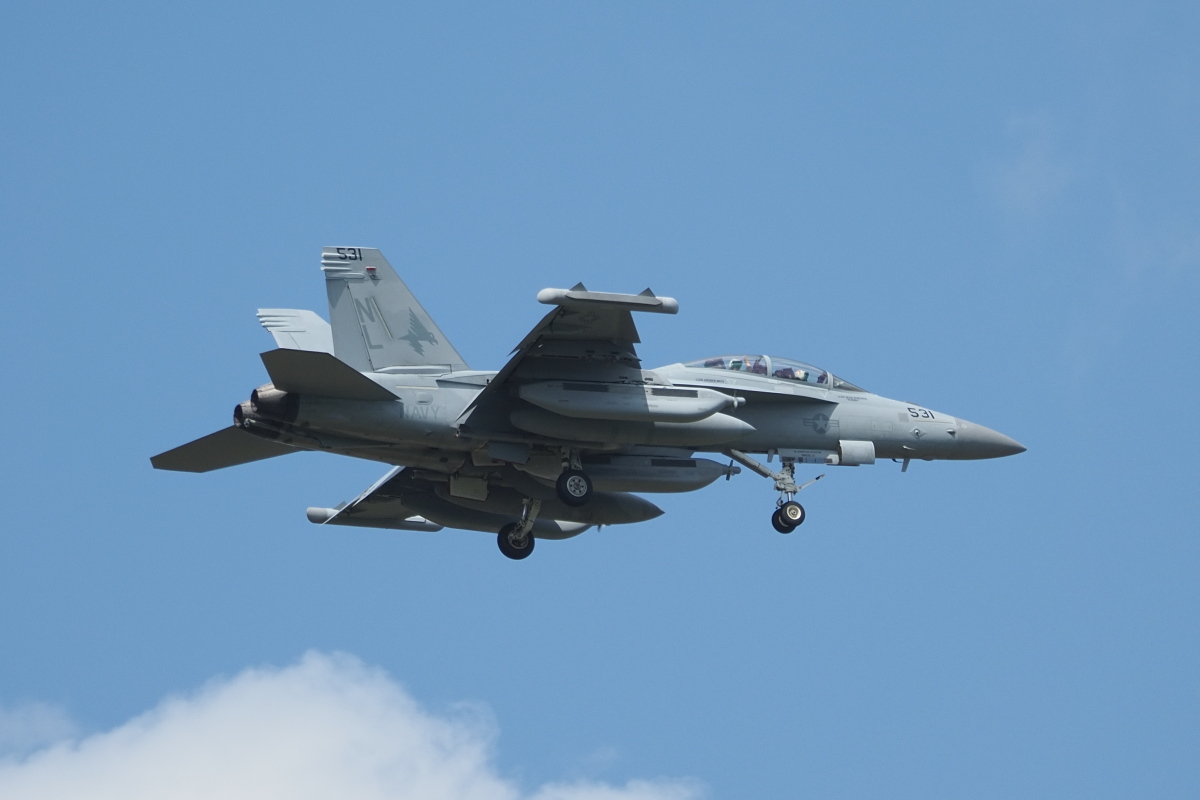
The operation’s cornerstone was electromagnetic superiority rather than kinetic firepower. Navy EA-18G Growler aircraft proved instrumental, flooding Venezuelan airspace with electronic countermeasures that blinded radar installations and disrupted communications infrastructure. These specialized jets generated false targets, jammed tracking systems, and prevented missile batteries from achieving targeting solutions on incoming aircraft. Working in concert with F-22 Raptors, F-35 Lightning IIs, and reconnaissance platforms, the Growlers demonstrated how information dominance has become the critical factor in contemporary warfare.
American forces initiated their assault by systematically dismantling Venezuela’s defensive posture. Precision munitions eliminated key radar installations, communication nodes, and missile control centers. Simultaneously, cyber operations plunged entire sectors of Caracas into darkness, severing power to military command facilities. The coordinated attack created what military planners call “suppression windows”—brief periods where defensive systems become operationally blind despite remaining physically intact. Venezuelan commanders found their sophisticated equipment effectively neutralized, unable to track or engage the assault force converging on Maduro’s location. General Dan Caine later confirmed that defensive systems were systematically disabled to guarantee helicopter safety during the critical insertion phase.disabling the air defense systems to ensure safe passage for helicopters.” By the time Delta Force touched down, Maduro’s Russian-backed shield was neutralized.
Special Operations Execute the Seizure
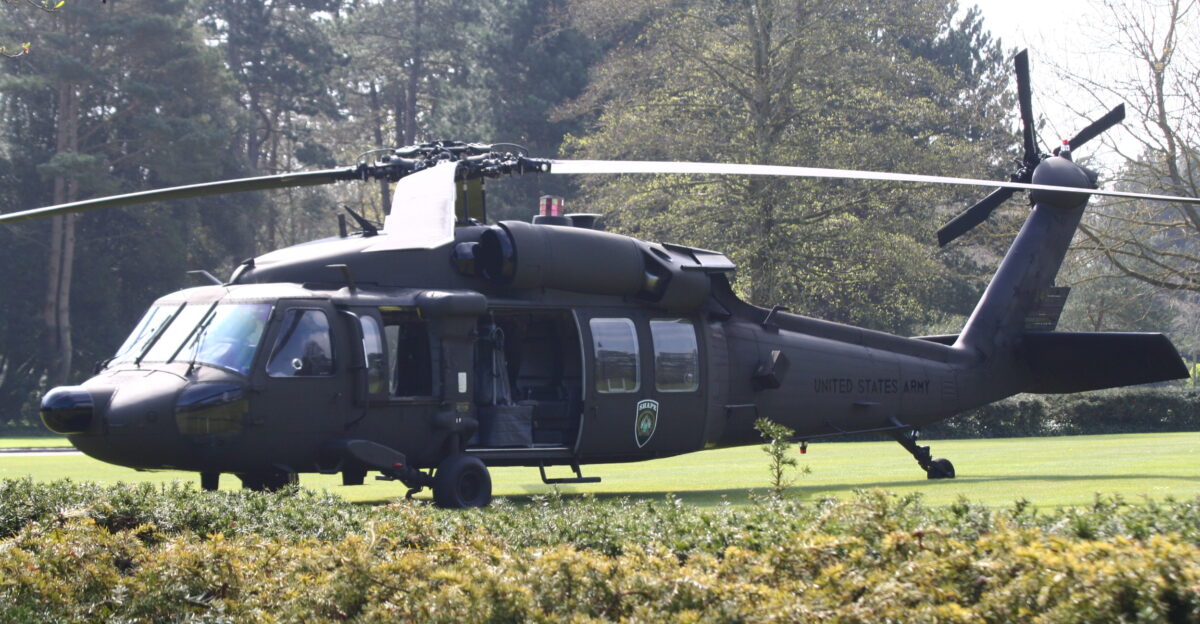
While aerial forces paralyzed Venezuelan defenses, Army special operations helicopters raced toward their objective. Delta Force commandos aboard MH-47 Chinooks and MH-60 Black Hawks flew through sporadic ground fire to reach Fort Tiuna, Maduro’s primary compound. FBI Hostage Rescue Team specialists accompanied the assault to ensure proper legal custody procedures. Despite defensive fire that damaged one helicopter, the assault proceeded successfully. American forces engaged protective details—including Cuban military advisors—in close-quarters combat throughout the compound.
Casualties reflected the operation’s intensity. Venezuelan sources reported approximately 100 killed among defensive forces, while American losses were remarkably light: zero fatalities and seven minor injuries. The assault team secured Maduro and key associates before extracting under continued fire. The entire ground operation, from touchdown to departure, consumed less than three hours—a testament to precise intelligence, rehearsal, and execution under extreme pressure.on results in hostile territory.
Reshaping Modern Combat Doctrine
Operation Absolute Resolve has become essential reading in military academies worldwide. The raid validates emerging theories that electromagnetic spectrum control, cyber capabilities, and information warfare now rival traditional firepower in determining combat outcomes. Russian defense officials found themselves managing an international crisis as clients questioned the reliability of expensive systems that failed under real-world conditions. Moscow emphasized that optimal employment requires proper training and support infrastructure—factors Venezuela lacked.
Military analysts caution against oversimplification. Organizations like IISS emphasize that Russian air defense systems remain formidable under appropriate conditions, particularly in sustained conventional conflicts where defenders benefit from preparation and depth. Operation Absolute Resolve succeeded through meticulous intelligence gathering, operational surprise, technological superiority, and precise timing—advantages unlikely to exist in symmetric warfare. The raid doesn’t prove Russian systems are inherently flawed; rather, it demonstrates that hardware alone cannot compensate for training deficiencies, maintenance failures, and electronic warfare superiority.
The geopolitical aftermath continues unfolding. Congressional leaders expressed concern about constitutional implications of launching major operations without legislative consultation. Regional governments absorbed the message that American military reach extends throughout the hemisphere when national leadership determines action necessary. The operation established new precedents for intervention while demonstrating that modern warfare increasingly favors forces capable of integrating stealth technology, electronic warfare, cyber operations, and special operations into synchronized, multi-domain campaigns.
Sources:
DefenseScoop – US deploys 150-plus military aircraft, drones and other tech in Venezuela operation, Gen. Caine details – January 2, 2026
The New York Times – Inside ‘Operation Absolute Resolve,’ the U.S. Effort to Capture Maduro – January 3, 2026
Business Insider – Venezuela’s Russian Air Defenses Didn’t Shoot Down a Single US Aircraft – January 6, 2026
West Point Modern War Institute – Eight Military Takeaways from the Maduro Raid – January 8, 2026]