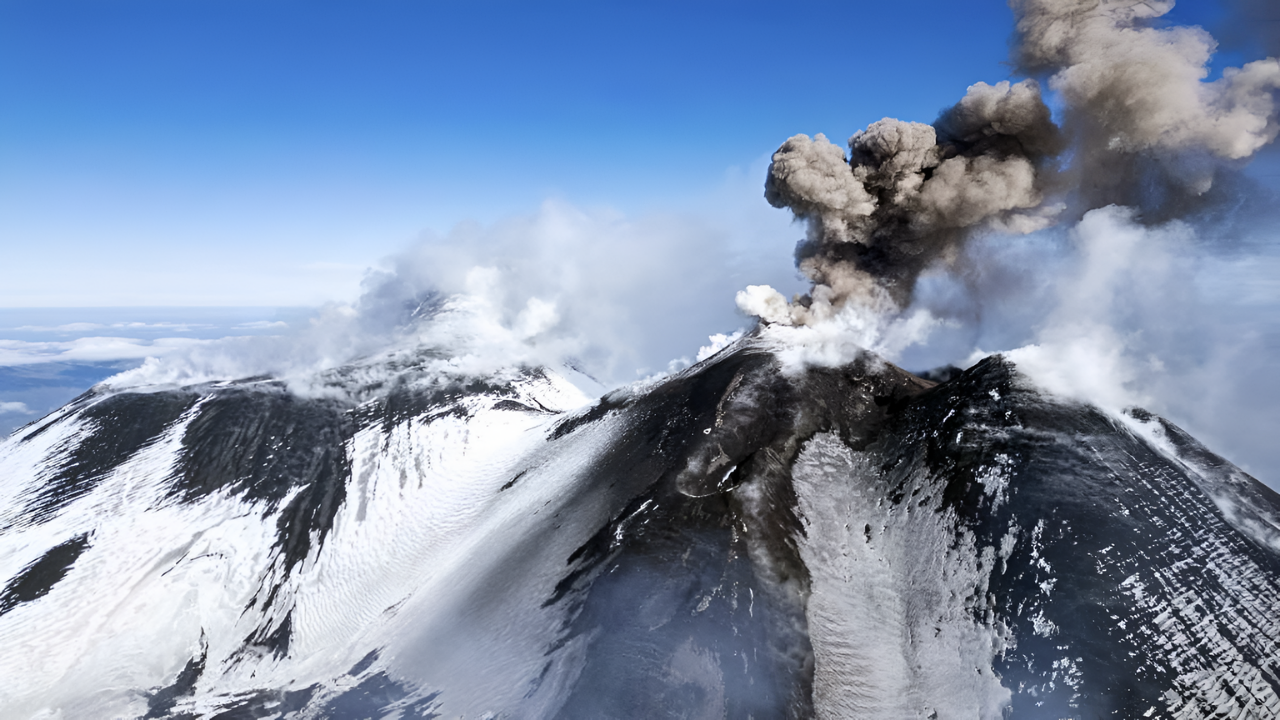
Earth’s glaciers are melting fast. Scientists estimate that the planet loses approximately 1,000 glaciers each year. That rate will triple or quadruple in the next 20 years.
The Earth still has approximately 200,000 glaciers remaining. What makes this crisis unique isn’t just the speed of melting.
The real danger lies in hidden geological changes happening underground. Melting ice creates planetary stress far beyond flooding and rising sea levels.
A Chain Reaction Beneath Our Feet
When massive ice sheets melt, they release enormous amounts of water, which in turn removes significant weight from Earth’s crust. The ground beneath suddenly bounces back upward.
Scientists call this post-glacial rebound. Iceland and Scandinavia rise by more than 0.4 inches per year. GPS networks measure this real geological shift happening now.
The pressure release triggers a chain reaction deep inside Earth, affecting molten rock chambers miles below. This planetary feedback loop was underestimated by mainstream climate science.
When Ice Suppressed Fire

Iceland’s history tells a powerful story. Approximately 15,000 years ago, massive glaciers began to retreat, and volcanic activity intensified. Eruption rates jumped 30 to 50 times higher than normal.
This volcanic surge lasted roughly 1,500 years. Ice acted as a pressure cap on magma chambers. Removing that ice triggered cascading eruptions.
Today’s rapidly melting glaciers recreate those ancient conditions. Scientists warn modern ice loss could trigger a similar volcanic cycle.
The Global Vulnerability Assessment
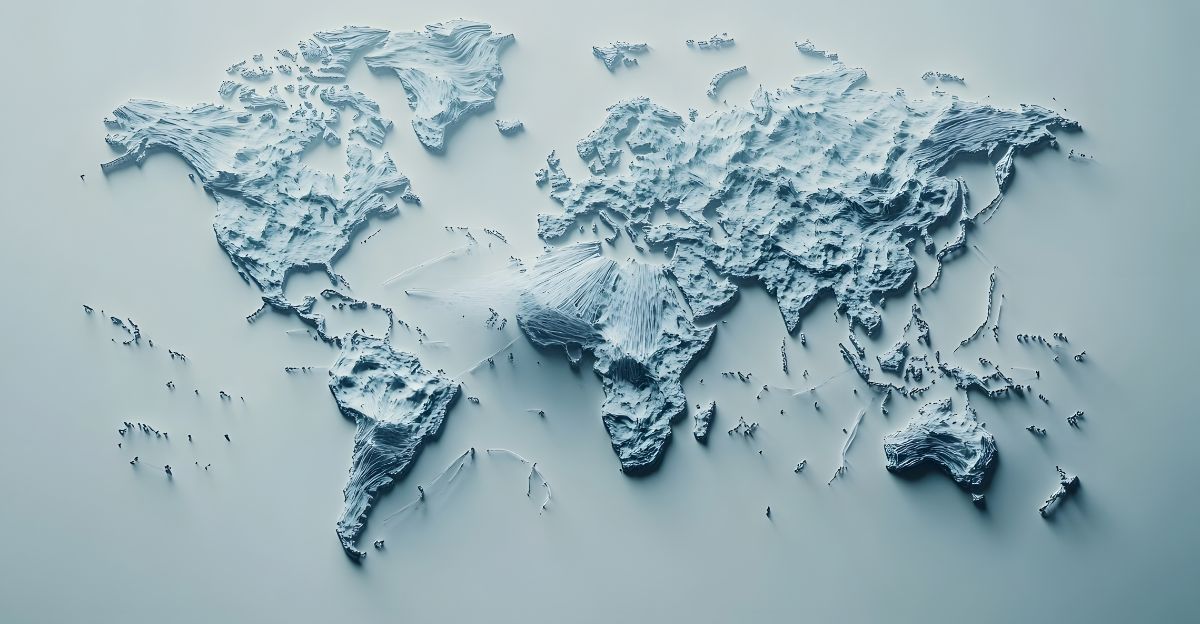
A 2020 mapping study found 245 volcanoes sitting fully or partly beneath glacier ice. These ice-covered volcanic systems span the Pacific Ring of Fire, Iceland, the Andes, and Antarctica.
About 160 million people live within 60 miles of glacier-capped volcanoes. The risk is real and global.
In Chile, Ecuador, Colombia, and Iceland, entire cities sit downstream of ice-covered peaks. Volcano awakening brings ash clouds, lahars, and meltwater floods.
Antarctica’s Hidden Threat Emerges
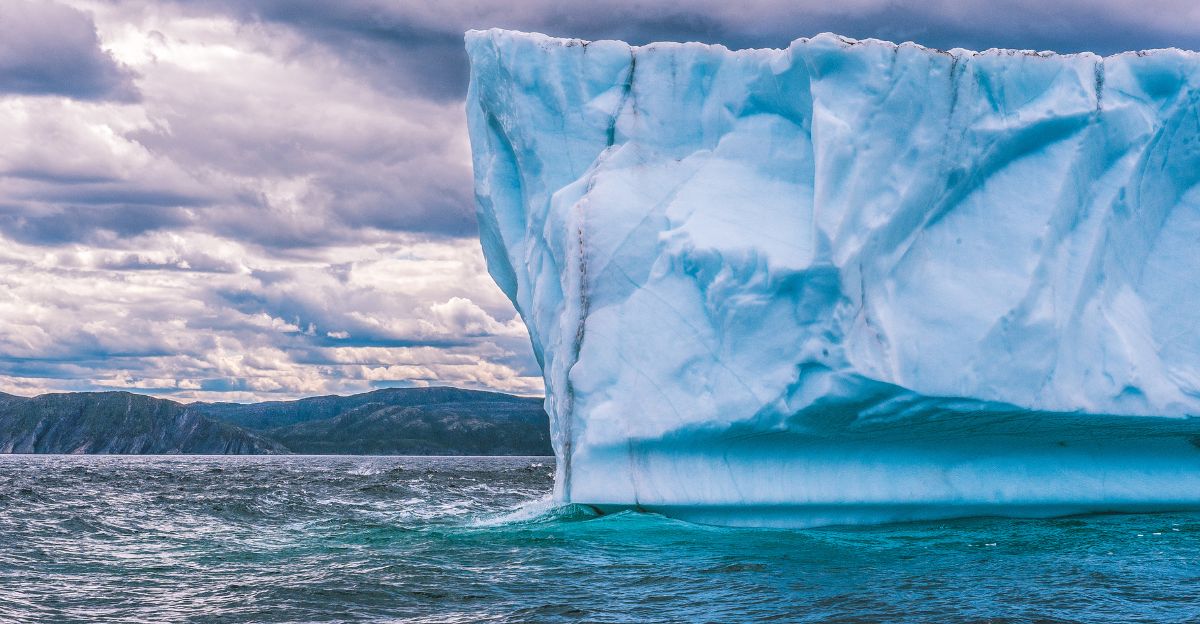
Antarctica’s ice sheet hides 130 volcanoes. Most remained unknown until recently, yet all stay geologically active. This is Earth’s largest concentration of ice-covered volcanoes.
As Antarctic glaciers melt faster, these volcanoes face the same pressure-release mechanism as those in the Arctic. The results could dwarf other volcanic scenarios.
Massive freshwater discharge could disrupt ocean circulation. Atmospheric ash could block sunlight. Ice-loss feedback loops may accelerate further.
Iceland’s Restless Giant: The Bárðarbunga Signal
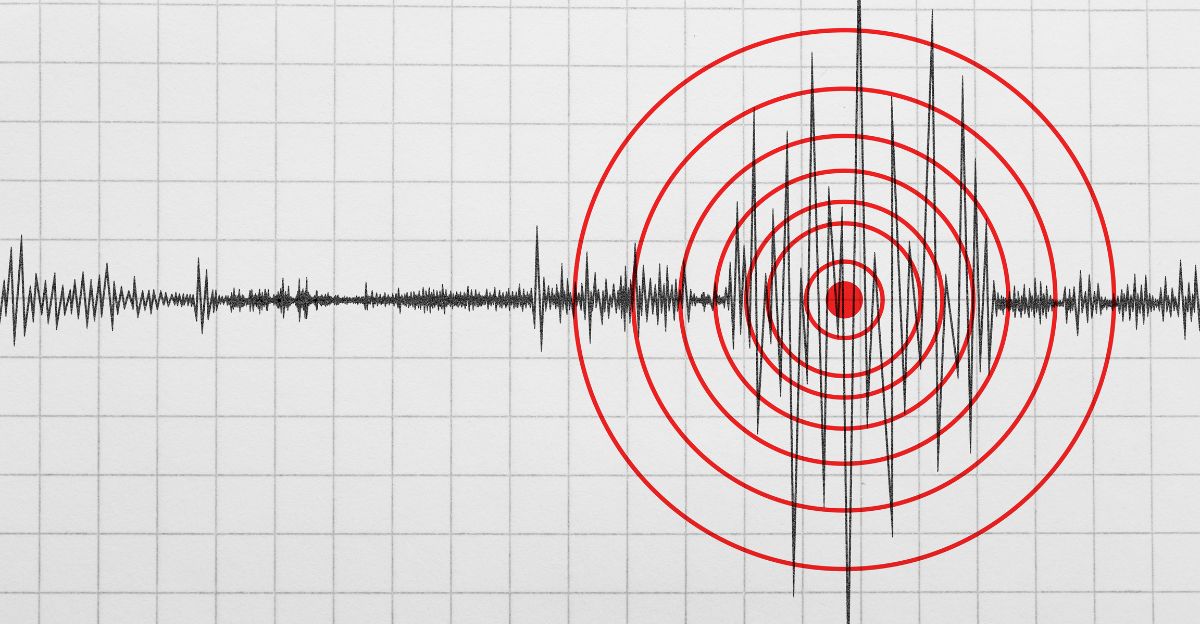
On January 14, 2025, Iceland’s Bárðarbunga volcano experienced its strongest earthquake swarm in over 10 years. Iceland’s Meteorological Office recorded more than 130 earthquakes, including a magnitude 5.1 tremor.
Bárðarbunga last erupted from 2014 to 2015, producing Iceland’s largest lava flow in over 200 years. Seismic monitoring now reveals renewed magma movement beneath Europe’s largest glacier.
This real-time activity illustrates the theoretical model that scientists have warned about.
A Researcher’s Warning from the Field
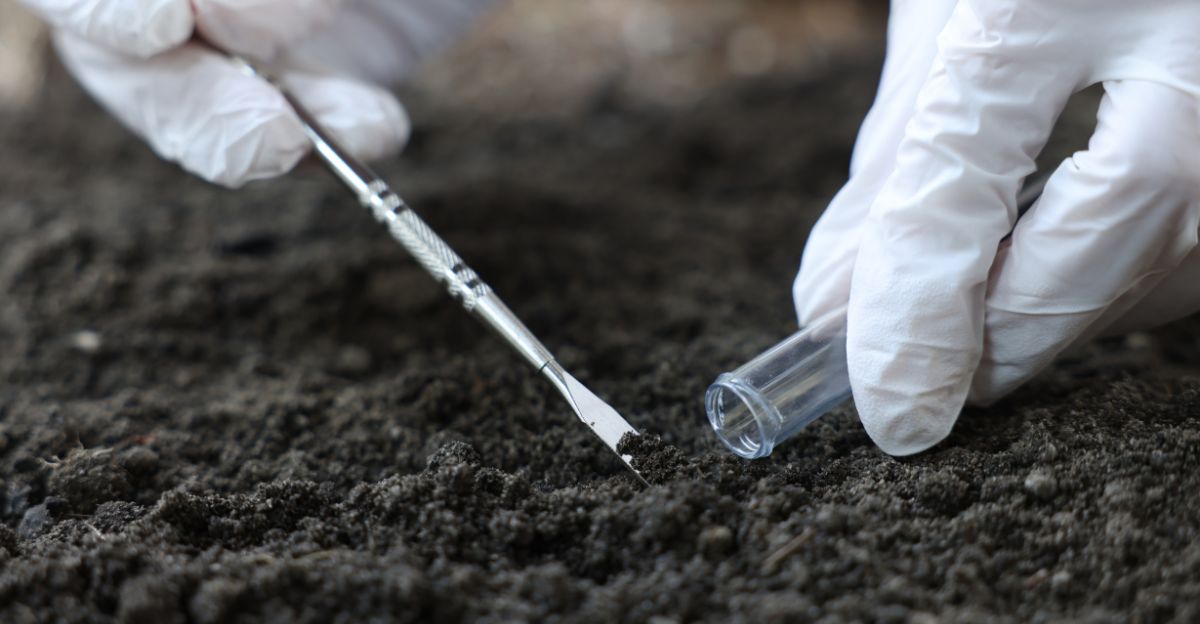
University of Wisconsin-Madison geoscientist Brad Singer leads a team studying glacier retreat and volcano destabilization. His lab analyzed six Chilean Andes volcanoes using argon dating and crystal analysis.
They documented the shift from suppressed to active eruption patterns. Graduate researcher Pablo Moreno-Yáñez presented findings at the 2025 Goldschmidt Conference in Prague.
Thick ice reduces magma production but allows larger magma chambers. The disappearance of ice triggers pressure relief and the release of explosive gas.
Modeling the Magma Surge
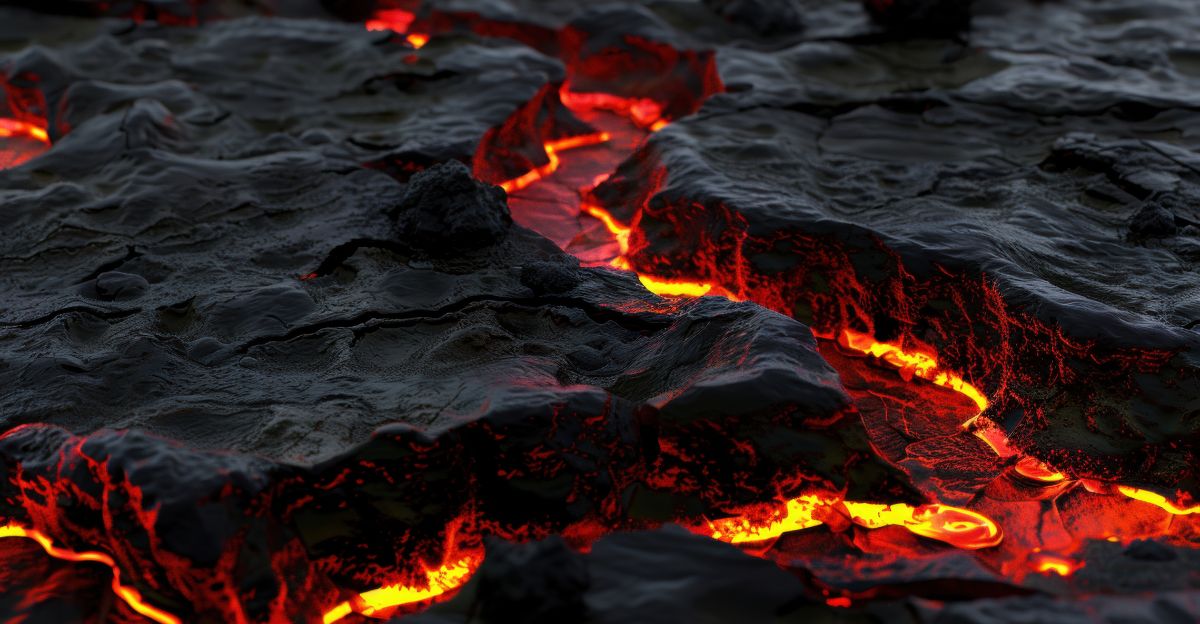
Computer models indicate that current magma generation beneath Iceland is at least twice the baseline rate. As glaciers retreat, the undersaturated mantle rises. More of it crosses the melting threshold.
Models show no near-term leveling off: magma production scales with ice loss. Researchers project Iceland could experience sustained high volcanic activity lasting decades to centuries.
The Pacific Northwest, Patagonia, and the Cascades face similar trajectories. Glacier melt is a volcanological trigger.
The Aviation & Atmospheric Wild Card
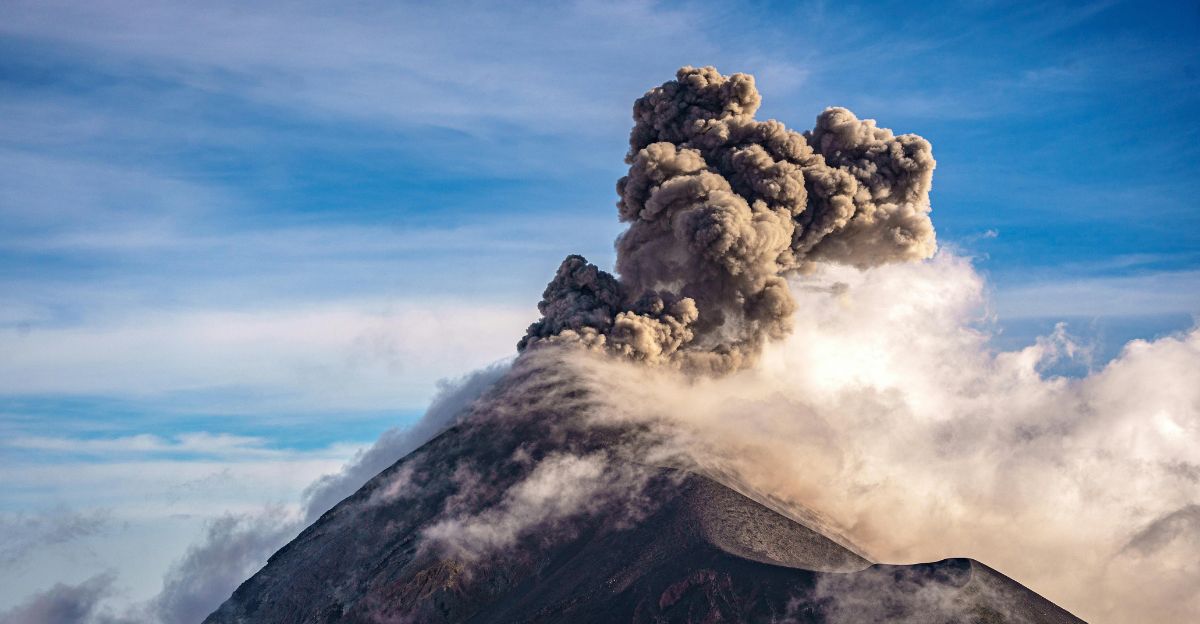
One major volcanic eruption can halt air traffic worldwide. In 2010, Iceland’s Eyjafjallajökull eruption sent ash 35,000 feet into the air. European airspace shut down for days. Airlines lost $180 million daily.
In 2025, Ethiopia’s Hayli Gubbi volcano—dormant for 12,000 years—erupted, sending ash to Delhi and disrupting flights.
Scientists warn that cascading glacier-destabilized volcano eruptions could lead to prolonged aviation disruptions. Millions of passengers would be stranded. Global supply chains would choke.
Acceleration Cliff: When Glacier Loss Peaks

Recent research projects that glacier extinction is expected to peak in the 2040s-2050s. Annual losses will reach 2,000 to 4,000 glaciers per year, depending on the rate of warming.
This isn’t gradual: it’s a cliff. By mid-century, Earth sheds the equivalent of the entire European Alps in one year. The crustal adjustment window narrows rapidly. Pressure relief accumulates fast.
Volcanoes that have been dormant for over a century erupt in just decades. Maximum glacier loss and maximum volcanic activation converge in a high-risk window.
Regional Cascades: Lahars and Meltwater Floods

Danger extends beyond eruptions alone. Ice-covered volcanoes sit atop water sources. When volcanoes erupt, they instantly melt the surrounding ice and snow.
This creates catastrophic lahars—mixtures of rock, ash, and water. Lahars accelerate downslope at highway speeds, destroying everything in their path. Colombia’s 1985 Nevado del Ruiz eruption triggered a lahar killing about 25,000 people in Armero.
That volcano still sits beneath glaciers. Modern climate change may lead to more severe outcomes. South America accelerates emergency planning.
Freshwater Disruption and Water Security
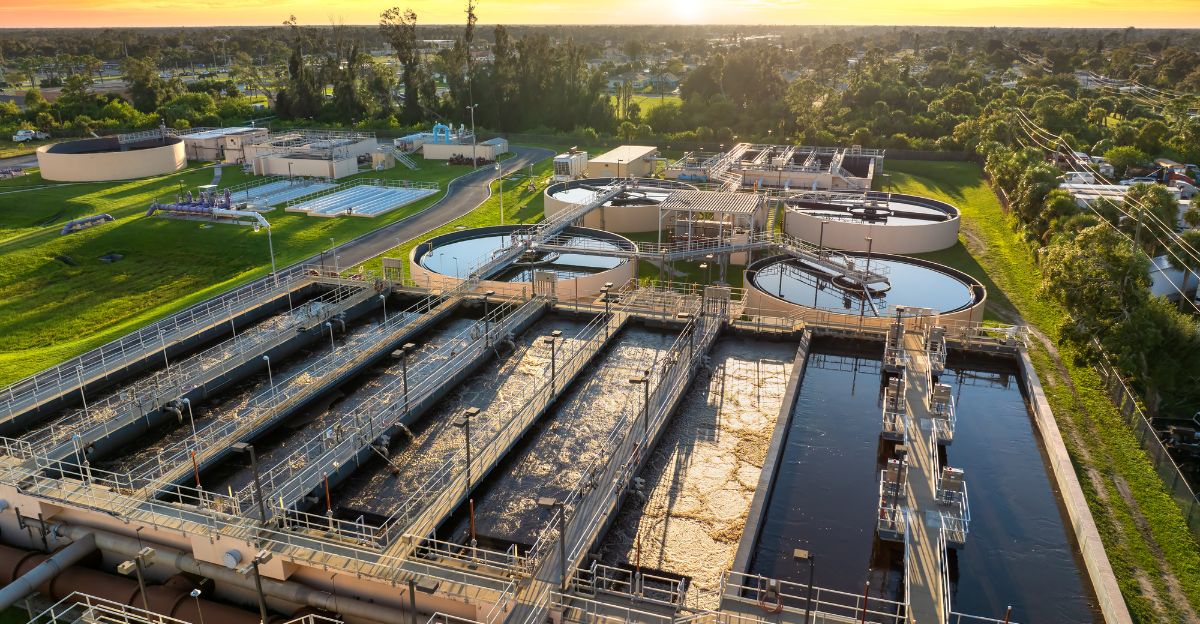
Melting glacier-capped volcanoes disrupt freshwater systems. About 2 billion people depend on glacier meltwater for irrigation, drinking water, and hydropower.
The Himalayas, Andes, and alpine regions supply entire river basins. As glaciers vanish, seasonal meltwater cycles break down. Volcanoes erupt, and ashfall contaminates water reservoirs across vast regions.
Iceland’s 2010 eruption forced water-treatment upgrades across Europe. Multiple destabilized volcanic eruptions could create a sustained freshwater crisis in drought-stressed regions.
Monitoring Infrastructure Races Against Time
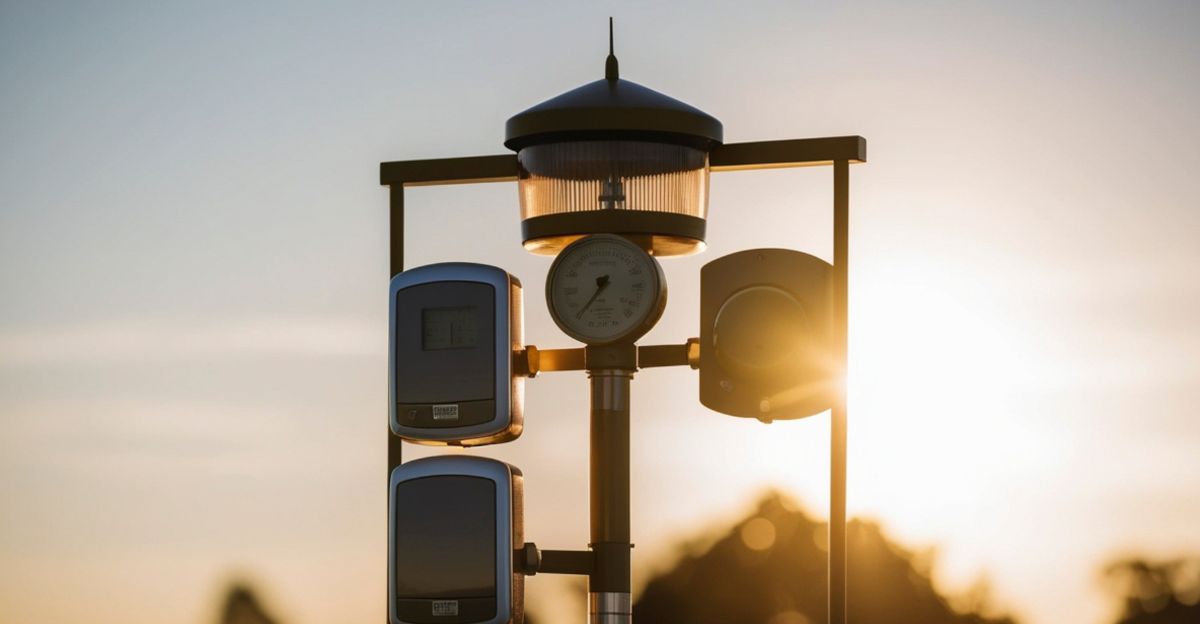
Space agencies and geological surveys deploy rapid-response satellite and GPS networks. They track deformation beneath glacier-capped volcanoes. Iceland’s Meteorological Office, under the guidance of specialists like Michelle Parks, operates Europe’s densest volcano monitoring network.
Satellite radar measures millimeter-scale ground movement. Seismic arrays detect magma migration in real time. Yet funding and capacity lag behind the risk scale.
Many remote volcanoes, such as those in Antarctica, Central Asia, and the Amazon basin, remain poorly monitored. Scientists demand a coordinated global volcanic early-warning system.
Policy Disconnect: Climate Action Meets Volcanic Uncertainty

Governments treat climate mitigation and volcanic risk as separate issues. International climate agreements primarily focus on emissions targets and renewable energy sources. They rarely address the secondary geological impacts of deglaciation.
Volcanologists warn that even if warming stays at 1.5 or 2 degrees, glacier-triggered volcanic activity could surge for decades. Crustal response lags behind climate action.
This policy gap reflects deeper problems: treating climate change as a single linear threat rather than a cascading set of hazards. Integrated climate-glacier-volcano models remain experimental.
The Tipping Point Question: Can We Adapt?
Can human infrastructure adapt to frequent, large-scale volcanic eruptions from climate-driven deglaciation? Aviation, agriculture, water security, and insurance systems are influenced by historical volcanic patterns. Radically shifted patterns demand urgent adaptation.
Some researchers propose geoengineering, such as deploying stratospheric aerosols to counteract volcanic ash or artificially preserving critical ice. Others argue that only aggressive emissions reductions can slow glacier loss and buy time for adaptation.
The next decade will determine whether scientific warnings are translated into policy action or lead to cascading volcanic crises.
Sources:
- CNN Interactive, Glaciers are melting. It may reawaken the world’s most dangerous volcanoes, 30 Dec 2025
- Nature Climate Change, Peak glacier extinction in the mid-twenty-first century, 14 Dec 2025
- EurekAlert, Melting glaciers could trigger more explosive eruptions globally, 6 Jul 2025
- CNN, World heading toward ‘peak glacier extinction’ with up to 4000 disappearing a year, 15 Dec 2025
- New Scientist, The world will soon be losing 3000 glaciers every year, 15 Dec 2025
- Icelandic Meteorological Office, Strong earthquake swarm in Bárðarbunga. Largest earthquake magnitude 5.1, 14 Jan 2025