
The baby boomer generation, shaped by unique childhood experiences, exhibits remarkable resilience. Unlike their contemporary counterparts, boomers grew up in an era where hardship was a teacher, not an obstacle. From facing everyday challenges to experiencing financial scarcity, their formative years instilled a mental toughness that younger generations often find puzzling. This article examines ten key experiences that shaped the resilience of Baby Boomers, highlighting how challenges ultimately became their greatest strengths.
The Value of Hard Work

Boomers matured in a culture where hard work and dedication led to tangible results. They often witnessed their parents’ struggles, reinforcing the idea that success demands effort and persistence. “Seeing my parents work tirelessly taught me the value of hard work,” recalls John, a boomer from Michigan. This ingrained philosophy continues to guide many boomers in their professional and personal lives, shaping their responses to challenges and fostering a strong work ethic.
No Participation Trophies
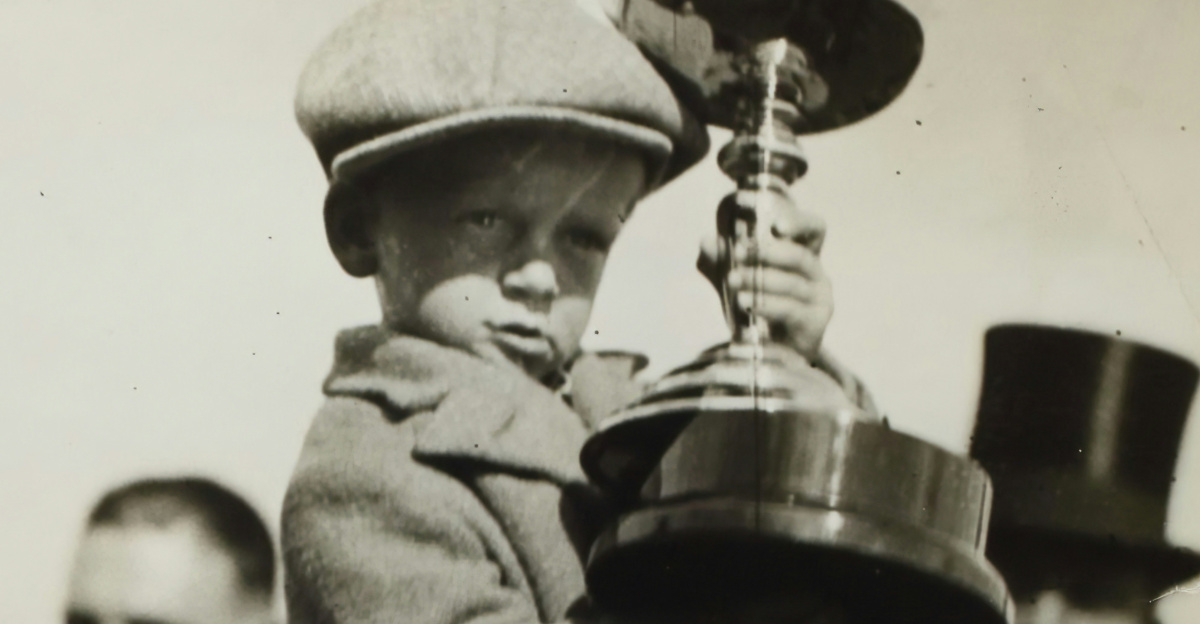
In their youth, boomers learned that trophies were earned, not handed out for mere participation. Competitive spirit defined their childhood, teaching them that recognition requires achievement. Unlike today’s “everyone gets a trophy” culture, boomers developed resilience through regular confrontations with failure and disappointment. This exposure to competition not only built a thick skin toward rejection but also equipped them for a world where only actual accomplishments receive acknowledgement.
Absence of Participation
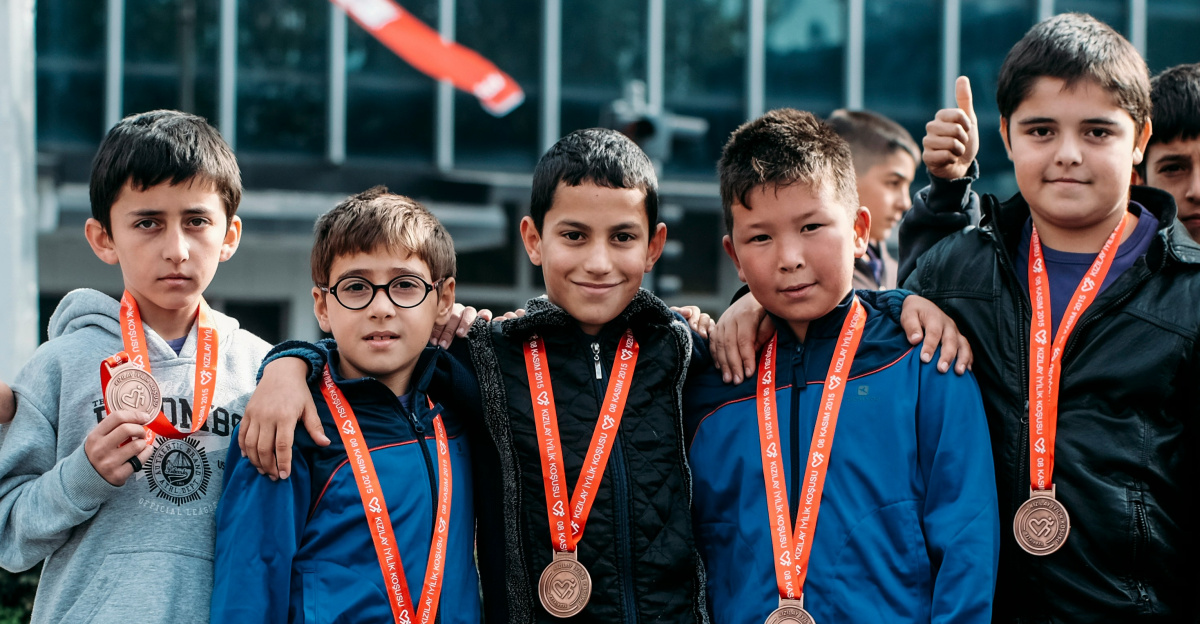
Psychologists assert that the absence of participation trophies led boomers to cultivate intrinsic motivation. With no expectation of rewards for simply showing up, they learned to bounce back from setbacks. “We accepted rejections and failures as part of life,” says Laura, a baby boomer entrepreneur. This mental framework allowed them to face adult adversities, job losses, and financial hardships without crumbling, reflecting a fundamental belief: the world owes you nothing.
Walking to School Alone
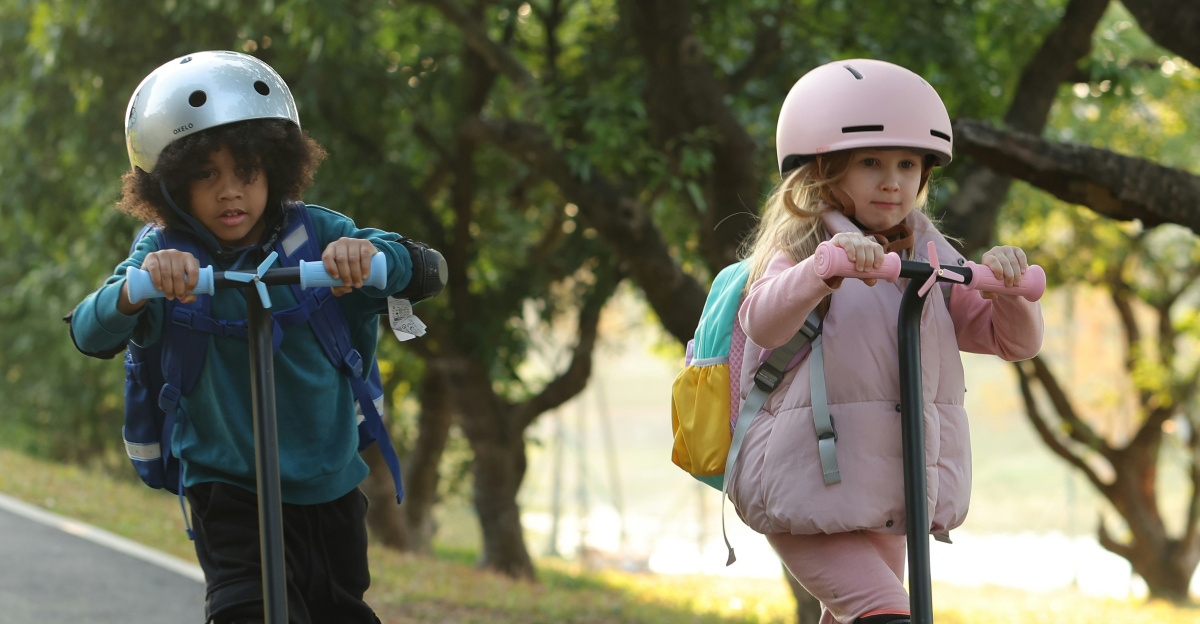
Starting at a young age, boomers walked or biked to school unsupervised, navigating their communities independently. This autonomy, viewed today as risky, was standard practice. Historical research shows that this independence fostered early problem-solving skills and resilience. “I remember walking six blocks alone—part of growing up in those times,” shares Mark, a Detroit native. Such experiences taught boomers to assess risks and handle unexpected situations early in life.
Early Independence

Early independent mobility significantly contributed to boomers’ self-reliance. Children who learned to navigate challenges alone became comfortable with uncertainty. Developmental psychologists link independent childhood experiences with higher self-efficacy and lower anxiety levels in adulthood. “I’ve always trusted my instincts because I had to learn to rely on myself as a kid,” reflects Susan, a retired teacher. This foundation of independence empowered boomers to tackle life’s challenges head-on.
Creating Your Own Fun
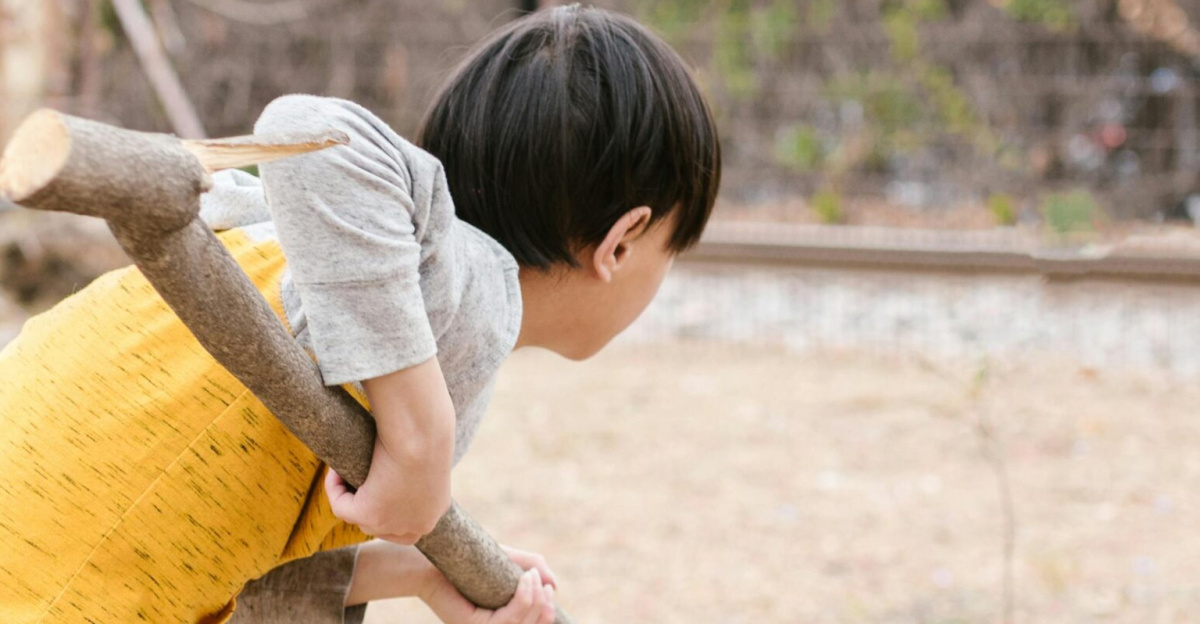
With no smartphones or organized activities, boomers’ childhoods were marked by unstructured play. Faced with boredom, they were encouraged to innovate, often spending hours outdoors creating games from everyday objects. Historical play studies reveal that children engaged in exploratory play developed resilience and creativity. “We could turn a pile of leaves into a fort for the whole afternoon,” recalls Greg, reminiscing about summers filled with self-directed fun.
Self-Directed Play
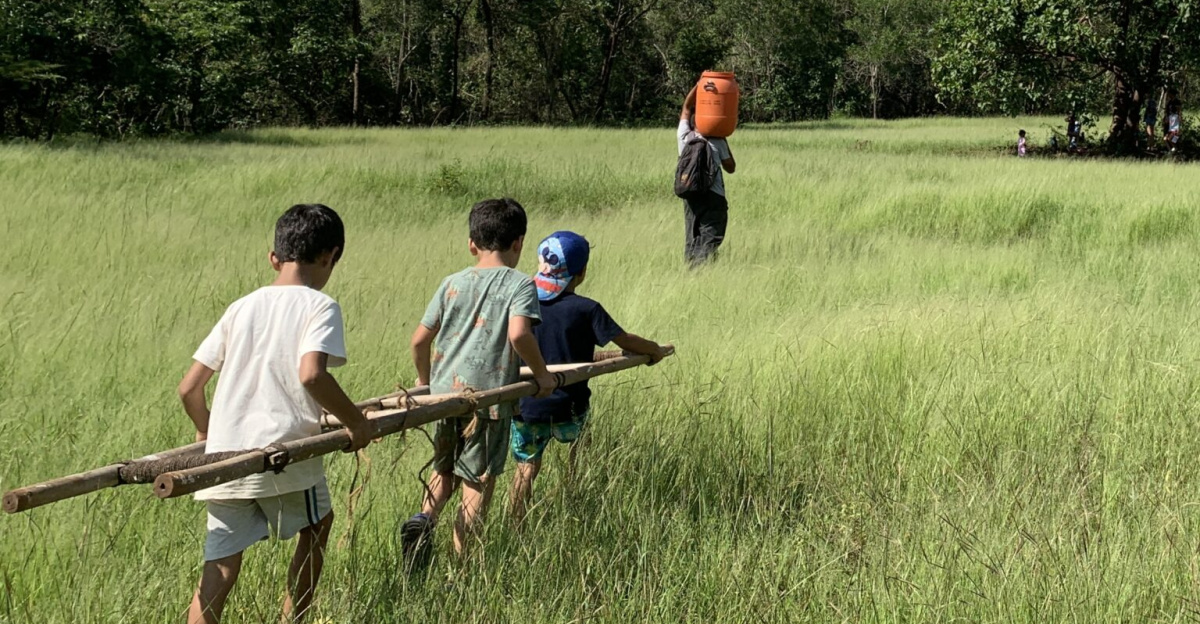
This self-directed play nurtured impressive creativity and problem-solving skills. When happiness depended on their initiative rather than external validation, boomers learned to find joy within themselves. Research supports that unstructured play enhances executive function and emotional regulation in children. “Our parents let us explore, and through that, we learned to be resourceful,” states Maria, a boomer reflecting on her formative years. The ability to create fun became crucial for their resilience.
Navigating Financial Scarcity
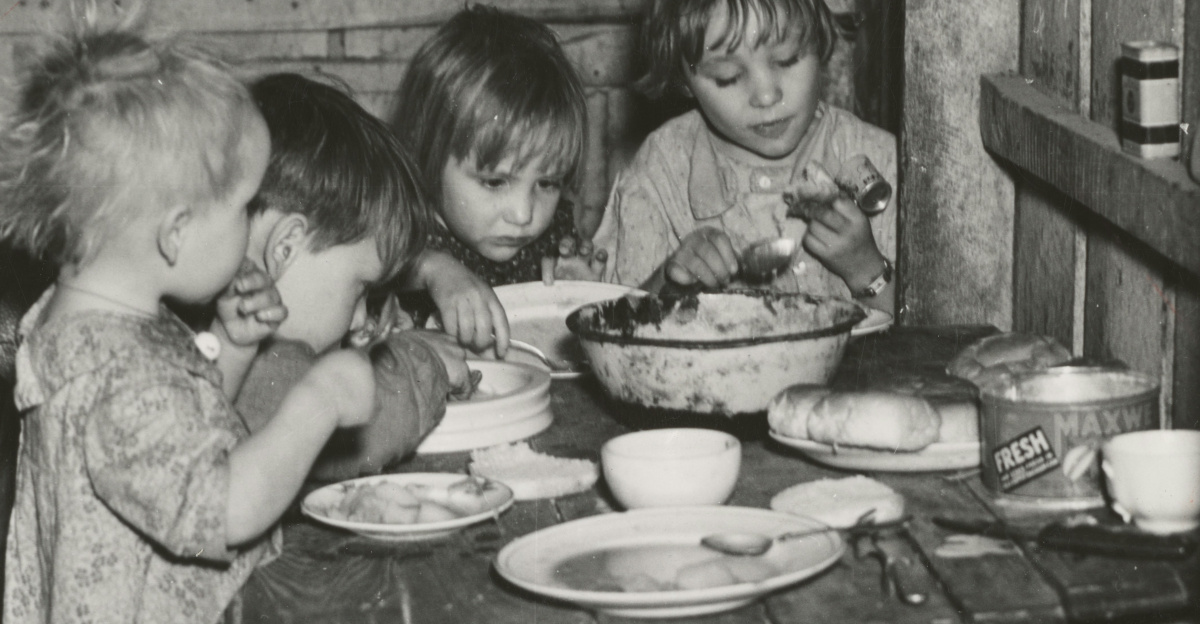
Financial constraints were a familiar backdrop for many boomers. Post-war economic conditions often meant that households faced scarcity, providing children with early exposure to budgeting and resourcefulness. This financial reality shaped their adult attitudes towards money, fostering a sense of financial resilience. “We learned the importance of saving at an early age, something that has stuck with me,” says Brian, illustrating how economic challenges turned into life lessons for his generation.
Facing Mortality Early
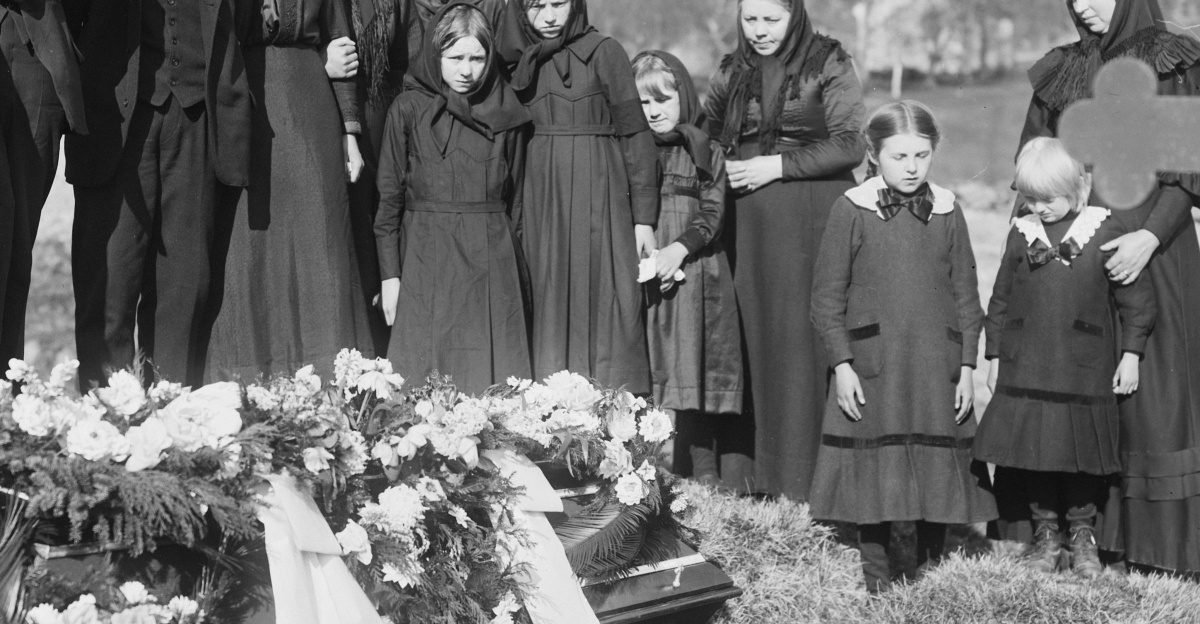
Boomers frequently encountered death and loss during their formative years, whether from family or community events. Participating in funerals and grieving informed their understanding of mortality, cultivating coping strategies that influenced their adult lives. Research suggests that childhood experiences of loss can enhance an individual’s coping capacity. “Understanding loss early taught me to cherish relationships,” shares Emily, emphasizing how these experiences deepened her emotional resilience.
Exposure to Discipline and Accountability

Boomers grew up during a time when accountability and discipline were integral to education and parenting. These experiences, sometimes involving corporal punishment, reinforced a strong sense of responsibility. Historical accounts suggest that such discipline was designed to prepare children for the realities of adult life. “We were held accountable for our actions, which made me more responsible,” notes Tom, echoing a sentiment shared by many from his generation.
Emphasizing Self-Reliance

The parenting styles of the boomer era often involved withdrawing emotional support as a teaching strategy. This led to the development of an internal locus of control among many boomers. Psychological research highlights that self-reliance beliefs enhance emotional resilience over time. “I learned early on that I could depend on myself to get through tough times,” reflects Linda, demonstrating how this approach influenced her outlook on life.
Building Resourcefulness Through Labor
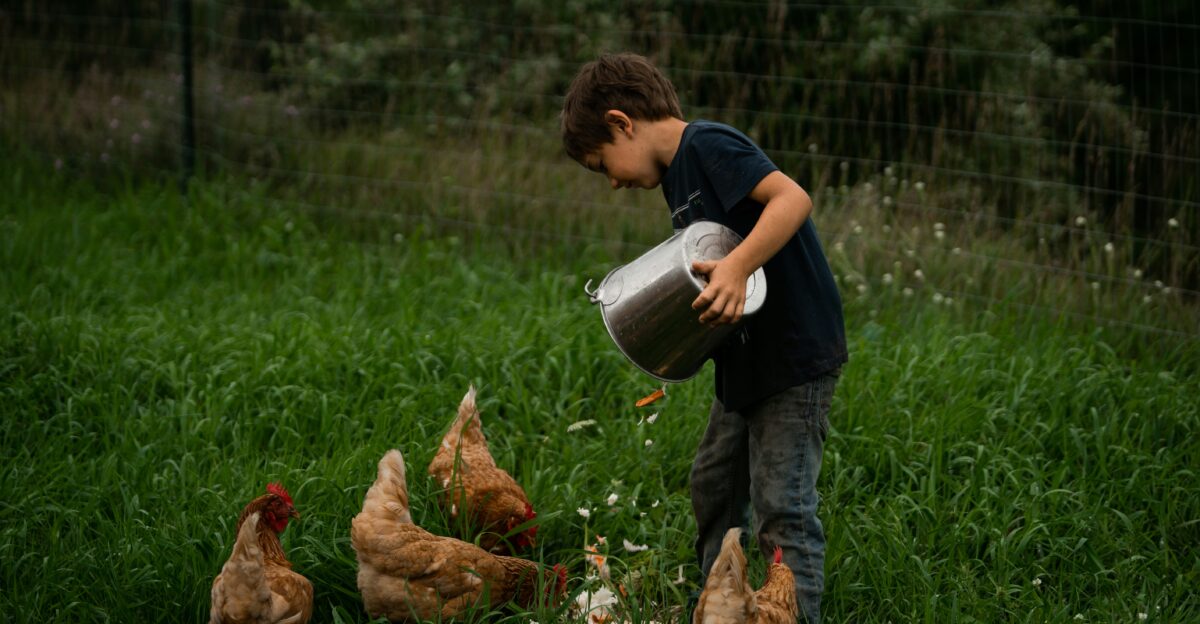
As children, many boomers contributed to household chores and responsibilities. Whether on family farms or in urban settings, these experiences fostered a sense of purpose and self-worth. “Helping out on the farm taught me the value of hard work and perseverance,” states Charles, illustrating how early contributions shaped their understanding of commitment and resilience in adulthood.
The Legacy of Resilience
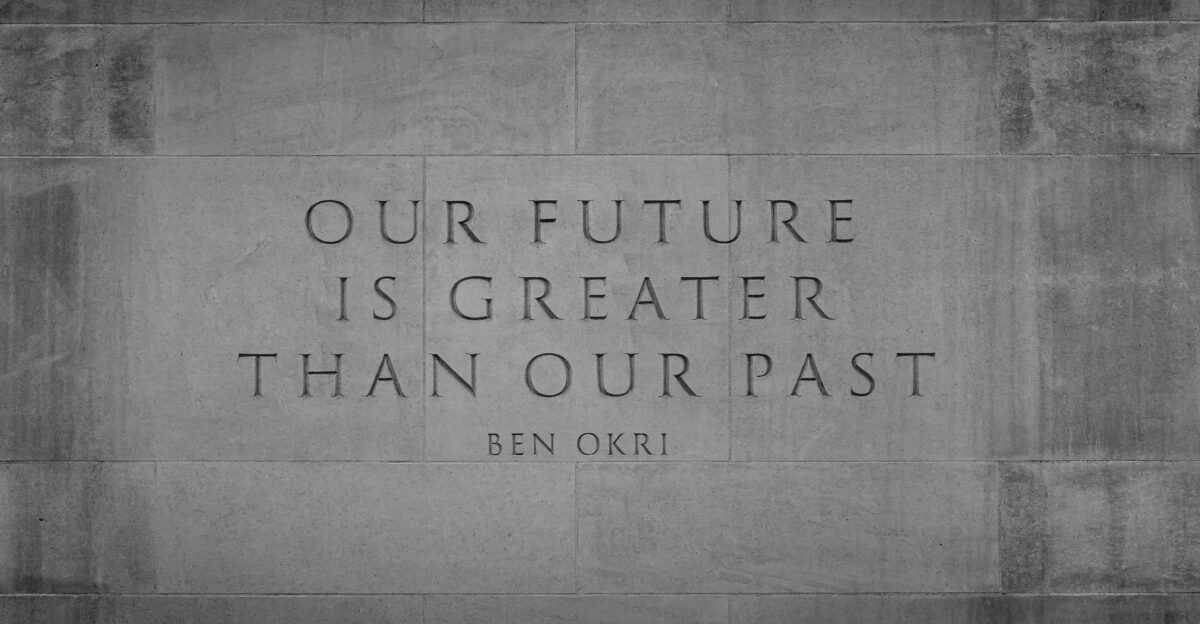
These formative experiences collectively forged a generation known for its resilience. From facing hardship to cultivating self-reliance, the lessons learned in childhood continue to shape boomers’ responses to life challenges today. Their upbringing provided them with critical tools for navigating adversity, making them uniquely equipped to handle the complexities of modern life. As one boomer puts it, “We were shaped by tougher times, but that made us stronger.”
Call to Action

Reflecting on the resilience of the boomer generation invites a deeper appreciation of their life skills and insights. Understanding these experiences can guide younger generations in facing their own challenges. How can we foster resilience in today’s youth? By drawing lessons from history and promoting independence, creativity, and responsibility, we can equip future generations with the tools to navigate their own adversities.
Sources
Wikipedia – Participation Trophy
Let Grow – When Did We Stop Letting Kids Walk to School On Their Own?
Supreme Court of the United States – Ingraham v. Wright (1977)
Britannica – Ingraham v. Wright
University of Maryland Law Review – Corporal Punishment in Schools Passes Constitutional Tests
PMCNBI (US National Library of Medicine) – Effects of Positive and Negative Childhood Experience