
Today, the differences between generations are clearer than ever. Baby Boomers (born 1946-1964) learned unspoken social rules about communication and money.
These weren’t formal laws, but rather invisible guidelines thateveryone followed. Now, Millennials and Gen Z reject many of these ideas because the world has undergone significant changes. Technology, economics, and values shifted dramatically.
Understanding these differences isn’t about who’s right or wrong. It’s about seeing how change reshapes what we consider normal and necessary for our lives.
1. The Sacred Phone Call

Baby Boomers viewed phone calls as the most effective way to communicate meaningfully. Calling someone showed respect and importance. You gave them your full attention in real time.
Baby Boomers learned to answer calls quickly, speak clearly, and use proper phone etiquette. Making a phone call meant something. People considered it superior to written messages.
This expectation applied to business, social invites, and casual check-ins with friends and family.
The Anxiety of Spontaneous Ringing
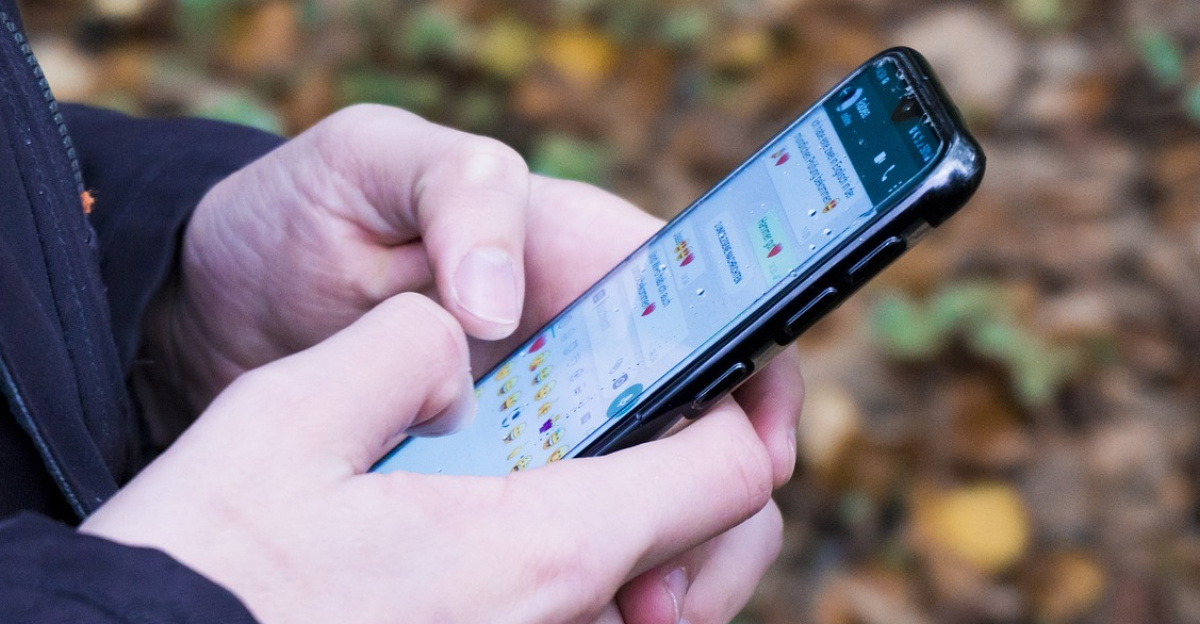
Young people today dread phone calls. Studies show 50% of Gen Z and Millennials feel uncomfortable making work calls, with only 16% finding them useful. It’s not laziness—communication changed.
Text and email let people think before responding and create records. Over half of young people believe unexpected calls bring bad news. Boomers view calling as thoughtful, while younger generations perceive it as a source of stress.
Young people prefer texts, emojis, and instant messages. Ringing phones trigger real anxiety in Gen Z, who’d rather respond to messages on their own schedule.
2. Unwavering Brand Loyalty

Baby Boomers grew up valuing brand loyalty like a virtue. They stuck with trusted brands for decades, opting for quality over experimentation. Approximately 21% of Baby Boomers remain loyal to familiar brands, compared to 14% of the overall population.
Boomers are much less willing to try new brands. This loyalty stemmed from post-war economic growth, where consistency was crucial.
For Boomers, finding a working brand meant finding something valuable to keep—car makers, grocery stores, clothing labels. Their parents taught them: if something works, don’t change it.
The Freedom to Switch
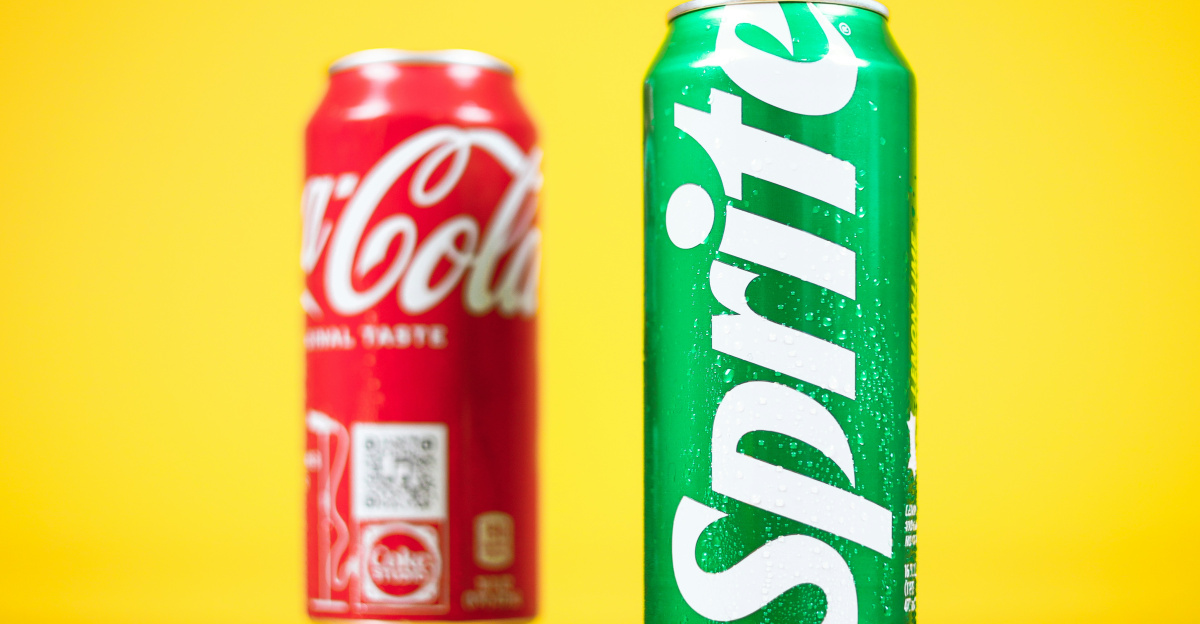
Younger generations do the opposite. Only 8% of Gen Z stick with brands they know, while 66% of Millennials are willing to switch for better value. This isn’t carelessness—it’s adapting to markets full of choices and information.
Millennials and Gen Z research online, compare prices instantly, and value honesty and real values over brand history. They care less about a brand’s past and more about whether it matches their beliefs about ethics and sustainability.
Lifelong brand loyalty may seem outdated when better options are available everywhere. Young consumers don’t reward companies that cut jobs while claiming loyalty deserves continued support.
3. Hustle Culture as Identity

Baby Boomers built lives around a strong work ethic that often became an obsession. Work wasn’t just what you did—it defined who you were. Baby Boomers saw work as central to their identity, valuing long hours and personal sacrifice as proof of dedication.
They worked hard, then worked harder. Staying late, working weekends, and being always available demonstrated commitment. For this generation, hard work meant achieving the American Dream—a job, a house, and retirement.
Your job title was part of how you introduced yourself to people.
The Great Burnout Rebellion

Gen Z and Millennials reject this way of thinking entirely. They refuse to let work consume their lives or determine their worth. Only 36% of Gen Z feel “very engaged” at work, 13 points below others, and 91% faced mental health issues or burnout. Younger workers watched parents exhaust themselves for little reward.
They saw loyalty punished with job cuts. Instead of accepting this, they champion work-life balance and mental health days. They say, “Work to live, not live to work.”
They measure success by results and meaning, not hours worked. Boomers call this laziness; really, it’s refusing to sacrifice health for replaceable jobs.
4. The Gender Role Rulebook

Boomer culture deeply embedded traditional gender roles. Men were breadwinners, independent, emotionally controlled, and traditionally masculine. Strength and dominance were prized. Women’s empowerment was just beginning during the Boomers’ childhood. The idea that “men work, women stay home” still held strong power. Boomer men felt proud of traditional masculine traits, seeing them as essential to manhood. Going against these strict rules meant social disapproval. The rules were simple: men worked, women managed homes. Anyone who tried differently faced serious judgment.
Breaking the Binary

Young generations tore down these walls almost completely. Millennial and Gen Z men support equal roles in family, careers, and relationships. More stay-at-home fathers are emerging as women become the main earners, making this a more common arrangement.
Millennials find traditional masculinity less attractive than Boomers do. Young men express emotions freely and embrace interests society once called “feminine.” They reject pressure to show dominance. Gender fluidity and expressing yourself beyond traditional male-female categories are now considered normal, not shocking.
Where Boomers saw rigid categories, younger people see choices where anyone can define themselves. Men taking parental leave and women leading companies no longer raise concerns.
5. The Stiff Upper Lip

Boomer culture essentially banned emotional openness. You didn’t share problems, complain, or publicly struggle. Emotional control was seen as a strength; discussing difficulties was perceived as weak or attention-seeking.
This went beyond mental health. Boomers hid family problems, work struggles, and personal challenges.
The approach was simple: solve problems privately and present a happy face to the world. If you struggled, you handled it quietly, perhaps telling your spouse, but never your colleagues or acquaintances.
Authenticity Over Performance

Today’s younger generations value honesty and openness deeply. They openly discuss anxiety, depression, relationship trouble, and career doubts on social media and in daily conversations. Boomers view this as oversharing; Millennials and Gen Z see it as removing harmful shame and fostering genuine connections.
They watched what happened when people hid emotions—it caused damage. Being open isn’t a weakness; it’s a sign of courage and truth. Younger workers expect employers to view them as complete individuals with personal lives and challenges.
They won’t pretend everything balances perfectly at work. Bosses who admit to struggling seem more genuine and trustworthy than those who pretend nothing’s hard.
6. Formality as Respect

Baby Boomers saw proper manners as absolutely required. Rules governed everything: table settings, which fork to use, writing thank-you notes, greeting styles, door etiquette, using formal titles with elders, and dress codes.
These weren’t suggestions—they marked a polite, respectful person. Using correct grammar and punctuation in writing was essential. Casual clothes meant specific events only. Being late or not responding to invitations properly was offensive.
These rules created a clear social order where everyone knew their role and correct behavior for each situation. The following manners showed respect, especially to elders and authority.
Redefining Respect Through Authenticity

Young generations replaced formal manners with honesty and straightforwardness. A quick text saying “thanks!” matters as much as handwritten thank-you notes to Millennials and Gen Z. They view strict dress codes as pointless when comfortable clothes are sufficient. Young people may find correct punctuation in texts overly formal or even hostile.
They created their own digital language using emojis, abbreviations, and an informal tone to convey feelings and meaning. Gen Z giving RSVPs at the last minute may indicate busy schedules and a desire for flexibility, rather than disrespect. Where Boomers see declining manners, younger people see efficient, real interaction, valuing genuine connection over fake politeness.
They question whether holding doors for women only is actually kind or secretly biased, whether formal titles build unnecessary power differences, and whether respect should come automatically with age or must be earned through actions. For younger people, being your real self shows more respect than following old-fashioned rules.
7. Saving Over Experiencing

Baby Boomers famously spent their money carefully, choosing to save over spend. They sought financial security, wealth through steady jobs and home ownership, and bought carefully to get the most for every dollar spent.
This generation used loyalty reward programs, opted for store brands over expensive ones, and watched their spending even with extra money. The goal was to save for retirement, home equity, and emergency funds. Spontaneous purchases were wrong, and spending money on experiences instead of building assets seemed foolish.
A Boomer buying a sofa expects to keep it for 20 years. Throwing it out and buying new furniture would have seemed crazy.
Investing in Memories Over Material Goods

Millennials and Gen Z have shifted the focus, valuing experiences over possessions. Millennials spend heavily on food delivery, dining out, entertainment, travel, and social gatherings. They book surprise trips, spend on concerts, and invest in memory-making activities over objects.
This isn’t about poor money choices—it’s about responding to economic reality, where traditional wealth building feels impossible. When buying a house requires decades of saving and steady jobs seem rare, spending on experiences that bring joy makes sense. Younger generations watched parents save only to lose retirement funds in crashes.
They decided that experiences guarantee happiness and memories, even if bank accounts remain small. They’d rather travel widely and live fully than own a house with furniture they never loved.
8. Community Ties and Neighborhood Involvement
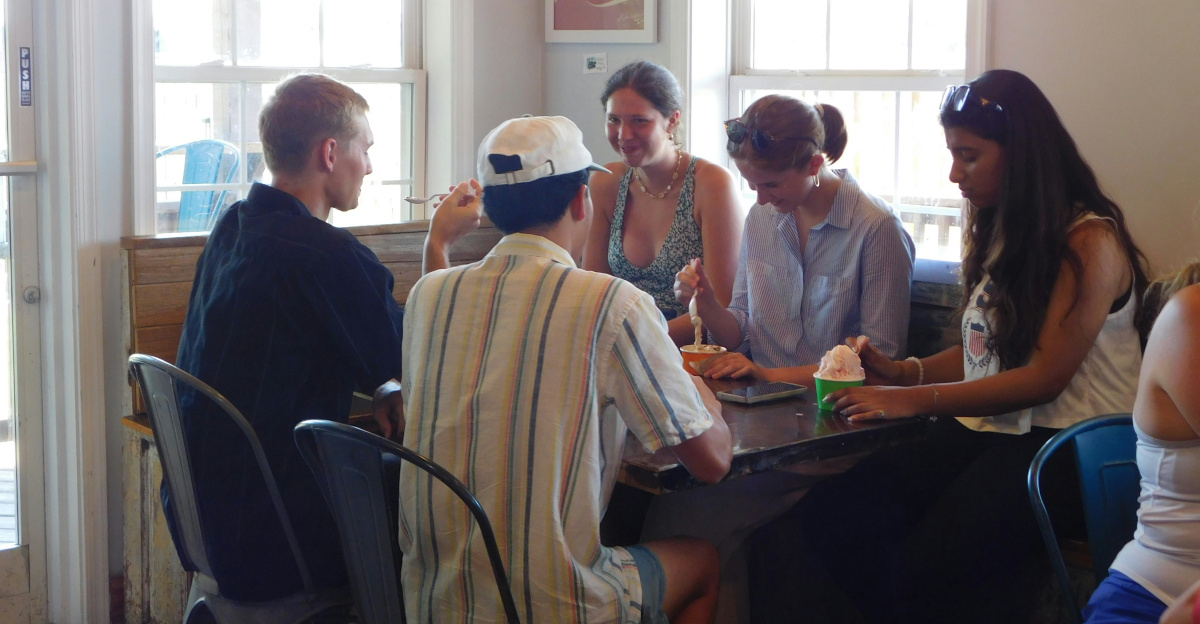
Baby Boomers grew up in a time when neighborhood and community were central to social life. They knew their neighbors, joined local groups, attended community meetings, and felt a sense of connection to where they lived. Contributing to your community was expected.
You maintained friendships with people in the neighborhood and became an integral part of its identity. This created strong connections across generations and fostered a shared responsibility for the space.
Community participation wasn’t optional—it was how society worked. You knew every family’s name on your street, attended town meetings, joined neighborhood groups, and watched out for each other’s safety.
Connection in the Digital Age

Younger generations moved away from traditional community structures, though not always by choice. Millennials and Gen Z frequently relocate for jobs, school, or new opportunities. Financial struggles mean many can’t afford homes in the neighborhoods they want.
They build online communities more than physical ones, connecting with people who share similar interests and values, regardless of distance. Staying in one place matters less when jobs require flexibility and online connections offer genuine support and a sense of belonging. Boomers view this as isolation or selfishness; in reality, young people adapt to a world where local ties are harder to maintain, and digital networks are just as effective.
A Gen Z person might know their online creative or activist community better than their next-door neighbors. That community may provide them with more genuine support and meaning.
Understanding the Broader Context

These differences aren’t about right versus wrong—they’re about adapting to very different situations. Baby Boomers built their values during a period of unusual economic growth, social stability, and clear life paths. Their rules made sense for that time.
However, Millennials and Gen Z grew up during economic crises, witnessed systems collapse, and inherited a world that needed different solutions. The real conflict is strategies built for different worlds clashing. Complaints about young generations aren’t new.
Every generation blamed the next for being lazy, selfish, or disrespectful. This repeats throughout history, not just in today’s era. What changed is how fast everything shifts now. The gap between generations feels wider than before.
The Evolution of Values Across Time
Young generations don’t reject respect, loyalty, hard work, or community itself. They reject how these looked in an old era. Gen Z stays loyal, just not to companies that harm workers or damage the environment. Millennials work hard but refuse to let their job title define their value or force constant availability.
Young people still join communities, but based on shared beliefs and interests, rather than location. They maintain neighbor friendships and also keep in touch with friends nationwide through video calls and group messages. The rejection isn’t throwing out everything old. It’s updating rules for the current reality.
Technology, values, economics, and communication have undergone significant transformations in just one generation. Both old and young generations need curiosity instead of judgment, knowing each generation responds sensibly to its situation.
Moving Forward Together

Young generations rejecting old rules isn’t mere rebellion—it’s a sign of change. Gen Z will make up 30% of workers by 2030, and Millennials now lead companies. These “new” values become normal fast. The real challenge isn’t forcing young people into old ways or telling older generations everything they believed was wrong.
It’s building understanding where different views coexist. Businesses that combine Boomer dependability with Gen Z flexibility, utilizing both traditional and digital communication, and value both experience and new ideas, will succeed. Rules change because the world changed first.
Rather than missing the past, we benefit from recognizing what each generation offers. Success means different generations learning from each other, respecting diverse situations, and building something stronger together than any single generation could achieve alone.
Sources:
Fortune, “Gen Z is rejecting Boomer work rules in 5 key ways that will…”, February 13, 2025
BBC News, “Why Gen Z & Millennials are hung up on answering the…”, August 25, 2024
Robert Walters, “How phone anxiety divides Gen Z, millennials and boomers”, August 27, 2024
VegOut Magazine, “8 things boomers think are polite that younger generations secretly find passive aggressive…”, December 15, 2025
Stacker, “Anti-hustle culture 2026: Gen Z’s rebellion against burnout”, December 11, 2025
Forbes, “How The Boomers Differ From Everybody In Their Approach to Online Privacy”, April 17, 2016