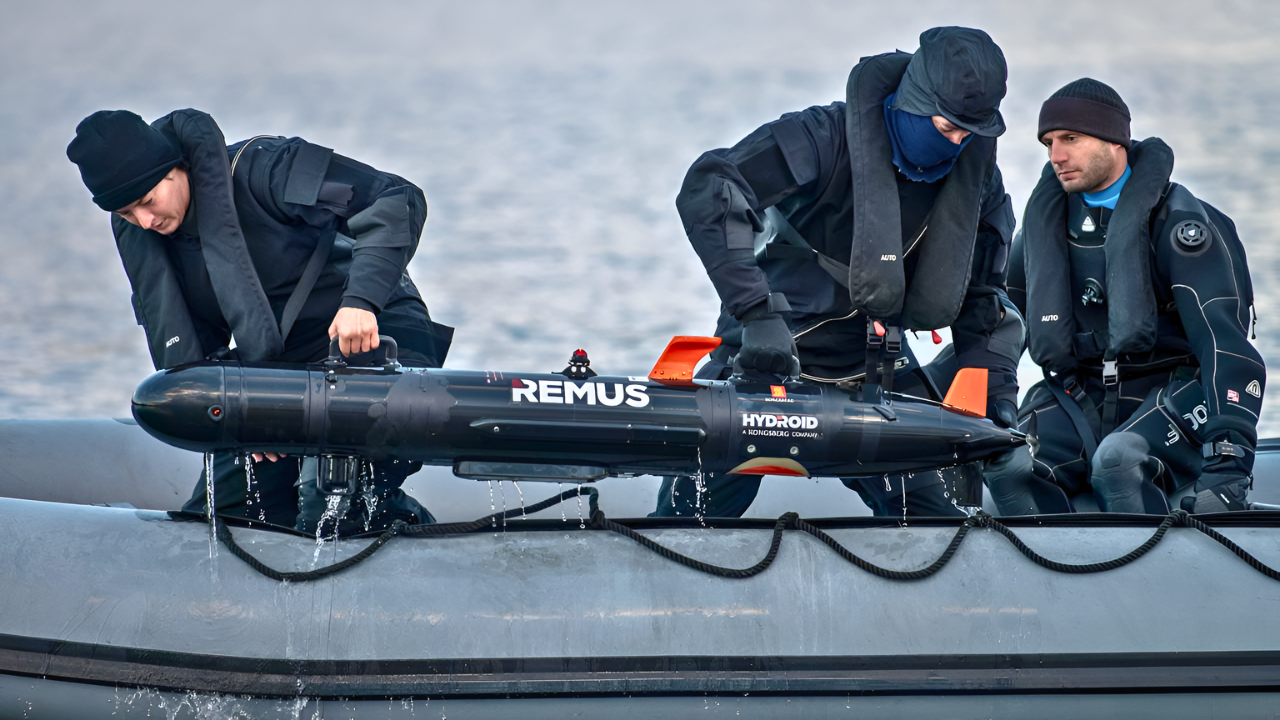
At the very bottom of the ocean, where pressure crushes metal and sunlight never reaches, a short, grainy video has sparked a large debate. Shared widely on social platforms, the clip claims to show a deep-sea drone detecting a moving, snake-like shape nearly 11 kilometers below the surface, close to the deepest known point on Earth. With no mission data, technical logs, or scientific institution behind it, the footage sits at the intersection of curiosity, speculation, and what is currently known about life in the hadal zone.
Hadal Life And Its Limits

The deepest ocean layers below 6,000 meters, known as the hadal zone, are among the most hostile environments on the planet. Pressures can exceed 16,000 psi, yet researchers have documented amphipods, sea cucumbers, worm species, microbial mats, and a few hardy fish adapted to these extremes. Their survival relies on specialized molecules such as trimethylamine N-oxide (TMAO) to stabilize proteins, as well as flexible, low-mineral skeletons that can withstand crushing force.
Even in this realm, complexity falls with depth. The deepest confirmed fish, a snailfish species, is found around 8,300 meters, well above the nearly 11,000-meter depth claimed in the video. Below that, evidence points to smaller, simpler organisms rather than large, fast-moving animals. Known trench communities are shaped by limited energy sources, patchy food falls, and intense pressure, all of which constrain body size and mobility. Any suggestion of a sizable creature at full ocean depth would demand strong proof: biological samples, high-quality imagery, and independent verification.
Engineering At The Bottom Of The Sea
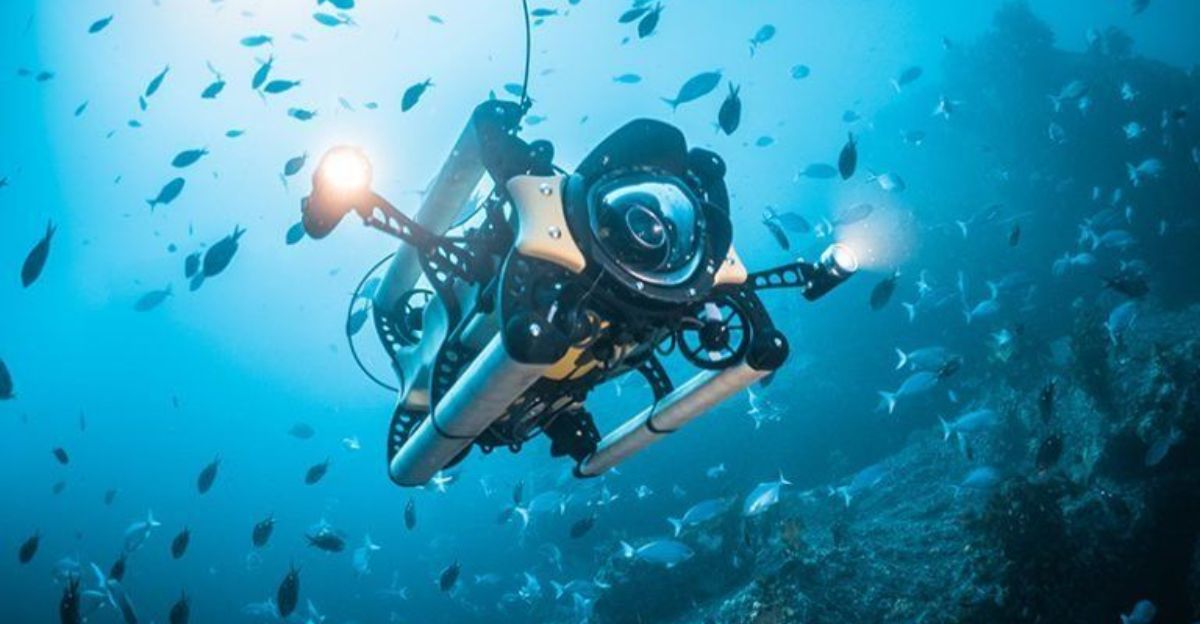
In recent years, autonomous underwater vehicles (AUVs) have pushed deeper into the trenches, supported by titanium pressure housings, compact electronics, and designs inspired by miniature space satellites. These machines typically carry sonar, cameras, and instruments to measure temperature, chemistry, and currents while operating in darkness and immense pressure. Some national programs, including those in China, the United States, and Japan, now field specialized vehicles capable of reaching hadal depths multiple times.
Despite these advances, no documented scientific mission has released sensor data or video clearly showing unidentified movement at the very deepest points. When unusual observations do occur, investigators normally look for agreement across different instruments and dives. If a camera records an odd shape, for example, researchers compare it with sonar, pressure logs, and environmental readings to rule out sediment clouds, reflections, or equipment interference. The anonymous viral clip offers none of this context, leaving specialists unable to test whether the apparent motion comes from currents, image compression, or a living organism.
A History Of Exploration And Anomalies
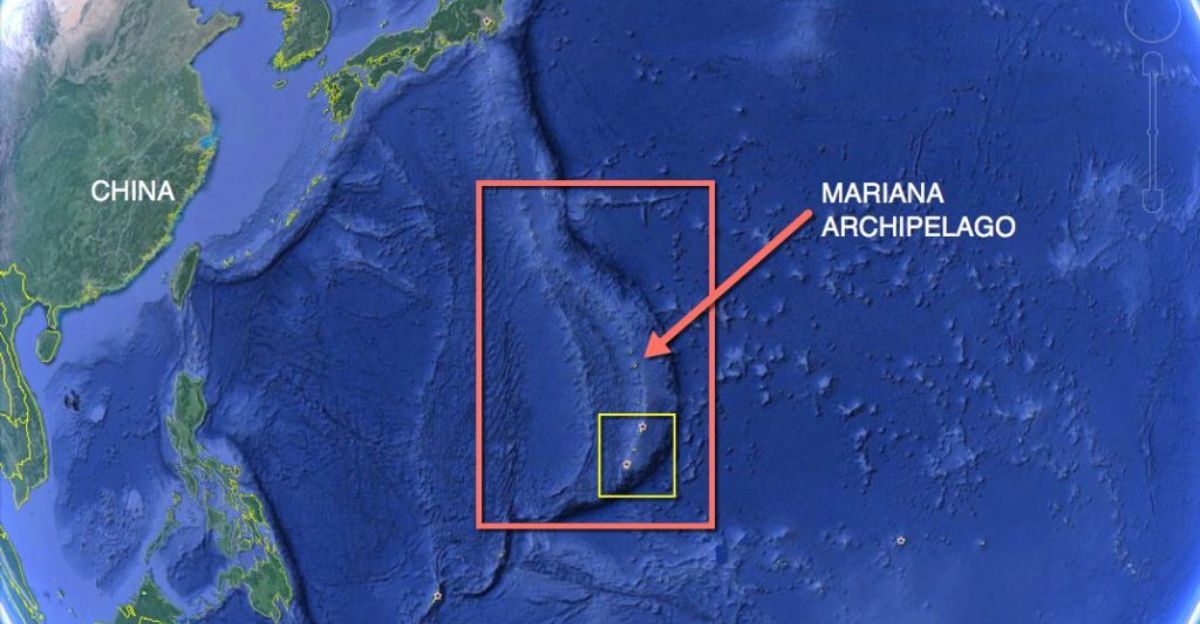
The deep trenches have been a focus of scientific effort for more than a century. The Mariana Trench was first measured in the 1870s, and human explorers reached its lowest point, Challenger Deep, in 1960 aboard the bathyscaphe Trieste. Later missions, including Deepsea Challenger and the submersible Limiting Factor, have returned repeatedly with improved cameras and sampling tools. Their records show microbial and invertebrate life even at extreme depths, but no large, unknown animals.
Contrary to a popular myth, researchers did not once assume the deep sea was entirely lifeless. By the mid-20th century, expeditions had already recovered amphipods, sea cucumbers, and other fauna from well below the sunlit zone. Ongoing surveys of trenches in the Mariana, Tonga, Kermadec, and Japan regions have revealed hundreds of hadal species, many of them found nowhere else. These studies indicate that most activity near the seabed arises from sediment movement, small scavengers, and microbial processes, not from sizable predators or complex megafauna.
Scientific Caution And Energy Constraints
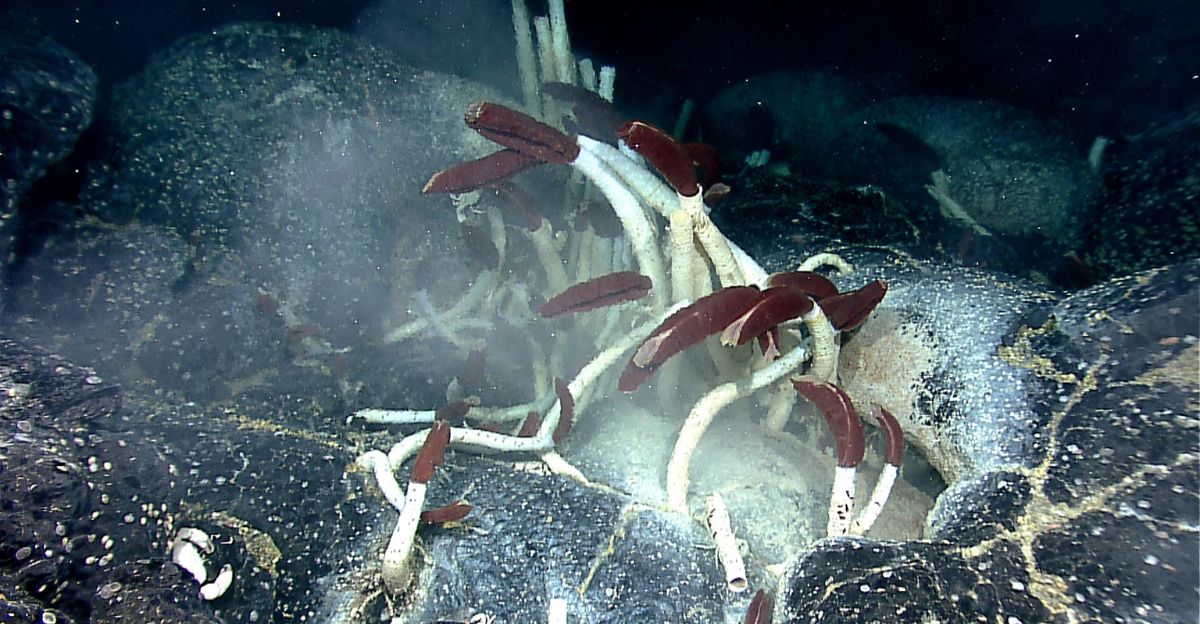
Life at hadal depths depends on chemical energy rather than sunlight. Microorganisms use compounds such as methane and hydrogen sulfide released by tectonic and hydrothermal processes, forming the base of local food webs. Small invertebrates may feed directly on these microbes or live in symbiosis with them. While these systems can support diverse microscopic and small macroscopic life, they do not appear to provide enough energy to sustain large, active animals over time.
Extreme pressure adds another barrier. At nearly 11 kilometers down, gases compress, enzymes change shape, and mineralized skeletons face structural limits. Known deep-sea gigantism, seen in some amphipods that grow larger than their shallow-water relatives, still produces animals only a few inches long. No confirmed species at full ocean depth exhibits the kind of serpentine, self-directed movement claimed in the video. From a physiological and energetic perspective, the burden of proof for such a discovery is high, and ambiguous imagery without corroborating data falls short of that threshold.
Future Discoveries And Public Fascination
The unverified footage has nonetheless drawn attention back to the least explored parts of the planet. Oceanographers continue to expand trench mapping programs, deploy more capable AUV fleets, and coordinate international projects that share samples and sensor records. As technology improves, future missions may uncover new species or unexpected behaviors in places that remain poorly studied.
For now, though, the alleged detection at nearly 11 kilometers remains an online curiosity rather than a documented finding. The episode highlights both the power of viral media to spark interest in remote environments and the need for transparent, repeatable evidence before revising scientific limits on where and how complex life can endure in the deep ocean.
Sources
The Mariana Trench Is 36000 Feet Deep, and an Ocean Mystery Full of Life Exists There, Discover Magazine
Geology, environment, and life in the deepest part of the ocean, PMC/NCBI
Tiny Chinese drone conquers Earth’s deepest point beyond reach of US Navy, South China Morning Post
How life thrives in one of the most hostile environments on Earth, New Scientist
Underwater voyage finds sea creatures thriving in the deepest parts of the ocean, CBS News
Hadal zone, Wikipedia