
For the first time, NASA satellites have captured a planetary crisis unfolding in real-time: Earth has grown visibly darker since 2001. The planet now reflects less sunlight back into space than at any point in the past two decades, meaning more solar energy is being absorbed and trapped in our climate system.
While this might sound like a minor shift, scientists are calling it one of the most troubling developments in climate science—a quiet signal that, if sustained, could reshape weather patterns and intensify warming across the Northern Hemisphere.
How NASA Made This Discovery

The groundbreaking research was conducted by a team led by Norman Loeb at NASA’s Langley Research Center in Hampton, Virginia. Using 24 years of satellite data from the Clouds and the Earth’s Radiant Energy System (CERES) project, Loeb and his colleagues analyzed how much sunlight Earth reflects versus how much it absorbs.
The CERES satellites measure the incoming solar radiation against the outgoing longwave radiation—the amount of heat that Earth radiates back into space.
The Hemispheric Imbalance Changes Everything

The most alarming finding wasn’t just that Earth is darkening—it’s that the Northern Hemisphere is darkening significantly faster than the Southern Hemisphere. The Northern Hemisphere now absorbs approximately 0.34 watts more solar energy per square meter every decade.
Although this figure may seem microscopic, climate scientists emphasize its enormous planetary impact when considered across Earth’s entire surface area. This hemispheric imbalance disrupts atmospheric circulation, alters rainfall patterns, and intensifies regional climate extremes.
When Ice and Snow Disappear, Darker Surfaces Take Over

The Arctic serves as the epicenter of this phenomenon. The Northern Hemisphere has experienced pronounced declines in spring snow cover and summer Arctic sea ice—the planet’s most reflective surfaces. When bright, pristine ice and snow melt, they expose dark ocean water and bare land underneath.
Unlike white ice, which bounces sunlight back into space, dark surfaces absorb solar radiation like a black sponge. This creates a vicious feedback loop: warming causes melting, which darkens the surface, darker surfaces absorb more heat, causing further melting.
The Paradox Nobody Predicted: Cleaner Air Makes Earth Hotter
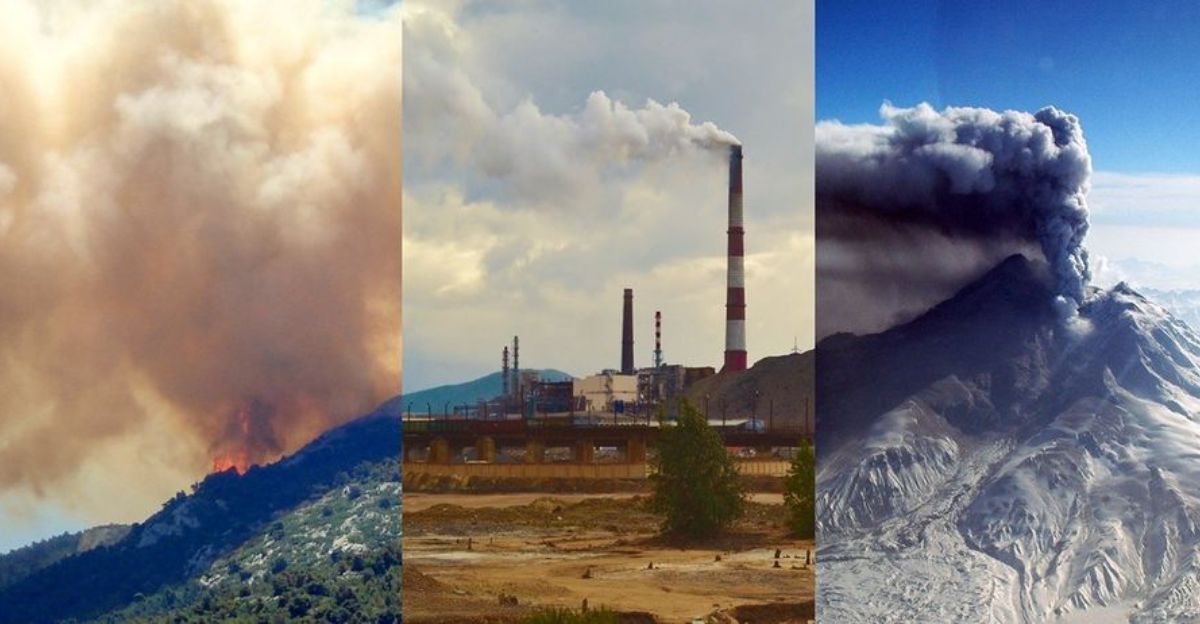
Here’s where the story becomes genuinely alarming. For decades, air pollution has functioned as an unintended planetary sunshade. Sulfate aerosols and other fine particles scatter sunlight, brightening clouds and reflecting solar radiation back into space. But as nations implemented stricter air-quality regulations to protect public health, they inadvertently removed this cooling effect.
While this represents a major health victory—saving millions from respiratory disease—it’s simultaneously unmasking greenhouse gas-driven warming.
East Asia’s Pollution Cleanup Unleashes Hidden Warming

China’s environmental transformation offers the clearest example of this paradox. Since approximately 2013, China has implemented aggressive pollution controls, resulting in a remarkable 75% reduction in sulfur dioxide emissions.
Although these policies saved approximately one million lives annually that would have been lost to air pollution, they also removed aerosols that had been cooling the Earth’s surface. Research published in Communications Earth and Environment found that East Asia’s aerosol cleanup alone contributed approximately 0.07°C to recent global warming.
The Math Reveals the Mask

Climate models had predicted 0.23°C of warming since 2010, but actual measurements showed 0.33°C—nearly one-third more than expected. The extra 0.1°C can be largely attributed to reductions in air pollution, which removes their cooling effect.
The Intergovernmental Panel on Climate Change assessed that in 2021, aerosols cooled Earth’s global surface by approximately 0.4°C. As nations continue to make essential improvements in air quality, this compensatory cooling diminishes, revealing the full extent of greenhouse gas warming.
1.5 Billion People Face a Double Crisis
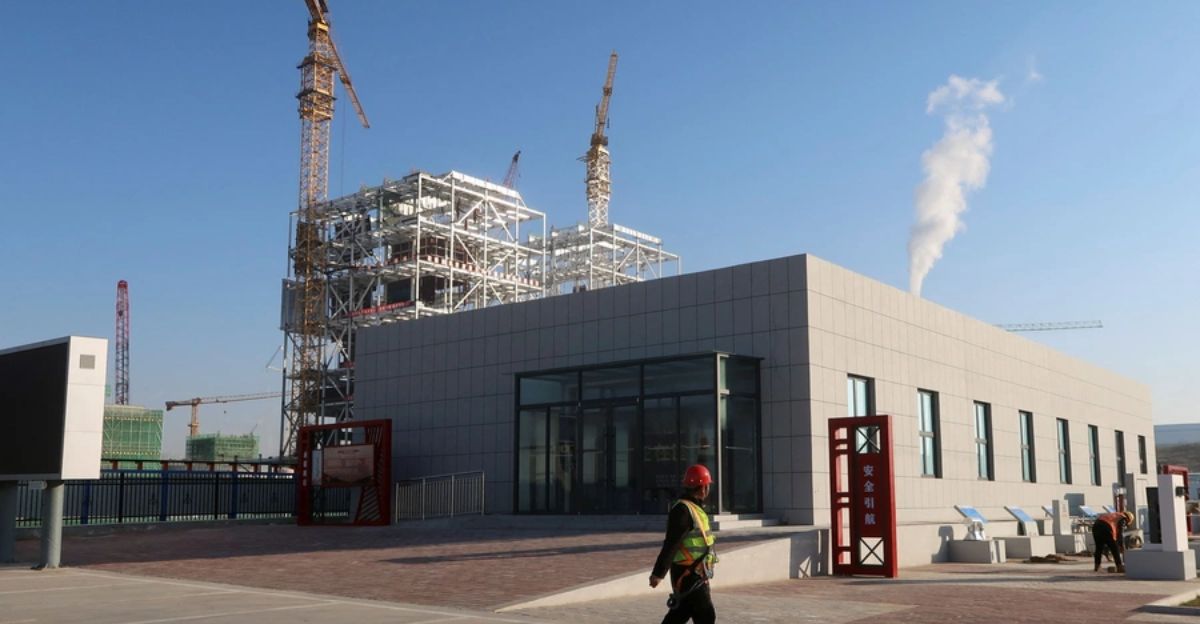
The populations most affected by this paradox reside in South and East Asia, which is home to approximately 1.5 billion people. These residents simultaneously suffer from some of the world’s worst air pollution while experiencing accelerated warming from pollution reduction efforts. India’s situation exemplifies this dual catastrophe.
According to The Lancet Countdown on Health and Climate Change, more than 1.7 million Indians died from PM 2.5 exposure in 2022 alone. Yet despite these devastating health costs, India’s entire population of 1.4 billion people lives in areas where air quality exceeds WHO safety standards.
Vanishing Clouds Add Another Layer of Darkness

One of the most puzzling discoveries to emerge from NASA’s analysis is that low-level cloud cover has declined dramatically in recent years, contributing significantly to Earth’s darkening. A study published in Science found that the decline of reflective low clouds below 3,000 meters accounted for a significant portion of 2023’s record temperature spike.
In the Atlantic, researchers observed a substantial decline in low-altitude clouds over the past decade. Since low clouds only reflect sunlight without trapping warmth like high clouds do, their disappearance directly intensifies warming.
Water Vapor Amplifies the Warming Trap

As the Earth warms, the atmosphere holds more water vapor—approximately 7% additional moisture for every degree Celsius increase. This additional water vapor absorbs heat without reflecting sunlight, creating a powerful positive feedback loop. Scientists estimate this water vapor feedback roughly doubles the warming that would occur from carbon dioxide alone.
The Northern Hemisphere, which is warming faster than the Southern Hemisphere, experiences particularly intense increases in water vapor, further darkening its appearance.
The Cloud Cover Surprise That Shouldn’t Exist

One persistent puzzle remains: scientists expected cloud cover to change in tandem with aerosol reductions, but it largely didn’t. Historical scientific theory suggested clouds would adjust to restore hemispheric symmetry when aerosols declined.
Yet, the data showed that clouds maintained relatively stable coverage while the Earth continued to darken. This anomaly challenges climate scientists’ fundamental understanding of how clouds respond to changes in the atmosphere.
Natural Events Briefly Mask the Northern Crisis
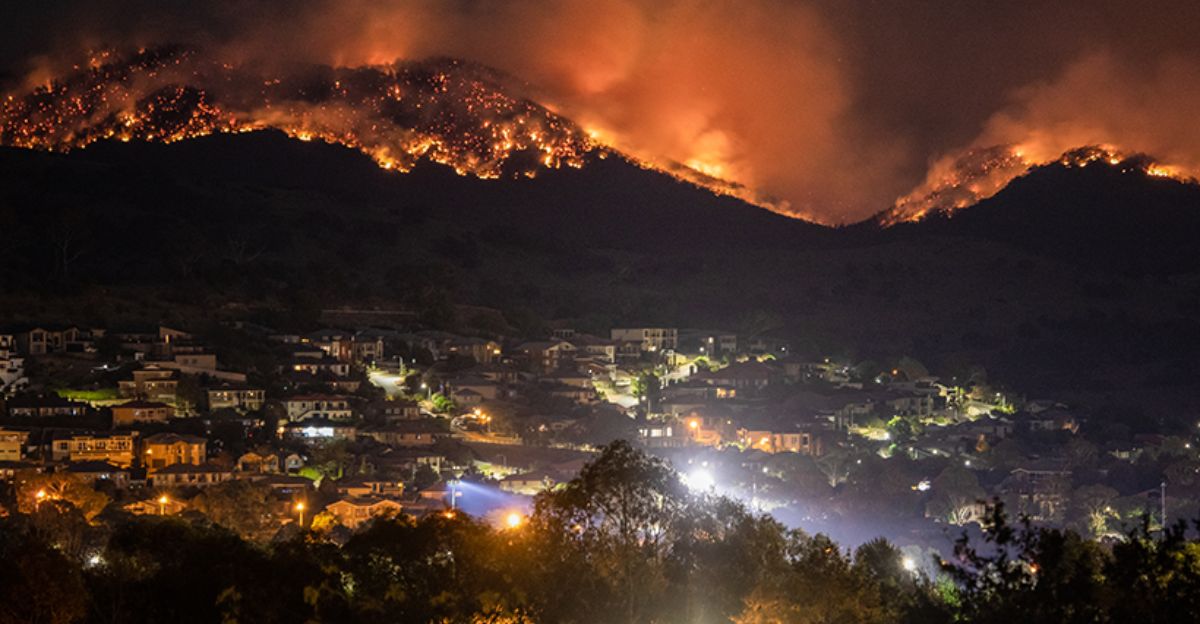
The Southern Hemisphere temporarily received reflectivity boosts from natural events. Australia’s extreme bushfire seasons lofted smoke high into the atmosphere, increasing atmospheric aerosols. The 2022 Hunga Tonga-Hunga Ha’apai eruption injected particles that affected upper-air reflectivity.
These intense pulses temporarily restored a slight “shine” in the south, widening the north-south gap.
Hemispheric Imbalance Breaks Ancient Balance

Historically, Earth’s Northern and Southern Hemispheres maintained a rough energy equilibrium through atmospheric and oceanic heat transport. The atmosphere and oceans ferried heat back and forth across the equator, smoothing temperature differences.
This compensatory mechanism is now breaking down as the Northern Hemisphere darkens faster than heat transport can balance. Scientists describe this as an “emerging hemispheric asymmetry” that disrupts weather patterns in ways scientists are still working to understand.
Shipping Regulations Accelerate the Paradox

International maritime regulations that reduce shipping fuel sulfur content have inadvertently accelerated warming. In 2020, regulations limited shipping fuel sulfur to approximately 80% below previous levels. While eliminating sulfate aerosols improved air quality near shipping lanes and benefited human health, it simultaneously removed reflection effects.
This regulatory success perfectly embodies the cleaner air paradox: a health victory that unmasked additional warming.
Coal Reduction Removes Another Cooling Mask
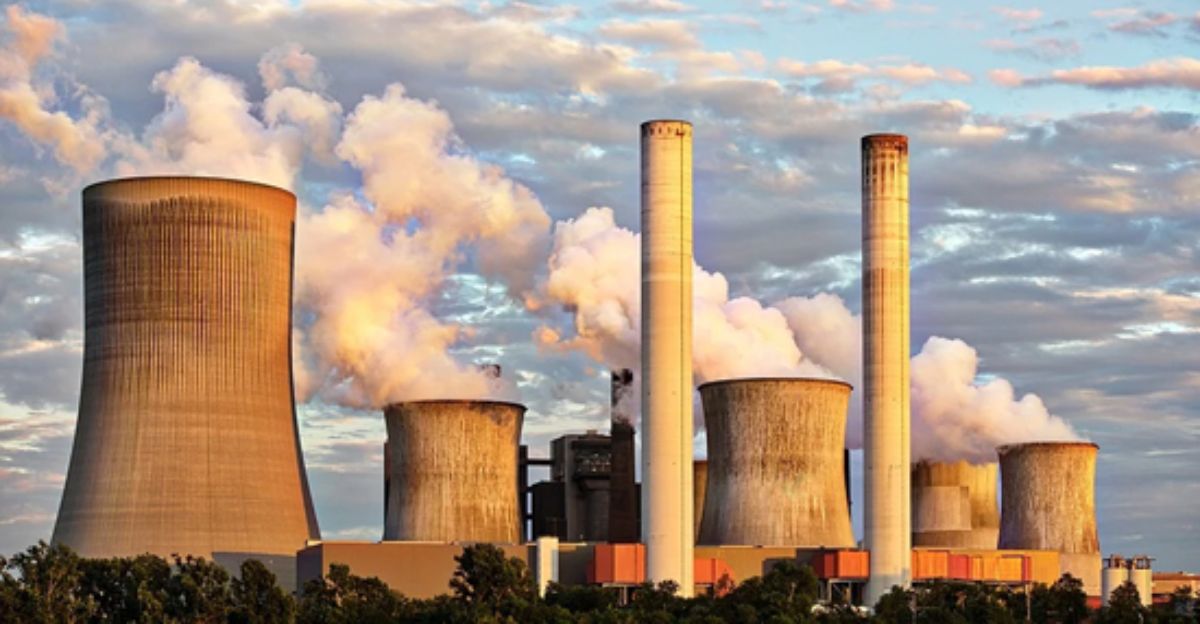
Across North America, Europe, and Asia, reductions in coal combustion have eliminated sulfate-producing emissions. These pollution-reduction achievements represent genuine environmental progress benefiting millions through improved respiratory health.
Yet paradoxically, each ton of removed coal pollution exposes additional greenhouse gas warming that was previously masked. The trade-off creates an impossible policy dilemma between immediate health protection and long-term climate impact.
India Launches National Effort to Breathe Cleaner Air

India’s National Clean Air Programme (NCAP), launched in 2019, represents the nation’s most ambitious attempt to reduce deadly particulate pollution. The program initially targeted a 20-30% reduction in PM10 levels by 2024-25 compared to the 2017-18 baselines, and was subsequently revised to achieve a 40% reduction by 2026.
However, implementation challenges have hampered progress across Indian cities and industrial zones. Despite these efforts, the paradox remains: as India succeeds in cleaning air and preventing respiratory deaths, it inadvertently unmasks additional warming that will intensify heat stress, droughts, and climate extremes.
Scientists Reject “Brightening” the Sky With Pollution

Experts unanimously reject any suggestion of tolerating polluted air to maintain planetary reflectivity. Aerosols persist in the atmosphere for only days to weeks, while carbon dioxide remains for centuries.
Any attempt to maintain Earth’s brightness through pollution would result in millions of lives lost annually, without addressing ocean acidification or long-term warming. Continuing air quality improvements remain scientifically and morally non-negotiable, regardless of climate side effects.
Future Warming May Exceed Previous Predictions

Climate scientists now project potentially more intense warming ahead if negative feedback loops between warming and cloud cover persist. If planetary albedo decline results from positive feedback loops where warming reduces low clouds, models predict substantially amplified future warming.
Climate researcher Helge Goessling warned: “If a large part of the decline in albedo is due to feedbacks between global warming and low clouds, we should expect rather intense warming in the future”.
The Real Solution Requires Aggressive Emissions Cuts

The path forward demands cutting both CO₂ and short-lived climate pollutants like methane simultaneously. Continuing air quality improvements while dramatically reducing greenhouse gas emissions represents the only viable strategy.
Scientists emphasize that greenhouse gas reductions don’t prevent the albedo changes—they just prevent additional warming from accumulating on top of them. The acceleration in warming represents the planet finally revealing how much heat greenhouse gases have genuinely trapped, unmasked by pollution’s disappearing cooling effect.
Sources:
NASA study confirms that Earth is getting darker. Earth.com, December 3, 2025.
Cleaner air in east Asia may have driven recent acceleration in global warming. The Conversation, July 14, 2025.
Air pollution cuts in East Asia likely accelerated global warming. University of Reading News, July 13, 2025.
Air Pollution Crisis: PM 2.5 Kills 1.7M in India, Costs 9.5% GDP. Down to Earth, October 28, 2025.
Recent global temperature surge intensified by record-low planetary albedo. Science, January 2, 2025.
Low-level clouds play surprise role in global warming. Astronomy Magazine, December 4, 2024.
Impacts of reductions in anthropogenic aerosols and climate responses. Atmospheric Chemistry and Physics, November 25, 2025.