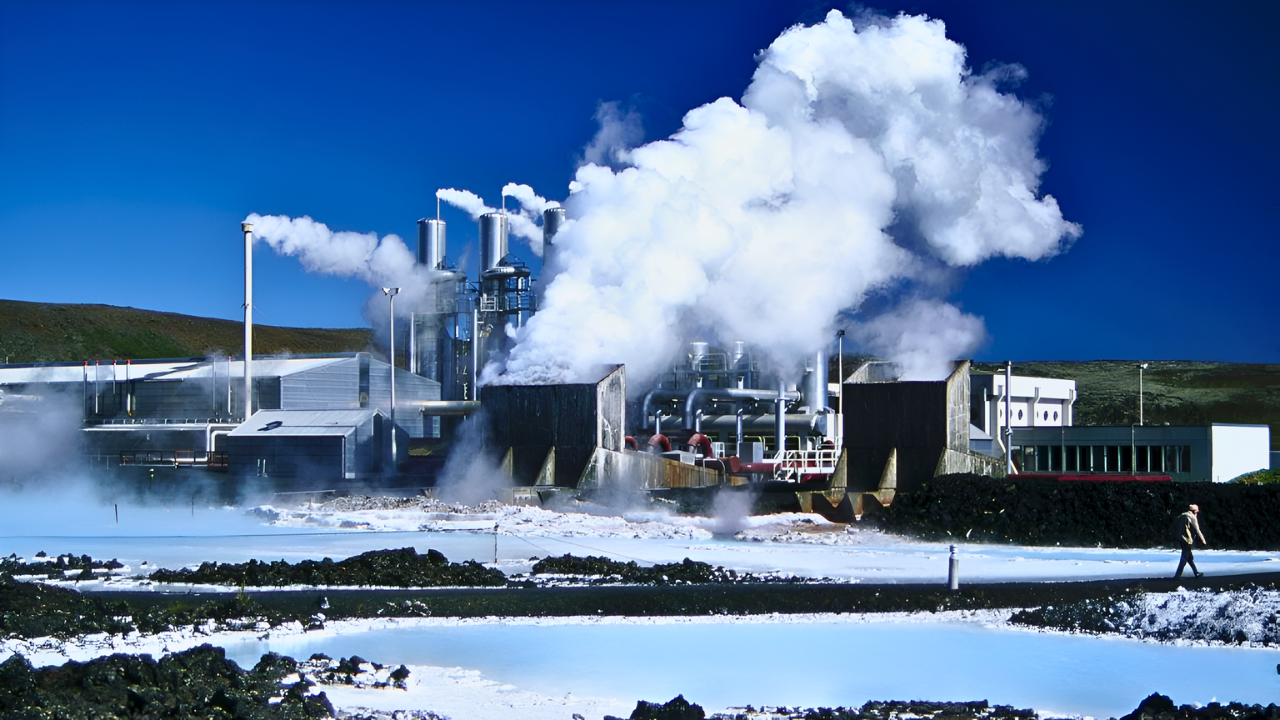
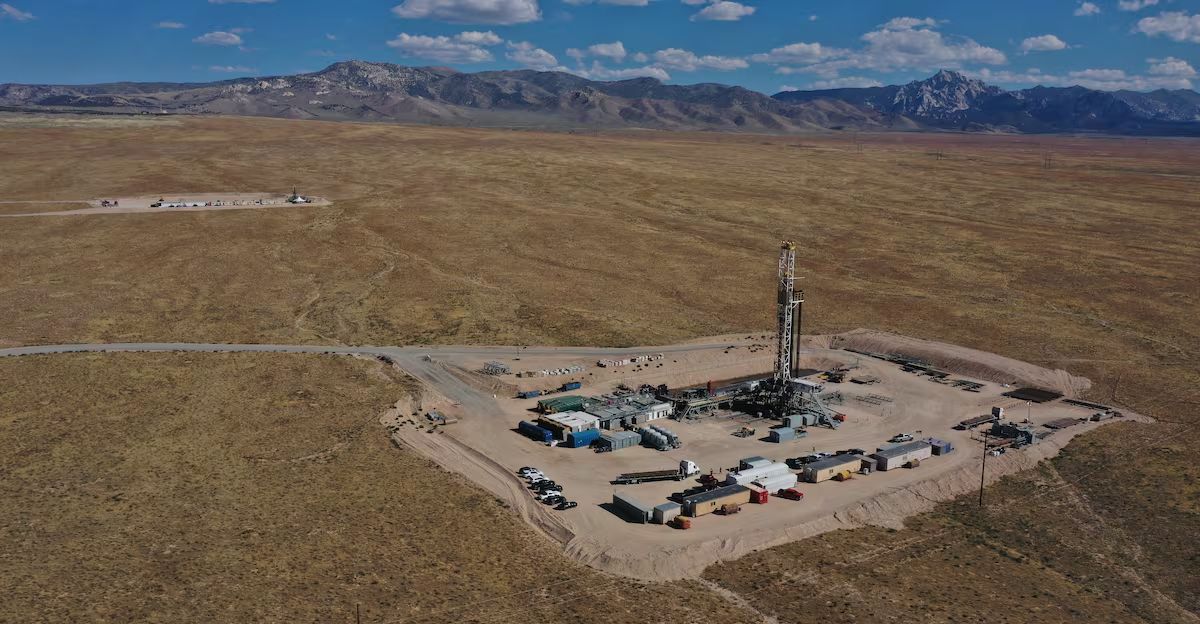
In the wide desert of Beaver County, Utah, a new kind of power plant is being designed to run day and night like a nuclear station, but without fuel rods or smokestacks. Houston-based Fervo Energy has secured federal approval to build Cape Station, an enhanced-geothermal complex that could eventually supply up to 2 gigawatts of continuous electricity. That is on par with several large nuclear reactors and roughly half of today’s total U.S. geothermal capacity. Backers see the project as a pivotal test of whether engineered hot-rock reservoirs can move from experimental status into a central role on the U.S. power grid.
Hot Rock, New Methods
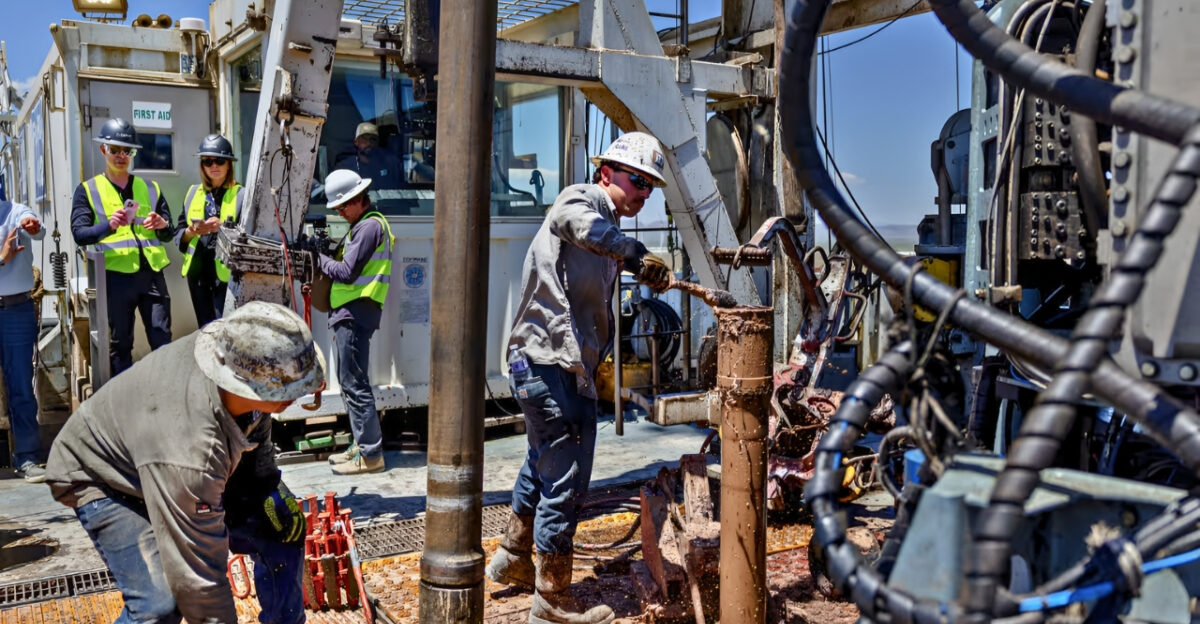
Beaver County sits above unusually hot rock at relatively modest depths, a geological advantage that makes it a strong candidate for geothermal development. Fervo’s planned Cape Station footprint spans 631 acres, including 148 acres of public land overseen by the Bureau of Land Management, with ready access to existing transmission lines. Unlike conventional geothermal fields that tap naturally porous rock with steam already moving through it, most underground hot rock does not allow water to flow easily. Fervo’s approach is to adapt horizontal drilling and fracture stimulation methods from the oil and gas sector to create engineered pathways that circulate water through the heat. Early test wells in Utah have produced record flow rates and more than 10 megawatts from a single well pair, indicating strong potential if replicated across many wells.
In October 2024, the Bureau of Land Management’s Cedar City Field Office approved the Cape Geothermal Power Project after an environmental assessment found no significant impacts if mitigation measures are followed. The approval opened a standard appeal window but allowed planning and early-stage work to move ahead. At the same time, the Interior Department proposed streamlined permitting for small-scale geothermal exploration on public lands, signaling a broader push in Washington to lift barriers for this type of firm, low-carbon power.
Scale, Reliability, and the Western Grid
Federal agencies and industry observers describe Cape Station as a next-generation geothermal complex that, if fully built out, would rival California’s Geysers field, long known as the world’s largest geothermal installation. A 2-gigawatt facility has been widely translated into a shorthand figure of power for about 2 million homes, based on standard conversions using average household consumption. That number is an illustration rather than a specific customer commitment, but it underscores the size of the project and its potential regional impact.
For the western United States, the appeal lies in steady output. Grid planners have long struggled to match variable solar and wind generation with rising demand, especially during evening peaks and extreme weather. A large geothermal facility that runs around the clock could reduce the need for gas-fired plants and imported electricity during tight conditions. Fervo has already signed contracts with Southern California Edison for 320 megawatts from early phases, a sign that utilities are interested in firm geothermal as part of their resource mix.
Locally, Beaver County leaders see Cape Station as an economic anchor. Projections call for hundreds of construction positions and several dozen long-term operating roles, along with associated spending on services and infrastructure. While geothermal facilities employ fewer people than many manufacturing or logistics hubs, they tend to operate for decades, offering rare long-term stability in rural areas that often face fluctuating employment in other sectors.
Risks, Safeguards, and Financial Tests
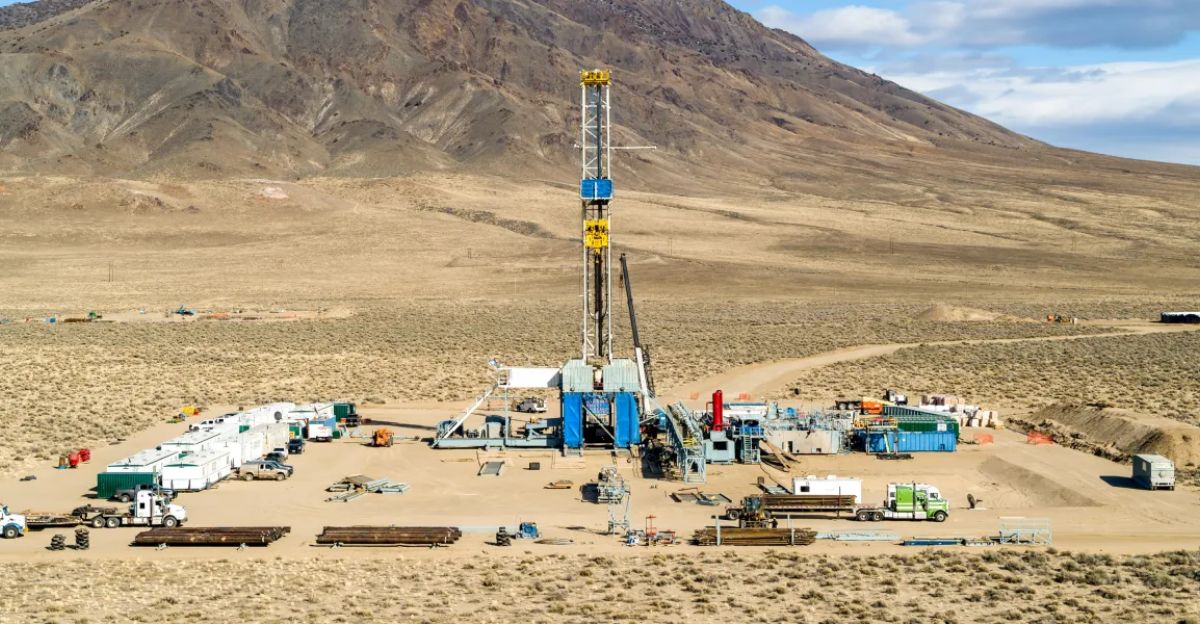
Enhanced geothermal remains an emerging technology with unresolved questions about performance and risk at full scale. Creating and maintaining artificial fractures in hot rock raises concerns about induced seismicity, long-term reservoir behavior, and ongoing maintenance needs. Fervo’s Utah test results are promising, but regulators and researchers note that success at a handful of wells does not guarantee similar performance across hundreds.
Before issuing its approval, the Bureau of Land Management carried out an environmental review that concluded the project would not cause significant impacts if water use, land restoration, and wildlife protections are handled as specified in mitigation plans. State and federal regulators will track groundwater conditions, seismic activity, and surface effects as drilling and operations expand. Environmental groups, meanwhile, are scrutinizing Interior’s move to streamline exploration permits, arguing that even small projects can create local impacts; any future legal challenges would test the strength of the initial review.
Financing is another critical test. In 2025, Fervo announced more than $200 million in new funding to accelerate its Utah work, backed by investors who view long-term power contracts and federal support as signs of a stable revenue stream. But the same investors will be watching closely for cost overruns, drilling setbacks, or underperforming wells. How Cape Station manages construction risk, reservoir performance, and contract obligations will shape broader perceptions of whether engineered geothermal can compete financially with other clean power technologies.
Future Path and Wider Implications
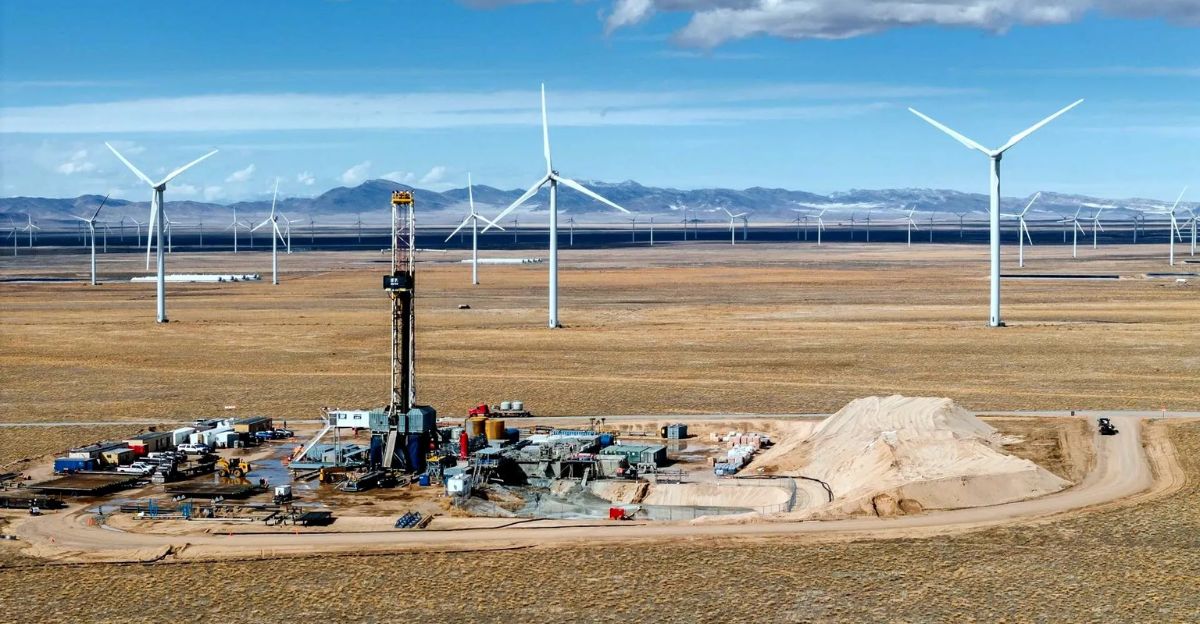
Despite the headline capacity figure, Cape Station is planned as a phased buildout rather than a single leap to 2 gigawatts. Initial stages are expected to deliver on the order of 70 to 100 megawatts in the mid-2020s, with later phases adding several hundred megawatts more if drilling results, financing, and grid conditions support continued expansion. Even if the project ultimately reaches only a portion of its target, it would still rank among the larger geothermal developments and provide meaningful firm capacity to the western grid.
Energy analysts often compare a completed 2-gigawatt geothermal complex to having two modern nuclear units on the system, in terms of continuous output and grid-stabilizing value but with different risk and waste profiles. Lessons from The Geysers, which rose to about 2 gigawatts in the 1980s before output declined as its natural reservoirs cooled, highlight both the longevity and the limits of geothermal resources. Supporters of enhanced techniques argue that modern monitoring and injection strategies can better manage reservoir health over time, though that claim remains to be tested at large scale.
Cape Station is therefore being watched as a real-world experiment in whether engineered geothermal can move from promising pilot to mainstream, nuclear-scale contributor. Its performance over the next decade—technically, environmentally, and financially—will influence investor confidence, utility planning, and federal policy toward similar hot-rock developments in Utah, Nevada, California, and beyond. For now, the desert site in Beaver County stands as a focal point for both the hopes and the skepticism surrounding a new phase of geothermal power.
Sources:
ENR, 12 Feb 2025
Interesting Engineering, 17 Oct 2024
ESG Today, 10 Jun 2025
Wikipedia: Geothermal power stations in the U.S., accessed 2024
Reddit Futurology thread, 18 Oct 2024
Utility Dive, 20 Oct 2024