
Amazon is offering unprecedented discounts on Fire TV Sticks, Kindles, Echo speakers, and Ring doorbells this Black Friday, with savings reaching 67 percent. However, a 20 percent trade-in bonus expires Monday, December 2, 2025, at midnight UK time, forcing millions of device owners into rapid purchasing decisions. The tight processing window—requiring shipments by late November—adds genuine urgency to what appears to be a standard holiday promotion. Industry observers characterize this as more than a seasonal sale: it represents a coordinated strategy to refresh Amazon’s device ecosystem amid mounting regulatory pressure and competitive challenges surrounding streaming piracy.
The Piracy Problem and Technical Response

The timing of Amazon’s promotion aligns with significant changes to its hardware lineup. Amazon launched the Fire TV Stick 4K Select weeks before this sale, featuring Vega OS, an operating system that prevents sideloading of unauthorized applications. Simultaneously, Amazon disabled IPTV apps across all Fire TV devices beginning October 31, 2025. Sky, the United Kingdom’s largest broadcaster, has publicly attributed roughly half of Premier League piracy to Fire TV Sticks. By offering deep discounts on new compliant devices while incentivizing trade-ins of older hardware, Amazon effectively nudges customers toward piracy-resistant equipment and away from jailbroken alternatives.
Scale and Market Dominance

Amazon’s installed base across device categories is substantial. Echo devices reached 69.9 million active users in the United States, with over 600 million units sold globally. Kindles command 72 percent of the global e-reader market. Ring doorbells hold 28 percent of the smart home security market. Fire TV Sticks maintain widespread adoption across households. Even a modest fraction of these devices trading in could generate unprecedented refresh volumes and systematically clear older, potentially modified hardware from circulation.
The Financial Mechanics

The discount structure creates compounding incentives. The Fire TV Stick 4K is now priced at $30, down from $50—a 40 percent reduction. When customers trade in older devices and receive an Amazon gift card plus an additional 20 percent discount on their new purchase, the final price drops to approximately $24, representing 52 percent total savings. Echo Dot devices fell to $32, a 36 percent reduction. Kindles are discounted to $80, a 27 percent reduction. This layered structure—combining direct discounts, trade-in value, and gift card incentives—compounds benefits and creates genuine financial urgency rather than artificial scarcity marketing.
Regulatory Strategy and Market Positioning
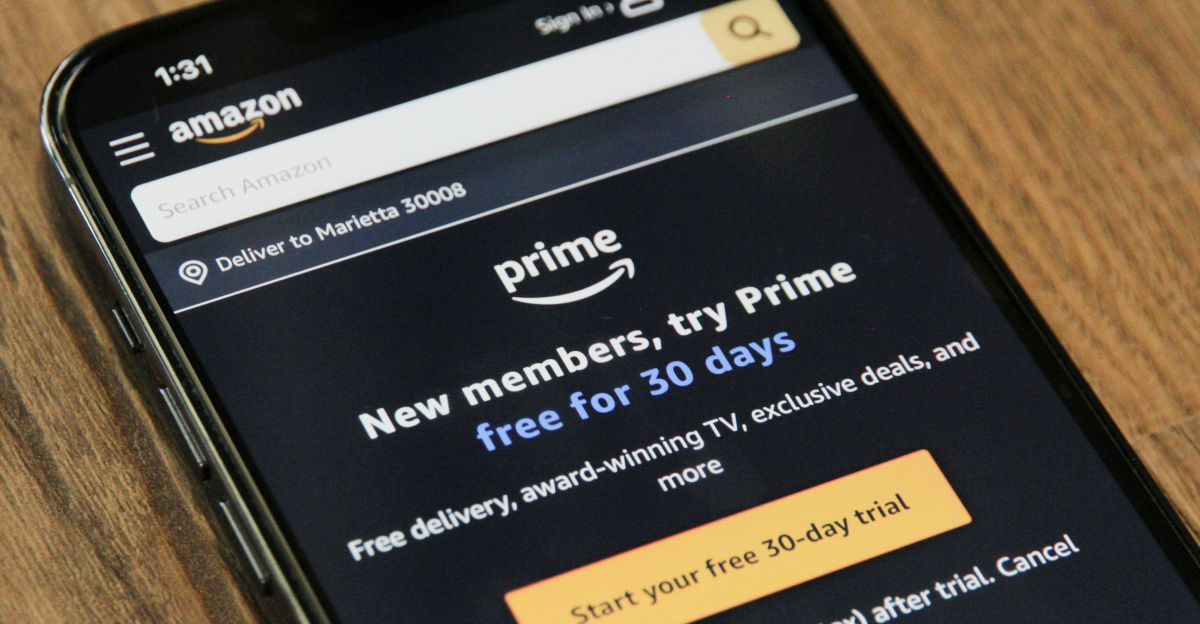
Amazon’s approach combines technical restrictions with financial incentives to accelerate a transition toward compliant hardware. Rather than waiting for regulatory mandates, the company voluntarily accelerates this shift through market mechanisms. This strategy neutralizes potential criticism from privacy advocates, as consumers perceive the choice as economically motivated rather than coercive. The company positions itself as proactive and responsible, addressing broadcaster concerns about piracy while protecting its Prime Video subscription business, which competes directly against free illegal alternatives. If regulators eventually mandate device restrictions, Amazon has already converted much of its installed base through voluntary adoption.
Implications and Emerging Questions
The December 2 deadline marks a significant milestone in ongoing negotiations over device openness in the streaming era. Consumer awareness gaps remain substantial—most purchasers are unaware that Vega OS devices cannot be sideloaded or modified. The UK promotion serves as a test case for potential global rollout across markets with varying piracy pressures and regulatory environments. Regulators face critical decisions: whether to declare victory as Amazon voluntarily restricts devices, or to interpret the shift as evidence that mandatory restrictions were always necessary. The smart home ecosystem may consolidate further around Amazon’s restricted platform, affecting competitors and smaller IoT manufacturers. As the deadline approaches, the choices consumers make carry lasting implications for digital flexibility and platform control in connected devices.
Sources:
UNILAD, 28 Nov 2025
LADbible, 29 Nov 2025
CordBusters, 2 Nov 2025
About Amazon, 2024
CordBusters, 2 Nov 2025
Reddit (r/Fire TV, r/Kindle), Nov 2025