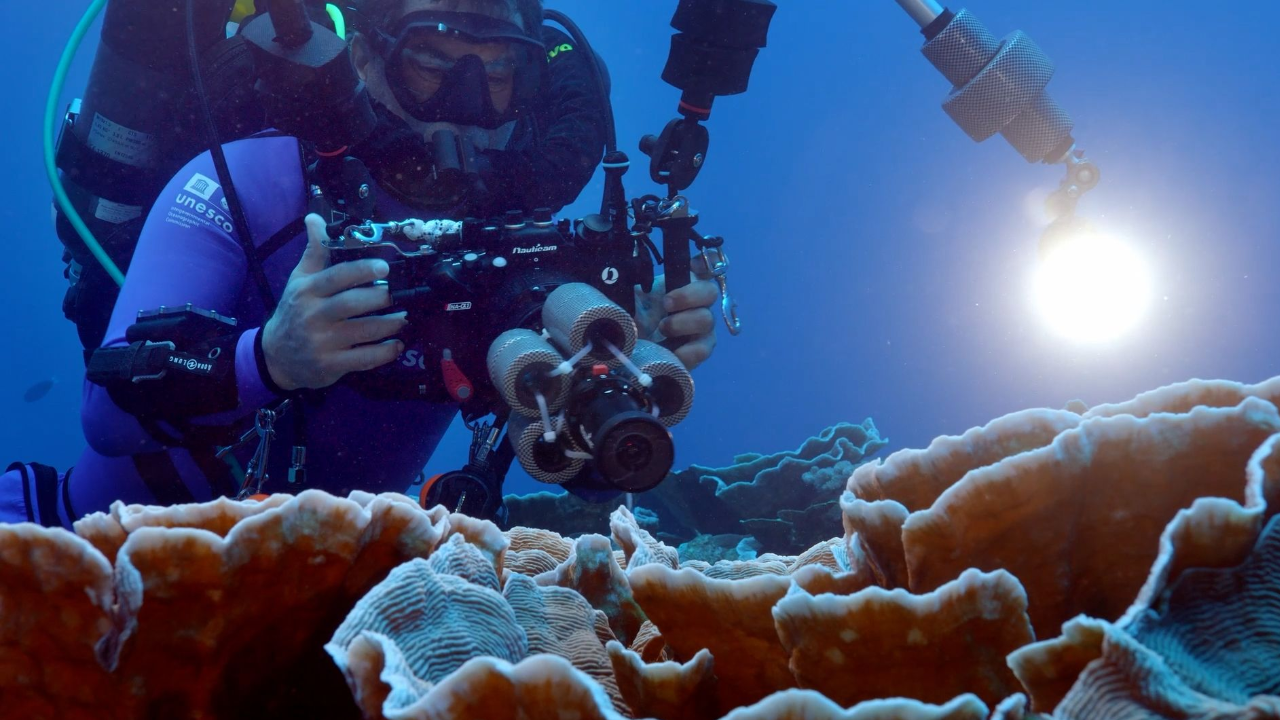
Deep beneath the ocean surface, a catastrophic collapse is unfolding in slow motion. Scientists have confirmed that fossil records reveal that lanternfish—the ocean’s most abundant vertebrates—virtually disappeared during past periods of extreme oxygen depletion, only to return thousands of years later when conditions recovered.
Today, multiple stressors threaten the mesopelagic twilight zone: warming waters, oxygen loss, and deep-sea mining.
Understanding the Twilight Zone’s Critical Role
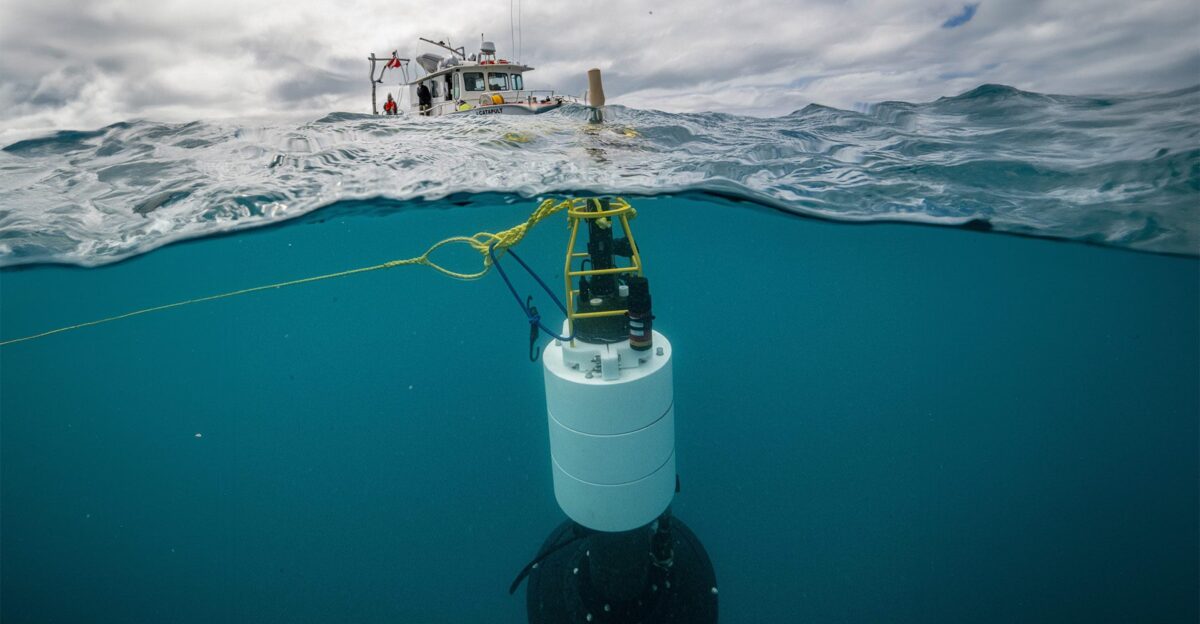
The Twilight Zone occupies roughly 60 percent of the Earth’s ocean surface and comprises approximately 20 percent of the ocean’s total volume. Despite its vast size and ecological importance, this ecosystem remains largely unexplored. The zone contains thousands of species yet to be discovered by scientists.
Every night, millions of organisms from this region migrate toward the surface to feed, creating one of the largest animal migrations on Earth and playing a crucial role in climate regulation and marine food webs.
Lanternfish: The Twilight Zone’s Most Abundant Species
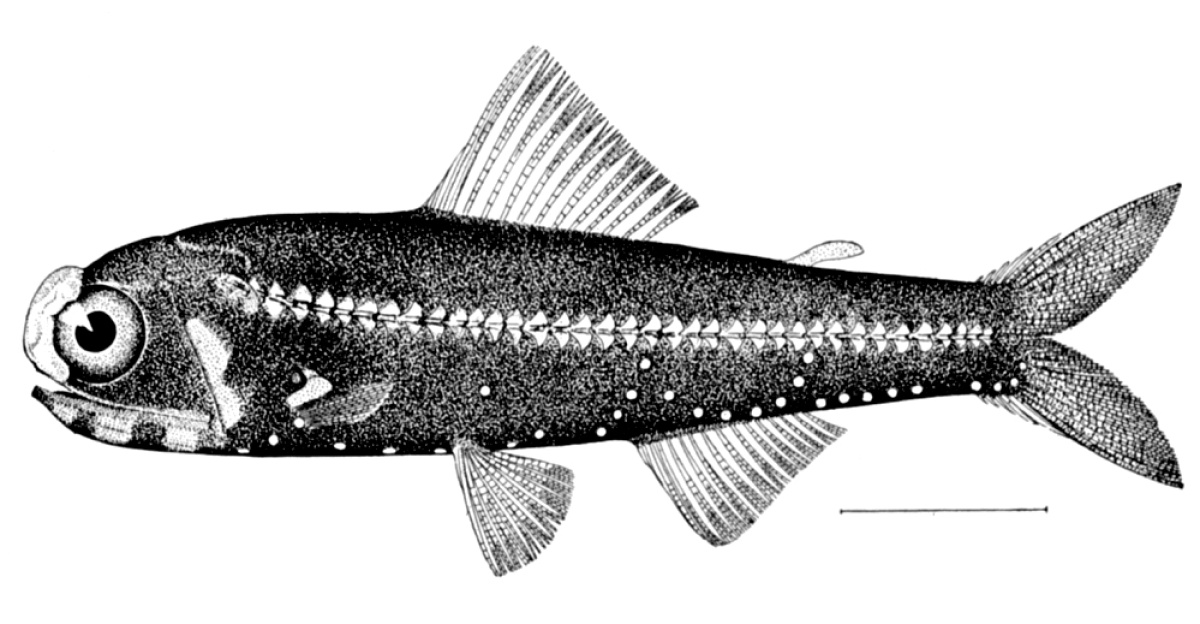
Lanternfish, small bioluminescent deep-sea fish, may represent the most abundant vertebrates on Earth by weight, with an estimated global biomass of 600 million tons. According to research from the Institute of Environmental Science and Technology at Universitat Autònoma de Barcelona, “The case of lanternfish clearly illustrates what may happen on a larger scale if ocean deoxygenation continues.
If a group with such massive biomass were to collapse, it would have severe consequences for marine ecosystems and global food webs.”
Carbon Sequestration: An Invisible Climate Regulator
Biological processes within the twilight zone sequester between 2 and 6 billion metric tons of carbon annually from the surface ocean into the deep sea. This extraordinary carbon sequestration service has an estimated annual value of $ 300 to $ 900 billion.
Without the twilight zone’s carbon transport function, atmospheric carbon dioxide levels could be 200 parts per million higher than they are today.
Oxygen Depletion Threatens Twilight Zone Inhabitants
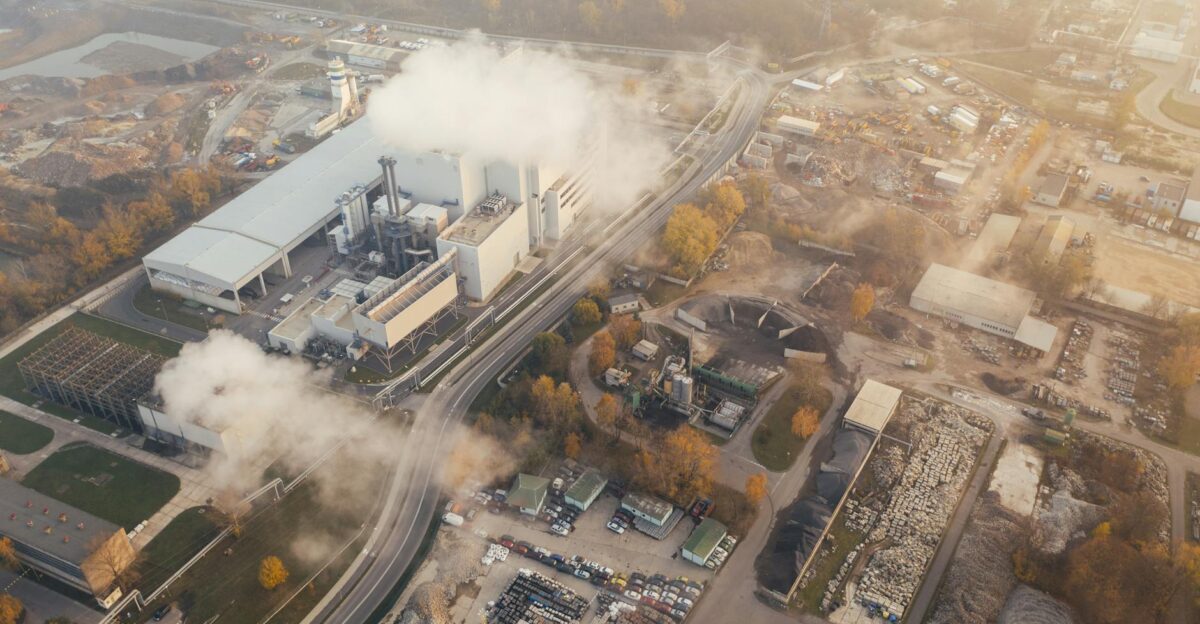
Global ocean oxygen levels have declined by approximately 2 percent since the 1960s, with the rate of decline accelerating in recent decades. Scientists project oxygen levels could drop another 3 to 4 percent by 2100 if greenhouse gas emissions continue at current rates.
Climate change intensifies oxygen loss through two mechanisms: warming reduces water’s oxygen-holding capacity, while increased stratification prevents oxygen-rich surface waters from mixing with deeper layers, creating deadly oxygen-minimum zones throughout the mesopelagic region.
Historical Warnings: Lanternfish Vanished Before
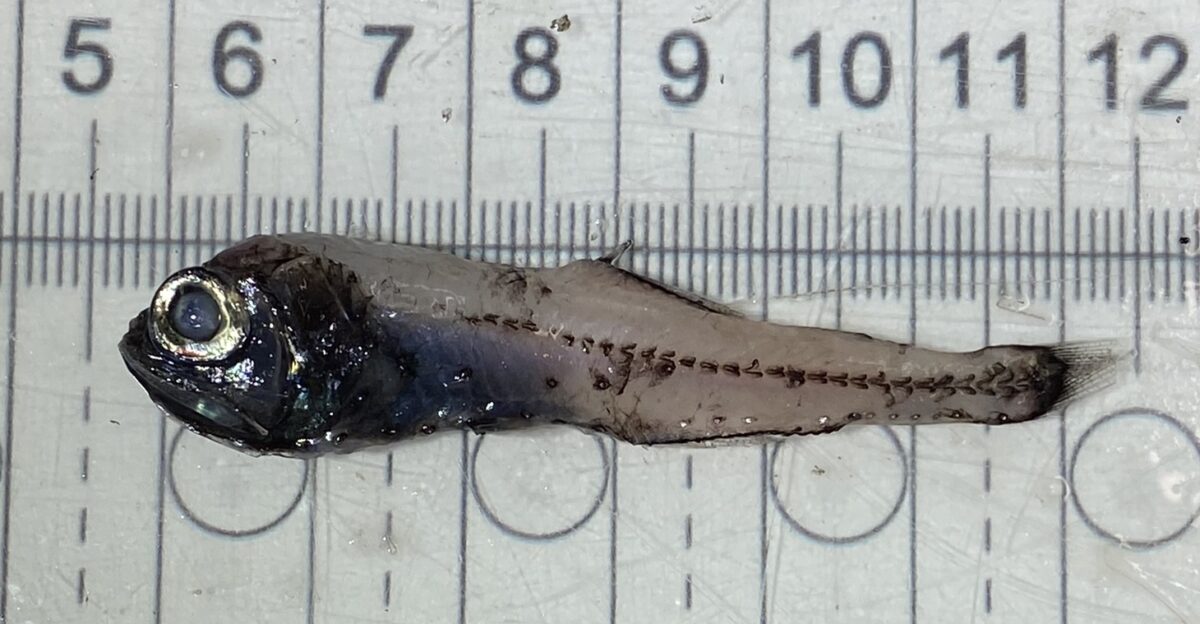
Fossil evidence preserved in Eastern Mediterranean seabed sediments dating back 10,000 years reveals that lanternfish largely disappeared during past periods of extreme ocean deoxygenation. These fish only reappeared in large numbers approximately 6,000 years ago when oxygen levels recovered.
This ancient history demonstrates the extreme vulnerability of mesopelagic ecosystems to oxygen depletion.
California Current Shows Real-Time Decline
Research from the California Current ecosystem documents a 63 percent decline in mesopelagic fish abundance during periods of low midwater oxygen compared to high-oxygen periods. Scientists attribute this dramatic decline to climate change-driven ocean stratification, reducing oxygen mixing.
Several warm-water mesopelagic species, adapted to oxygen-poor conditions, are increasing in number and becoming dominant.
Mollusk Populations Face Catastrophic Range Loss

Research presented at the 2025 GSA Connects conference in San Antonio reveals alarming projections for mollusk populations in the western Atlantic Ocean. Climate models suggest that mollusks could lose more than 60 percent of their current range as global temperatures continue to rise.
Dr. Claudia Nuñez-Penichet from Virginia Tech warned: “It didn’t matter at all. Everything was very bad for all the species that we looked at in the future, especially under more extreme climatic projections with higher carbon emissions.”
Deep-Sea Mining: A New Frontal Assault
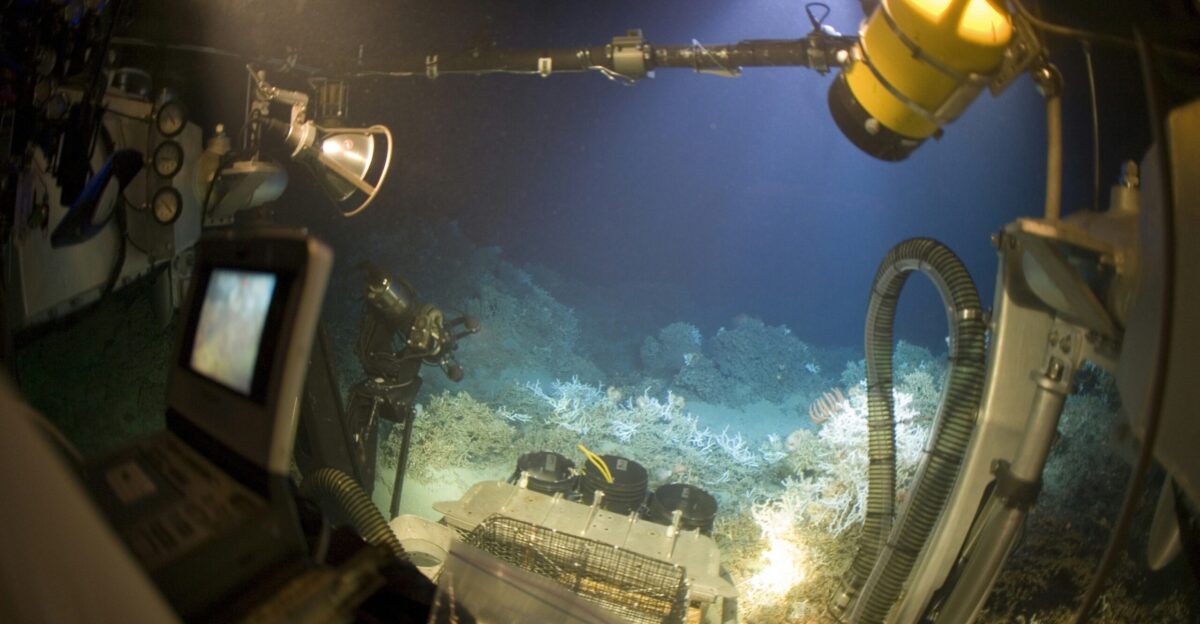
A groundbreaking November 2024 study, published in Nature Communications, identifies deep-sea mining as a major emerging threat to twilight zone ecosystems. The Clarion-Clipperton Zone, a 6-million-square-kilometer area in the central Pacific Ocean between Mexico and Hawaii, contains approximately 1.5 million square kilometers of active mining licenses.
Mining companies extract polymetallic nodules containing critical minerals, such as cobalt, nickel, copper, and manganese, which are used in electric vehicle batteries and electronics.
Mining Waste Creates “Junk Food” for Zooplankton
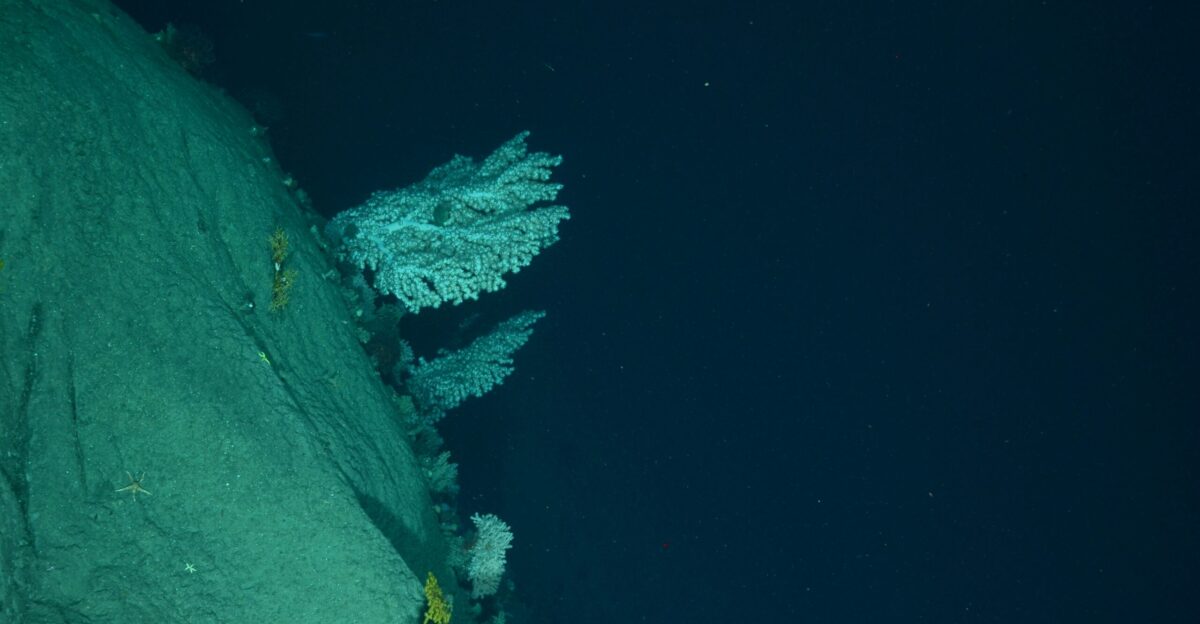
The University of Hawai’i study discovered that mining discharge plumes create water “as murky as the mud-filled Mississippi River,” disrupting fundamental food webs. Lead researcher Michael Dowd stated: “Zooplankton’s exposure to junk food sediment has the potential to disrupt the entire food web.”
Co-author Erica Goetze added: “This isn’t just about mining the seafloor; it’s about reducing the food for entire communities in the deep sea.”
Cascading Food Web Disruptions
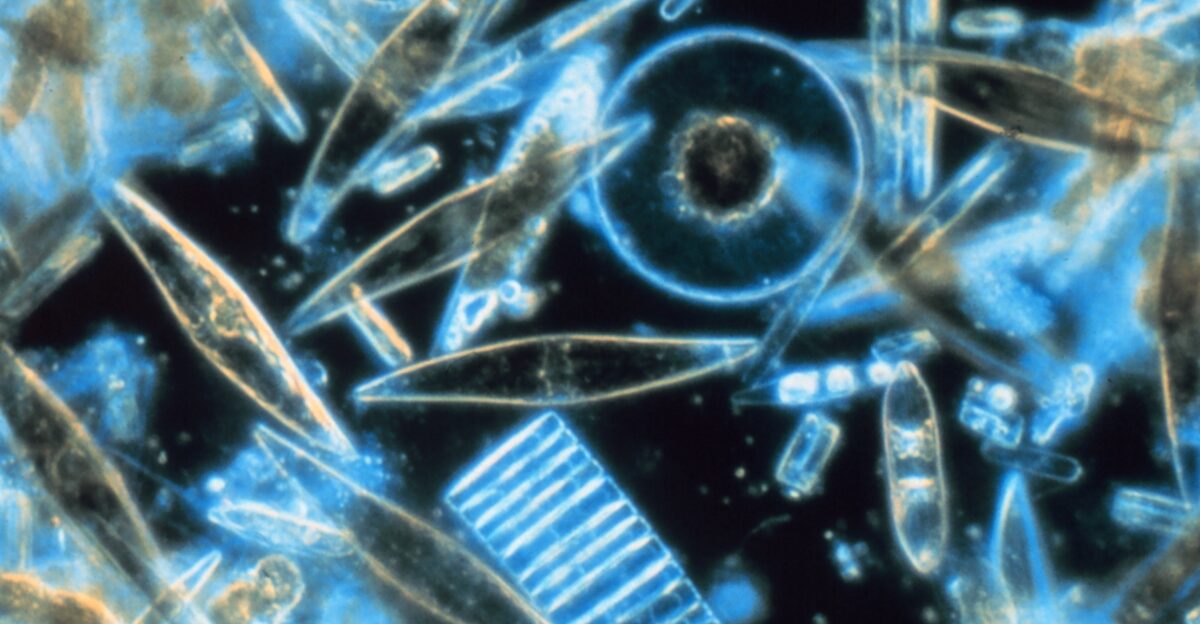
The disruption extends far beyond the populations of zooplankton and micronekton directly affected by mining waste. Small shrimp, fish, and other swimming animals feed on zooplankton, and many migrate daily between depths and near-surface waters where they are consumed by fish, seabirds, and marine mammals.
Zooplankton’s exposure to junk food sediment has the potential to disrupt entire food webs spanning from microscopic organisms to whales and humans.
Historical Mining Creates Lasting Damage
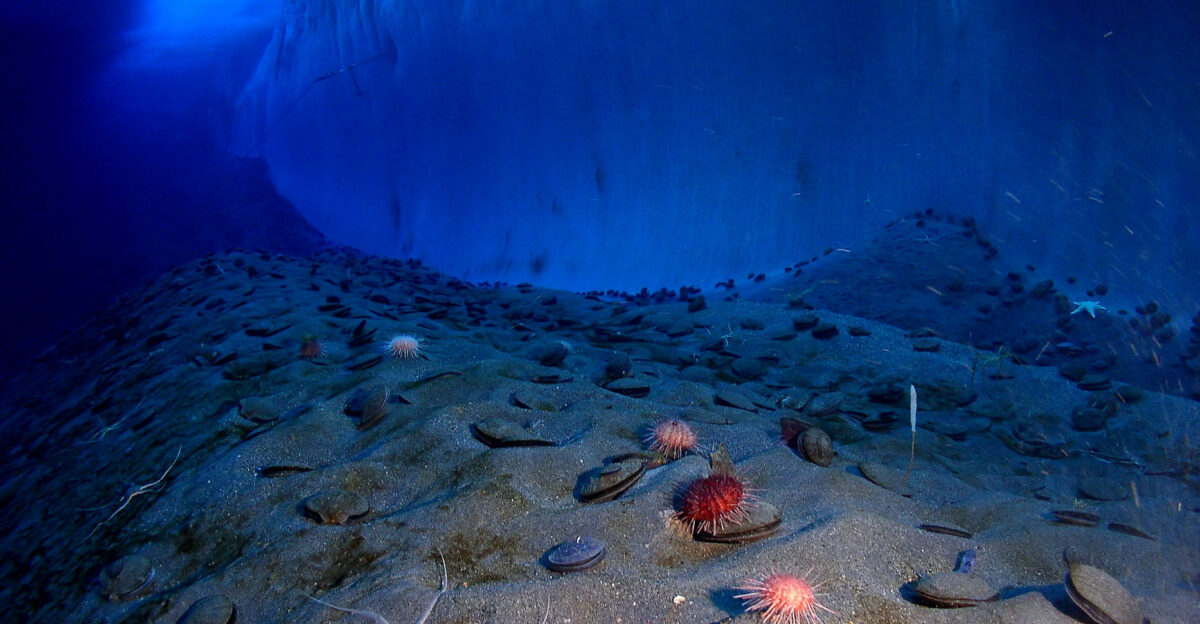
Research conducted from 2023 to 2024 revisited a deep-sea mining test site in the Clarion-Clipperton Zone, where mining had occurred in 1979. Forty-four years after this initial experiment, biodiversity at the disturbed site remains significantly lower than that in nearby untouched regions.
The study demonstrates that deep-sea mining impacts last for decades, likely centuries. With commercial-scale mining potentially operating continuously, ecosystem recovery appears impossible.
Warming Waters Force Fish Into Compression
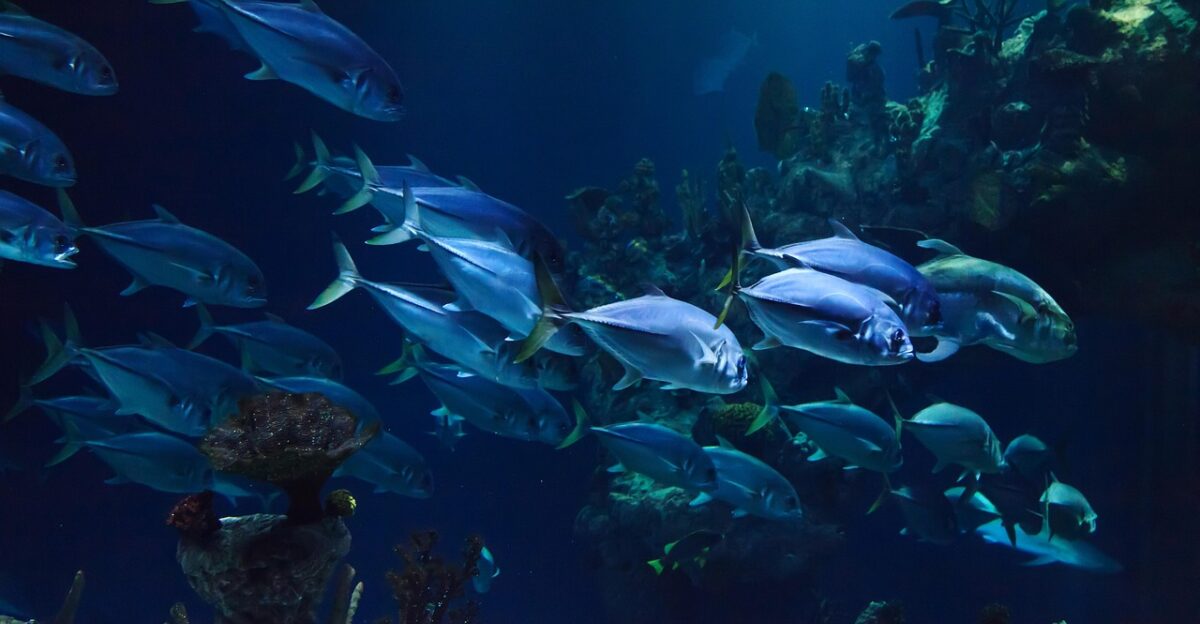
During the 2015-2016 marine heatwave, mesopelagic fish deepened their daytime distribution by 42 to 112 meters compared to pre-heatwave conditions. Fish respond to warming by moving into cooler, deeper water where oxygen concentrations remain adequate for survival.
This compression forces species into narrower, less favorable habitat bands and disrupts feeding relationships with surface predators.
2025 International Conservation Breakthrough

In October 2025, delegates at the IUCN World Conservation Congress in Abu Dhabi adopted Motion 035, calling for precautionary measures to protect mesopelagic ecosystems. The nonbinding motion passed with 713 votes in favor and only 46 against.
Chris Dorsett, Vice President of Conservation at Ocean Conservancy, emphasized, “Let’s look before we leap, because the mesopelagic zone is just too important from a biodiversity, climate regulation, and ecosystem functioning perspective.”
New Protection Tools Emerge

The recently ratified Biodiversity Beyond National Jurisdiction treaty provides new mechanisms for protecting mesopelagic areas, including environmental impact assessments and area-based protections that could restrict mining and fishing activities. The United States has implemented protections for mesopelagic species off both coasts since 2016-2017, though comprehensive global protection remains limited.
International cooperation through the IUCN, regional fishery management organizations, and the Convention on Biological Diversity provides pathways for effective ecosystem safeguards.
Climate Change Compounds Multiple Stressors
Scientists identify the convergence of multiple simultaneous stressors as the most dangerous aspect of the twilight zone crisis. Ocean warming, oxygen depletion, mining discharge, and potential commercial fishing activities create compounding impacts that may exceed the adaptive capacities of individual species.
Previous mass extinction events provide historical precedent for ecosystem collapse when multiple extreme stressors combine.
Knowledge Gaps Create Additional Risks

Current scientific understanding of the mesopelagic zone remains severely incomplete, with thousands of species awaiting discovery. Essential information about ecosystem structure, function, and connectivity remains unknown. This knowledge deficit means that we cannot reliably predict the consequences of mining, fishing, or the impacts of climate change.
Dr. Kevin Boswell from Florida International University notes the ecosystem’s extreme diversity should itself warrant careful precautionary approaches.
Projected 21st Century Transformations
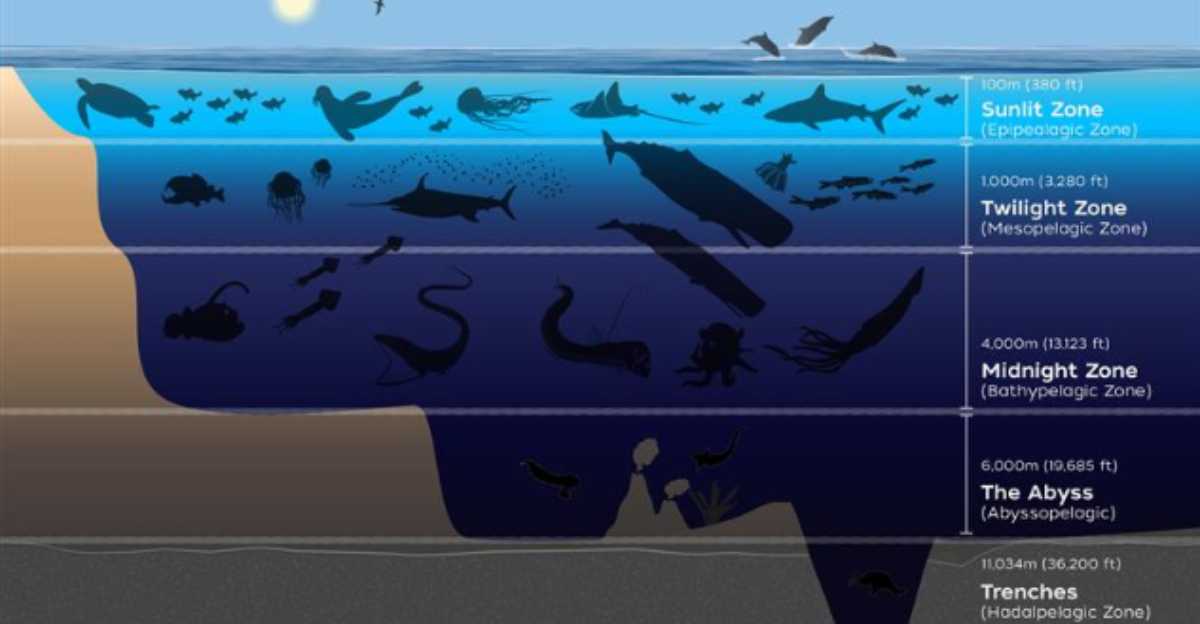
Under high-emission scenarios, mesopelagic ecosystems are projected to experience reductions of 20 to 40 percent in biomass by the end of the century, with some models suggesting severe depletion within 150 years. Habitat compression projections suggest available living space could shrink by 20 to 40 percent as thermal expansion compresses oxygen-adequate zones.
Complete ecosystem restructuring represents the baseline expectation under continued emissions of greenhouse gases.
The Urgency of Immediate Action

Scientists emphasize that twilight zone protection requires immediate action despite knowledge gaps because ecosystem recovery, if possible, would take centuries to millennia. Every delay in implementing climate mitigation and ecosystem protection accelerates irreversible changes.
The international consensus is increasingly recognizing the twilight zone as too important for climate regulation, biodiversity, and food security to risk large-scale exploitation.
The Silent Giants Need Our Voice
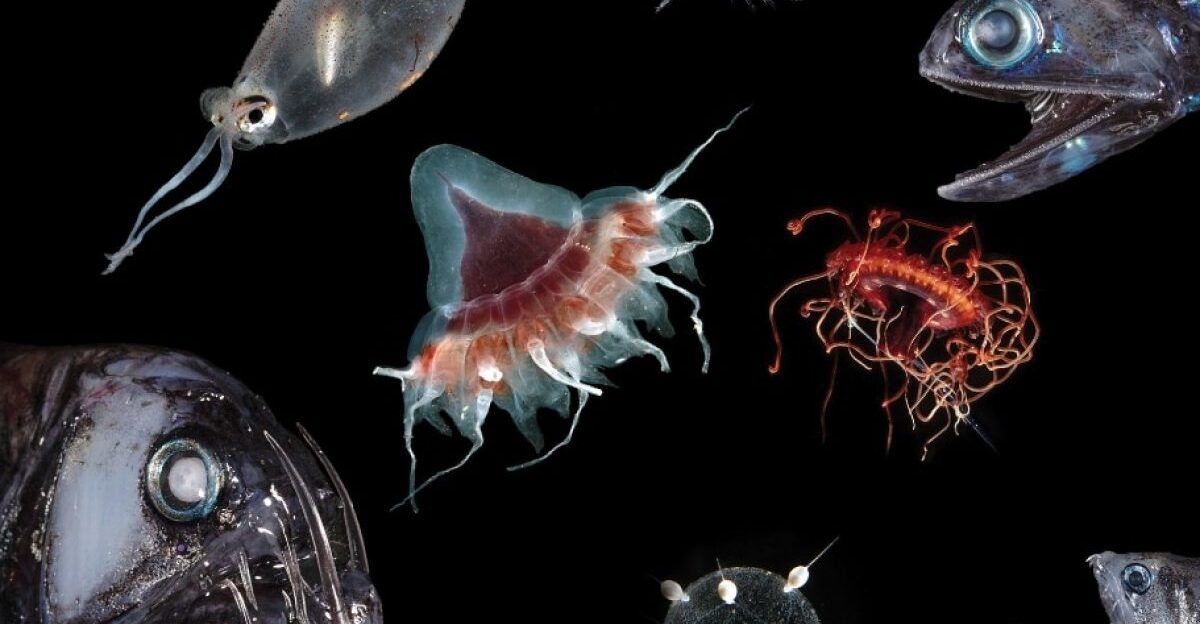
The mesopelagic twilight zone remains one of Earth’s final frontiers, home to creatures so abundant yet so poorly understood that their fate hangs in the balance. From ancient lanternfish extinctions to modern mining threats, the science is clear: this ecosystem cannot endure multiple simultaneous assaults.
Every year of delay strengthens the case for ecosystem collapse over ecosystem recovery. Global citizens, policymakers, and scientists must act now to protect the ocean’s hidden giants before their quiet world becomes forever silent.
Sources:
Institute of Environmental Science and Technology, Universitat Autònoma de Barcelona (2025).
Dr. Claudia Nuñez-Penichet, Virginia Tech (October 2025).
Michael Dowd, University of Hawai’i at Mānoa (November 2025).
Erica Goetze, University of Hawai’i at Mānoa (November 2025).
Chris Dorsett, Ocean Conservancy (October 2025).