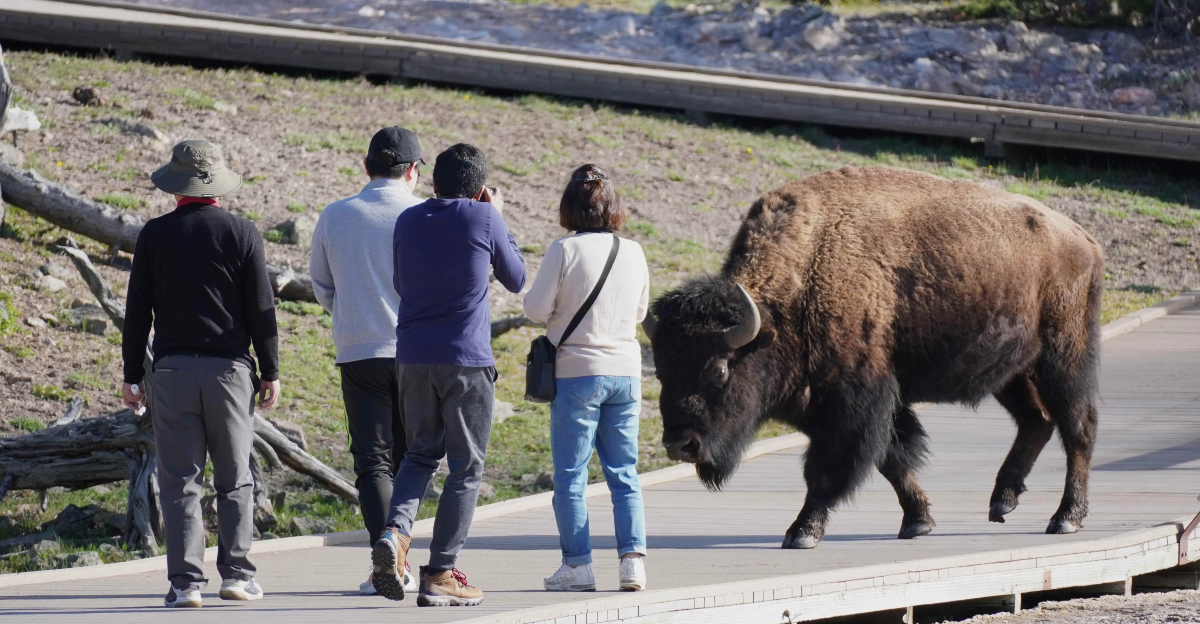
America’s national parks are breathtaking sanctuaries that are meant to preserve nature in its rawest form. But, unfortunately, tourists keep repeating behaviors that turn these sacred places into dangerous playgrounds.
From reckless stunts to blatant disregard for rules, these trends not only endanger people but also permanently scar landscapes and wildlife.
Excuses
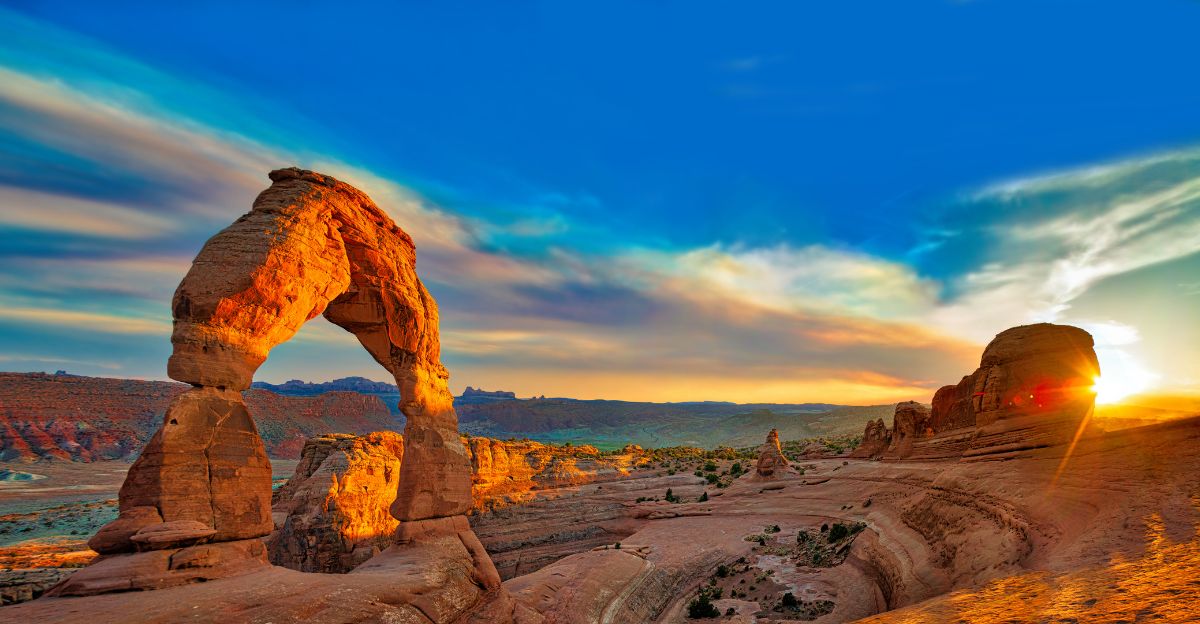
Tourists often justify their misbehavior with excuses like “it’s just a picture” or “what harm could it do?” But in reality, these bad habits disrupt the natural balance and sometimes even cost lives.
With social media fueling risky behaviors and popularity-driven stunts, it’s clear these problems are repeating cycles. Let’s take a look at nine disturbing trends that tourists in U.S. national parks keep repeating.
1. Getting Too Close
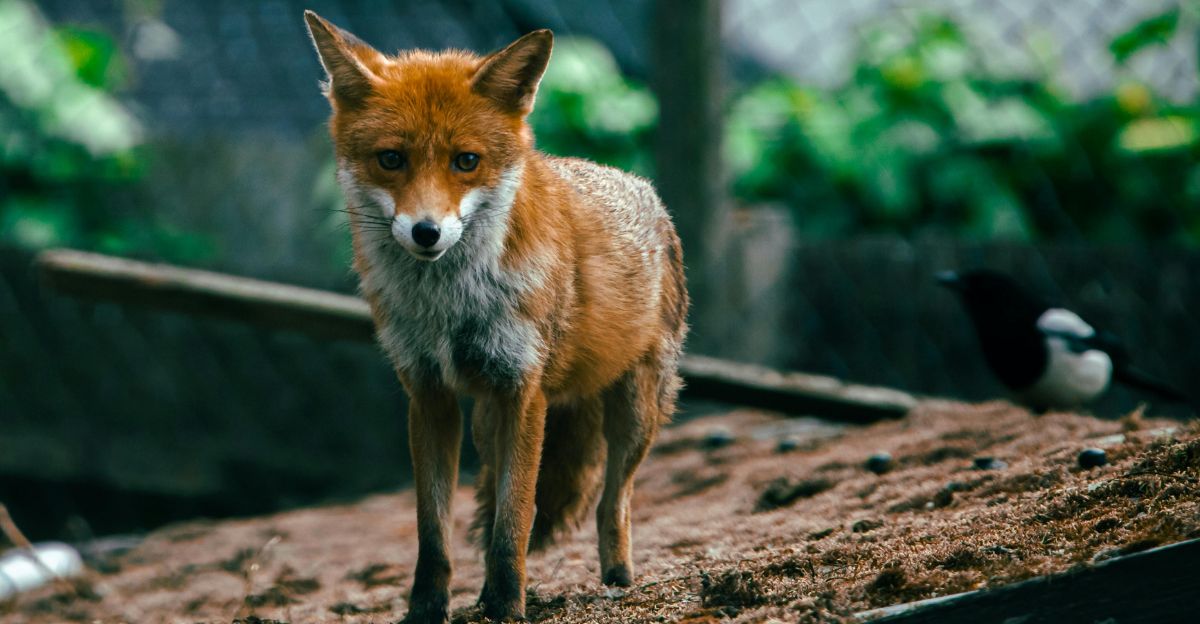
Getting too close to wildlife is one of the most obvious and recurring mistakes when it comes to human behaviors in national parks.
A lot of the time, tourists want close-up selfies with dangerous creatures like bison, elk, or even bears, treating these animals like domesticated pets. The illusion of safety is strong, but in reality, these encounters can turn deadly very fast. Sadly, it happens often.
25-Yard Minimum Distance
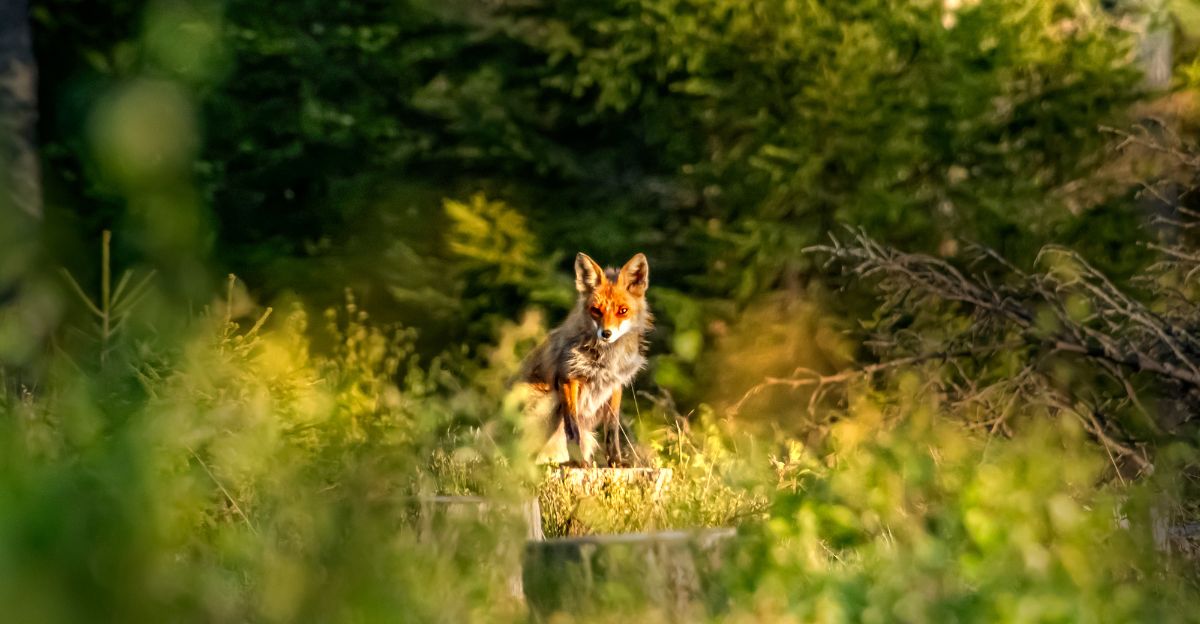
Despite clear rules, park visitors repeatedly break the 25-yard minimum distance from large animals. New videos of people being gored, chased, or tossed into the air surface almost every year.
By getting too close, tourists not only risk getting injured but also stress out the wildlife, which can alter their behavior toward future visitors or even lead to culling.
2. Feeding Wild Animals
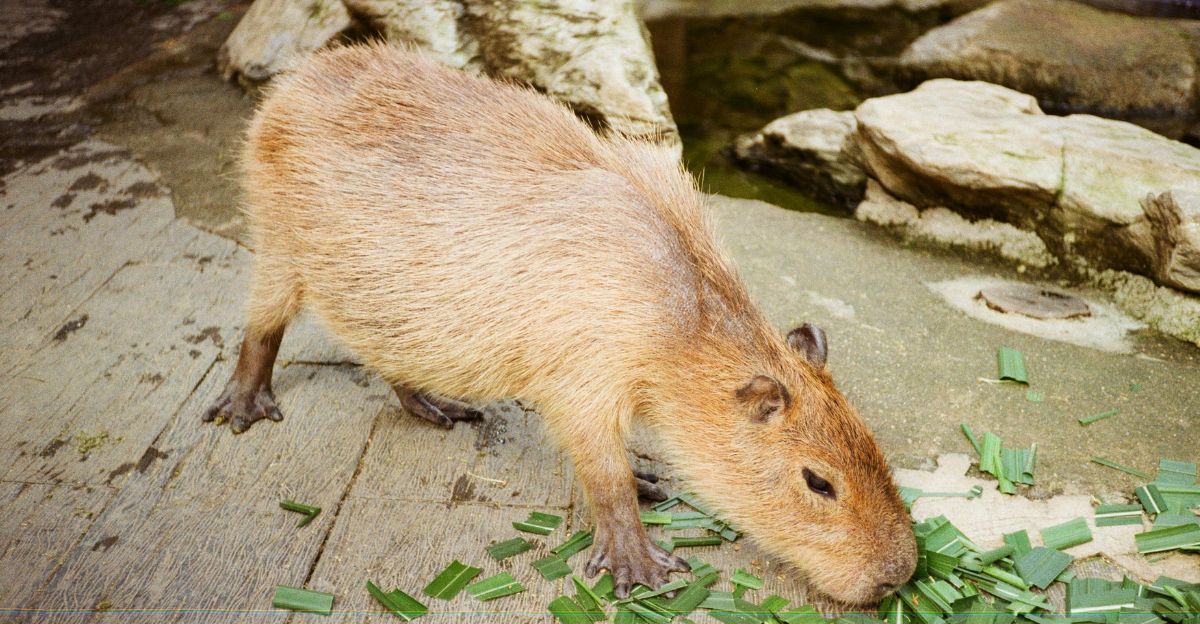
Feeding wild animals might seem generous, but it’s one of the cruelest acts committed in parks. Visitors can’t resist tossing snacks to squirrels, chipmunks, or even bears, believing it helps them.
In reality, this behavior turns animals into beggars. It erodes their natural instincts and sets them on a collision course with danger when people stop feeding them.
Reliant on Human Food
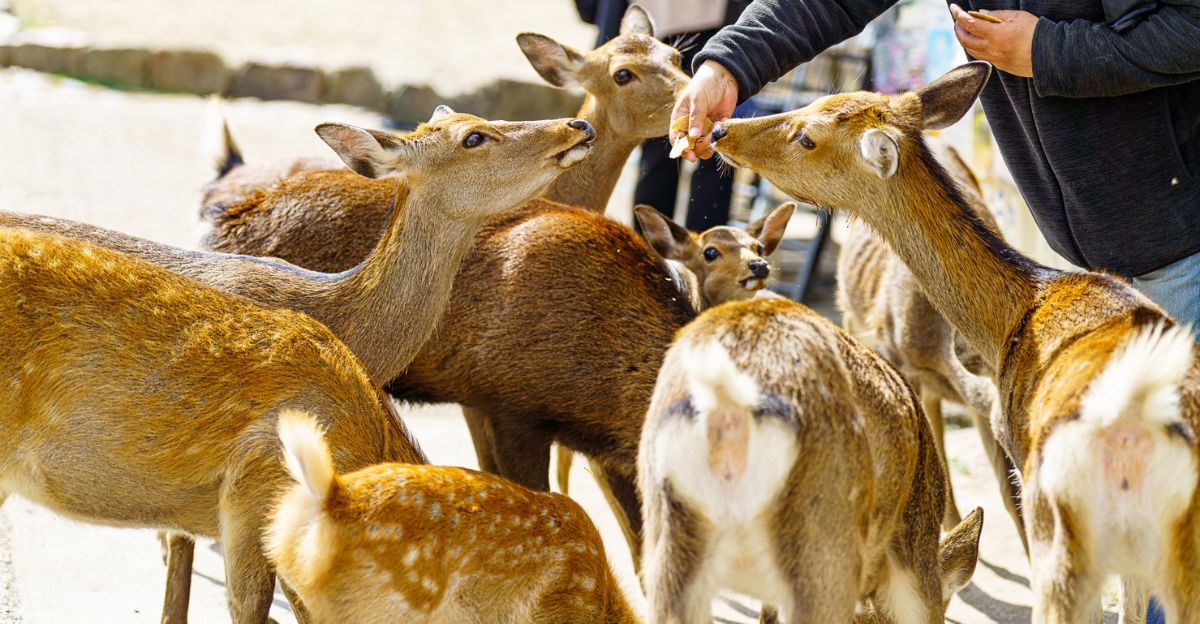
When animals become reliant on human food, they lose their natural foraging skills, which eventually leads to starvation or aggression. In many cases, rangers are forced to euthanize animals that pose threats to people because they’ve lost fear of humans.
All because someone thought it would be “cute” to share chips. Feeding wildlife is a death sentence disguised as kindness.
3. Graffiti
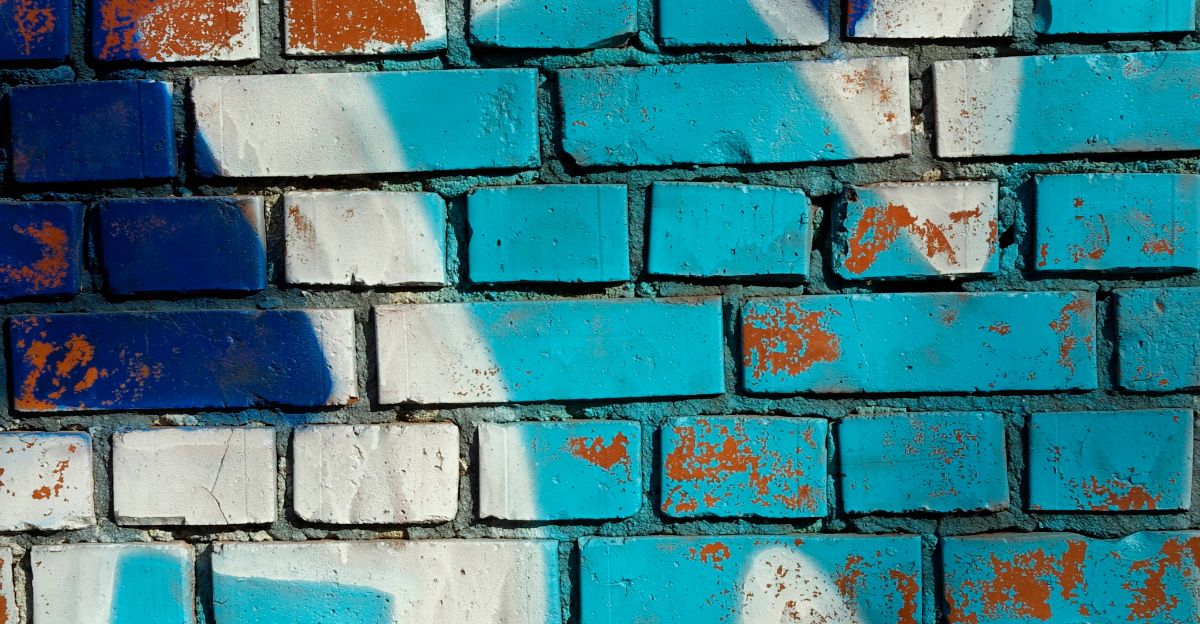
Graffiti and carvings are another disturbing trend that you will find in America’s parks. Names, initials, and even entire phrases pop up across sandstone walls and historic cliffs.
These acts of vandalism are often filmed for TikTok or Instagram videos. What used to be sacred natural formations are increasingly transformed into canvases for self-expression, leaving scars that sometimes cannot be reversed.
Removing Graffiti
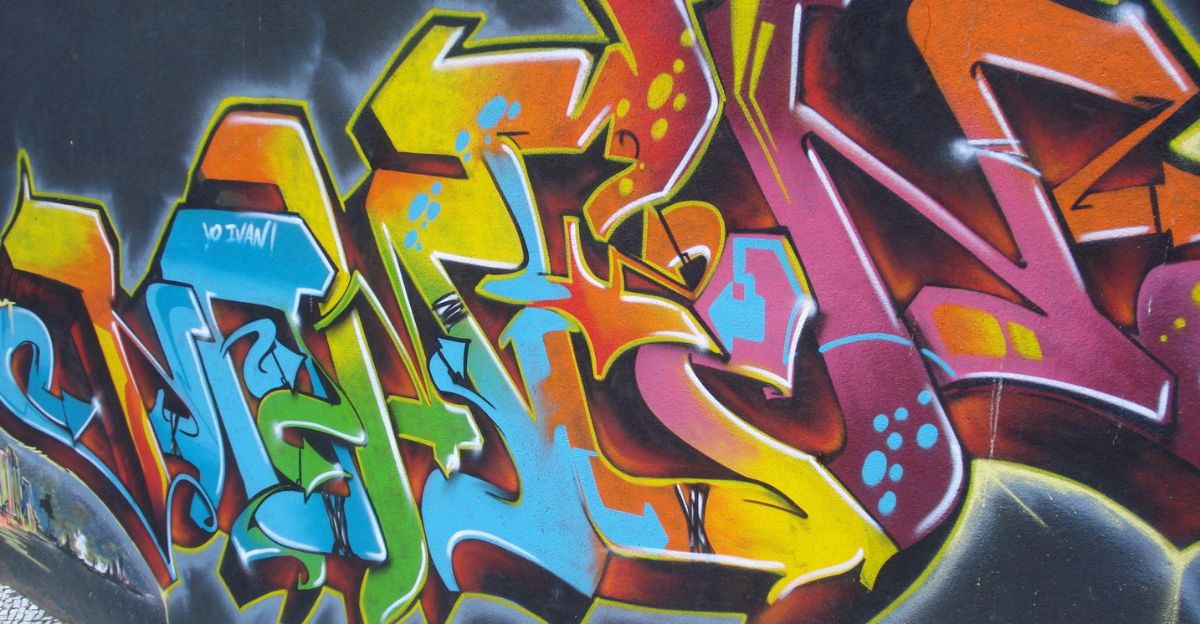
Erasing graffiti from fragile, centuries-old surfaces is expensive, time-consuming, and sometimes impossible. For example, carvings at Utah’s Arches National Park have remained permanently visible even after attempts at removing them.
What might feel like a harmless “personal mark” actually disrespects cultural heritage, damages ecosystems, and ruins the chance for future visitors to see pristine nature in its purest form.
4. Going Off-Trail
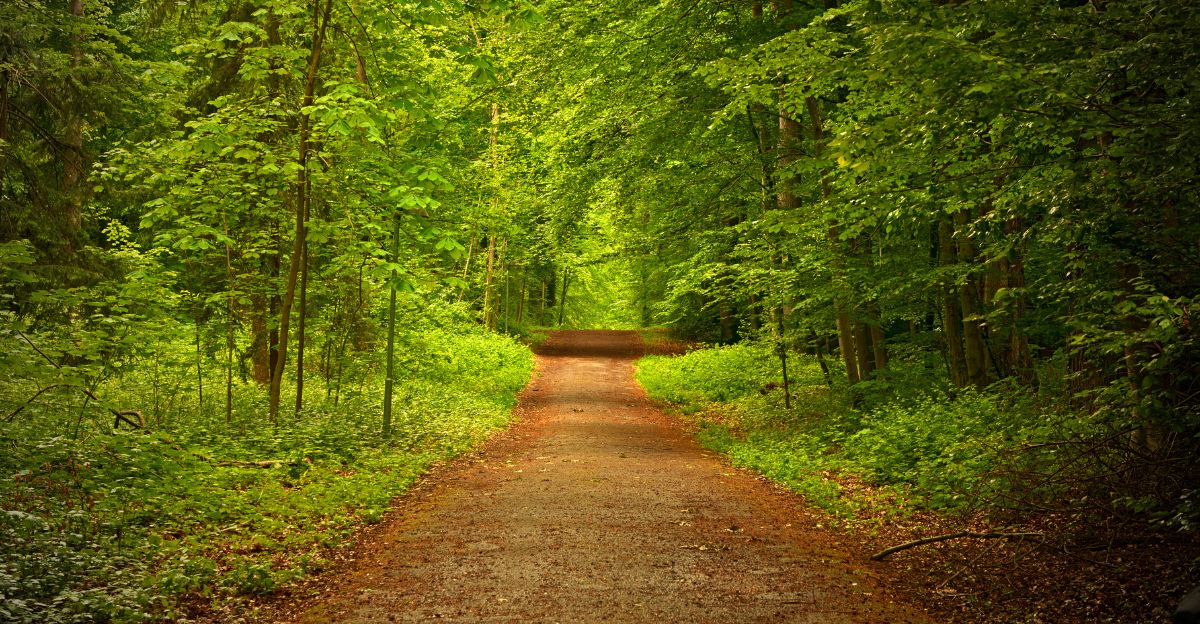
Going off-trail is another recurring offense. Many visitors are tempted to veer off the designated paths to “explore” or take a unique picture. While it may feel harmless, these small detours have a huge environmental impact.
Trails exist for a reason, but foot traffic continues to trample delicate ecosystems, destroying rare plants and leaving long-lasting damage.
Destroying Natural Growth

Even one pair of feet repeatedly cutting through grasslands or desert crust can unravel hundreds of years of natural growth. Soil erosion, destroyed habitats, and the spread of invasive species often follow when humans abandon trails.
What’s even worse is that straying from paths endangers hikers themselves, sometimes resulting in rescues or fatalities.
5. Ignoring Safety Barriers
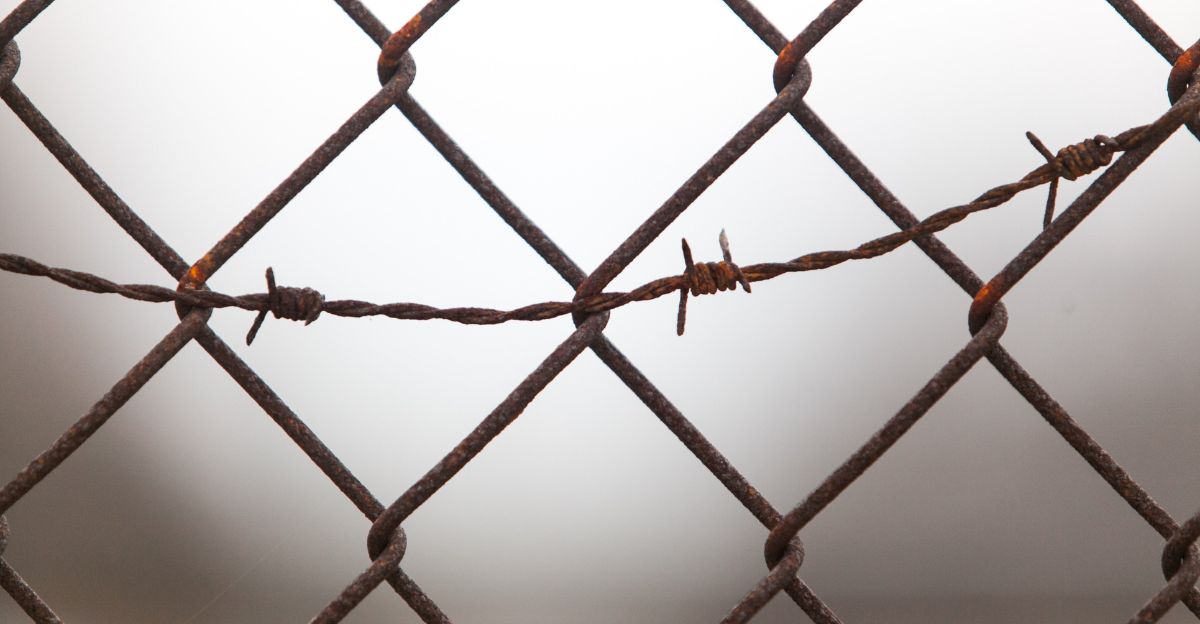
Ignoring safety barriers has become a dangerous trend in national parks. Whether you’re leaning over fences for photos or sneaking under ropes near geysers, visitors regularly put curiosity above survival.
These barriers aren’t there to spoil your fun but to protect your life. However, almost yearly, stories surface of tourists suffering devastating injuries from accidents that rules were meant to prevent.
The Dangers
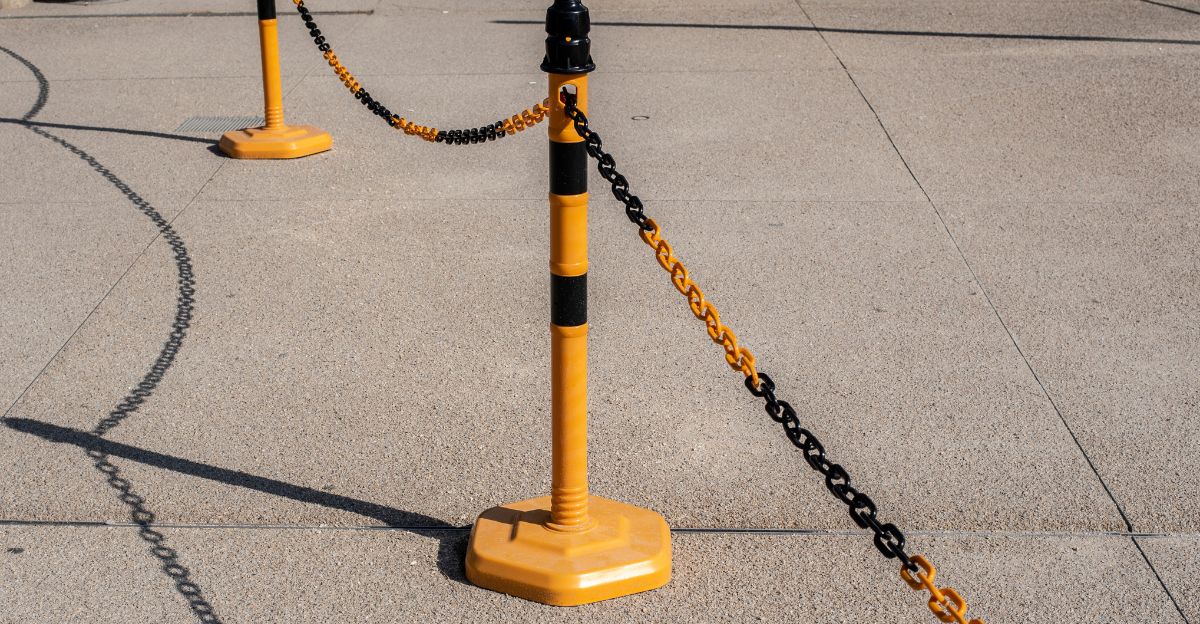
Tourists in Yellowstone have fallen into boiling hot springs by stepping off boardwalks. Others in the Grand Canyon have slipped past safety rails and fallen to their deaths.
The tragedy is that each one of these cases was preventable. Rules might seem restrictive, but they exist because nature is often unforgiving to people who underestimate the risks.
6. Using Drones
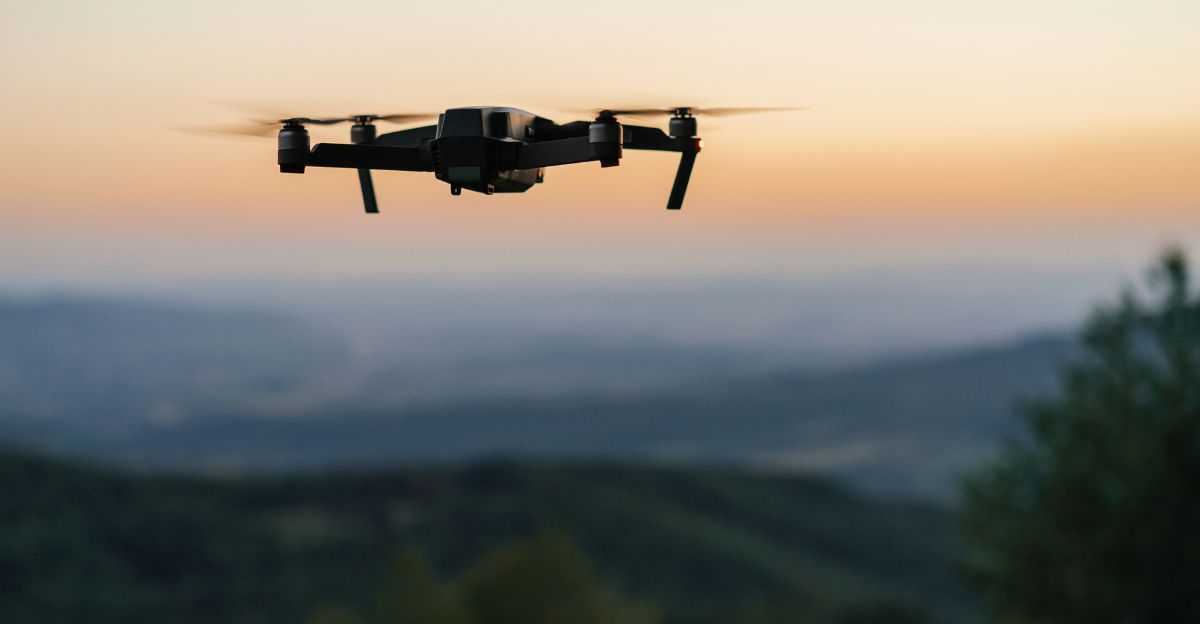
Drones have become another escalating nuisance in national parks. Although they are banned in most areas, visitors keep launching them for aerial footage.
While the buzzing may seem harmless, drones intrude on the serenity these parks are meant to preserve. What’s worse is that they interfere with wildlife, creating stress for nesting birds, spooking large animals, and disrupting ecosystems in subtle but dangerous ways.
Incidents
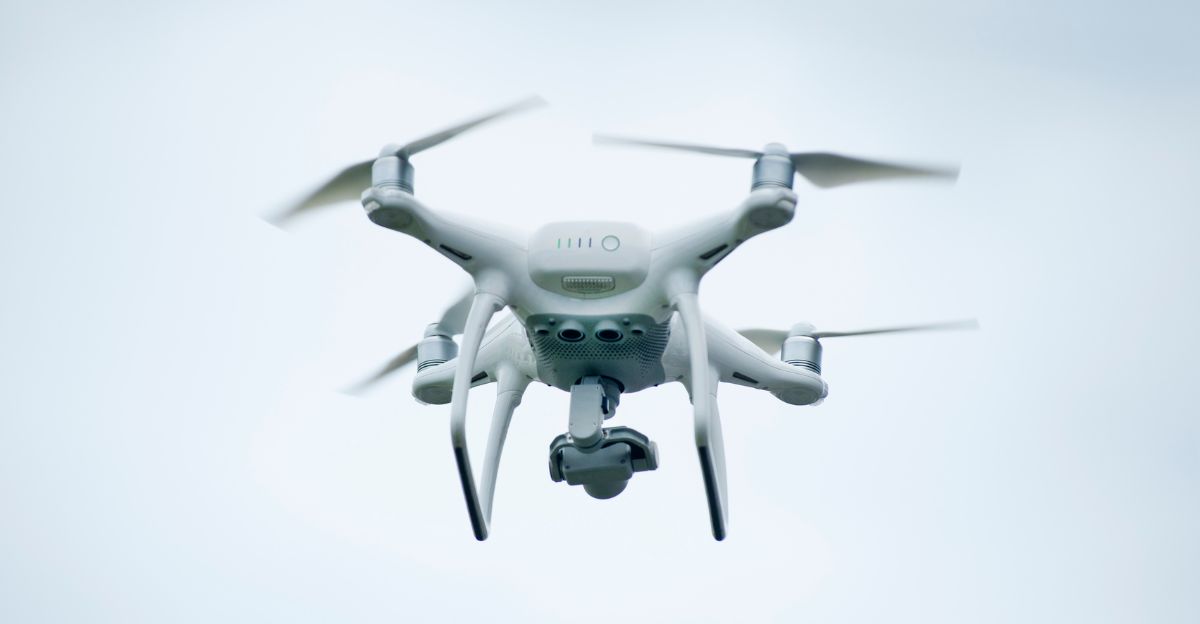
Some incidents include drones crashing into lakes, rivers, or even striking cliff faces, scattering debris across sensitive areas. In Yellowstone, a drone crashed into a hot spring, creating serious risk of contamination.
For other visitors, the sound alone ruins the experience of solitude. Parks outlaw drones for clear reasons: preservation, safety, and respect for wildlife and human visitors.
7. Overcrowding
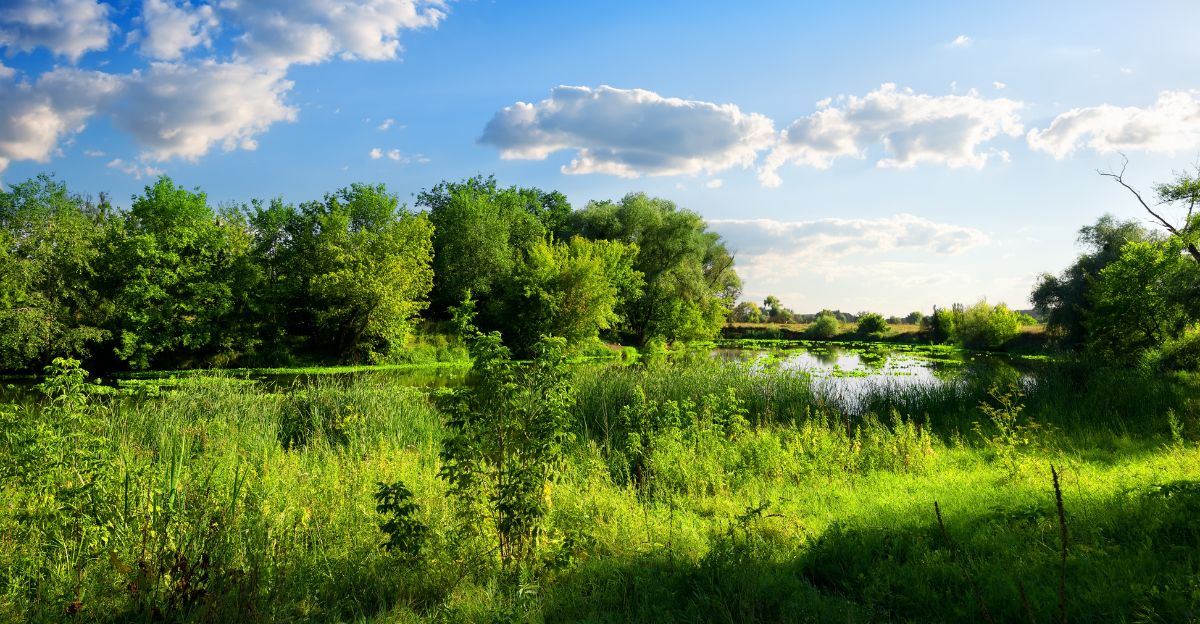
The drive for Instagram-worthy photos has fueled overcrowding in many national parks across America. Famous spots like Yosemite’s Tunnel View or Arizona’s Horseshoe Bend are often crammed with visitors fighting for the exact same selfie.
What’s intended to be a moment of personal awe turns into chaotic crowd scenes, stripping these places of the tranquility that once made them iconic.
Media-Fueled Obsession
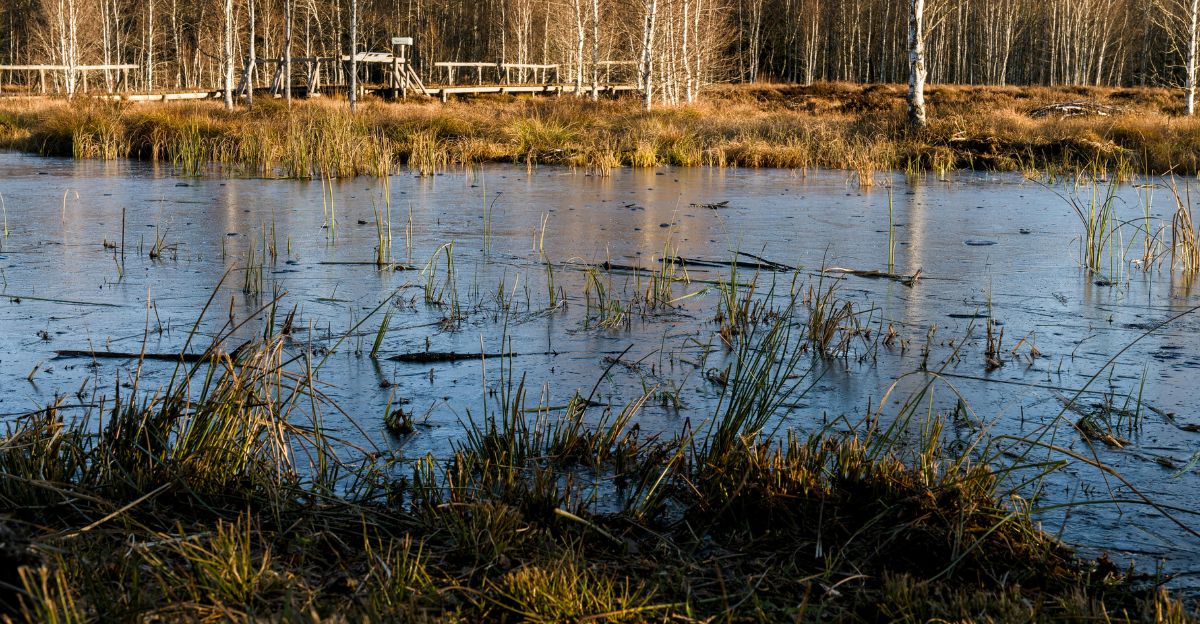
This social media-fueled obsession not only disrupts experiences but also creates safety hazards. Massive crowds on cliffs or overlooks increase the risk of accidents happening, while fragile landscapes struggle under the sudden surge of visitors.
Ironically, as viral photos attract more people, the actual magic of the spot quickly disappears.
8. Trash
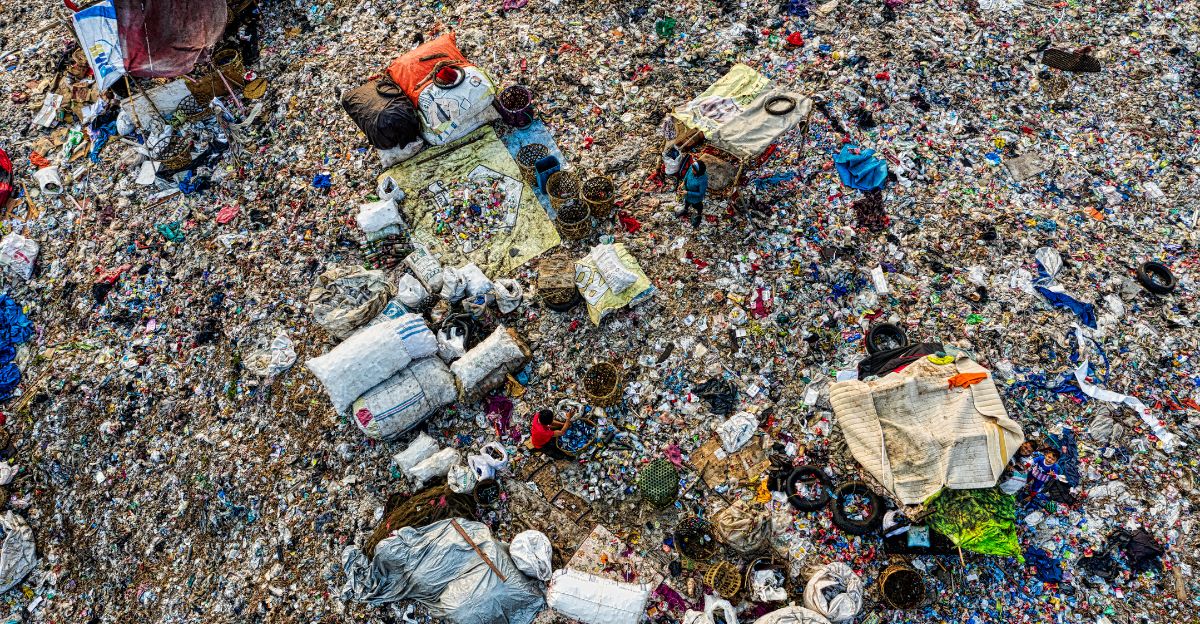
Trash has become one of the most universal and damaging problems across all national parks. Tourists leave behind plastic bottles, wrappers, or half-eaten food, often under the excuse of “just one item won’t matter.”
But it does matter. Even organic waste like banana peels can take years to break down, and leftover food attracts wildlife that shouldn’t be eating it.
Risk of Wildfires
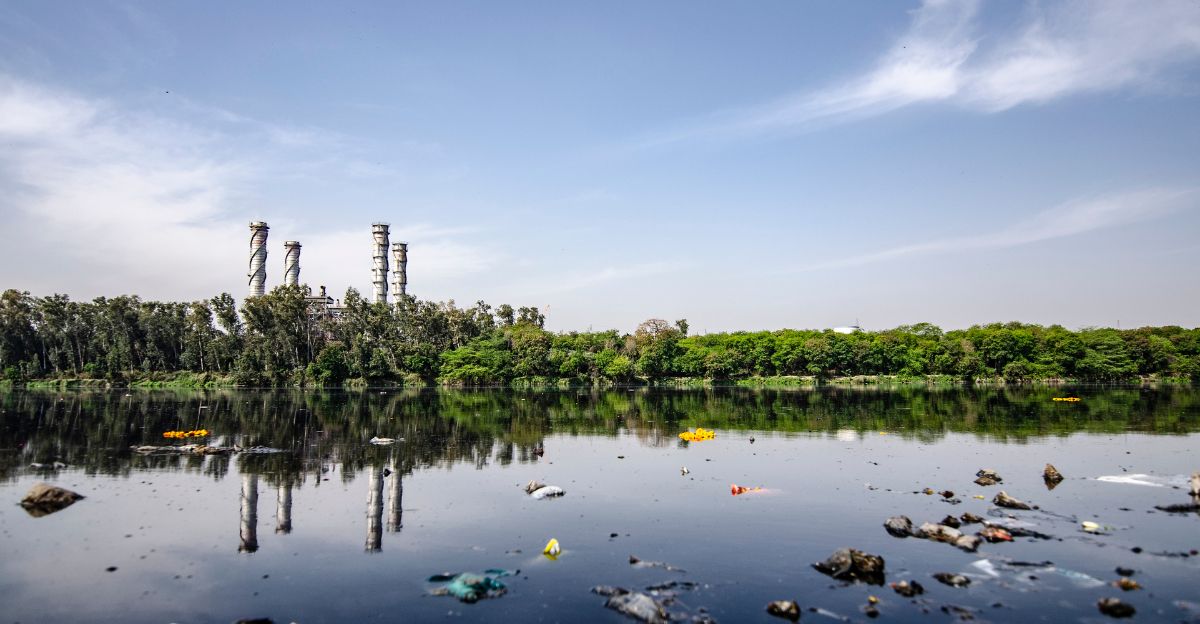
Abandoned trash also increases the risk of wildfires, some of which start from something as carelessly tossed as a cigarette butt.
Beyond destruction, litter cheapens the experience for other visitors, who come looking for untouched beauty and instead find overflowing bins and scattered debris.
9. The Rule
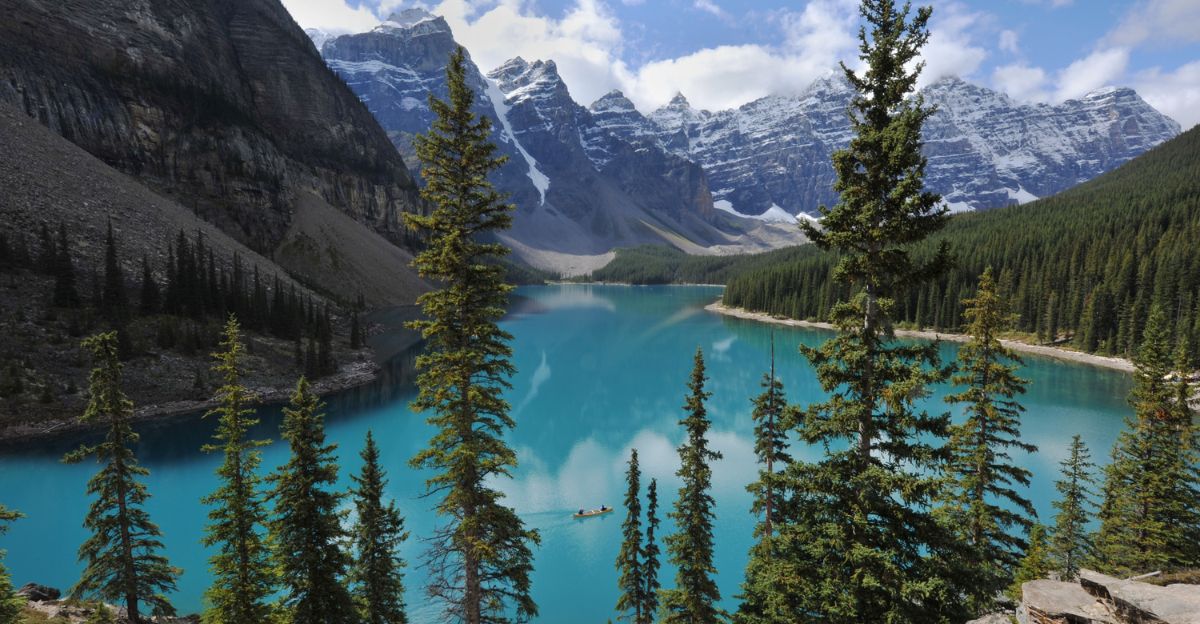
“Take only pictures, leave only footprints” is the rule tourists should live by. Instead, many harass animals, pocket unique rocks, pluck wildflowers, or chase endangered species just for photos.
While these acts might feel small in isolation, when they are repeated millions of times each year, they have devastating cumulative effects on ecosystems and cultural landmarks, stripping protected areas of their uniqueness.
Small Actions Have Big Effects
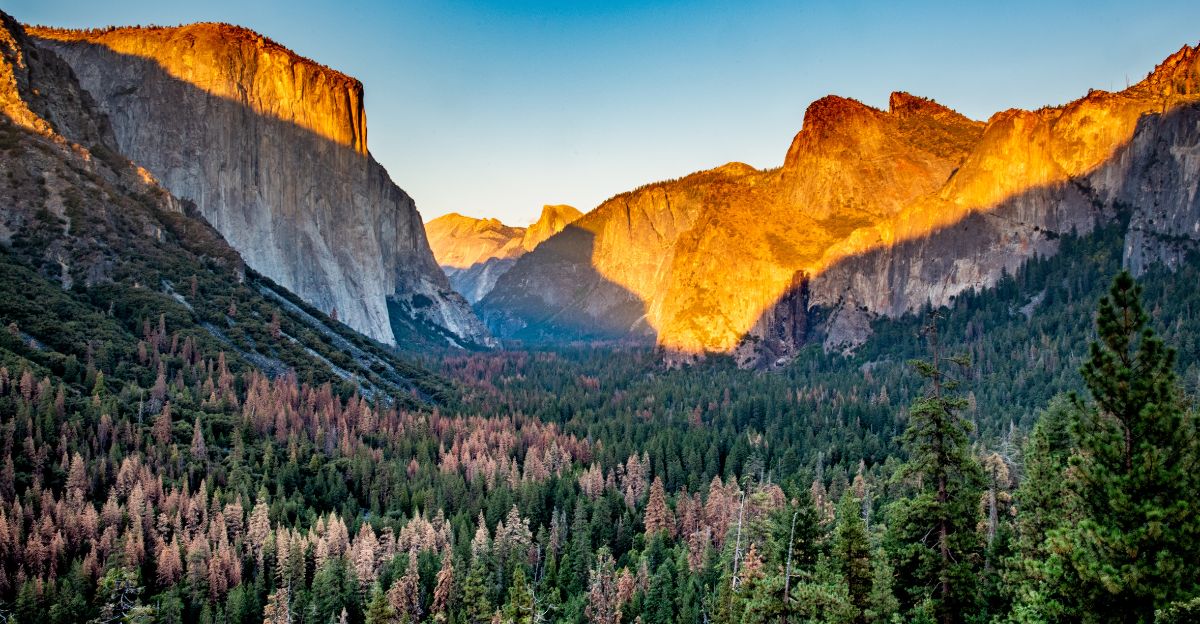
Stealing stones weakens riverbeds, flower-picking ruins pollination cycles, and animal harassment contributes to stress that affects entire populations.
These careless acts erase the very wonders people pay to see. National parks survive only when visitors recognize that they’re guests, not owners.