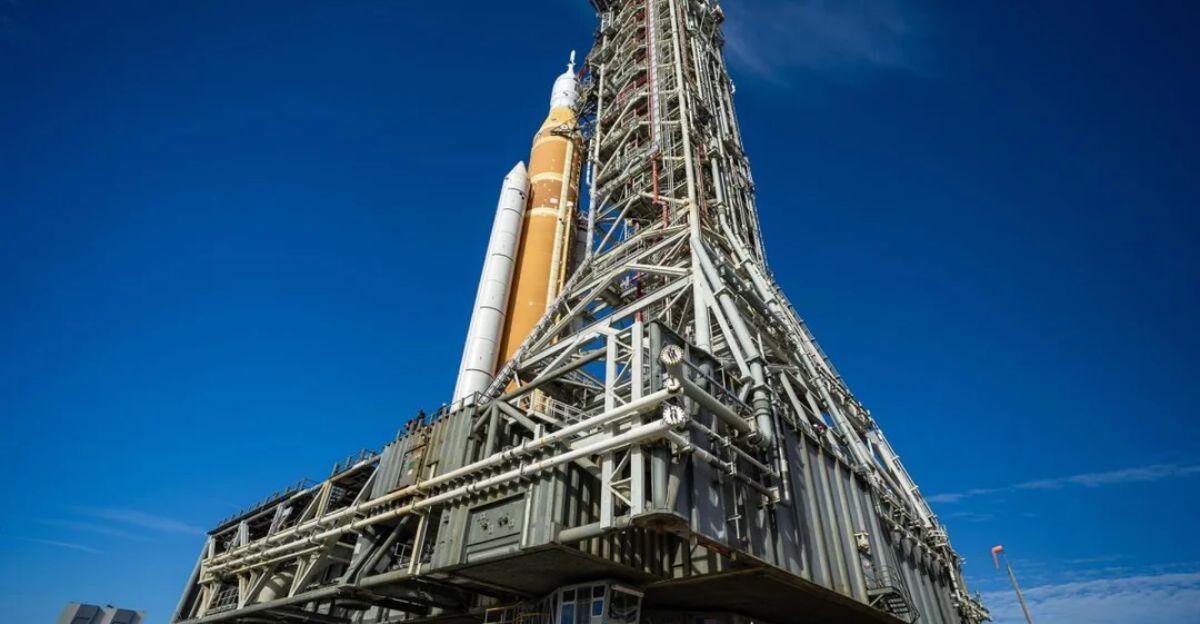
Last Saturday, NASA’s Space Launch System rocket and Orion spacecraft arrived at Kennedy Space Center’s Launch Complex 39B after a nearly 12-hour journey, marking a pivotal moment for humanity’s return to deep space. For the first time in 54 years, a crewed mission is poised to orbit the Moon, carrying 3 American astronauts and 1 Canadian, and the weeks ahead will decide if February holds.
A 54-Year Wait Nears Its End
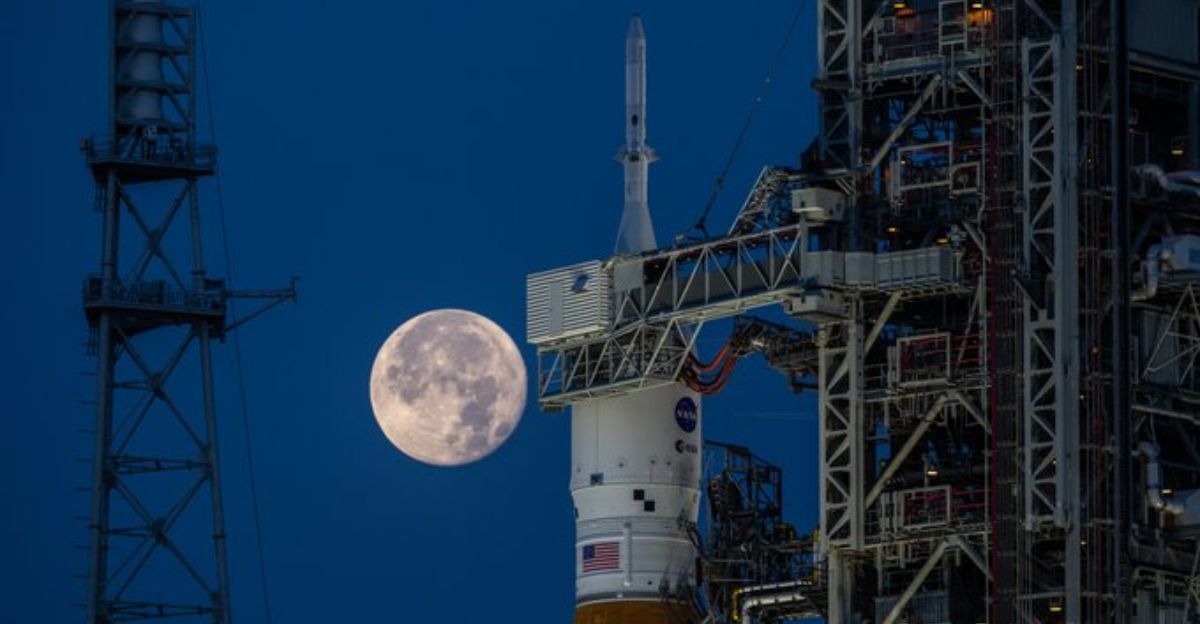
After 54 years without humans orbiting the Moon, NASA’s Artemis II mission stands ready. The Space Launch System rocket, topped with the Orion spacecraft, reached Launch Pad 39B last Saturday at 6:42 p.m. EST. Apollo 17 flew in December 1972. This milestone caps decades of planning and engineering, but readiness still depends on what follows.
The Slowest 4 Miles That Matter
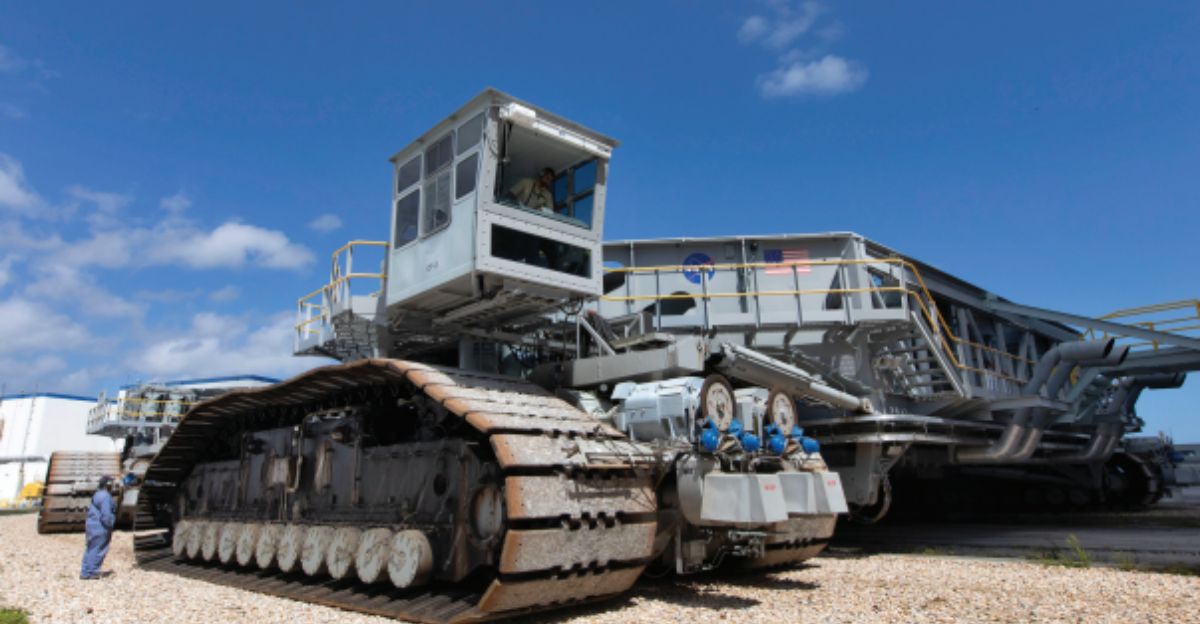
NASA’s crawler-transporter 2 inched forward at a maximum speed of 0.82 mph, taking nearly 12 hours to cover 4 miles. The vehicle carried 5.75 million pounds from the Vehicle Assembly Building to Pad 39B. Every foot required meticulous coordination among hundreds. The cautious pace protects hardware worth billions, and the crew waiting on it adds urgency.
4 Astronauts Set For A First
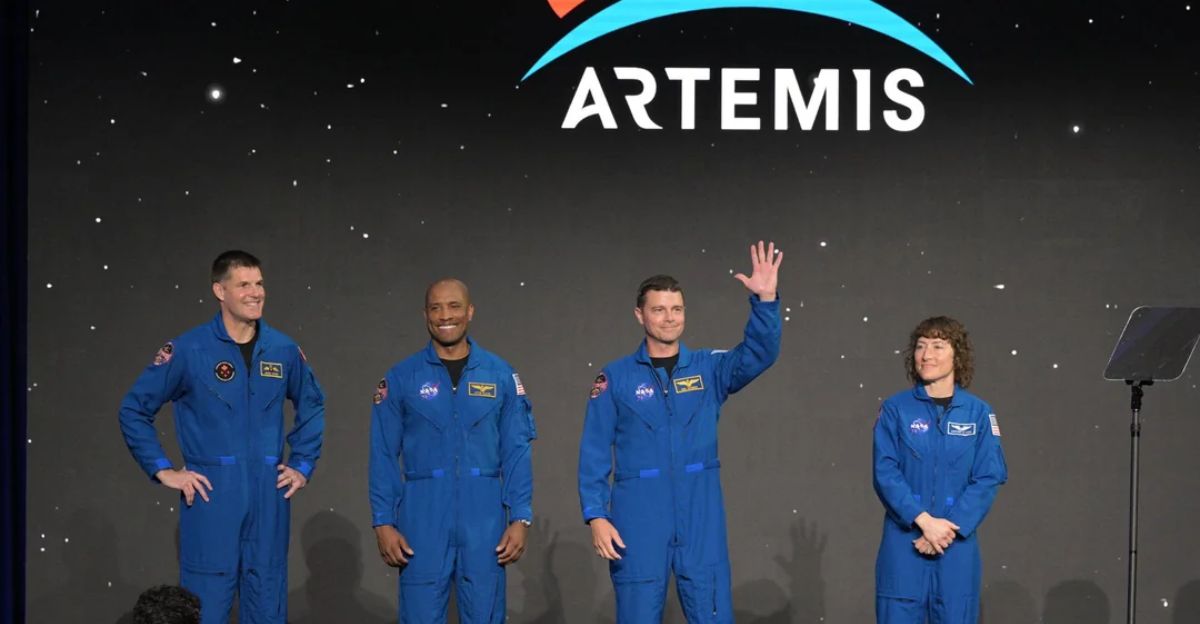
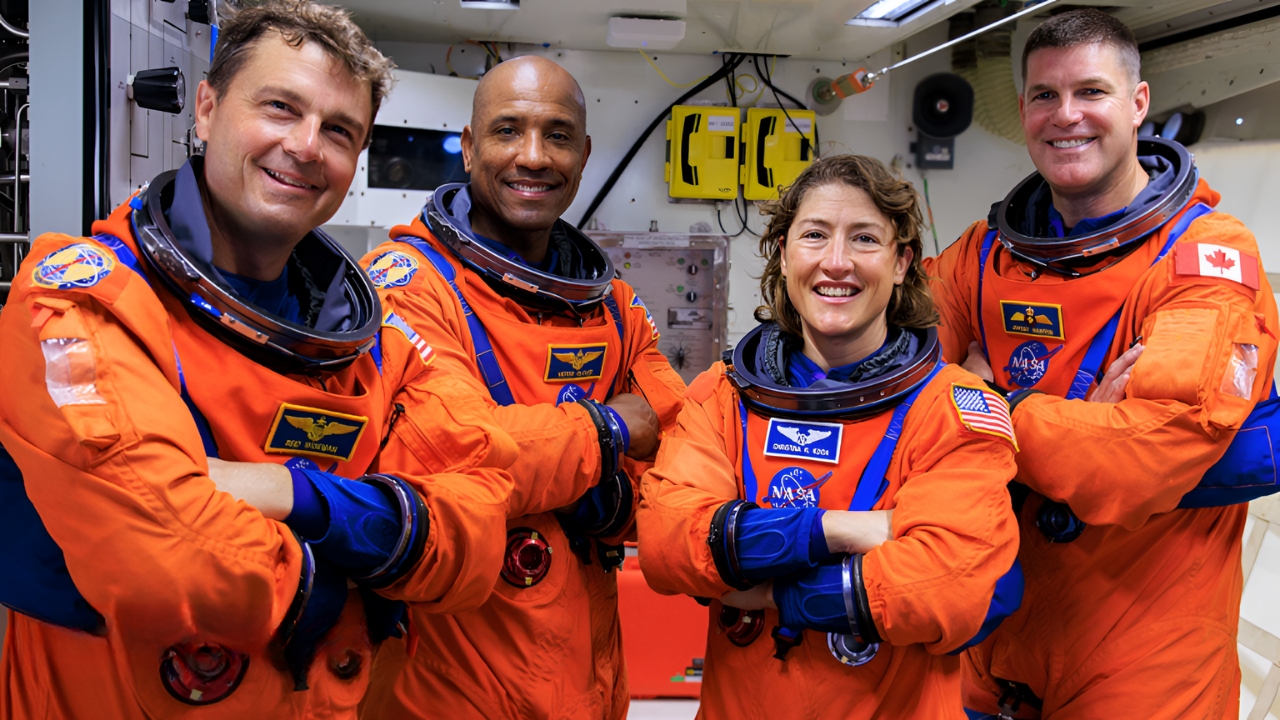
Reid Wiseman commands, Victor Glover serves as pilot, and Christina Koch is mission specialist. Canadian Space Agency astronaut Jeremy Hansen completes the 4-person crew, a historic first for Canada. Wiseman becomes the first lunar mission commander since Gene Cernan. Glover will be the first Black astronaut beyond low Earth orbit, and that changes expectations.
Christina Koch’s Record-Setting Path
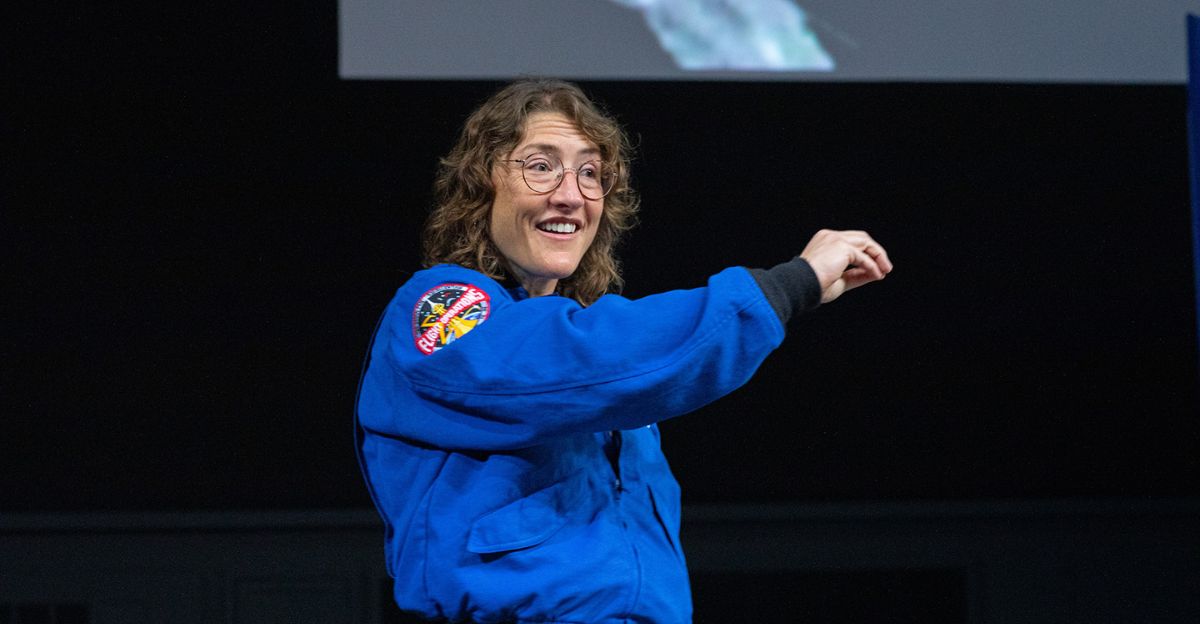
Christina Koch will become the first woman to travel to and around the Moon. The North Carolina native earned degrees in physics and electrical engineering at NC State University. She worked as a Goddard Space Flight Center electrical engineer and served in Antarctica and Greenland. Koch spent 328 consecutive days in space on the ISS, and that endurance will be tested again.
Victor Glover’s Barrier-Breaking Role
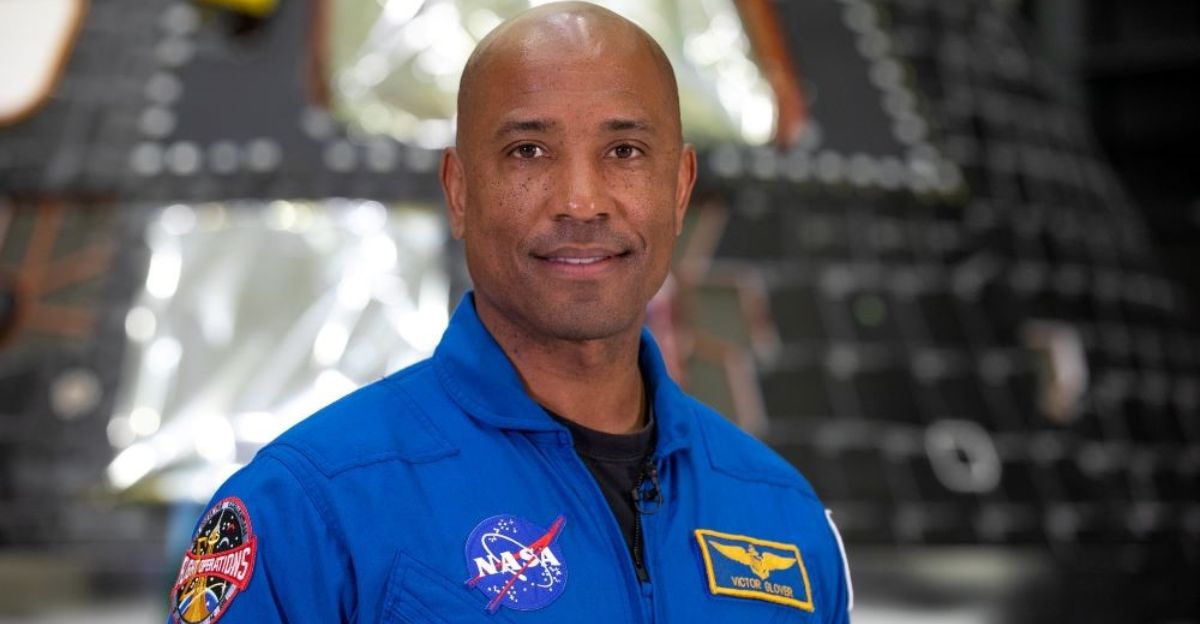
Victor Glover’s Artemis II assignment makes him the first Black astronaut to pilot a mission beyond Earth’s orbit. The California native graduated from Cal Poly and served as a naval test pilot. His 2020 Crew-1 mission lasted 167 days and included 4 spacewalks. His flight discipline matters most when timelines tighten, and they soon will.
Jeremy Hansen Steps Into History
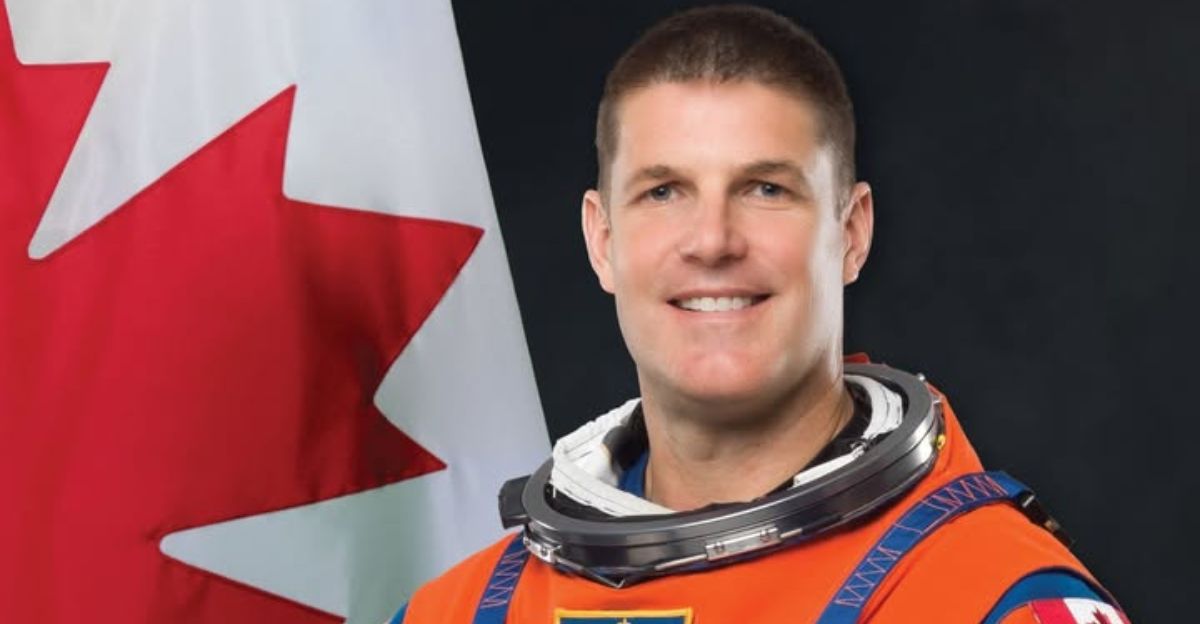
Jeremy Hansen, born in London, Ontario, becomes the first Canadian to journey to the Moon. A Royal Canadian Air Force colonel and physicist, he has trained as an aquanaut and cave explorer. Hansen holds a Master of Science degree in physics from the Royal Military College of Canada. His seat signals partnership, but how deep does it go?
Reid Wiseman Carries Apollo’s Baton
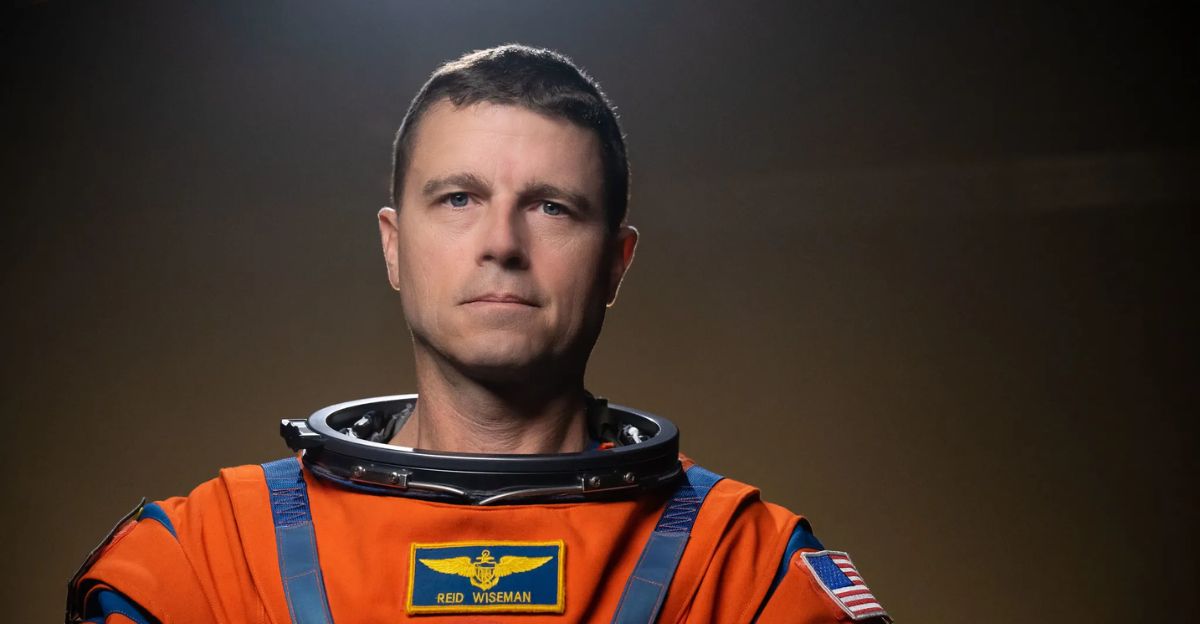
Reid Wiseman, the Baltimore native leading Artemis II, earned degrees from Rensselaer Polytechnic Institute and Johns Hopkins University. A naval aviator with 3,000+ flight hours and 24 combat missions, he flew to the ISS in 2014 for Expedition 40/41. He also commanded NEEMO21 underwater. His next decisions hinge on the rocket itself.
SLS Brings Raw Power Back
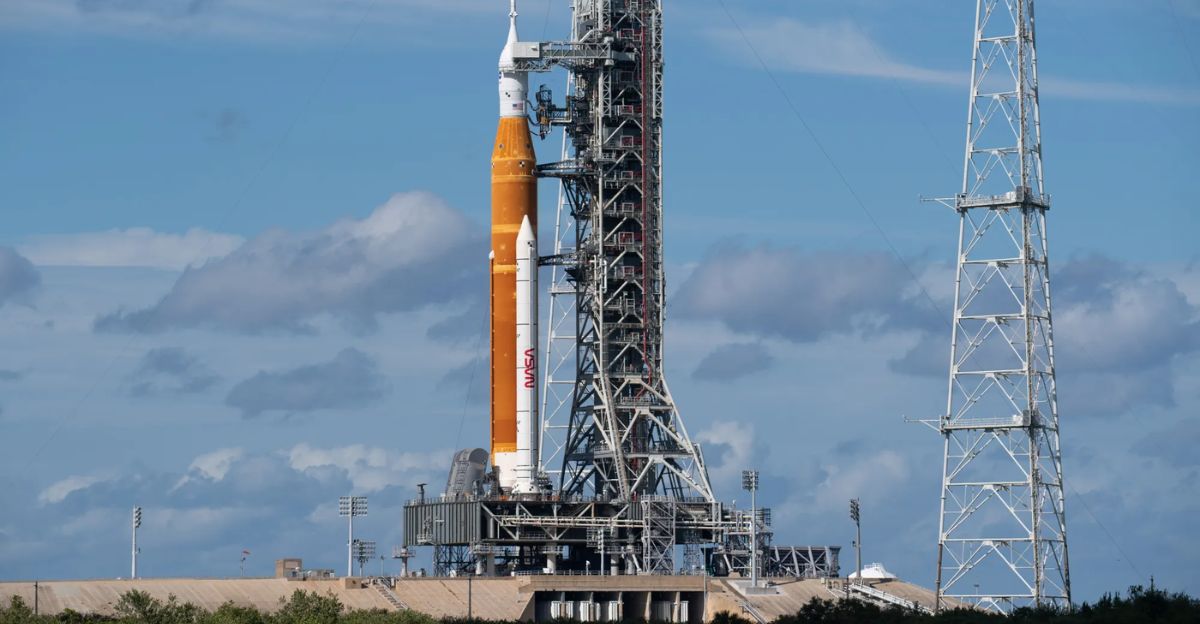
NASA’s Space Launch System generates 8.8 million pounds of thrust at liftoff, 15% more powerful than Saturn V. The 322-foot rocket uses 4 RS-25 engines, each producing 513,000 pounds of thrust, plus twin 5-segment solid boosters. Development cost about $23.8 billion through 2022. That power is useless without Orion’s reliability.
Orion’s Tech Leap From Apollo Days
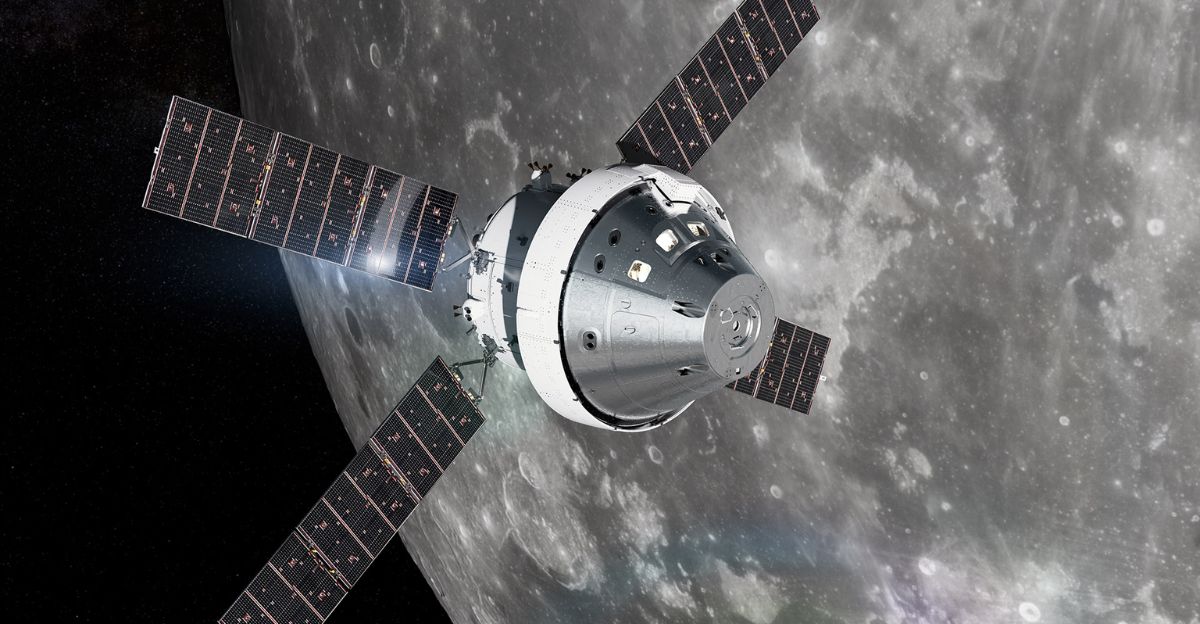
Orion, built by Lockheed Martin, reflects 2 decades of development and testing to carry crews deep into space. Its 316-cubic-foot habitable volume fits 4 astronauts, compared with Apollo’s 210 cubic feet for 3. Dual redundant flight computers run with backups, creating 4 independent layers. Faster avionics boost safety, but what did Artemis I reveal?
Fixing The Problems Artemis I Exposed
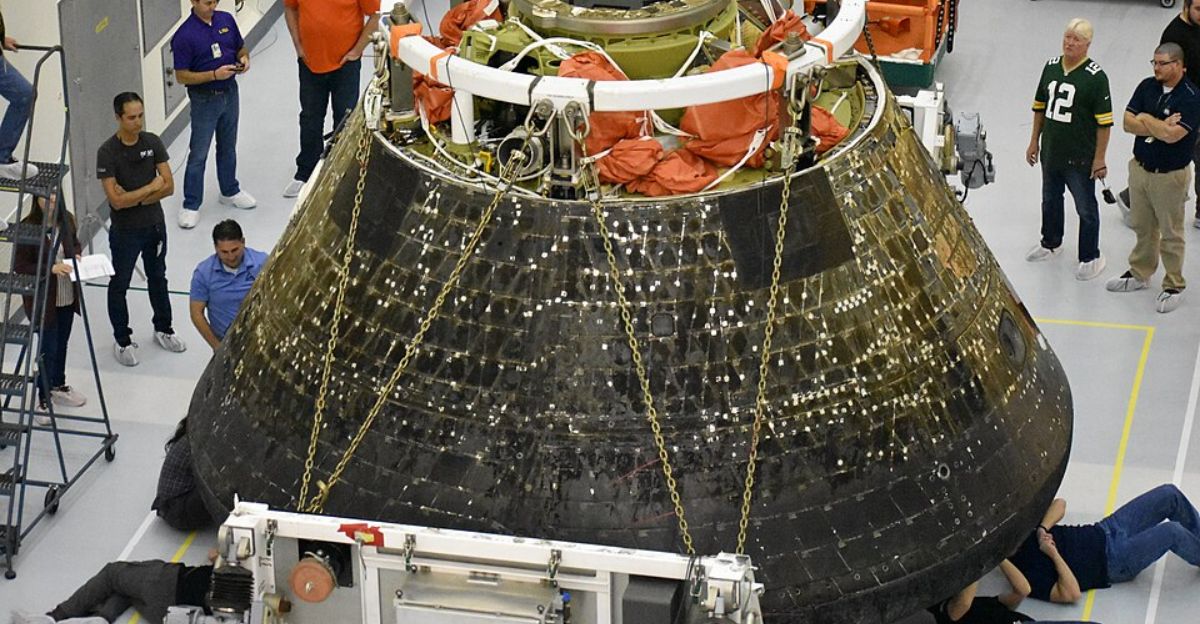
Artemis I in 2022 surfaced issues engineers have worked to resolve. Unexpected erosion of Orion’s heat shield protective material led to design modifications for Artemis II. Hydrogen fuel-loading problems during wet dress rehearsals drove refined procedures and hardware changes. Qualification testing found circuitry defects needing repairs. Jared Isaacman said January 16, 2026, “We’re tracking accordingly and maintaining crew safety as our top priority,” yet schedules still face pressure.
The Wet Dress Rehearsal Pressure Test
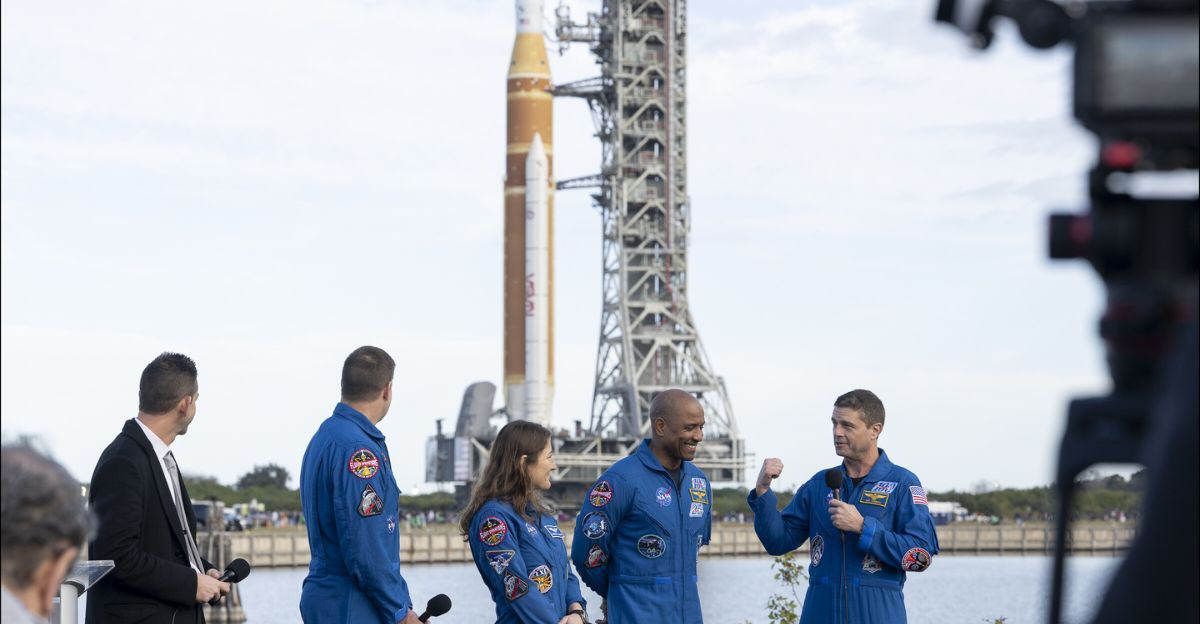
NASA targets no later than February 2 for the wet dress rehearsal, a full fueling test and countdown simulation. Teams will load over 700,000 gallons of cryogenic propellants and rehearse hold points and abort scenarios. Data will determine readiness for launch attempts. Technicians have connected purge lines, communications systems, and the crew access arm. But will the calendar cooperate?
Launch Windows Are Narrow By Design
The earliest launch opportunity is February 6, 2026, with additional windows February 7, 8, 10, and 11. If needed, NASA has reserved early March and April chances. Timing is constrained by the figure-eight trajectory and Earth-Moon geometry, plus checkout needs in high Earth orbit. Jared Isaacman said January 16, 2026, “we have zero intention of communicating an actual launch date until we get through wet dress,” and that caution signals stakes.
Artemis I Proved The Concept Works
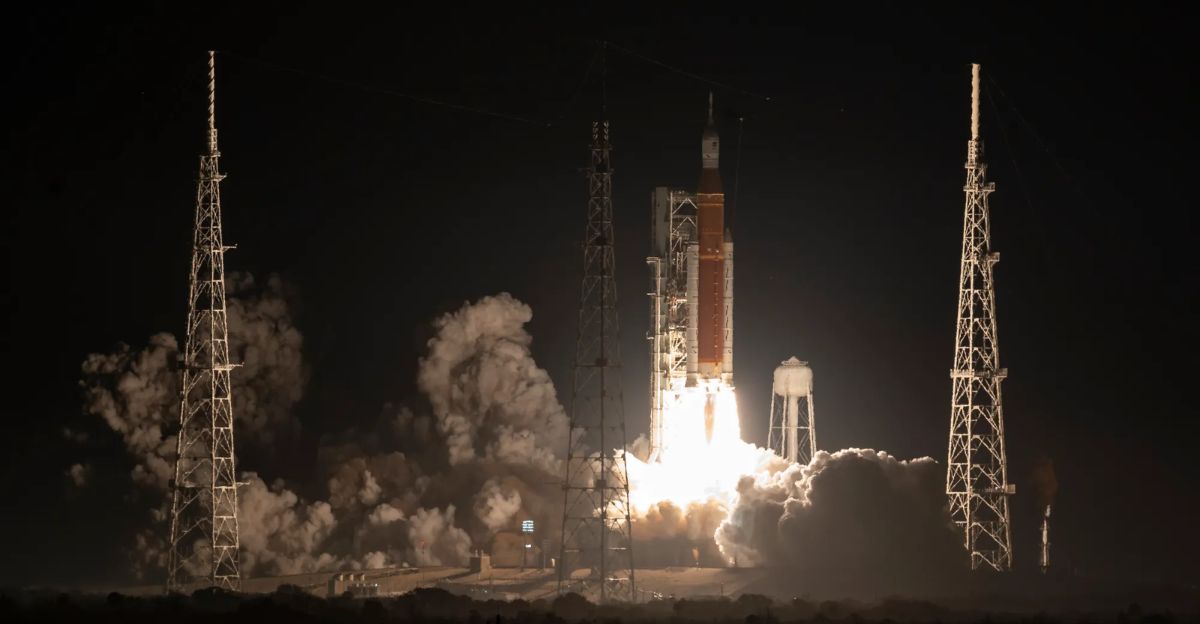
Artemis I launched in November 2022 and sent Orion 40,000 miles beyond the Moon on a 25.5-day mission. The flight validated SLS performance, heat shield design, and operations. NASA said SLS met parameters to within tenths of a percent. Orion survived deep-space radiation and lunar reentry demands. Yet success also highlighted what required refinement for humans.
A 10-Day Trip Around The Moon
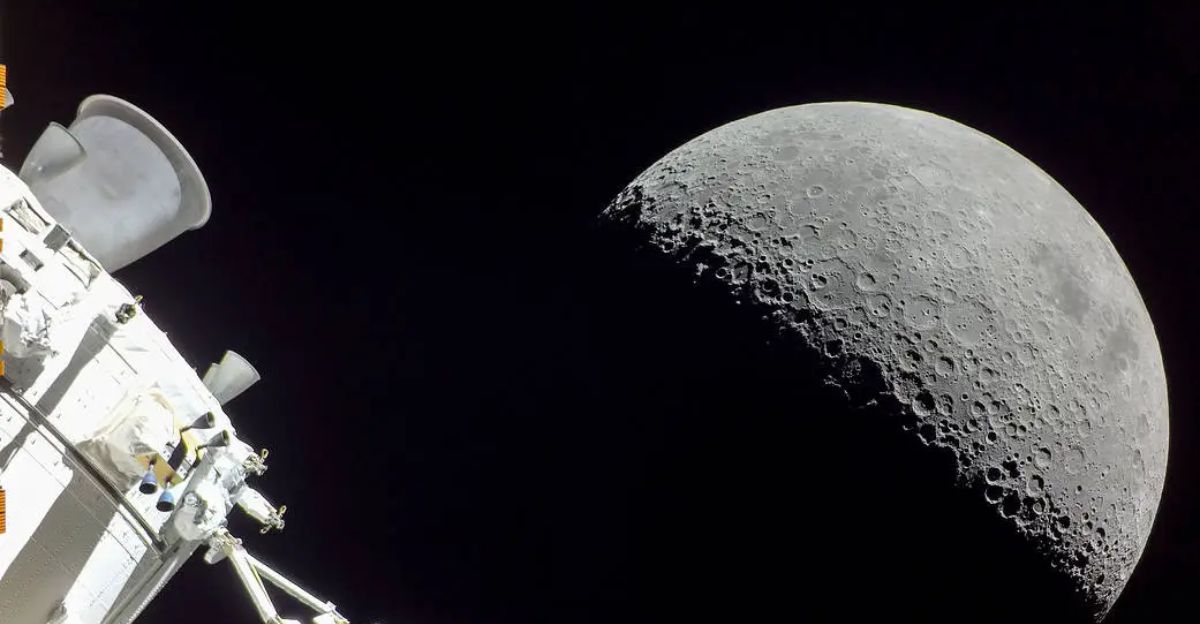
Artemis II is planned as a 10-day voyage around the Moon and back. The crew will fly within 4,000 to 6,000 miles of the far side, viewing terrain no human has seen directly. They will photograph the far side and gather deep-space systems data. Reentry could reach about 25,000 mph, raising a simple question: can the heat shield deliver under record speeds?
Reentry Will Push The Heat Shield
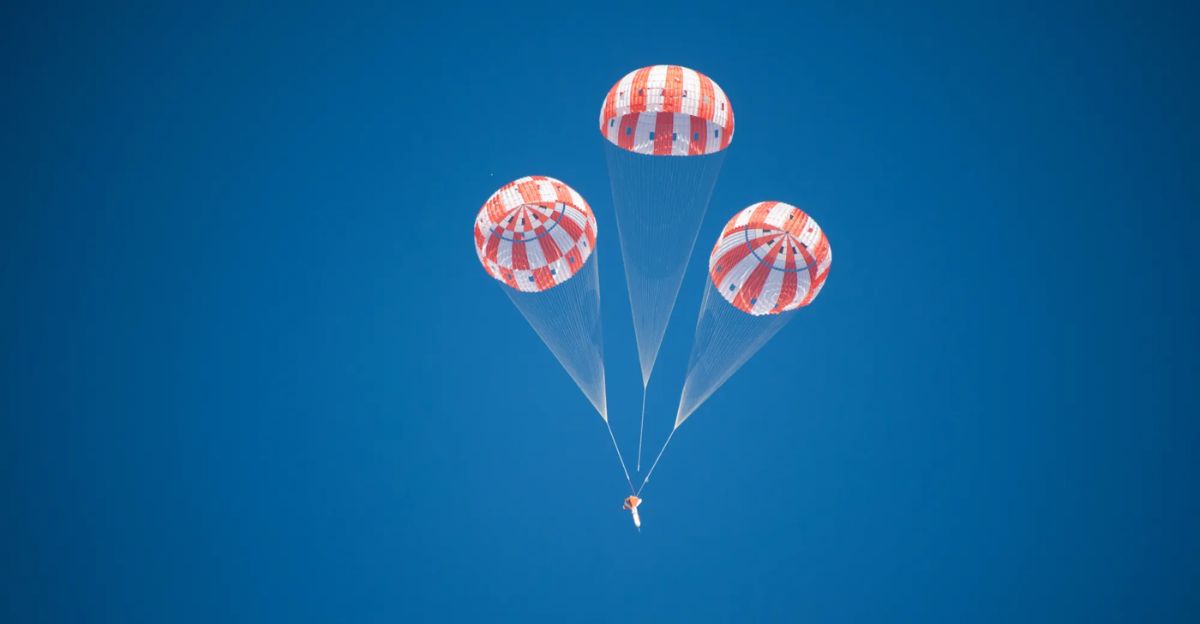
Orion may reenter at up to 25,000 mph, potentially topping Apollo 10’s 24,791 mph record from 1969. That velocity will stress the Avcoat ablative heat shield against temperatures near 5,000 degrees Fahrenheit. Splashdown is planned in the Pacific off San Diego, with Navy divers and recovery ships ready within 2 hours. Parachutes should slow Orion to about 17 mph, but every margin will be watched closely.
The Price Tag Behind The Promise
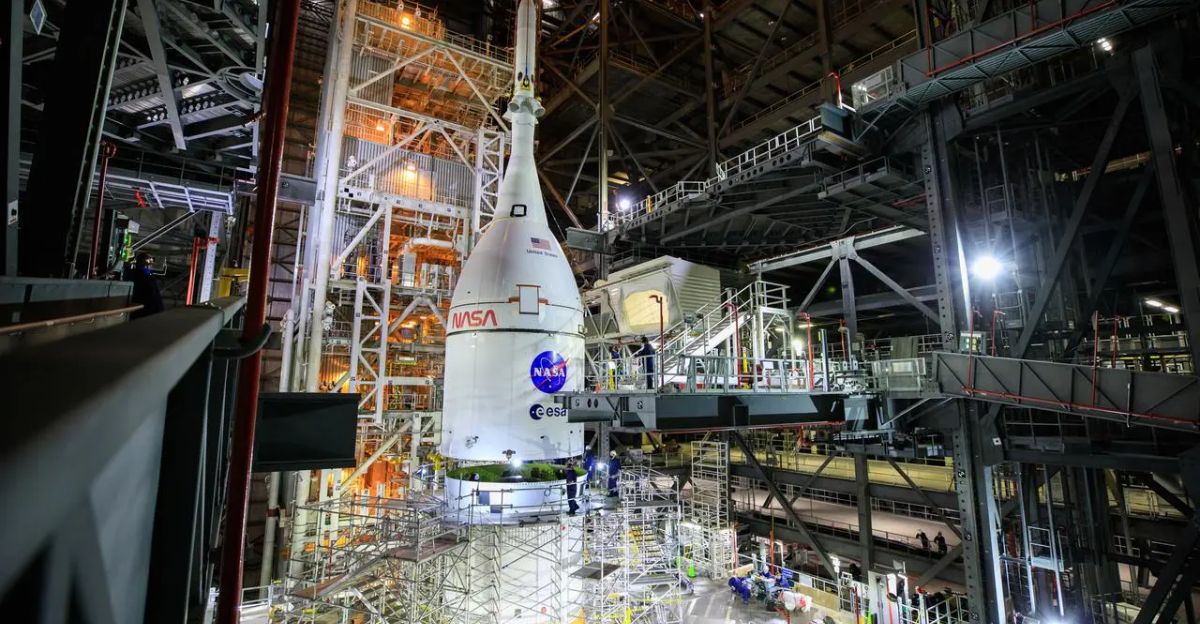
NASA has invested about $93 billion in Artemis through 2025, according to the Office of Inspector General. SLS launches are about $4.1 billion each, and SLS development reached $23.8 billion through its 2022 flight. Orion development totals $20.4 billion since 2006, plus $5.7 billion in ground upgrades. These figures drive debate, and the future plan raises bigger questions.
Artemis III Aims For The South Pole
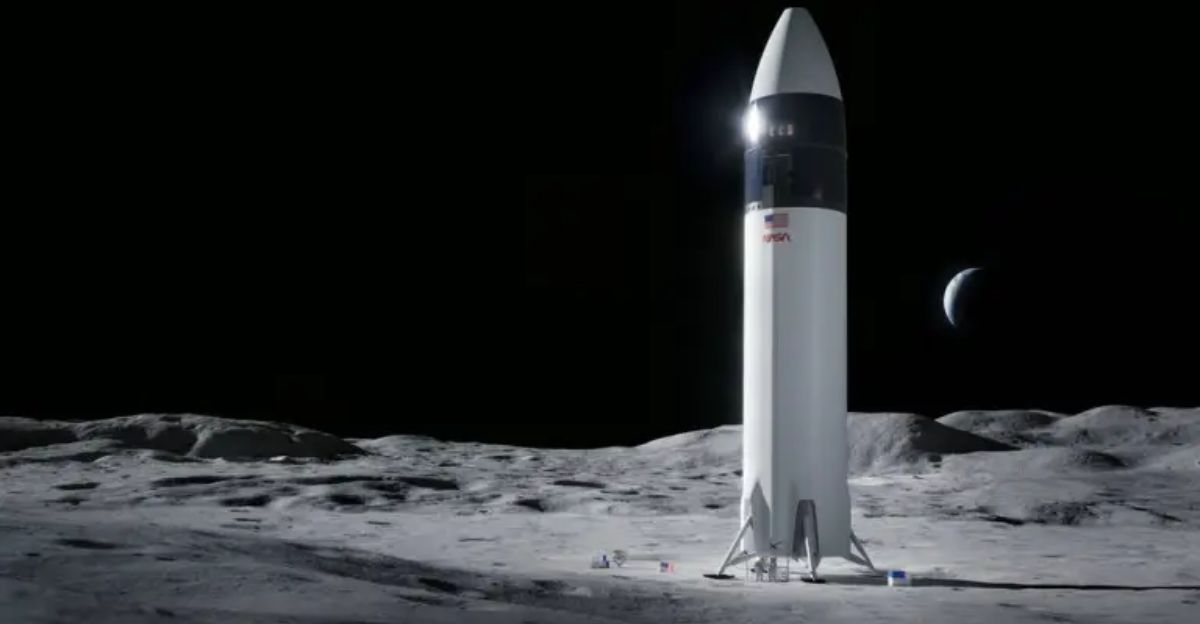
Artemis III targets a lunar landing no earlier than 2027 near the Moon’s South Pole. Two astronauts would descend aboard SpaceX’s Starship Human Landing System while crew members remain in Orion. Plans include about 1 week of surface work, moonwalks, sample collection, and science investigations. Artemis IV through VI would help build Artemis Base Camp. But who sets the rules as more nations join?
The Artemis Accords Shape Cooperation
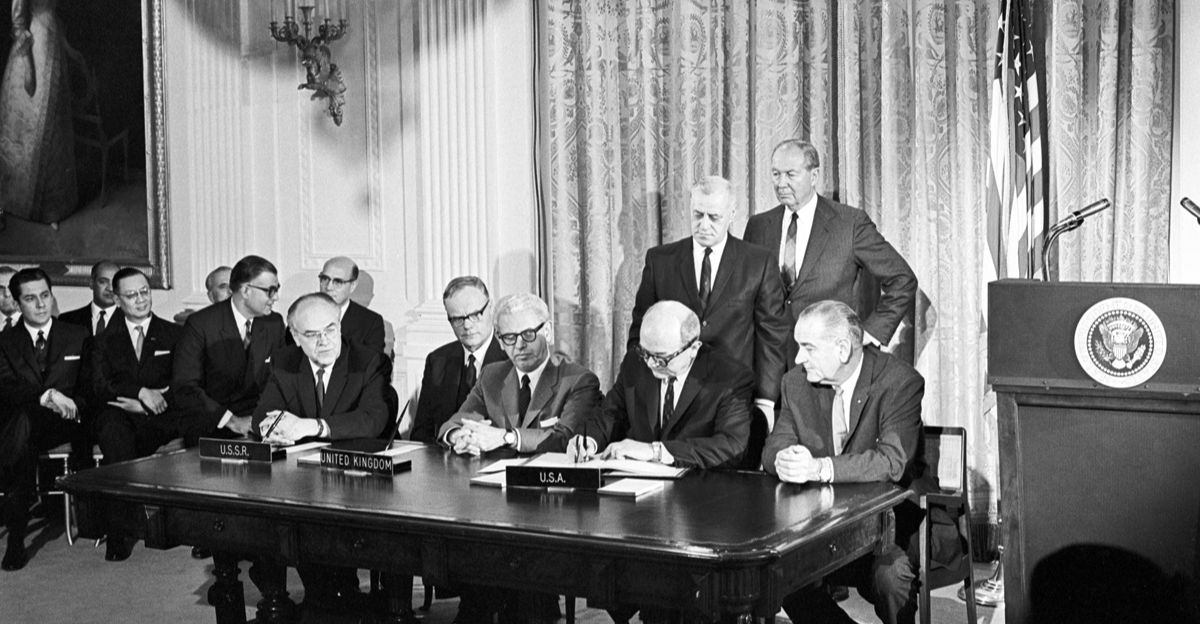
The Artemis Accords, established in 2020, create governance frameworks for 60+ signatory nations working in lunar exploration. Participants commit to peaceful activity, transparency, and shared scientific data, reinforcing the 1967 Outer Space Treaty while addressing resources and debris. Jeremy Hansen’s role on Artemis II showcases this cooperation. As more nations sign, collaboration grows, and that could influence everything from landing sites to technology sharing.
Why This Rollout Could Define A Decade
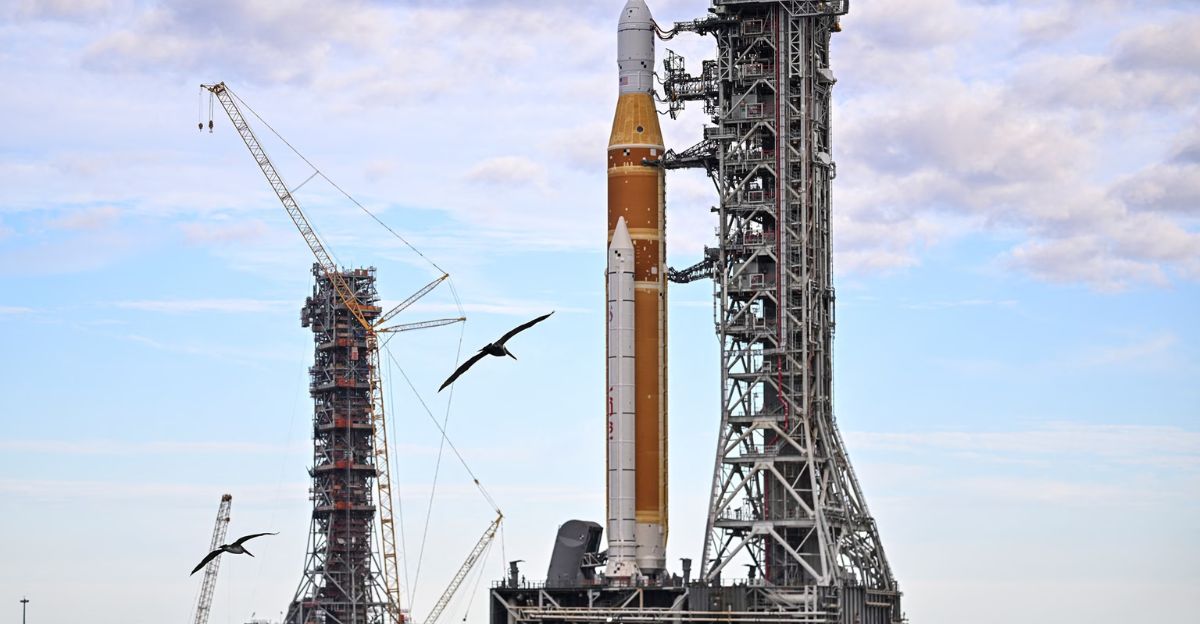
History may remember January 17, 2026, as the moment the next deep-space era became tangible. Artemis II is more than hardware, it is a test of training, funding, and international trust. Wet dress results, weather, and final fixes will decide if 4 astronauts launch toward the Moon soon. For the first time since 1972, humans could circle it again, and the consequences will echo into every mission that follows.
Sources
NASA’s Moonbound Artemis II Rocket Reaches Launch Pad. NASA Blog: Missions, January 17, 2026
Launch Pad Preparations Progress Ahead of Artemis II Wet Dress Rehearsal. NASA Blog: Missions, January 21, 2026
Artemis program cost and contracts. NASA Office of Inspector General, November 15, 2021
NASA’s Artemis II rollout media briefing remarks. NASA, January 16, 2026