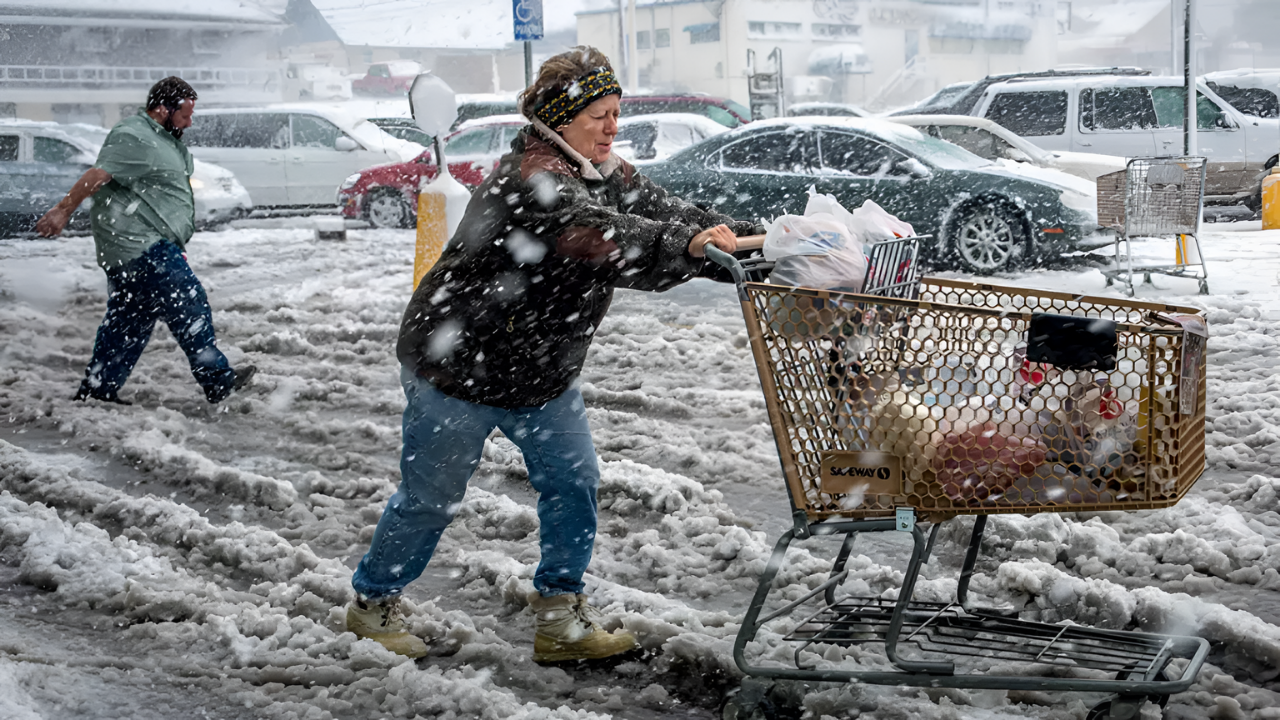
A massive winter storm is sweeping across the central and eastern United States, creating one of the largest weather emergencies in years. Stretching almost 2,000 miles from the Southern Rockies to the East Coast, the system brings a dangerous mix of heavy snow, freezing rain, and sleet. Wind chills may fall between 30 and 50 degrees below zero in the Upper Midwest, where experts warn frostbite could occur in minutes. Federal forecasters say nearly 180 million people are under some form of alert, covering almost half the country.
Meteorologists stress that this is not an average January event. The cold Arctic air will clash with warm, moist air from the Gulf of Mexico, creating a long-lasting, high-impact storm zone. Ice, snow, and cold will combine to cause travel shutdowns, power outages, and widespread safety risks. Some states have already activated emergency operations centers to coordinate response efforts. Governors warn that overlapping hazards—ice on roads, broken power lines, and extreme cold—could force people indoors for days. CNN calls this the season’s most extreme storm, while the National Weather Service says the large, slow-moving system will challenge communities from Texas to New England.
Unlike smaller winter fronts, this storm’s size and intensity make planning difficult. Even a quarter inch of ice can down trees and power lines, and parts of Texas and the Carolinas may see three times that amount. Meteorologists predict heavy snow in the northern regions, freezing rain in the South, and dangerous wind chills across the rest of the country. With the storm slowing, many areas may endure hazardous conditions for several days before temperatures gradually rise.
Texas and the South Brace for Impact
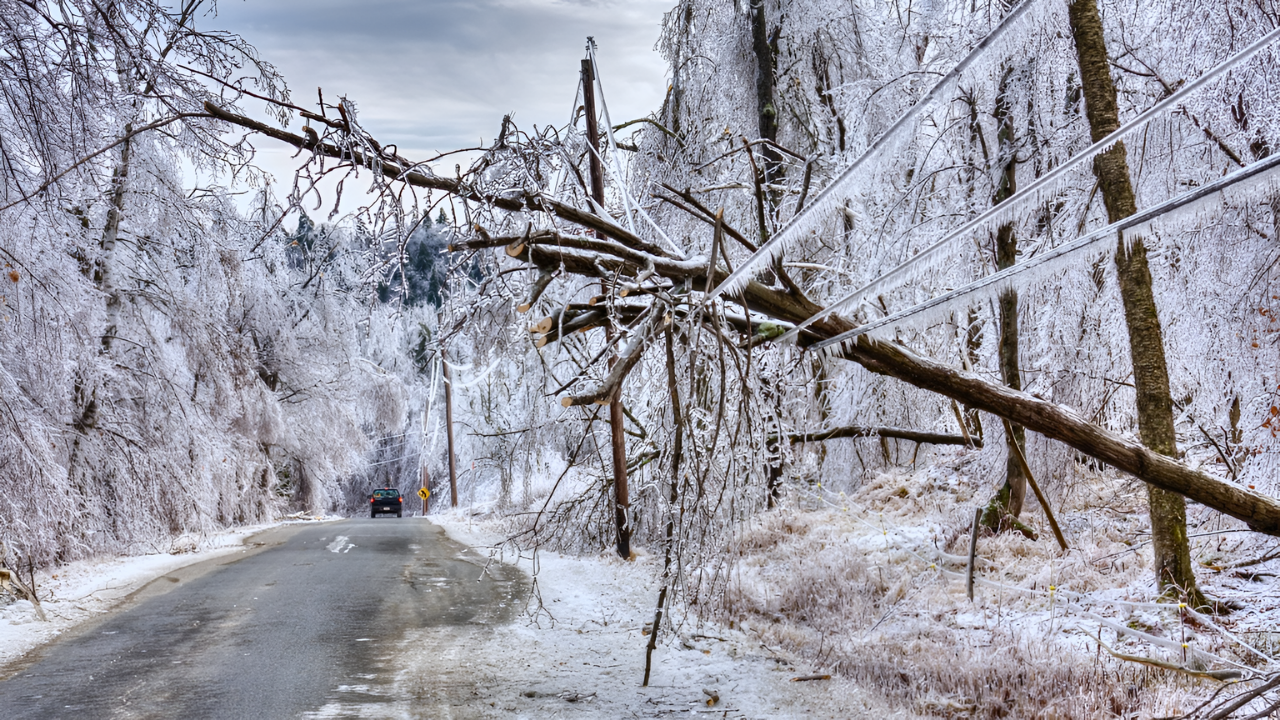
Texas stands near the storm’s center, facing some of the worst potential damage. The northern and eastern parts of the state are especially at risk, with ice possibly reaching 1 inch thick. Such buildup can drag down utility lines, resulting in widespread, prolonged power failures. Officials in Texas say the grid is stronger than during the deadly 2021 freeze, yet they admit that localized outages are still likely. Governor Greg Abbott has declared a disaster in 134 counties to expedite state and federal aid. Crews from state transportation and power agencies have been pre-treating roads and staging repair teams in advance.
The storm’s southern edge also threatens millions across the lower Mississippi Valley, Georgia, and the Carolinas with freezing rain. Ice accumulation can make roads impassable within minutes, isolating communities and delaying emergency services. Local stores report surging demand for essentials such as food, flashlights, blankets, and batteries. Power companies across several states are deploying extra line crews and setting up repair centers to respond quickly once conditions improve. Even so, restoring power in icy regions will take time because slippery roads and fallen trees slow every step of recovery.
Residents in areas unprepared for long stretches of cold may face serious danger if heating systems fail. In past winter storms, power loss during extreme cold led to spikes in hypothermia and carbon monoxide poisoning as people used unsafe heating methods. Experts advise staying indoors, conserving warmth, and checking on vulnerable neighbors. Emergency managers emphasize communication, coordination, and patience while recovery teams work through the storm.
A Warning for the Future
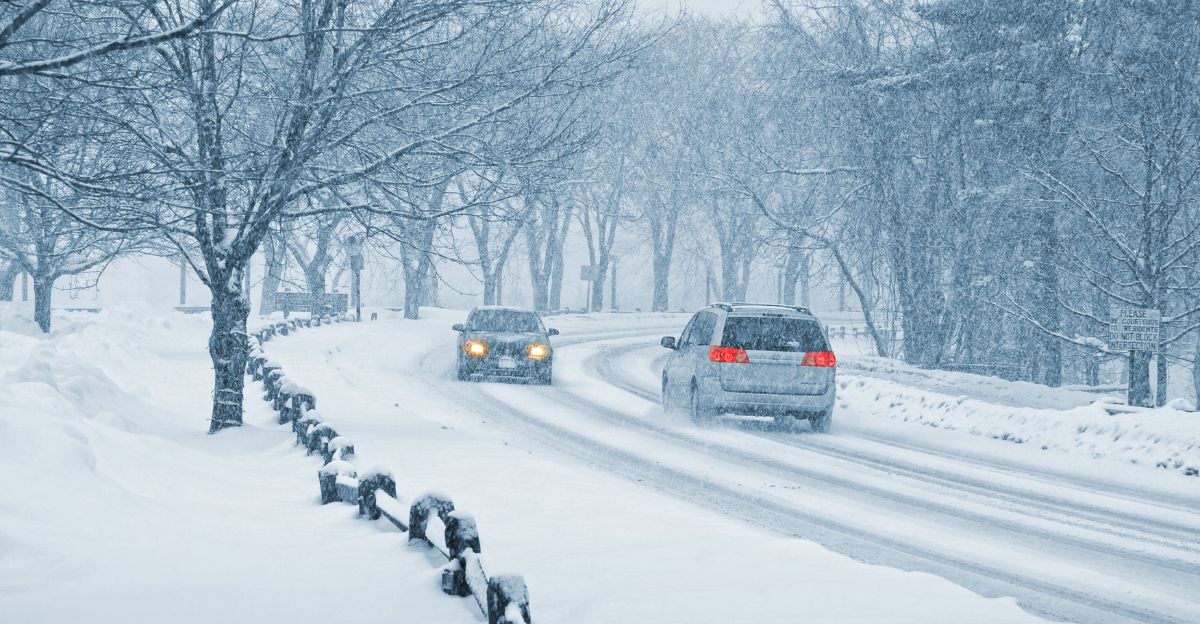
The storm’s 2,000-mile reach exposes deep weaknesses in national infrastructure. When more than 170 million residents face snow, ice, or power threats at the same time, energy grids and transport systems struggle to keep up. States from Texas to the Northeast are working together to share resources and information, but even the best preparation cannot eliminate all risks. Federal meteorologists say the storm will test improvements made since earlier crises, including better communication, faster repairs, and winterized power plants.
This event also highlights how changing weather patterns push communities to rethink readiness. Scientists warn that as the atmosphere warms, Arctic cold snaps can still dive south, colliding with humid air and creating intense snow and ice events. CNN and other outlets note that these once-rare storms are now recurring more often and over wider areas. That shift challenges emergency planning and infrastructure design, especially for southern regions unused to sustained freezing temperatures.
When the skies finally clear, the focus will turn to recovery and reflection. Cities and states will assess how well the grid held, how quickly power was restored, and whether communication improved since 2021. The human toll—from travel disruptions to lost income—will shape future debates on national resilience and climate adaptation. While the storm’s full impact remains unfolding, one fact is already clear: much of the country is now living through one of the most extreme winter tests in recent memory.
Sources:
CNN, “A major winter storm is brewing. It’s likely to unleash dangerous ice and snow from the Plains to the East Coast.”, January 20, 2026
CBS News, “Maps show where winter storm threatens to bring heavy snow, ice, brutal cold this weekend.”, January 22, 2026
Best Life, “Winter Storm May Leave Hundreds of Thousands Without Power.”, January 21, 2026
USA Today, “Arctic cold overtakes US as huge winter storm looms.”, January 20, 2026
AOL, “Crippling impacts begin tonight as 240 million brace for massive winter storm.”, January 23, 2026
East Idaho News (CNN pickup), “One of the most extreme winter storms in years is set to deliver damaging ice and heavy snow.”, January 21, 2026