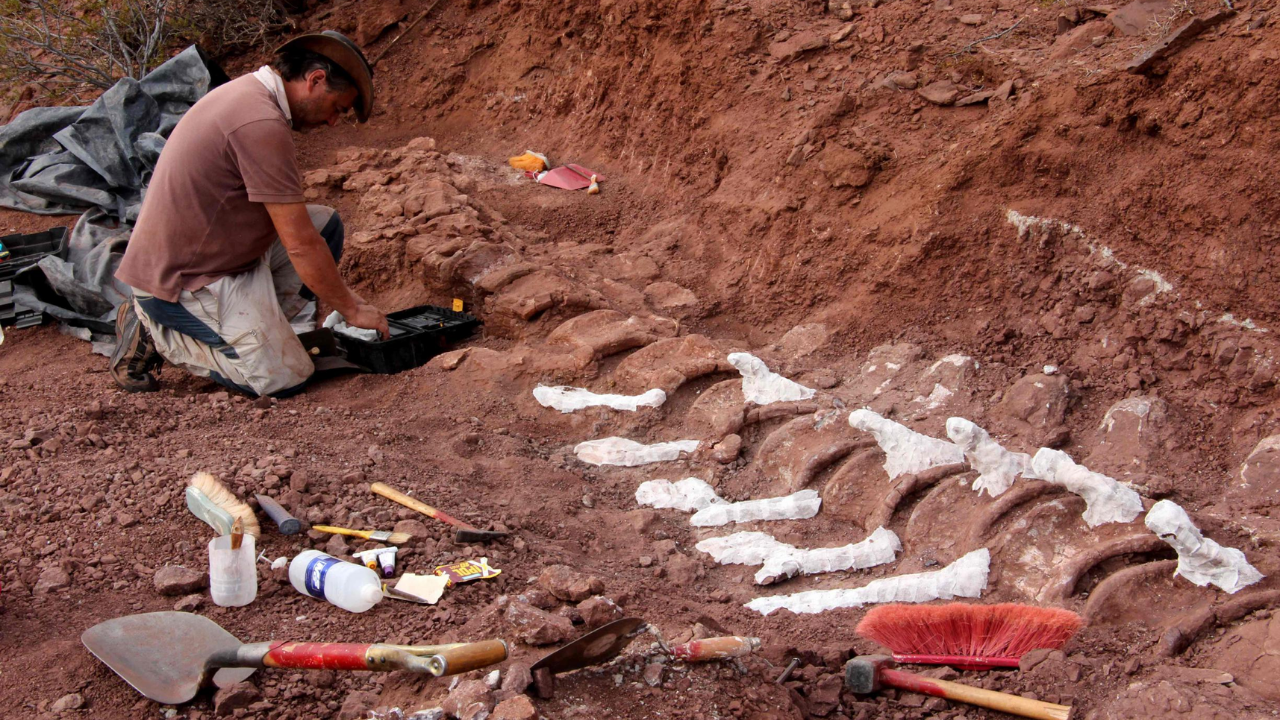
For 24 years, a nearly complete ichthyosaur skeleton gathered dust in a Canadian museum, overlooked amid thousands of fossils. Discovered in 2001 near Golden Cap on England’s Jurassic Coast, it waited until 2025 for paleontologist Dr. Dean Lomax to uncover its secret: Xiphodracon goldencapensis, a new genus that reshapes understanding of marine reptile evolution 190 million years ago.
In September 2025, a paper in Papers in Palaeontology published the find—the first entirely new Early Jurassic ichthyosaur genus from the UK in over a century. Fossil collector Chris Moore unearthed the bones in Dorset, but they remained unstudied until Lomax spotted their uniqueness in 2016. After nine years of preparation and analysis, involving experts from Manchester, Bristol, SUNY Brockport, and Stuttgart, the specimen revealed itself as a 3-meter-long predator from the Pliensbachian stage, 193 to 184 million years ago.
A Lethal Hunter Emerges
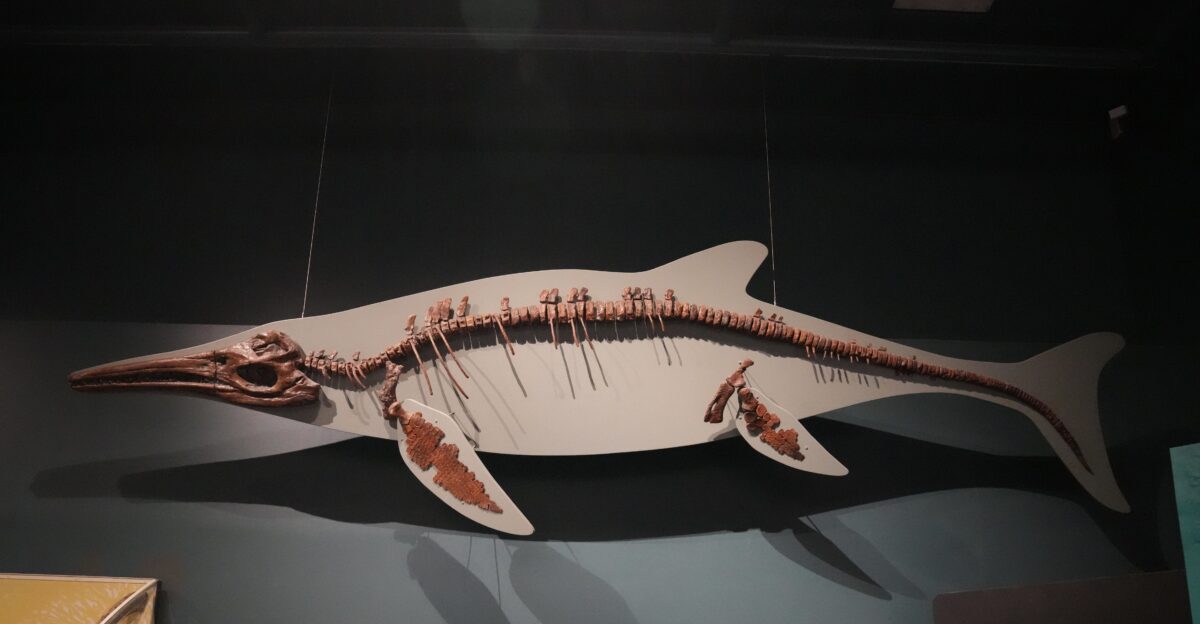
This marine reptile, about the length of a modern sports car, featured a long, narrow snout lined with needle-sharp teeth, earning its name from Greek words for “sword” (xiphos) and “dragon” (drakōn). Its most striking trait: enormous eye sockets, suggesting adaptation for hunting in low-light waters. Traces of its final meal—likely fish or squid—linger in the ribcage. The three-dimensional preservation, rare among ichthyosaurs crushed flat by geological forces, allowed detailed study of articulated bones, vertebrae, and limbs.
Bite marks scar the skull, inflicted by a larger predator, possibly Temnodontosaurus over 9 meters long. Malformed limb bones and teeth indicate the animal survived injury and disease before a violent end. This snapshot captures hierarchical ocean dynamics, where even mid-tier hunters faced constant peril.
Filling a Critical Evolutionary Gap
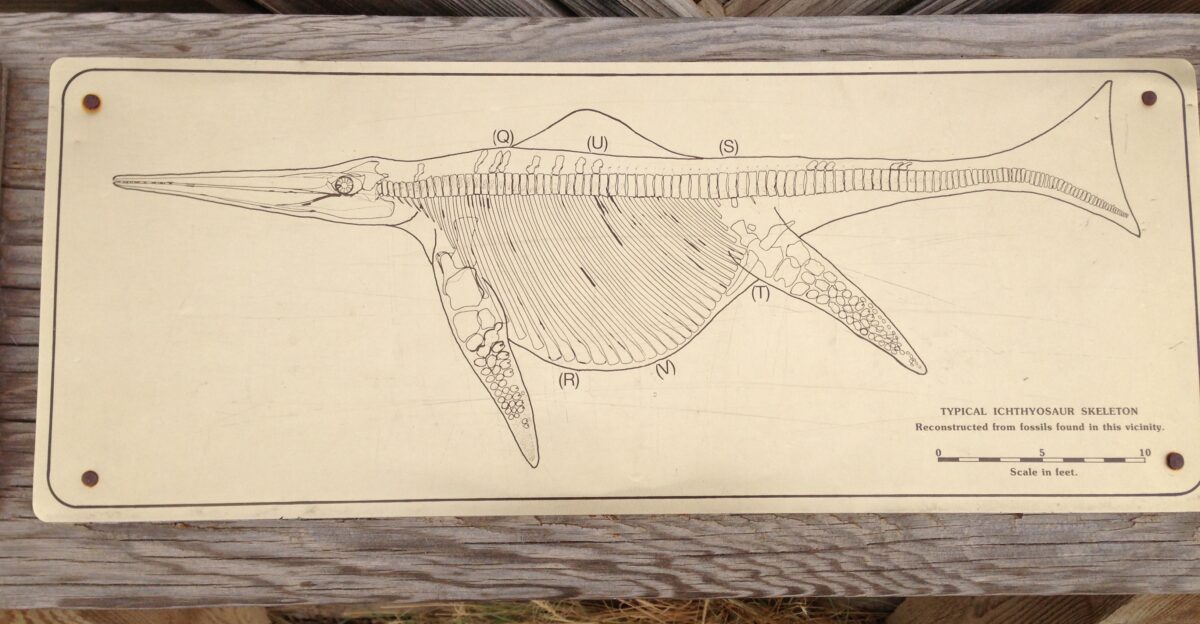
The Pliensbachian marks a profound faunal turnover in ichthyosaur history: pre-period families vanished, replaced by new ones with no shared species. Prior fossils from this 9-million-year interval were scarce and incomplete, leaving a frustrating void. Thousands of skeletons exist from before and after, but Professor Judy Massare of SUNY Brockport notes the stark faunal divide. Xiphodracon, the sole known specimen and most complete Pliensbachian ichthyosaur, bridges this gap. Its anatomy links more closely to Toarcian species that followed, proving the turnover occurred earlier and more abruptly than thought.
Unique Traits and Broader Insights
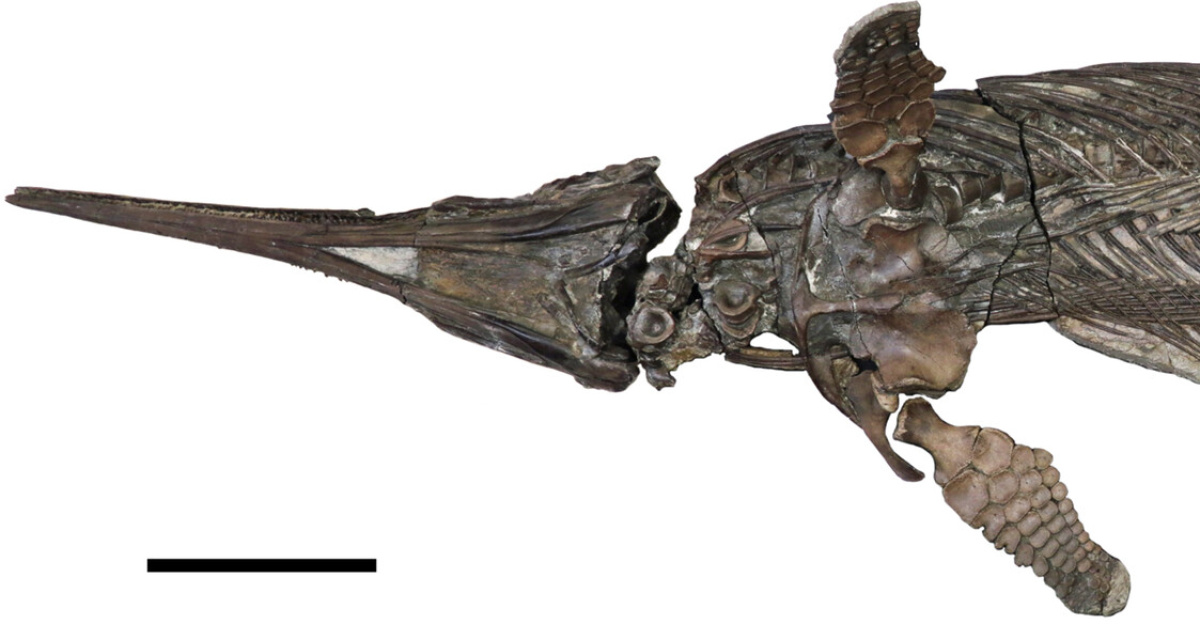
A standout feature: prong-like structures on the lacrimal bone near the nostril, unseen in other ichthyosaurs—key autapomorphies defining the genus. Dr. Erin Maxwell of Stuttgart highlights its value: the skeleton illuminates not just evolution but Jurassic sea life in Britain, revealing predator-prey interactions, survival amid injury, and ecosystem shifts. Ongoing studies model its swimming, hunting efficiency, and relation to later forms.
From Dorset Cliffs to Global Study
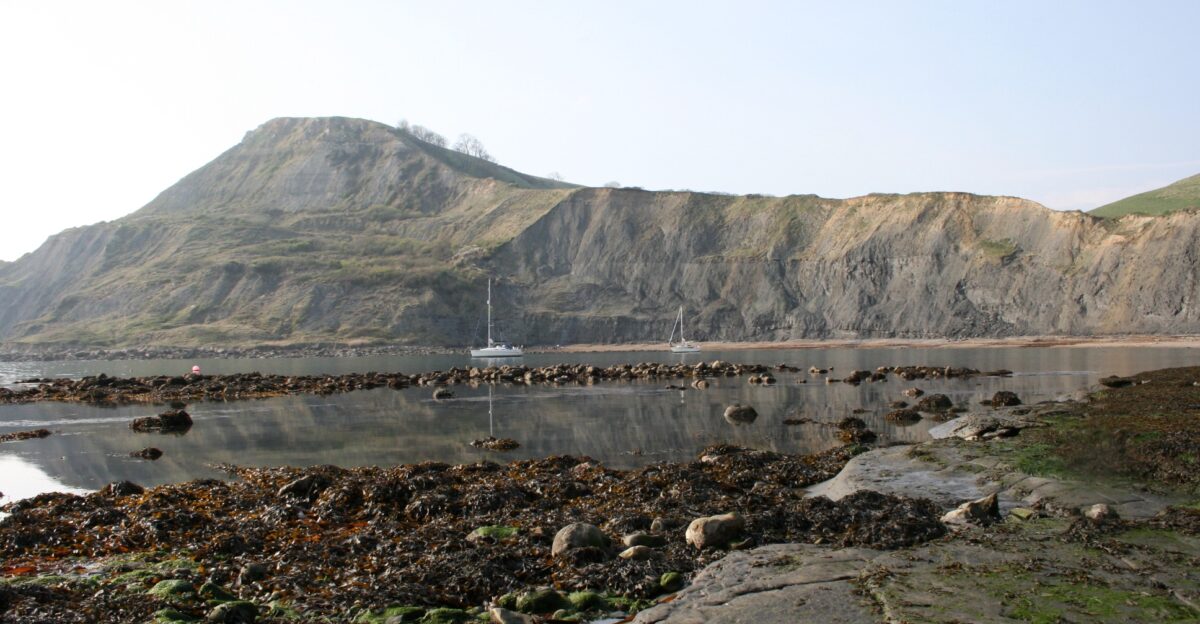
England’s Jurassic Coast, famed since Mary Anning’s 1811 discovery at age 12, has yielded countless marine fossils over two centuries. Yet no new Early Jurassic genus emerged for over 100 years post-Anning. This specimen traveled from Dorset to Toronto’s Royal Ontario Museum, with casts shared internationally. Museum backlogs explain the delay: annual influxes outpace analysis capacity.
Plans advance for public display at the Royal Ontario Museum, bringing the “sword dragon” to life for visitors. Research persists on its enigmatic bone features and biomechanics. As Lomax describes it, this fossil is a “missing piece” in the ichthyosaur puzzle, clarifying a pivotal extinction and replacement event. Its emergence underscores how patient study of overlooked specimens can rewrite deep time, with implications for grasping ancient mass turnovers and modern biodiversity threats.
Sources:
Lomax, D. R., Massare, J. A., & Maxwell, E. E. (2025). “A new long and narrow-snouted ichthyosaur illuminates a complex faunal turnover during an undersampled Early Jurassic (Pliensbachian) interval.” Papers in Palaeontology, October 9, 2025.
University of Manchester. (2025). “Rare Jurassic ‘Sword Dragon’ prehistoric reptile discovered in the UK.” October 27, 2025.
BBC News. (2025). “Fossil found on UK coast is unique ‘sword dragon’ species.” October 9, 2025.
Everything Dinosaur. (2025). “Dorset fossil fills an important gap in ichthyosaur evolution.” October 9, 2025.
New Scientist. (2025). “‘Sword Dragon’ ichthyosaur had enormous eyes and a lethal snout.” October 9, 2025.
Oxford University Museum of Natural History. “Mary Anning’s Ichthyosaur.”