
Across America, soaring rental costs have pushed countless families to seek relief in smaller, more affordable communities.
The promise of low rent and homeownership for the price of a car payment sounds like a dream come true in today’s inflated housing market.
However, beneath these attractive price tags lurks a troubling reality: some of the nation’s cheapest towns are also among its most dangerous.
The Northeast Corridor’s Troubled Hotspots
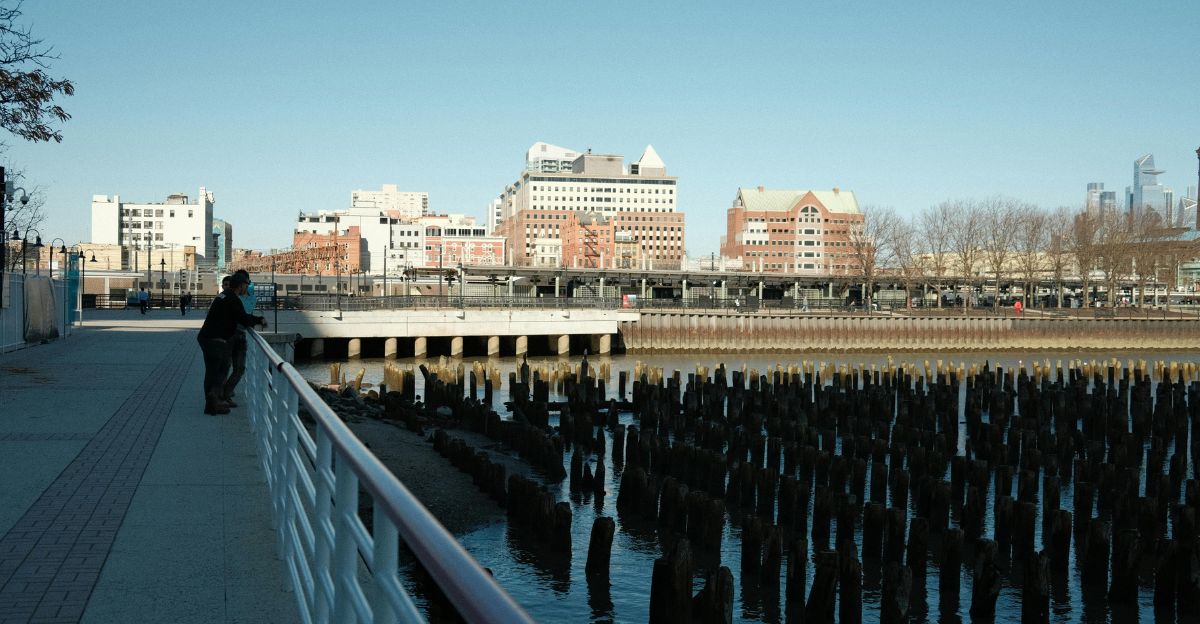
Camden, New Jersey, once frequently cited as America’s most dangerous city, still struggles with violent crime rates several times higher than state and national averages despite recent policing improvements.
Chester, Pennsylvania, struggling between Philadelphia and Wilmington, faces one of the state’s highest crime rates, with residents feeling forgotten in a cycle of poverty and violence.
Southern Cities Where Savings Come with Sirens
Bessemer, Alabama, just outside Birmingham, offers housing that seems like a steal. Still, with a violent crime rate of approximately 29.83 per 1,000 residents, the constant worry about break-ins negates the benefit of low mortgage payments.
Anniston, Alabama, rounds out the state’s troubled areas with a violent crime rate almost five times the national average, creating constant unease even in broad daylight.
The Deep South’s Dangerous Bargains

Monroe, Louisiana, and Alexandria, Louisiana, present an unfortunate pattern where economic stagnation fuels cycles of crime. In Alexandria, the chance of becoming a victim of property crime stands at 1 in 42, making cheap rent feel entirely worthless.
Memphis, Tennessee, despite its rich musical history, recorded its highest number of homicides ever in 2023, affecting numerous neighborhoods throughout the city.
Pine Bluff, Arkansas, once a bustling commerce center, has experienced steady population decline as residents flee for safer streets, leaving exceptionally high rates of theft and burglary.
Rust Belt Decline and Rising Crime
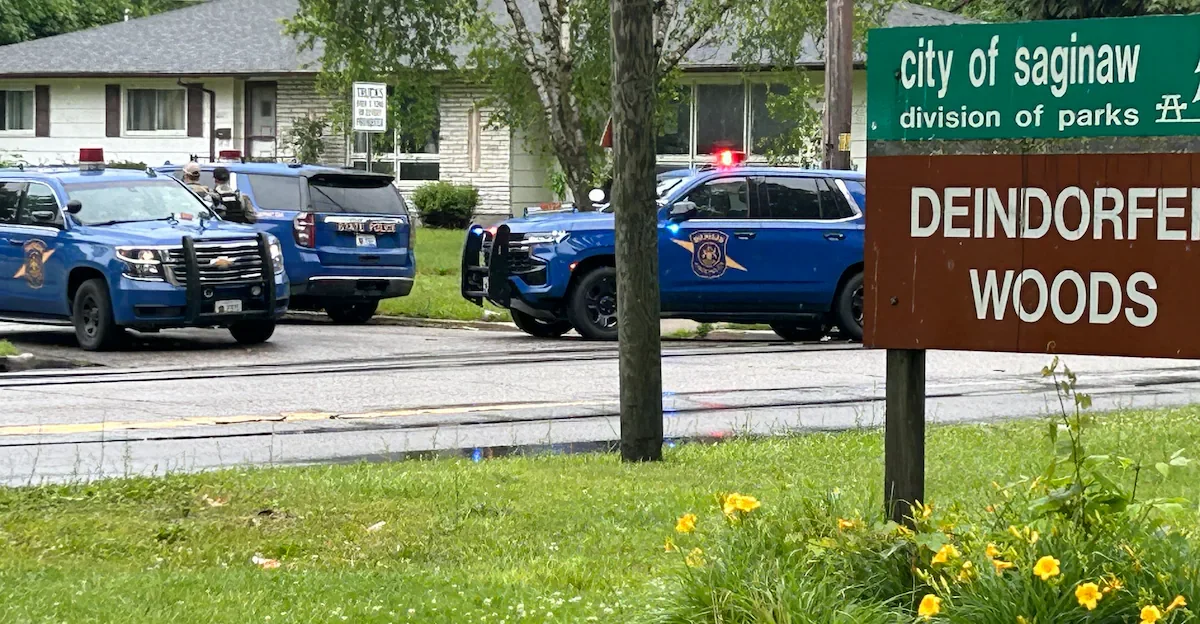
Saginaw, Michigan, devastated by the auto industry decline, ranks third nationally for violent crime rates, with many parts feeling abandoned and neglected.
McKeesport, Pennsylvania, shares post-industrial struggles that left economic vacuums filled by crime, with residents describing police sirens as part of their daily soundscape.
Mid-Atlantic Danger Zones
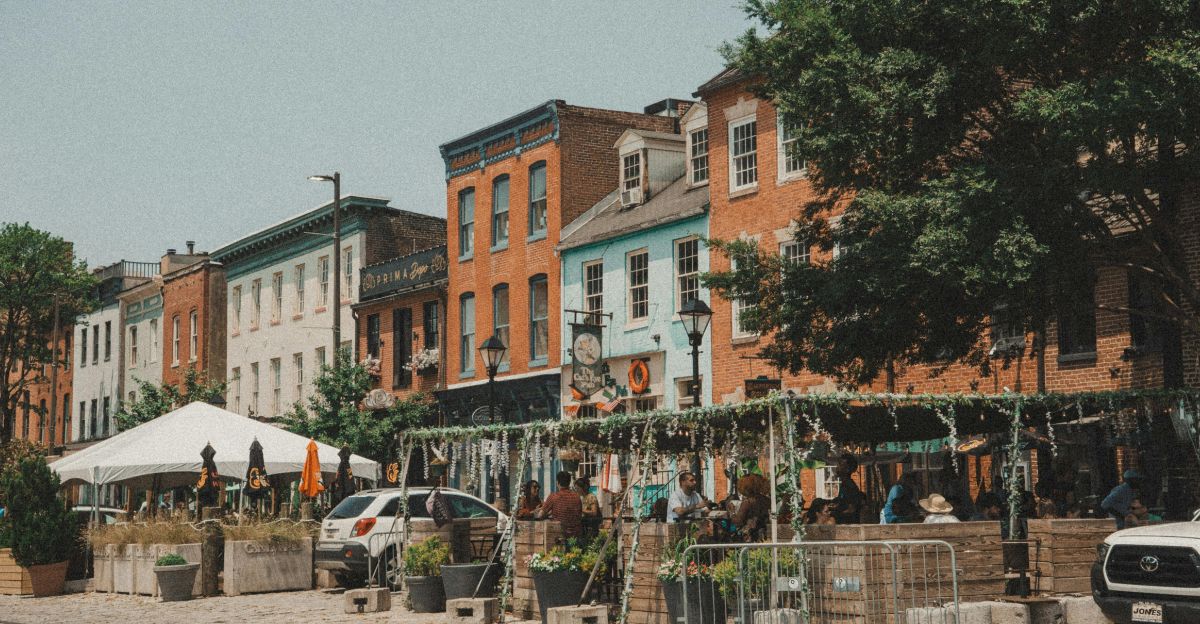
Baltimore, Maryland’s “buy a house for a dollar” programs exist in neighborhoods grappling with intense violence, with most Americans recognizing crime as a significant problem—nowhere more palpable than in Baltimore’s hardest-hit areas.
East St. Louis, Illinois, maintains a violent crime rate exponentially higher than the U.S. average, creating an atmosphere where affordable housing becomes a trap.
The Real Cost of Cheap Housing
The economic mechanics behind this phenomenon are straightforward: population decline creates housing surpluses that drive prices down.
However, this exodus stems from the disappearance of jobs, crumbling infrastructure, and deteriorating safety.
Before pursuing that unbelievably cheap apartment, prospective renters must ask whether any savings justify compromising their security and peace of mind.