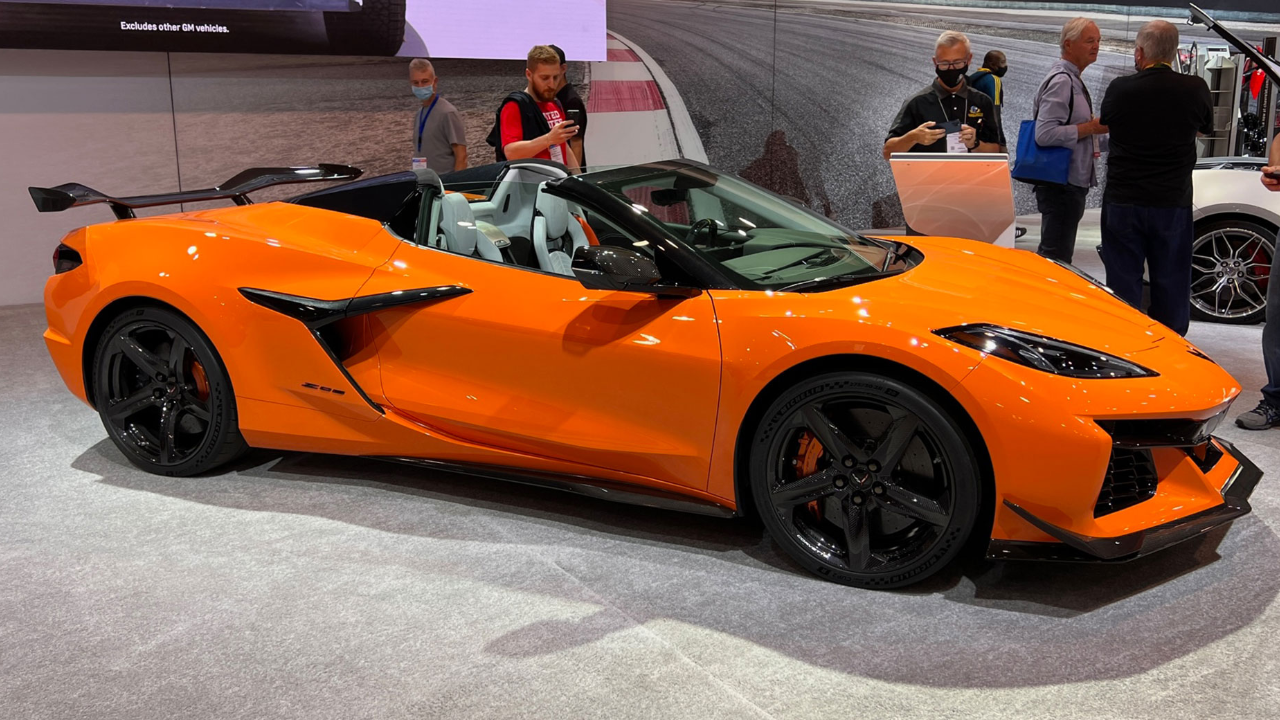
Hagerty released its ninth annual Bull Market List for 2026, identifying 11 enthusiast vehicles poised for significant value appreciation. This prestigious list, compiled through rigorous analysis of millions of data points including public and private sales, auction trends, and insurance valuations, represents a diverse cross-section of automotive passion spanning seven decades and price points from under $17,000 to over $1.5 million.
The selections reflect a notable shift in collector interest toward 1990s and early 2000s vehicles, signaling unprecedented popularity among a broad demographic.
The Analog Era: Defining a Generation of Enthusiast Cars
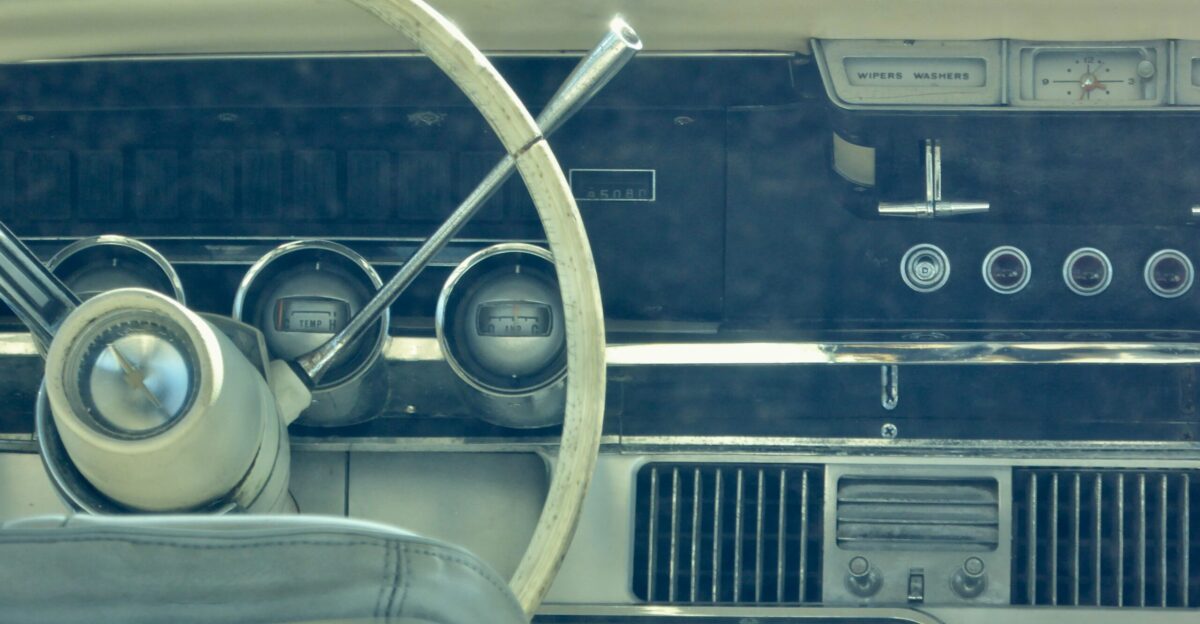
The 2026 Bull Market List represents what Hagerty calls “the final chapter of the analog era”—vehicles that combine modern horsepower with unfiltered driving experiences, featuring manual transmissions and minimal electronic interference. According to Hagerty Senior Vice President of Media Larry Webster, “No matter your budget, it’s never been easier to get into an enthusiast car you truly love”.
The selections demonstrate genuine buying opportunities and appreciation potential across all market segments, whether one is seeking affordable entry-level vehicles or ultra-premium, limited-production machines.
Methodology: How Hagerty Identifies Future Collectibles

Hagerty’s methodology for identifying these vehicles is comprehensive and data-driven, providing confidence that these selections represent genuine market opportunities. The Automotive Intelligence team sifted through public and private sales, historical market trends, and insurance valuations to pinpoint the 11 standout vehicles.
Vice President Brian Rabold explained that by analyzing “millions of data points covering public auction results, private sales insights, insurance data, along with buyer and seller behavior,” Hagerty targets vehicles with genuine appreciation potential.
1. Chevrolet Corvette Z06 (2006–2013)
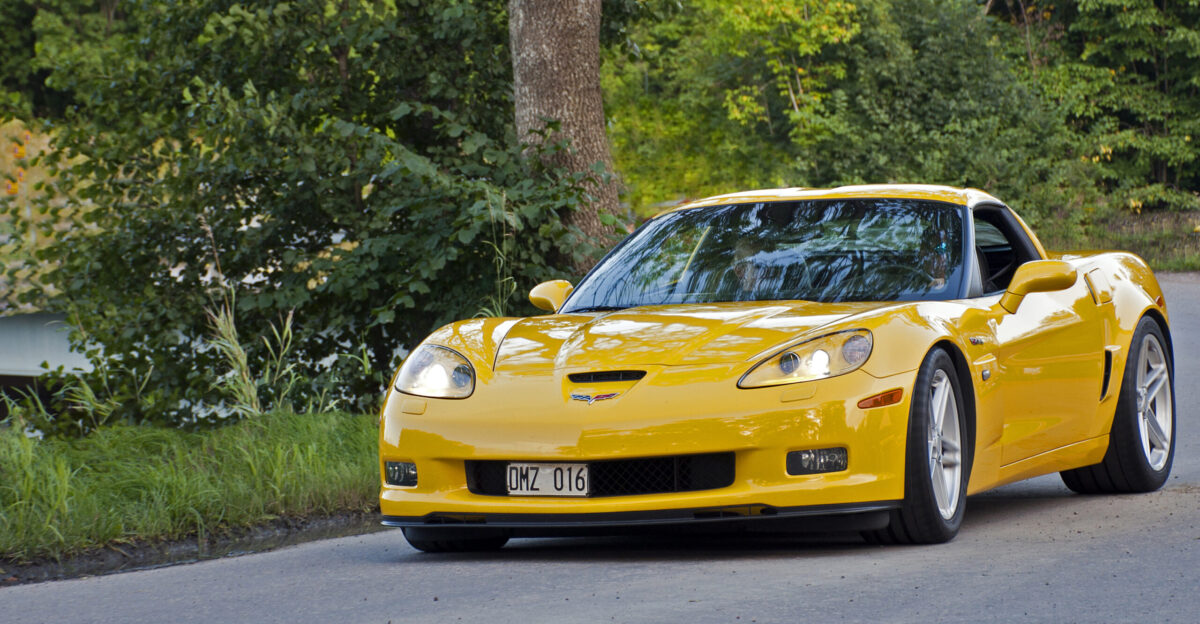
The C6 Z06 stands at the forefront as one of the most compelling performance-per-dollar values in the modern sports car world, priced at $55,900. Powered by the legendary 505-horsepower LS7 naturally aspirated 7.0-liter V8, this Corvette delivers exceptional capability significantly undercut price compared to European supercars.
The characteristic rumble of the LS7 is so potent that Hagerty notes “your heart jumps into your throat at every startup”.
2. BMW M5 E60 (2006–2010)
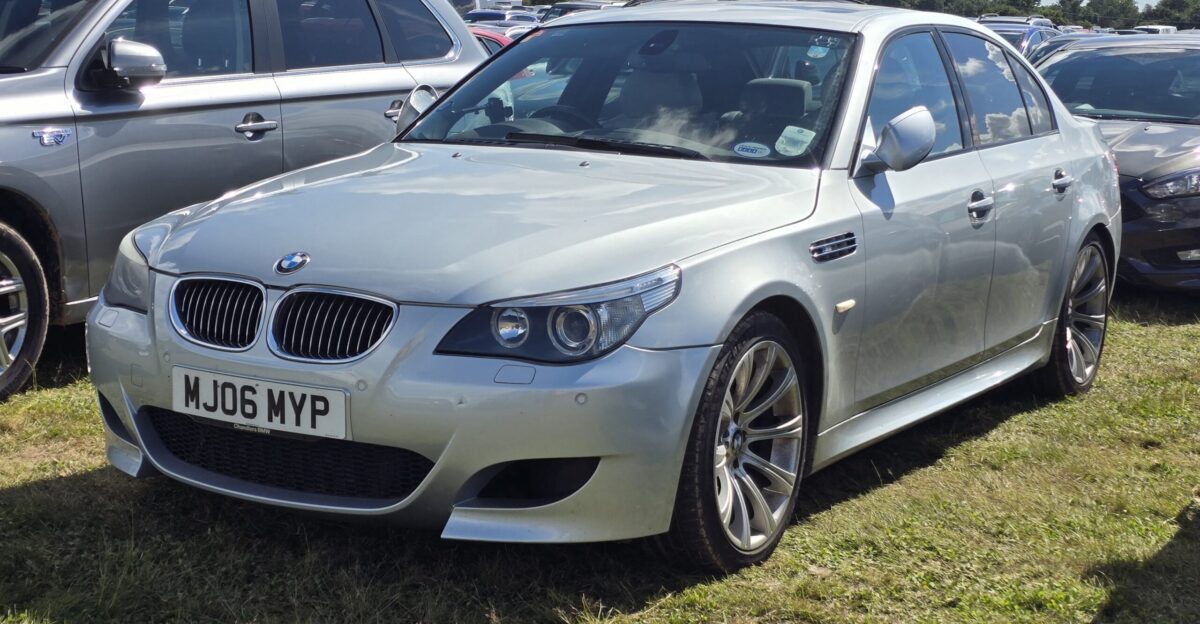
The E60 M5 represents a remarkable anomaly in BMW’s history, featuring a unique 5.0-liter V10 engine with codename S85—a complete one-off design unlike most M engines. This exceptional V10 sedan delivers exotic-car performance in a practical family vehicle package, increasingly attractive as performance machine prices rise.
The E60 M5 has a particularly strong appeal to younger collectors, with 58% of interest coming from enthusiasts under 40.
3. Porsche Carrera GT (2004–2007)
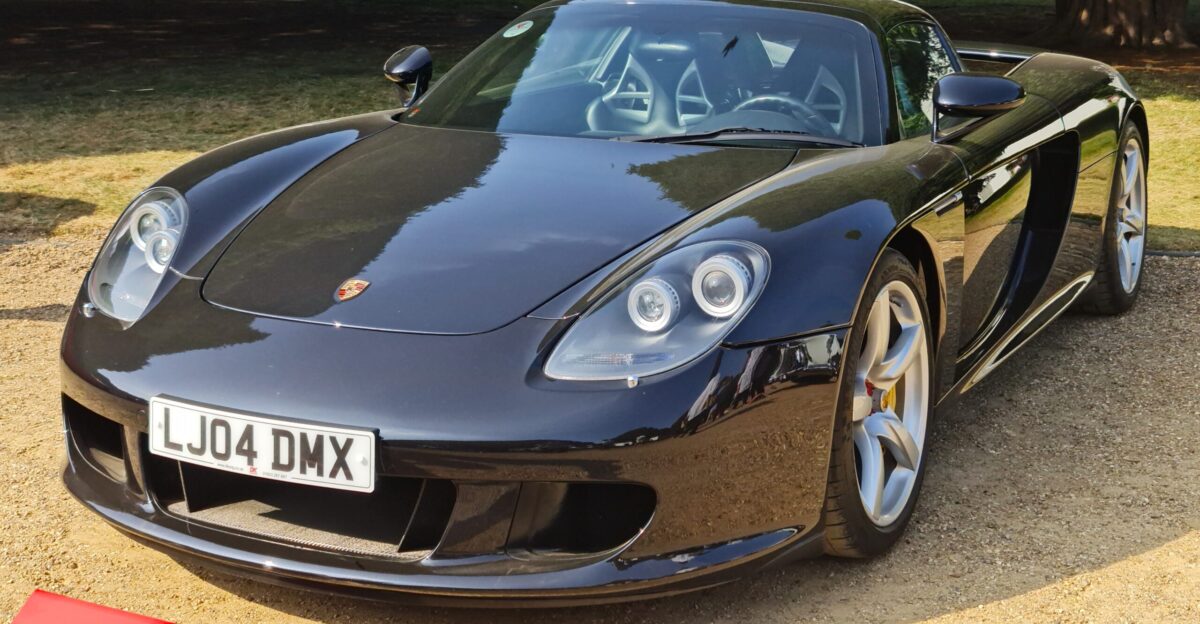
The Porsche Carrera GT occupies the ultra-premium tier, representing one of the purest exclusive machines ever created by Stuttgart. Porsche produced only 1,270 examples of this V10-powered machine, which was essentially “a race car for the road,” making it extraordinarily rare and highly coveted.
The Carrera GT’s analog driving experience—featuring a manual transmission, no electronic assists, and raw mechanical engagement—represents the antithesis of modern autonomy trends.
4. Mazda MX-5 Miata NB (1999–2005)
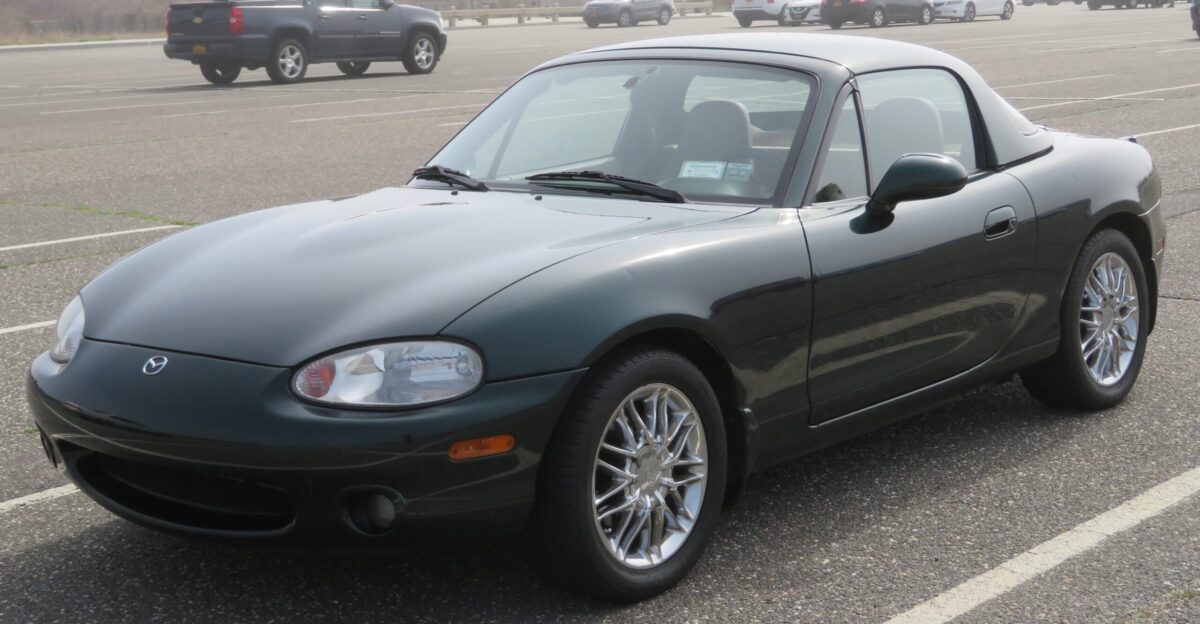
The second-generation Miata NB represents the most accessible entry point for collectors, priced at just $16,600 for quality Condition #2 examples. This generation maintained the original’s magic while incorporating improvements, including bigger brakes anda 1.8-liter engine producing approximately 140 horsepower. The MX-5 demonstrates an extraordinary ability to appeal across demographics, with Hagerty noting, “no matter the supply, demand is consistently higher.”
The lightweight design, responsive handling, and joy-of-driving philosophy make it ideal for collectors seeking passion without breaking the bank.
5. Nissan Skyline GT-R R33 (1995–1998)
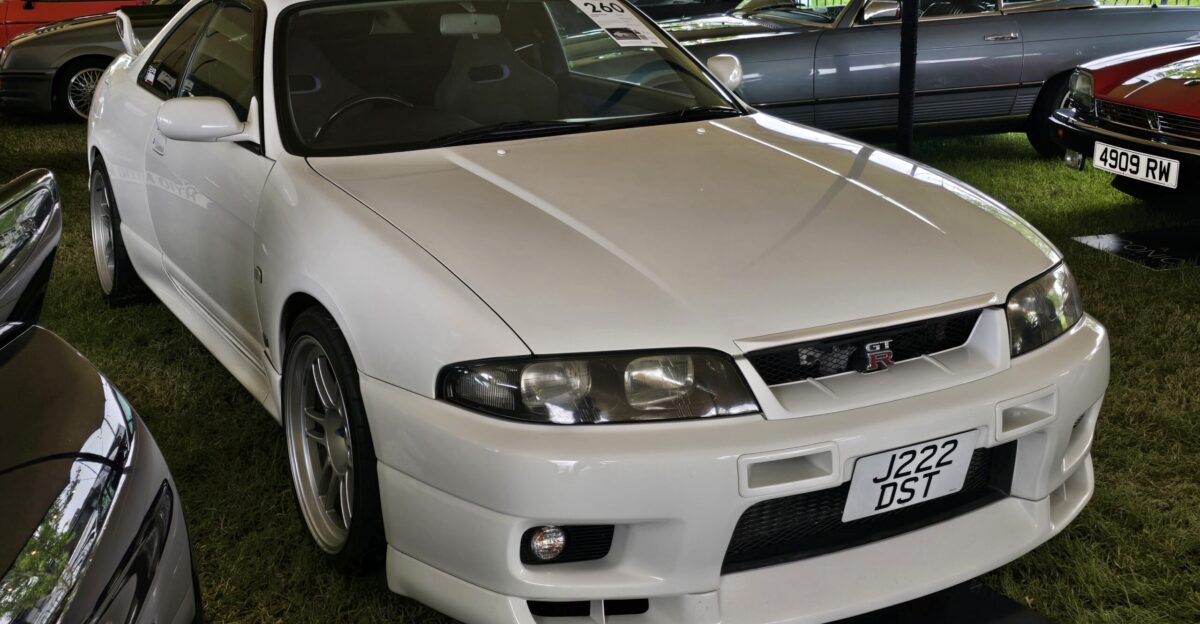
The R33 Nissan Skyline GT-R achieved legendary cult status among American enthusiasts despite never being officially sold domestically. This cult status largely derives from the car’s appearance in Gran Turismo, which introduced millions of international players to this technological marvel.
Thanks to the 25-year import exemption rule, these twin-turbocharged, all-wheel-drive Japanese icons are now legal for American enthusiasts, making them increasingly accessible.
6. Volkswagen Golf GTI VR6 Mark III (1995–1998)
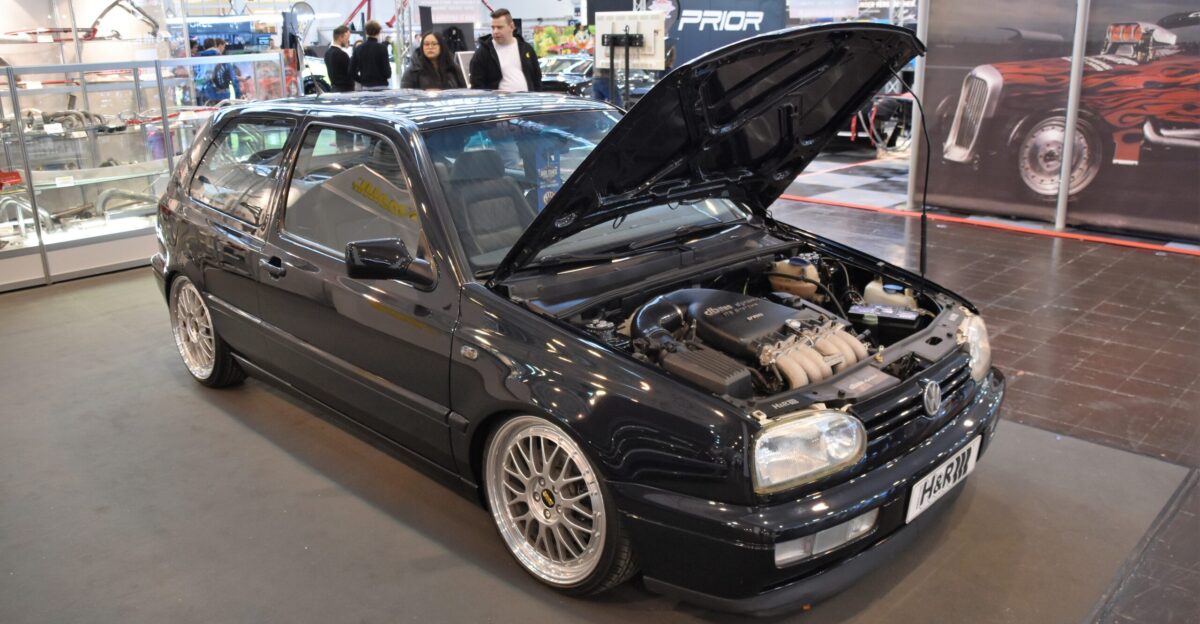
The Mark III GTI VR6 distinguishes itself as the most performance-oriented Golf variant, featuring a unique narrow-angle six-cylinder engine unlike four-cylinder GTI models. Hagerty notes the VR6 variant “has been slept on a little bit compared to the Mark IV,” indicating savvy buyers can acquire examples before the market catches up.
The Mark III VR6 shows strong interest from younger buyers entering the collector market, suggesting solid long-term appreciation.
7. Chevrolet 454 SS Pickup Truck (1990–1993)
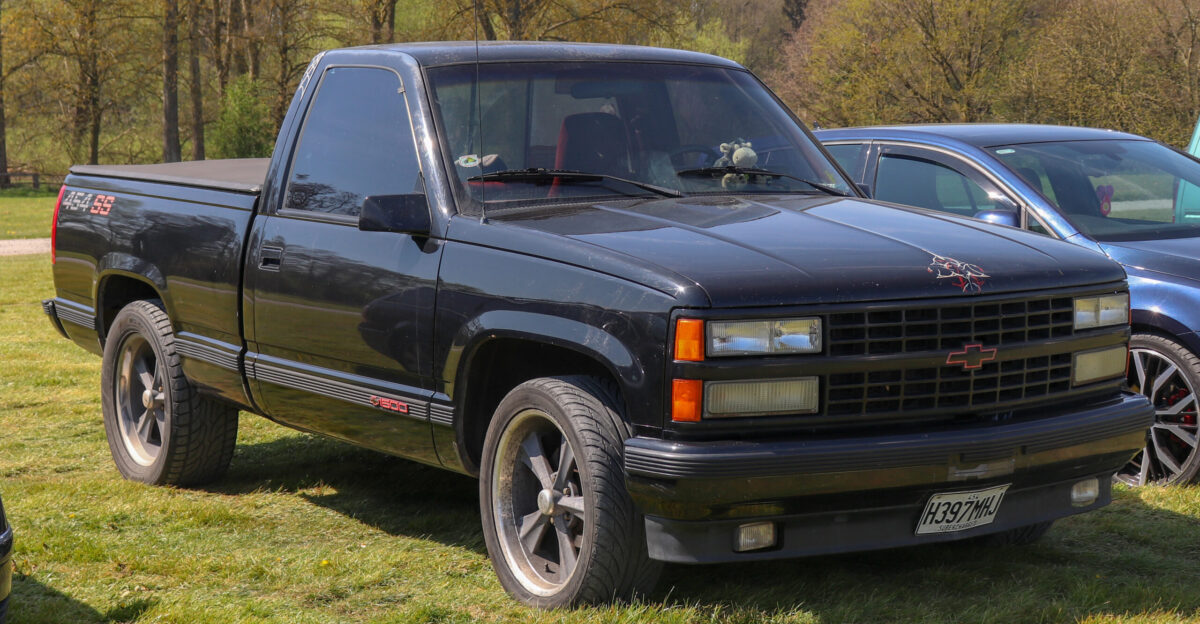
The Chevrolet 454 SS Pickup celebrates American performance truck heritage through its full-size platform and venerable 454 cubic-inch (7.4-liter) big-block V8. This segment-defining performance truck has gained significant traction as enthusiasm for 1990s performance vehicles accelerates.
The combination of practicality, genuine muscle-truck appeal, and distinctive aesthetic positions the 454 SS as an attractive option, offering versatility beyond traditional sports cars.
8. Dodge Ramcharger (1981–1993)
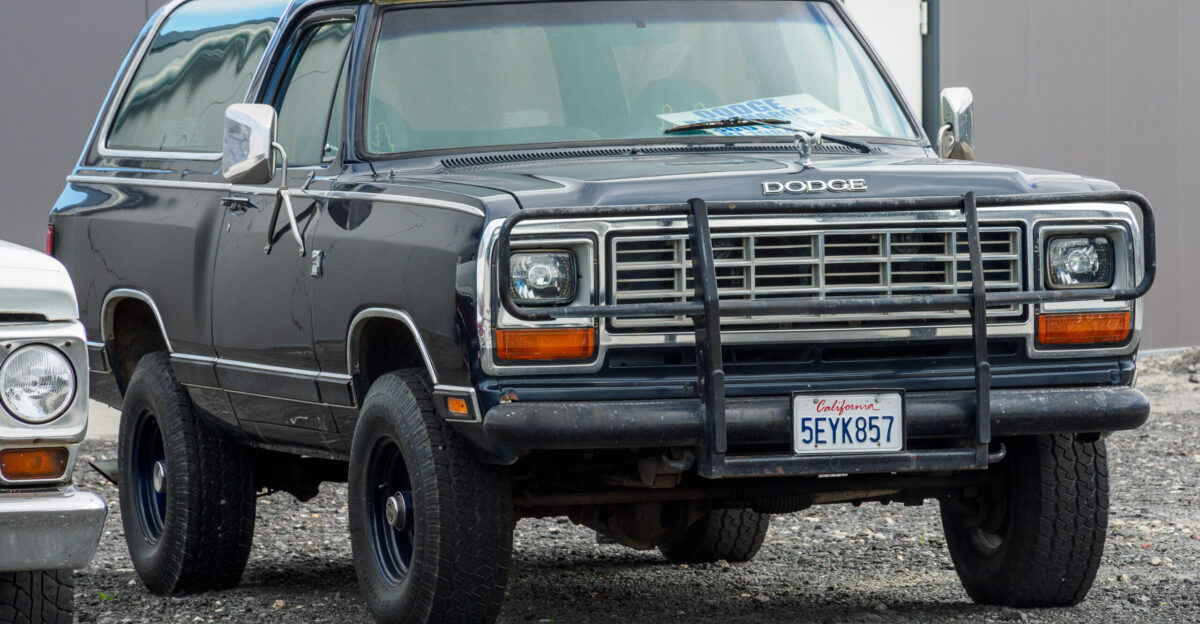
The second-generation Dodge Ramcharger featured bold, chiseled sheet metal and came standard with a 318 cubic-inch (5.2-liter) V8, with optional upgrades available in 360 cubic-inch (5.9-liter) displacement. Hagerty notes “the Ramcharger has been rising in value but is still a bargain compared to just about anything with the word ‘Bronco,'” suggesting significant appreciation.
The Ramcharger experiences particularly strong interest from younger buyers, who tend to drive sustained long-term appreciation.
9. Alfa Romeo 1750 GTV (1969–1972)
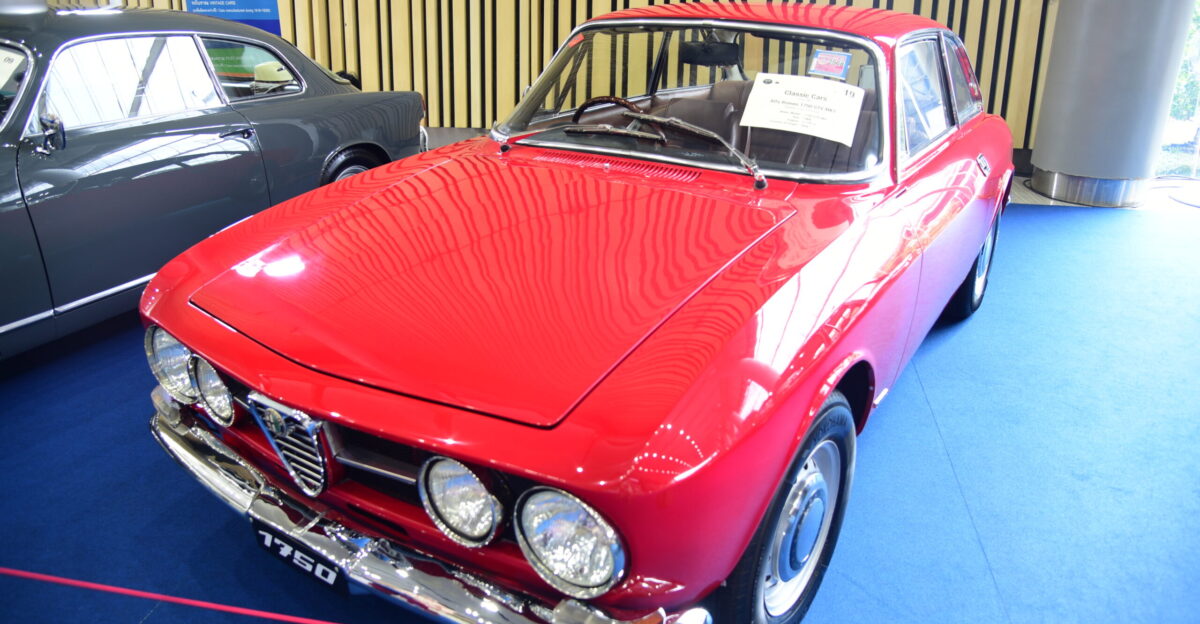
The 1750 GTV enjoyed a devoted cult following among European enthusiasts and now attracts collectors priced out of contemporary Porsche 911 investments. The 1750 displacement (1,779cc) represents the sweet spot for optimal power delivery, torque characteristics, and engine smoothness in the GTV lineup.
These Italian grand tourers reward skilled driving, with many Porsche 911 drivers unable to match well-driven GTV pace on twisty roads.
10. Dodge Charger (1968–1970)
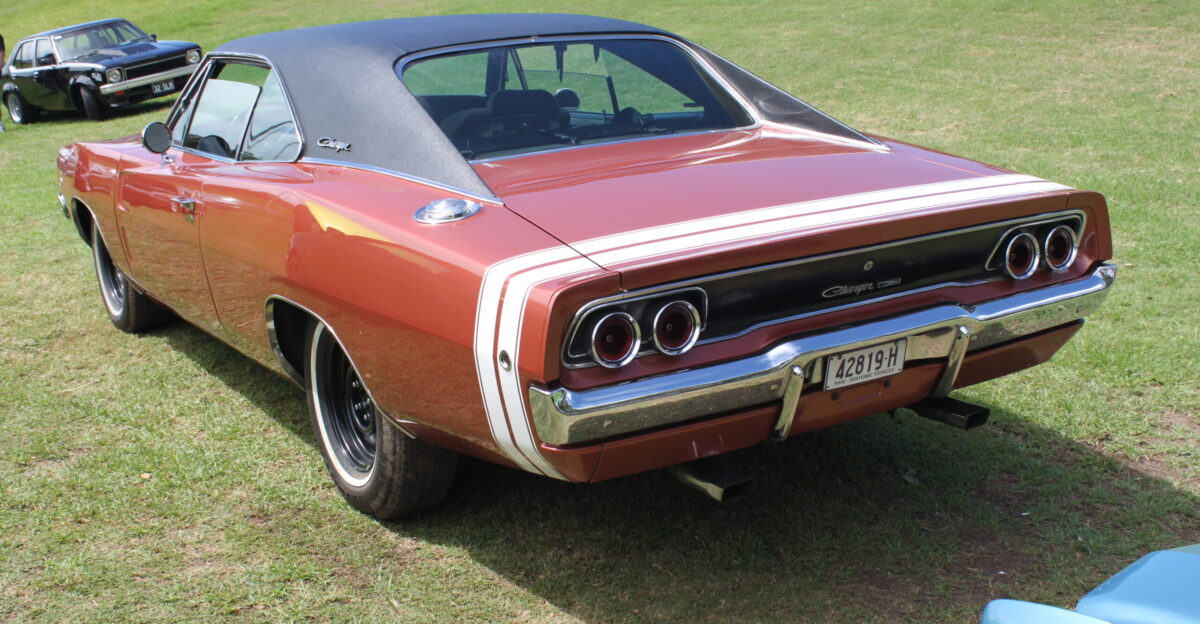
The second-generation Charger represents one of the most elegant interpretations of the “coke bottle” design, made famous through Bullitt and The Dukes of Hazzard. Approximately 40,000 Chargers were manufactured in high-performance R/T specification, many optioned with the legendary 425-horsepower, 426 cubic-inch Hemi V8. Notably, 52% of current Dodge Charger owners represent Generation X and younger, demonstrating strong intergenerational appeal.
While already achieving significant recognition as sought-after classics, Hagerty believes substantial appreciation room remains.
11. Lincoln Continental Mark II (1956–1957)
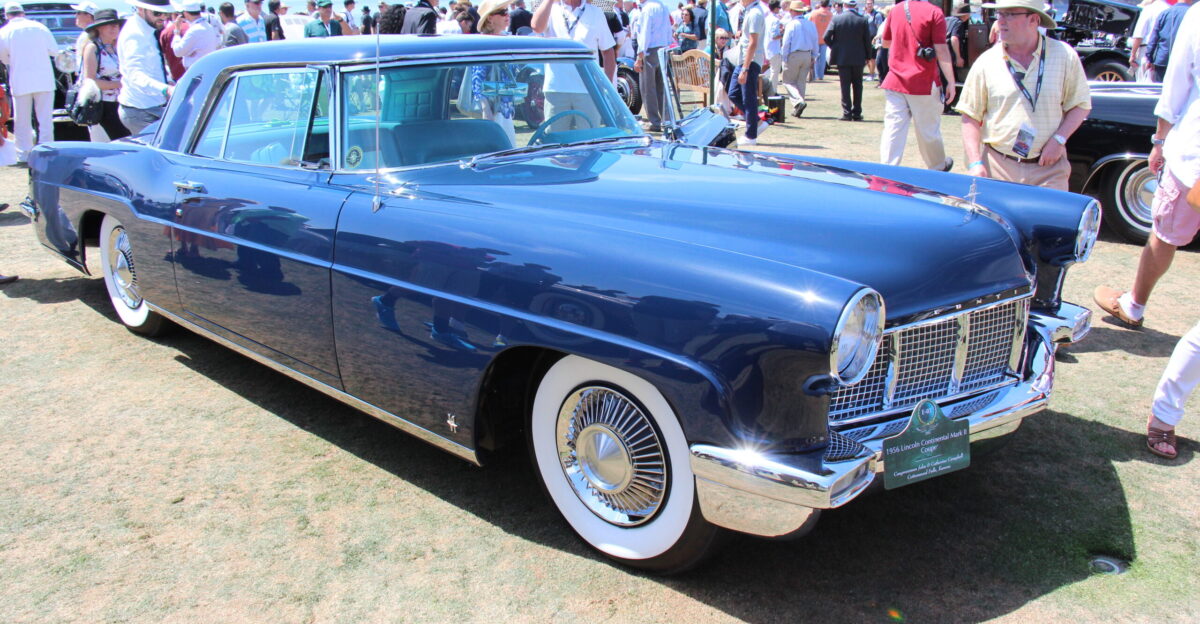
The Continental Mark II holds special significance as America’s most expensive car at introduction, carrying $10,000 price tag—equivalent to approximately $120,000 in 2025. Behind the wheel, the Mark II delivers a stately experience powered by a 300-horsepower, 368 cubic-inch V8, moving nearly 5,000 pounds of leather, steel, and chrome gracefully.
This ultra-luxurious machine prioritized craftsmanship and quality over profitability, representing American automotive excellence focused on engineering integrity.
The Power of Data-Driven Collection Strategies

Hagerty’s approach combines decades of experience with modern analytics, creating frameworks empowering collectors to make informed decisions. By analyzing sales data, insurance valuations, and demographic trends, Hagerty provides insights transcending traditional wisdom and gut-feeling strategies. This data-driven methodology democratizes access to intelligence previously available only to dealers and high-net-worth collectors.
The 2026 Bull Market List serves as both a buying guide and an educational tool, helping collectors understand the factors that drive appreciation.
Emerging Market Trends and Demographic Shifts

The 2026 Bull Market List reflects broader trends reshaping collector car markets, emphasizing “final chapter analog era” vehicles. The shift from the 1990s to the 2000s indicates that younger collectors are entering markets with different values and preferences than traditional demographics. Diversified buyer age ranges, demonstrated through strong Generation X and millennial interest, suggest sustained demand and appreciation.
Younger buyers prioritize driving engagement, mechanical transparency, and authentic performance over investment potential alone.
Import Laws and International Availability Expanding the Market

Market dynamics supporting selections include favorable classic car import conditions as 25-year exemption rules expand availability. The R33 Skyline GT-R exemplifies how regulatory changes open previously unavailable Japanese performance cars to American collectors. Collector car valuations benefit from favorable duty rates compared to newer automobiles, creating incentives for quality enthusiast purchases.
These regulatory changes democratize access to global treasures previously available only to privileged few. Improved import infrastructure and regulatory clarity suggest continued international market expansion.
Practical Considerations for Potential Collectors
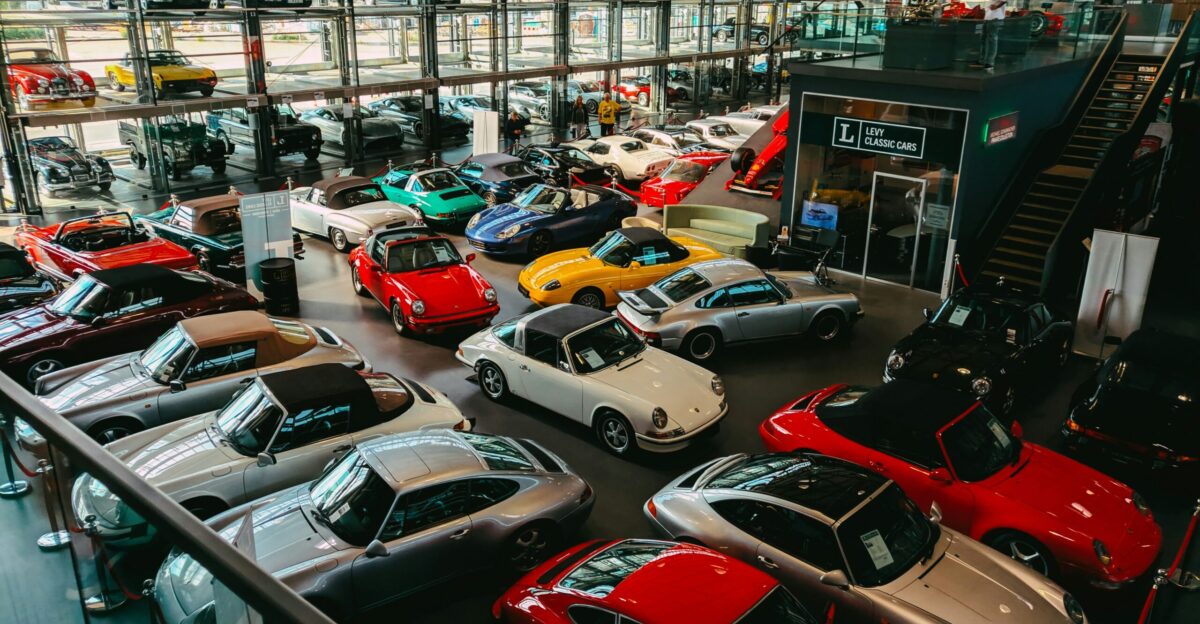
For collectors considering 2026 Bull Market List vehicles, several practical factors deserve consideration beyond appreciation potential. Maintenance and parts availability vary significantly, with Japanese and German vehicles generally benefiting from robust aftermarket support. Insurance costs for collectors remain remarkably affordable compared to newer performance cars, providing financial advantages.
Storage, climate control, and regular maintenance schedules are essential for preserving value and ensuring enjoyment. The sweet spot appears around $20,000-$50,000, balancing acquisition costs with entry-level enjoyment.
Future Outlook and Investment Potential for 2026 and Beyond
The combination of analog performance interest, intergenerational appeal, and price diversity suggests 2026 offers the most accessible entry point yet. Valuations from $16,600 to $1,550,000 ensure virtually every financial level can participate. As new generations enter markets with fresh perspectives, vehicles emphasizing mechanical authenticity will likely command premiums.
The Hagerty list provides roadmaps for confident purchases backed by rigorous analysis. Whether seeking entry-level or ultra-rare machines, selections offer something for every enthusiast.
Conclusion: A Diverse Market Offering Something for Everyone

The 2026 Hagerty Bull Market List marks a watershed moment in collector car enthusiasm, demonstrating market maturation that extends beyond traditional categories. From a humble Mazda MX-5 at $16,600 to an exclusive Porsche Carrera GT at $ 1.55 million, the selections showcase the breadth of opportunity for varying budgets. The common thread uniting this diverse collection is authenticity—each prioritizes genuine mechanical engagement and pleasure over technological complexity.
As markets evolve, this list serves as snapshots of trends and blueprints for understanding future appreciation.
Sources:
“Buy It Now, Thank Us Later: Hagerty’s 2026 Bull Market List of 11 Appreciation-Ready Enthusiast Cars.” Hagerty Newsroom, December 8, 2025.
“Hagerty’s 2026 Bull Market List Spotlights Three Stellantis Icons Poised to Rise.” Mopar Insiders, December 11, 2025.
“10 Classic Vehicles That Will Gain Value in 2026 According to Hagerty.” Guide Auto Web, December 12, 2025.
“The 2026 Hagerty Bull Market List: 11 Sweet Buys for the Year Ahead.” Hagerty Media, December 8, 2025.
“Hagerty Identifies 11 Collector Cars Poised for Major Value Appreciation.” Motorious, December 9, 2025.