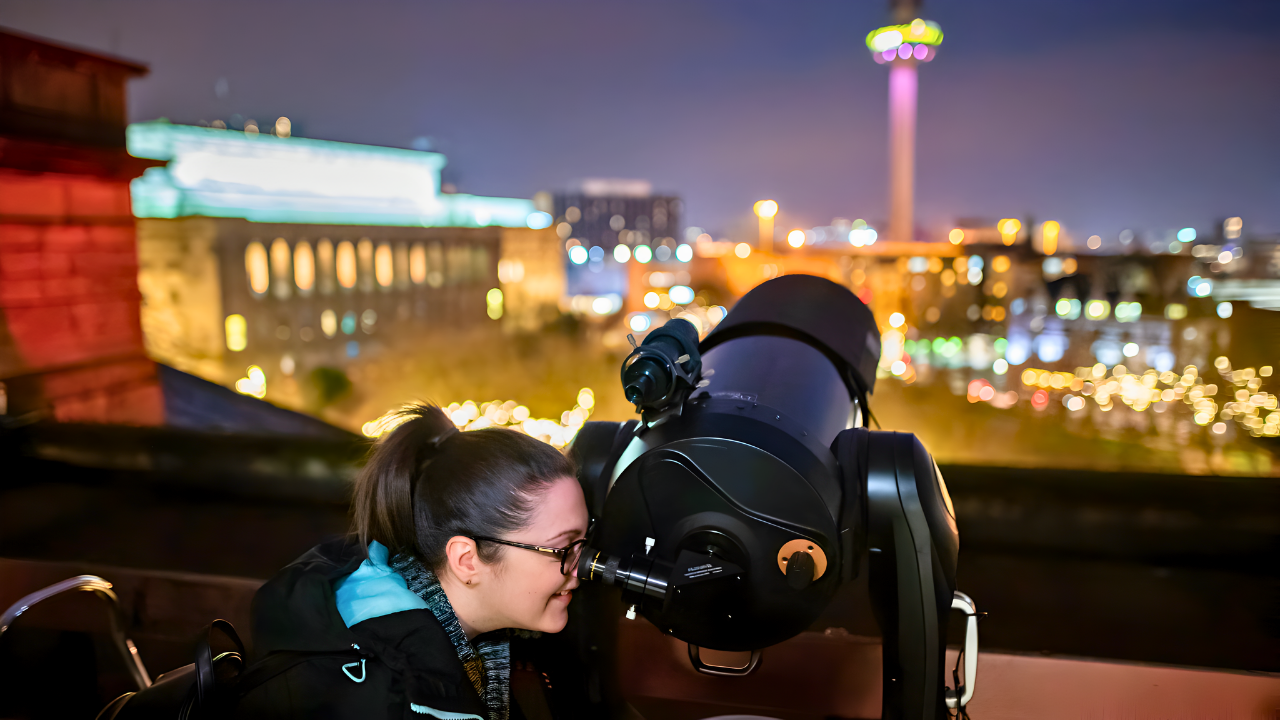
November 2025 is a fantastic month for sky lovers. The nights are longer, the air is crisp, and the sky fills with cosmic sights that can be seen without fancy equipment. From bright meteor showers to glowing planets and star clusters, there’s something special to watch almost every week. With just your eyes or a pair of binoculars, you can enjoy some of the year’s most beautiful celestial events.
The first days of November bring a short but special chance to see Mercury, the smallest planet in our solar system. On November 1 and 2, it rises above the eastern horizon about half an hour before sunrise. The planet shines softly in orange tones, visible only for a short window before the Sun’s light becomes too strong.
For the best view, find a location with a clear line of sight to the horizon, check the sunrise time for your area, and give your eyes time to adjust to the darkness. A simple pair of binoculars can help, but quick timing and patience are what really matter here.
Meteor Showers Fill the Night Sky
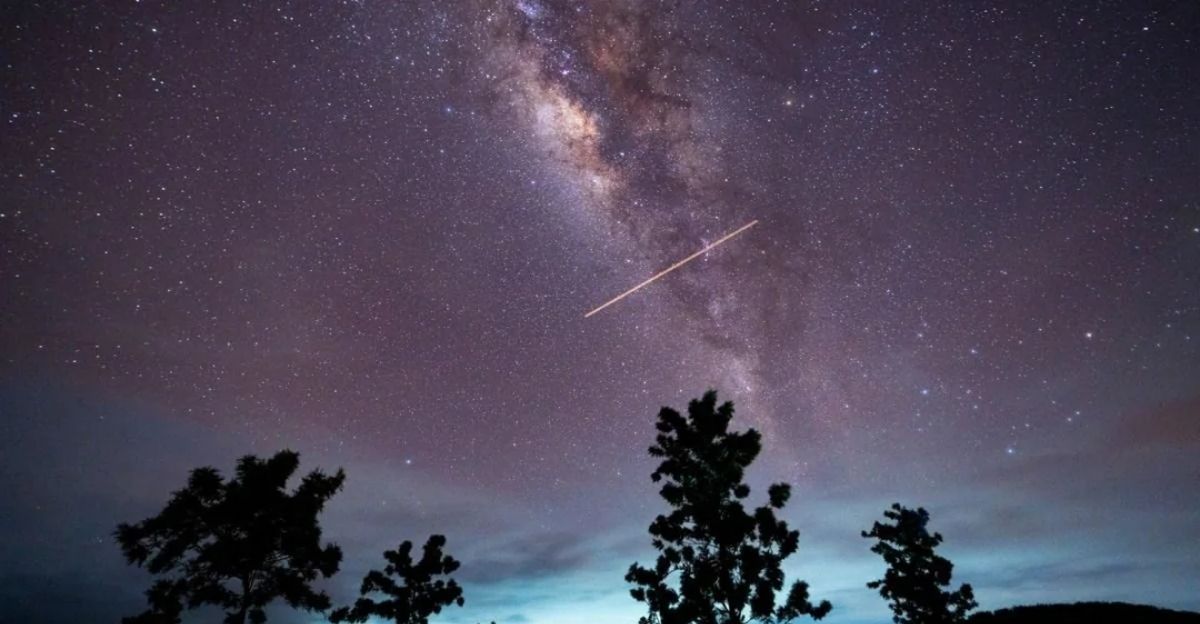
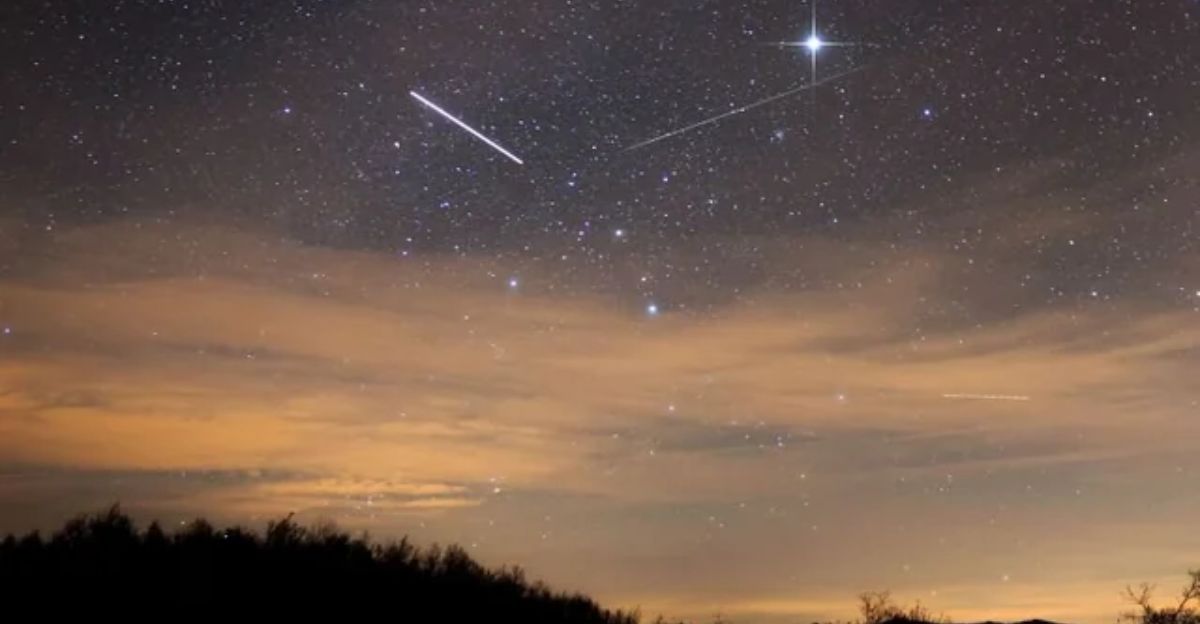
November is famous for its meteor activity, and this year promises to be even better than usual. The first show comes from the Southern Taurids, which peak on November 4 and 5. Scientists expect a swarm year, meaning Earth will pass through a thicker part of the comet trail left by Comet Encke. This will lead to more bright meteors called fireballs, some shining even brighter than Venus. These colorful streaks often hang in the sky for seconds, creating a truly dazzling view. The best time to watch is after midnight when the sky is darkest.
The Northern Taurids appear around a week later, peaking on November 11 and 12. There will be fewer meteors, around five an hour, but they travel more slowly and have a golden glow that’s easy to spot. Like their southern counterparts, they come from the same parent comet but offer a slightly different experience.
The Leonid meteor shower arrives on November 17 and 18. The Leonids are known for their speed, creating fast-moving, bright streaks across the sky. This year’s display should show up to fifteen meteors per hour, not enough for a full meteor storm, but still impressive. The best viewing time is between midnight and dawn, far from city lights.
The Moon’s Many Faces
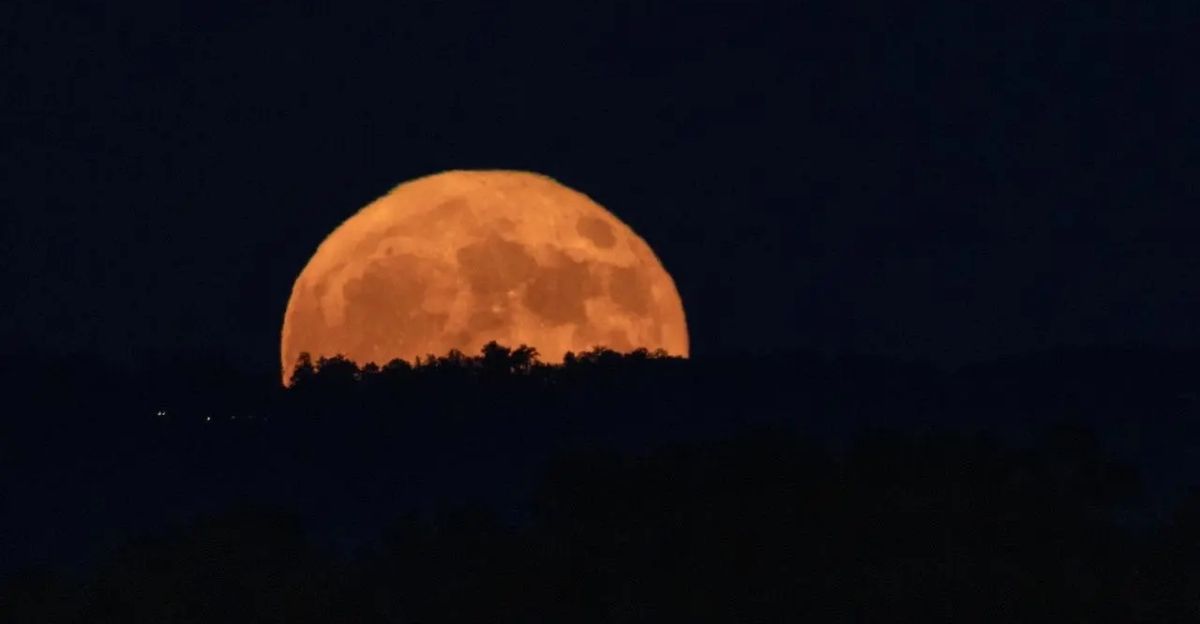
The year’s largest and brightest full moon appears on November 5. Known as the Beaver Moon, it comes from Native American traditions marking the time when beavers prepare their homes for the cold season. This full moon is also a “supermoon” because it occurs when the Moon is at its closest point to Earth, called perigee. It will look about 14% larger and nearly 30% brighter than usual. It’s perfect for moonlit walks, stargazing, or taking photos. When it’s low on the horizon, it can appear even larger due to a common optical trick known as the moon illusion.
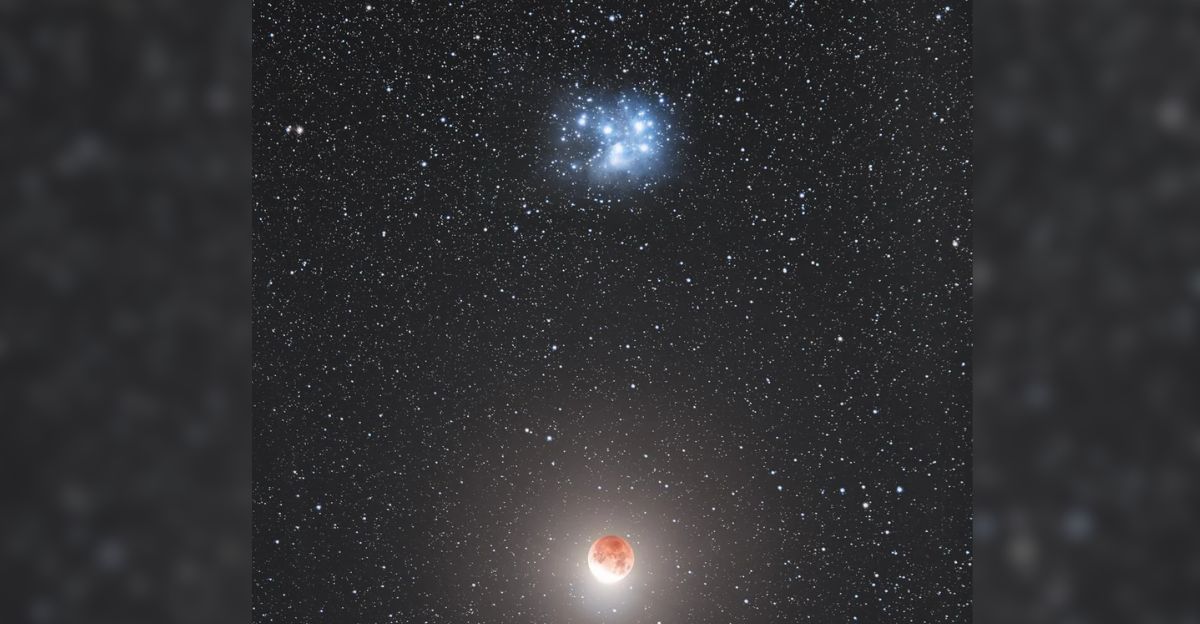
On November 6, the Moon passes close to the Pleiades star cluster, sometimes called the Seven Sisters. This group of bright blue stars lies about 440 light-years away and has inspired stories in many cultures. That night, the Moon and the Pleiades will appear close together, offering a magical view that blends science with myth. It’s a great reminder of how the sky connects human history and astronomy.
Later in the month, on November 20, the Moon reaches its farthest point from Earth and becomes a micro new moon. When this happens, it’s invisible from Earth and the night sky becomes very dark, great for spotting faint objects like the Andromeda Galaxy or Orion Nebula. The next night, November 21, Uranus reaches its brightest point of the year. It will appear all night in the constellation Aries, looking like a small, steady blue-green dot. Binoculars or a small telescope will make it easier to see, especially since Jupiter’s bright glow nearby helps locate it.
Returning Constellations and Star Clusters
By the end of November, several familiar winter constellations reappear. The Hyades star cluster, forming the face of Taurus the Bull, becomes easy to see in the evening sky. This V-shaped group of stars is anchored by Aldebaran, a bright orange giant star. The Hyades are about 150 light-years away, making them the nearest open cluster to Earth and an interesting target for both new and experienced stargazers.
Following Taurus, the Orion constellation rises earlier each night. Orion the Hunter is one of the easiest constellations to identify, with its straight belt of three bright stars. Near Orion lie the Pleiades and the Hyades, giving watchers a chance to explore multiple deep-sky wonders without moving far. These constellations have been part of human observation for centuries, symbolizing the link between cosmic cycles and the passing of seasons on Earth.
A Month of Wonder and Discovery
November 2025 offers many chances to connect with the universe above. Whether spotting a quick glimpse of Mercury at dawn, watching meteors streak overhead, or finding comfort in the return of winter constellations, the sky invites everyone to look up. Each night holds its own surprise, turning the cold air and dark evenings into opportunities for reflection and awe. It’s a reminder that even as the days grow shorter, the universe beyond continues its timeless dance, waiting for us to notice.